Overview
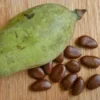
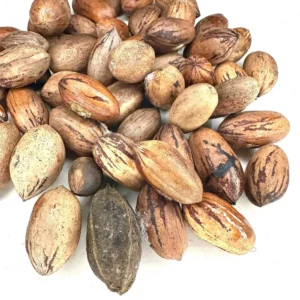
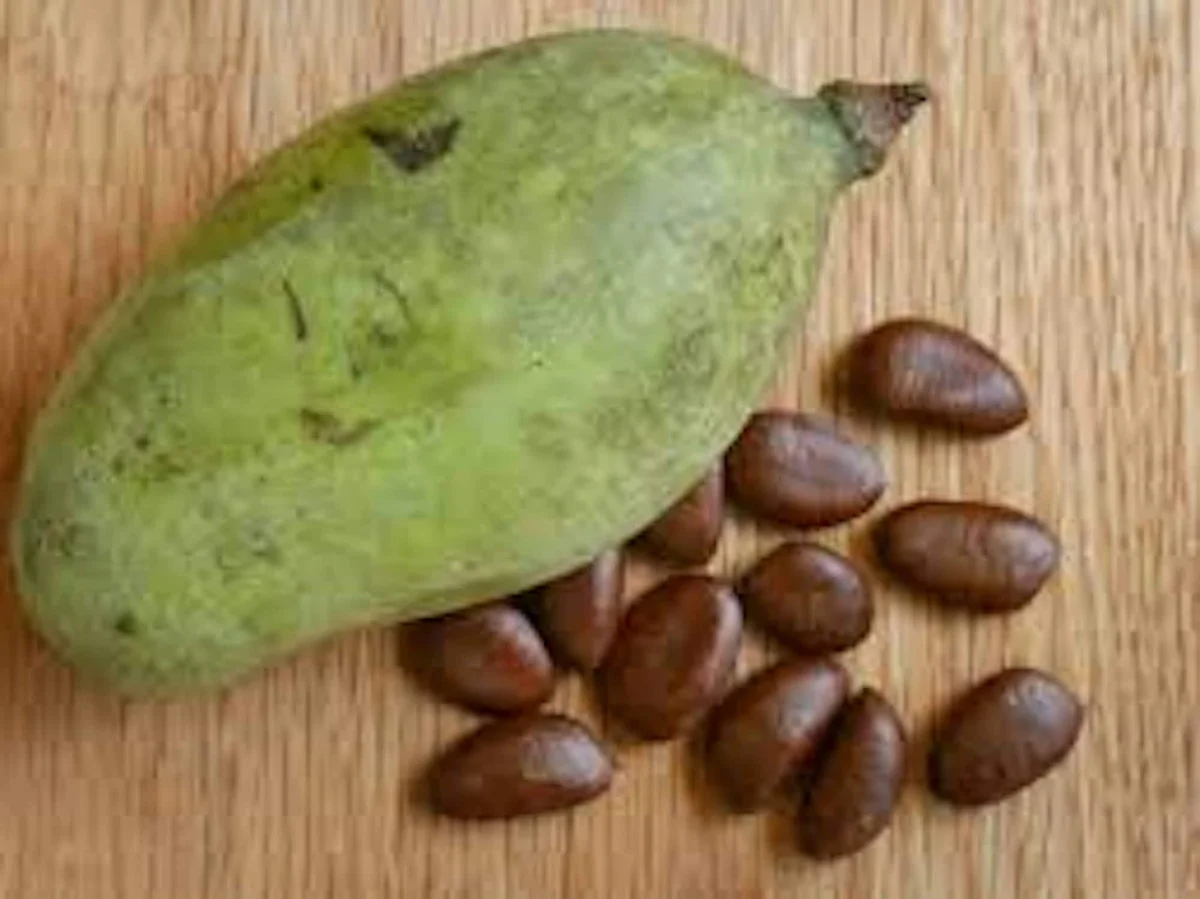
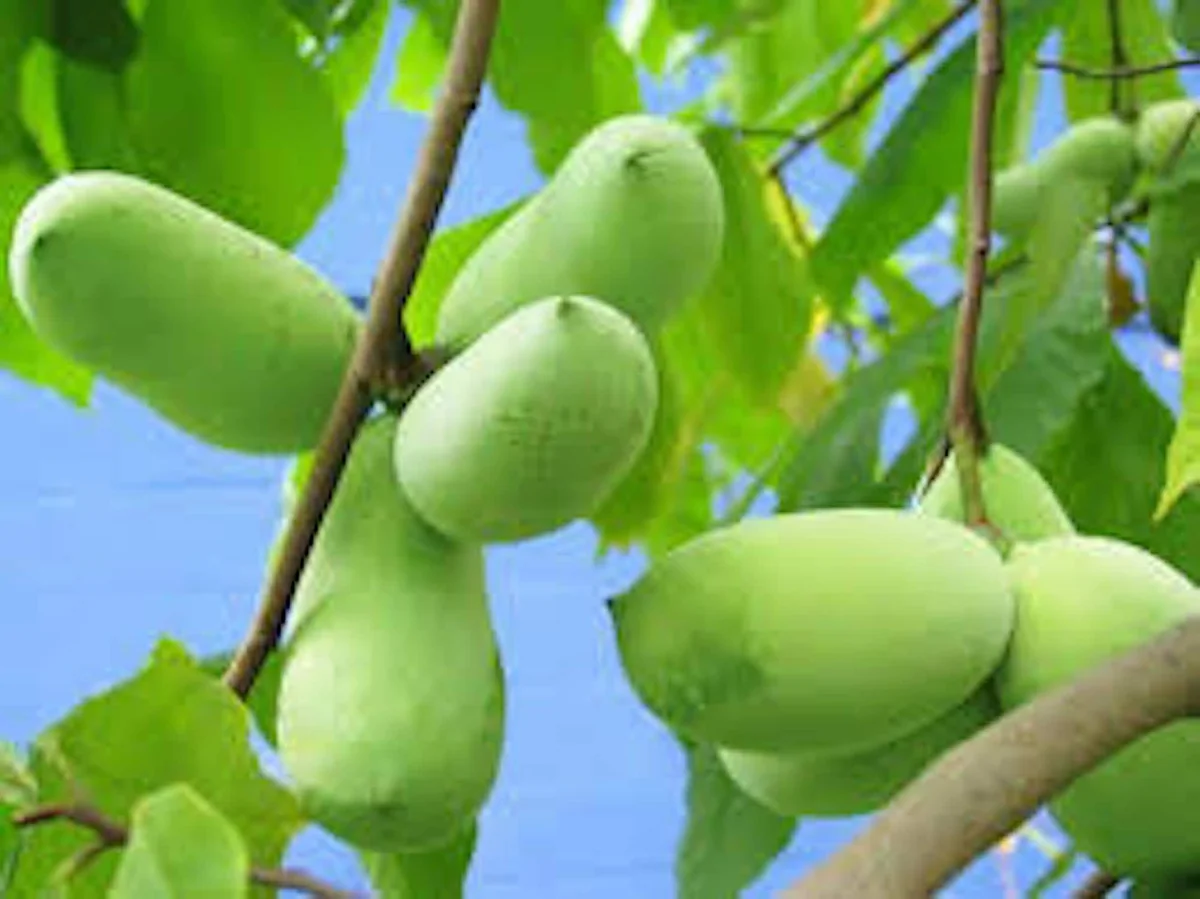
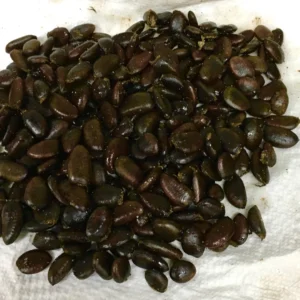
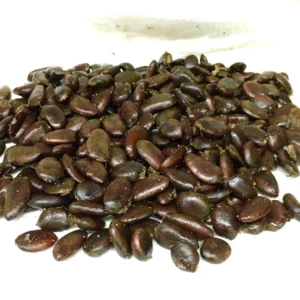
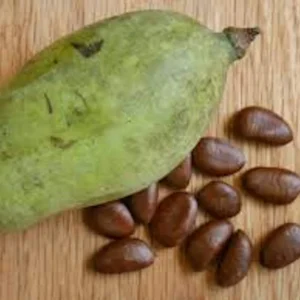
Embark on a unique gardening adventure with these premium pawpaw tree seeds. You will receive 10 high-quality, organic Asimina triloba seeds, ready for stratification and planting. The pawpaw tree, also known as the American pawpaw, is celebrated as North America’s largest native fruit. Its distinctive flavor, often described as a custardy blend of banana, mango, and melon, makes it a true gourmet delight. These heirloom, stratified seeds offer an excellent starting point for cultivating your own fruit-bearing trees, bringing a touch of native beauty and a bounty of delicious fruit to your landscape.
Growing pawpaws from seed is a rewarding experience, connecting you with a piece of American horticultural heritage. Our stratified pawpaw seeds are carefully prepared to enhance germination rates, providing you with the best possible chance for success. Whether you’re an experienced grower or a curious beginner, these seeds offer an exciting opportunity to grow a resilient, low-maintenance fruit tree that will provide enjoyment for years to come. Discover the joy of harvesting your own sweet, creamy pawpaw fruit right from your backyard.
Key Benefits
Cultivating pawpaw trees from seed offers numerous advantages for both your garden and your palate. These resilient trees provide a unique addition to any landscape, combining aesthetic appeal with delicious, nutritious fruit.
- Unique Flavor Profile: Enjoy the exotic, tropical taste of pawpaw fruit, a creamy blend reminiscent of banana, mango, and melon. This distinctive flavor sets it apart from common garden fruits and offers a gourmet experience.
- Native & Adaptable: As the largest native fruit in North America, pawpaw trees are well-adapted to various climates and soil conditions, making them a robust choice for many regions. These native fruit seeds contribute to local biodiversity.
- Pollinator Haven: The unique flowers of the pawpaw attract a variety of pollinators, including flies and beetles, contributing to a healthy and biodiverse garden ecosystem. Growing pawpaw tree seeds supports local wildlife.
- Nutrient-Rich Fruit: Pawpaw fruit is packed with vitamins, minerals, and antioxidants, offering a healthy and delicious snack directly from your garden. It’s a fantastic source of natural energy and nutrition.
- Low Maintenance: Once established, pawpaw trees are remarkably low-maintenance, requiring minimal care compared to many other fruit trees. This makes them ideal for busy gardeners seeking rewarding yields without constant effort.
- Heirloom Quality: Our organic pawpaw seeds are sourced from high-quality, heirloom varieties, ensuring genetic purity and the preservation of desirable characteristics for future generations of trees.
- Stunning Foliage: Beyond the fruit, pawpaw trees boast attractive, large leaves that provide excellent shade and add a lush, tropical feel to your garden throughout the growing season.
Plant Care & Growing Tips
Successfully growing pawpaw trees from pawpaw tree seeds requires understanding their specific needs, particularly during germination and early growth. These trees are relatively hardy once established, but proper initial care will ensure a thriving plant. Pawpaws prefer a location with full sun to partial shade; young trees, especially, benefit from some afternoon shade to prevent leaf scorch. As they mature, more sun will encourage better fruit production. They thrive in well-drained, loamy soil that is rich in organic matter. A slightly acidic to neutral pH (5.5-7.0) is ideal for these Asimina triloba seeds.
Watering is crucial, particularly during the first year of growth. Keep the soil consistently moist but never waterlogged. Once established, pawpaw trees are more drought-tolerant but will benefit from regular watering during dry spells. Fertilize sparingly with a balanced, organic fertilizer in spring, once the trees are actively growing. Avoid over-fertilization, especially with high-nitrogen formulas, which can hinder fruit development. Pruning should be minimal, focusing on removing dead or diseased branches and maintaining a strong central leader. Protect young trees from deer and other pests, and consider companion planting to enhance pollination. These native fruit seeds are a joy to cultivate with a little care.
To ensure successful germination of your stratified pawpaw seeds, it’s important to understand their natural dormancy requirements. The seeds you receive are already stratified, meaning they have undergone a cold, moist period mimicking winter conditions, which breaks dormancy. Plant the seeds about 1 inch deep in pots or directly into prepared soil outdoors in spring, after all danger of frost has passed. Ensure adequate spacing, typically 10-15 feet apart, for optimal growth and fruit production. Germination can be slow and sporadic, often taking several weeks or even months. Be patient and maintain consistent moisture. Protect young seedlings from intense sun and strong winds. With proper care, your organic pawpaw seeds will grow into robust, fruit-bearing trees.
Size & Details
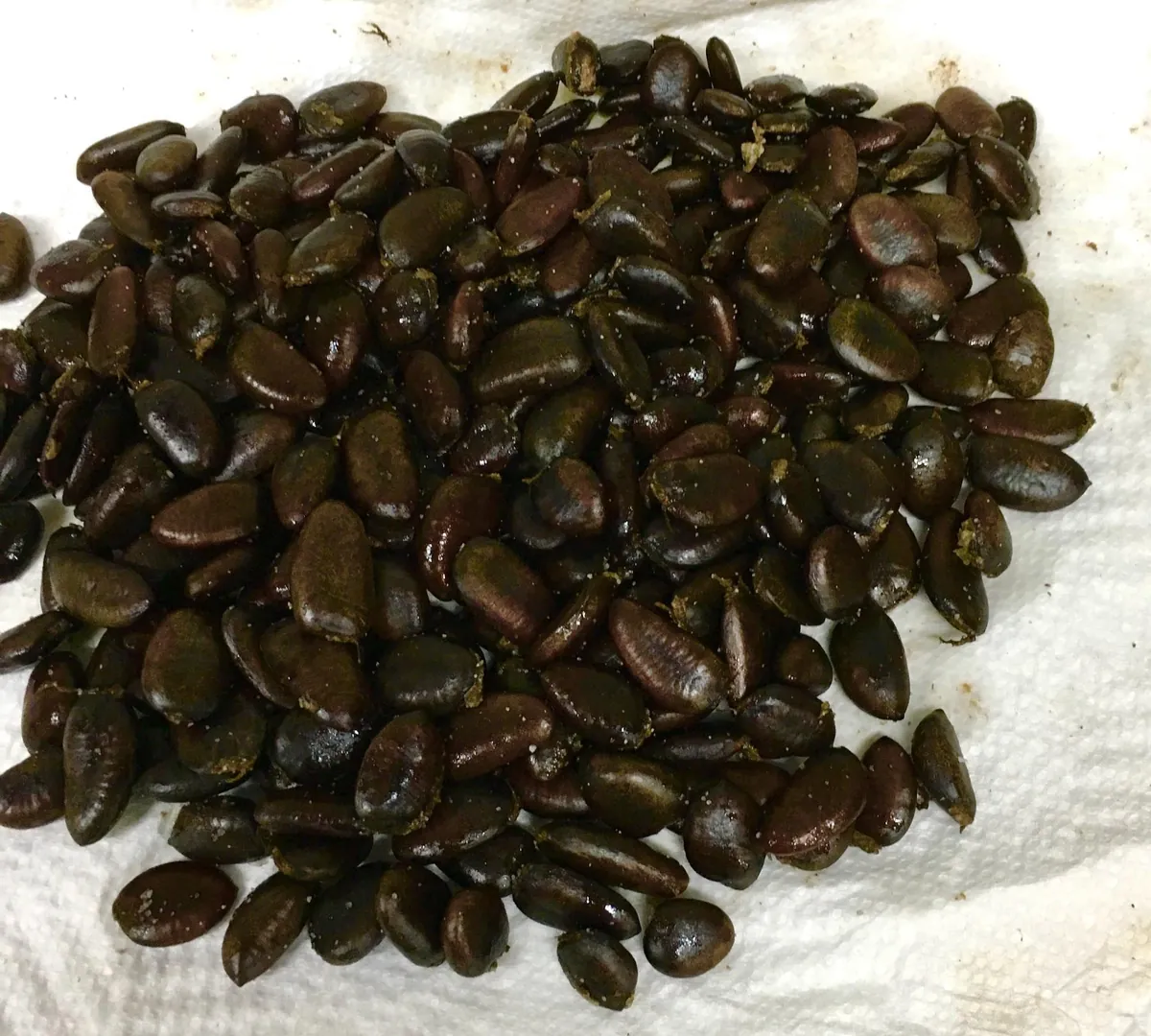
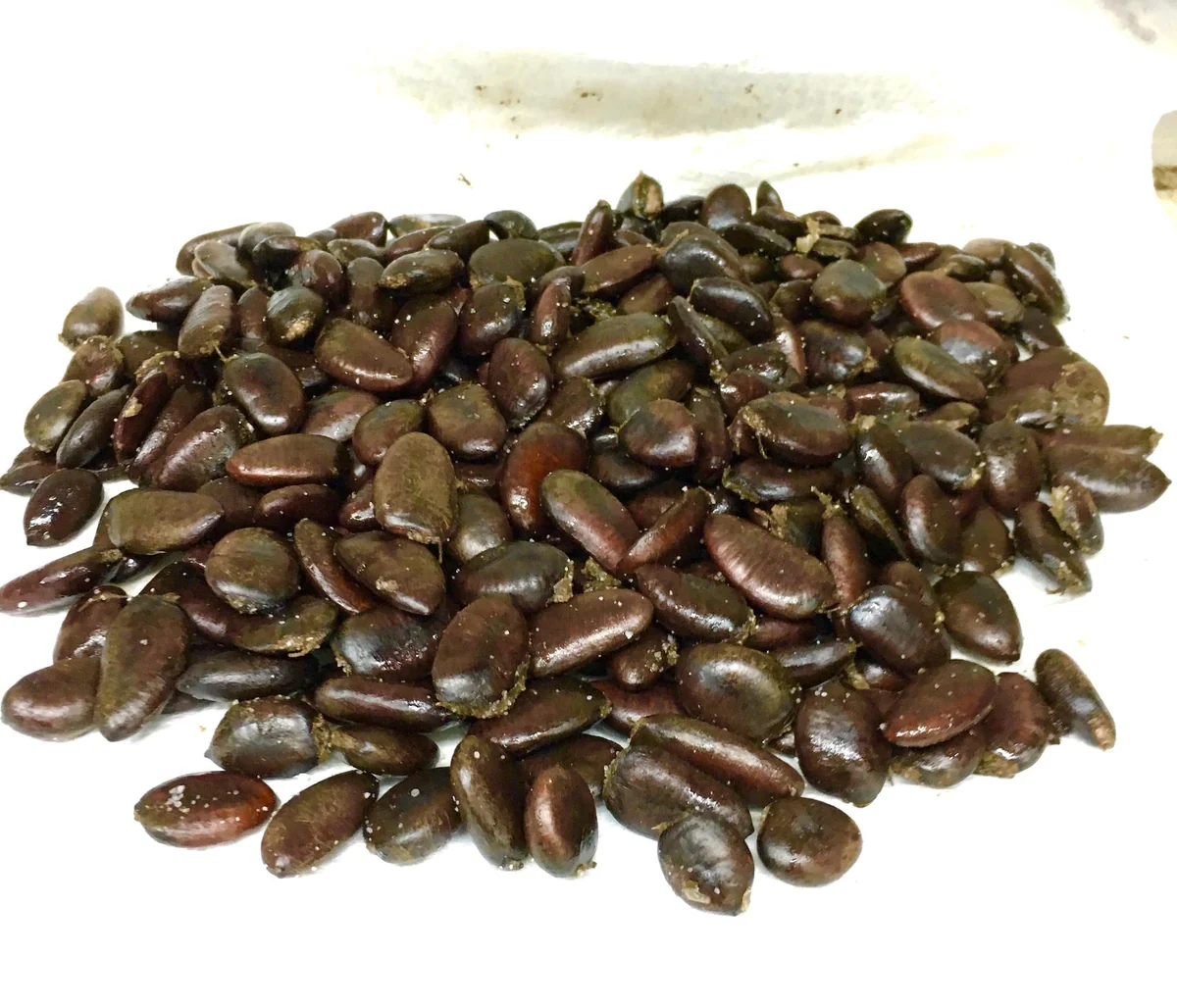
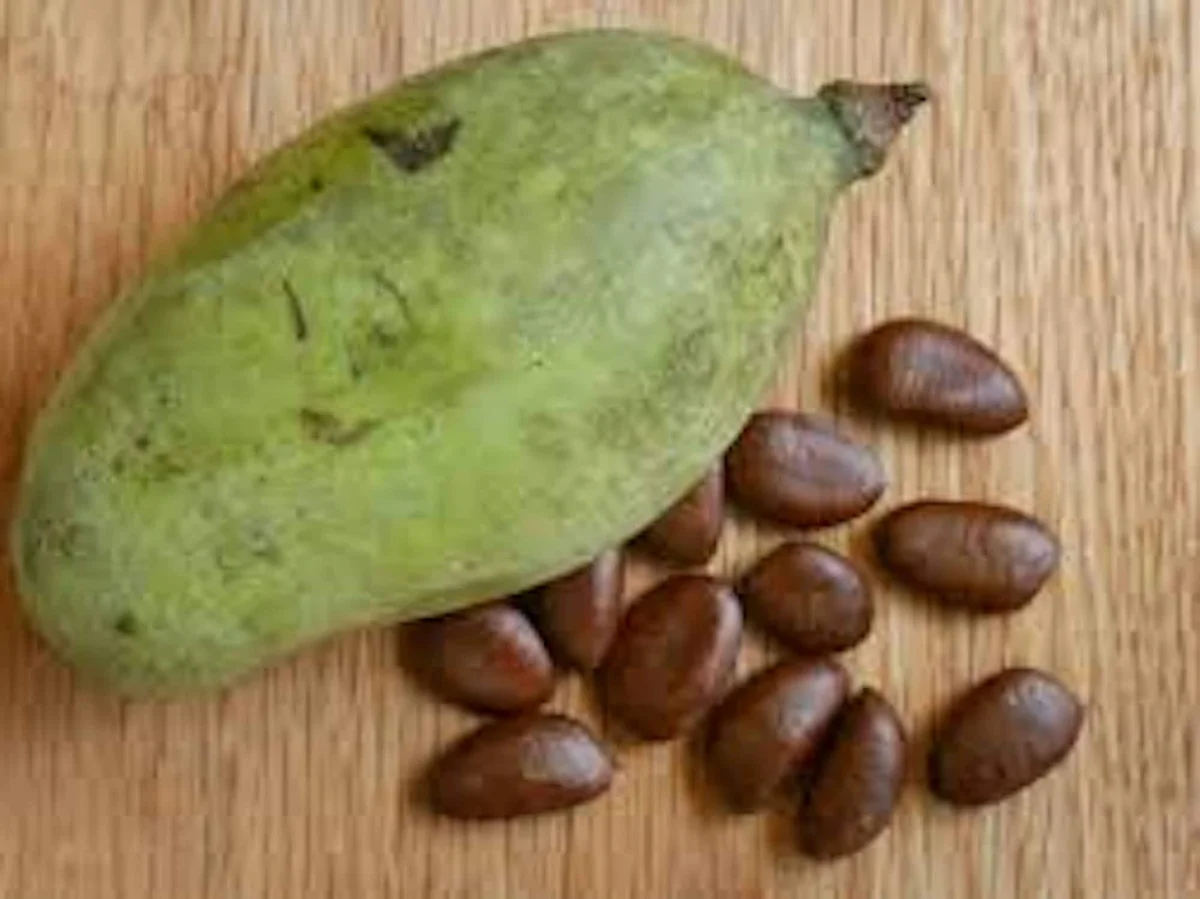
This product includes 10 pawpaw tree seeds (Asimina triloba). These are organic, heirloom-quality, and have been cold-stratified to promote successful germination. Each seed is ready for planting upon arrival, typically in spring after the last frost. Once germinated, young pawpaw trees grow at a moderate rate, usually reaching 15-20 feet in height at maturity, though some can grow taller. They develop a pyramidal to rounded canopy, offering ample shade. The fruit typically appears within 3-5 years after planting, with peak production occurring at 7-10 years.
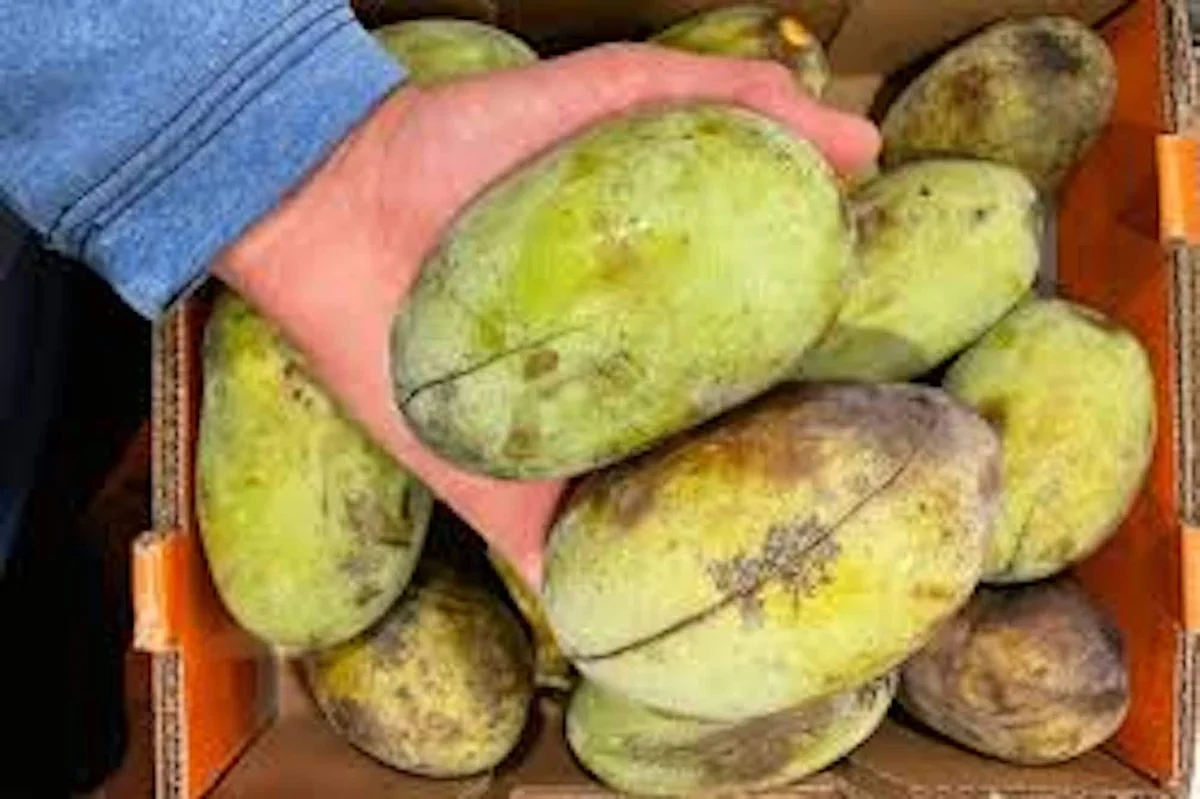
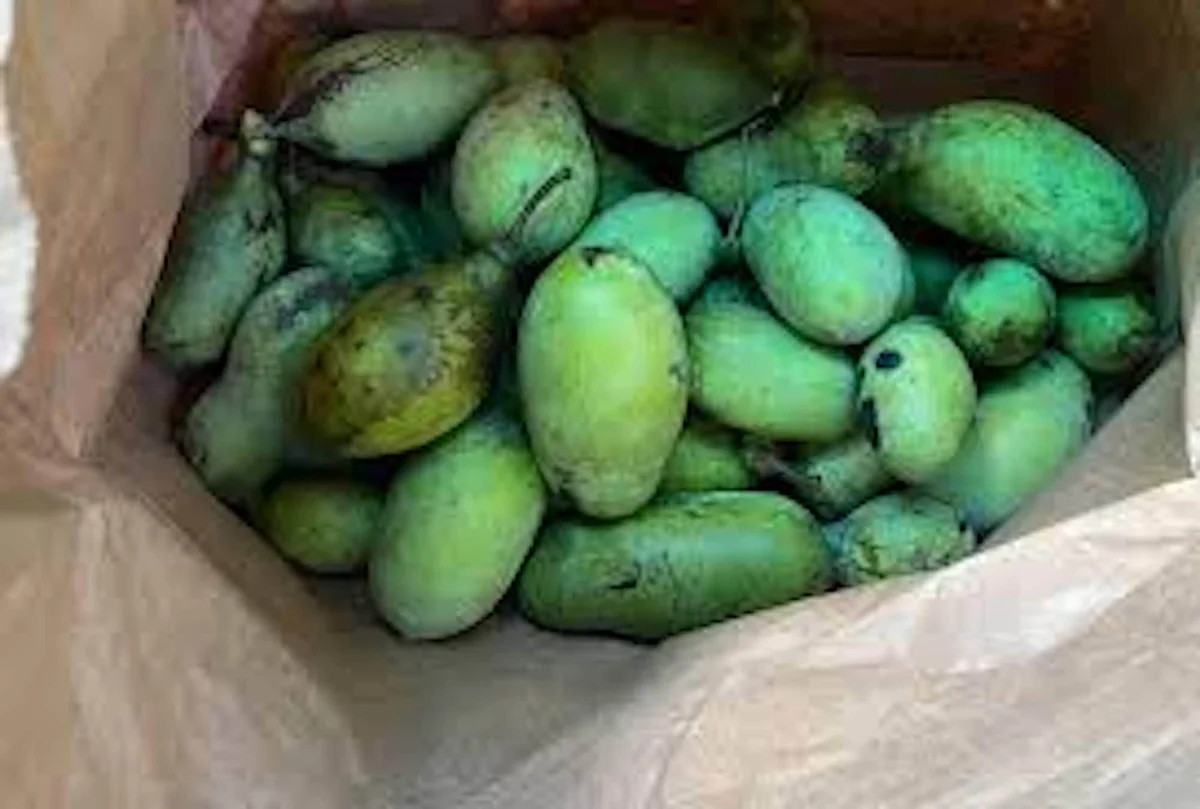
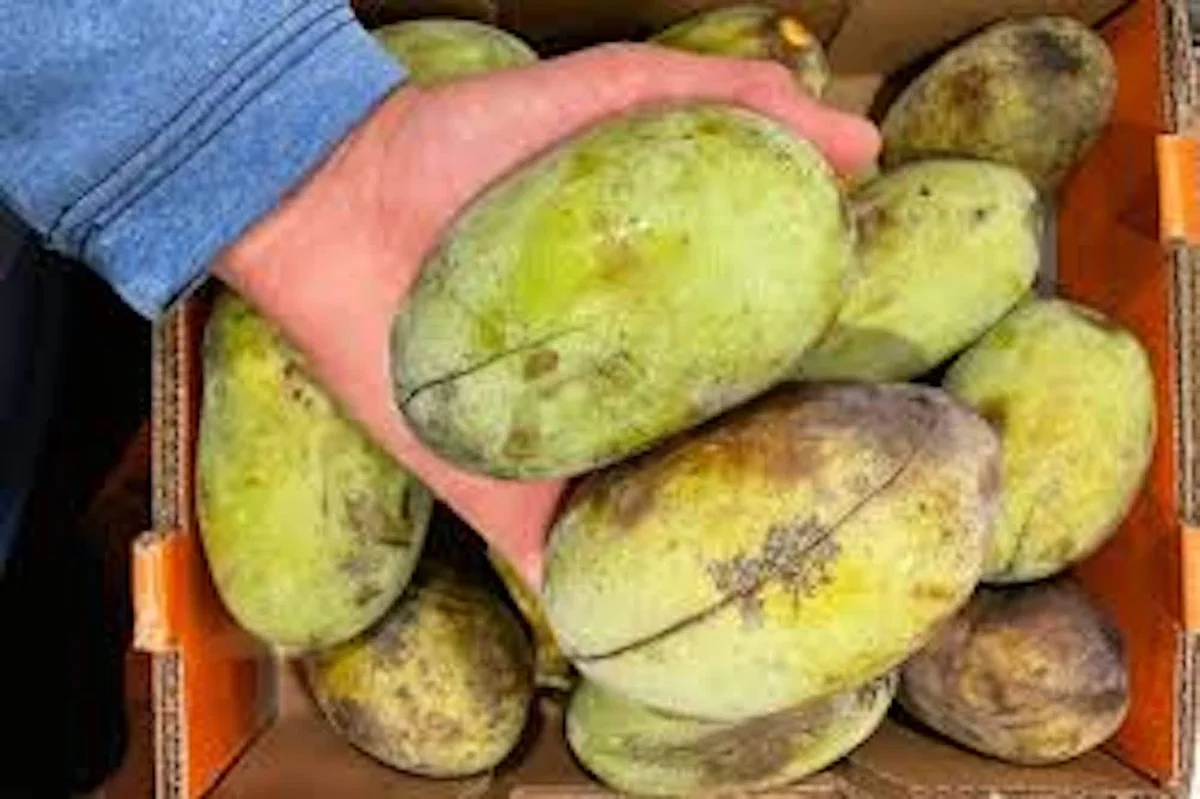
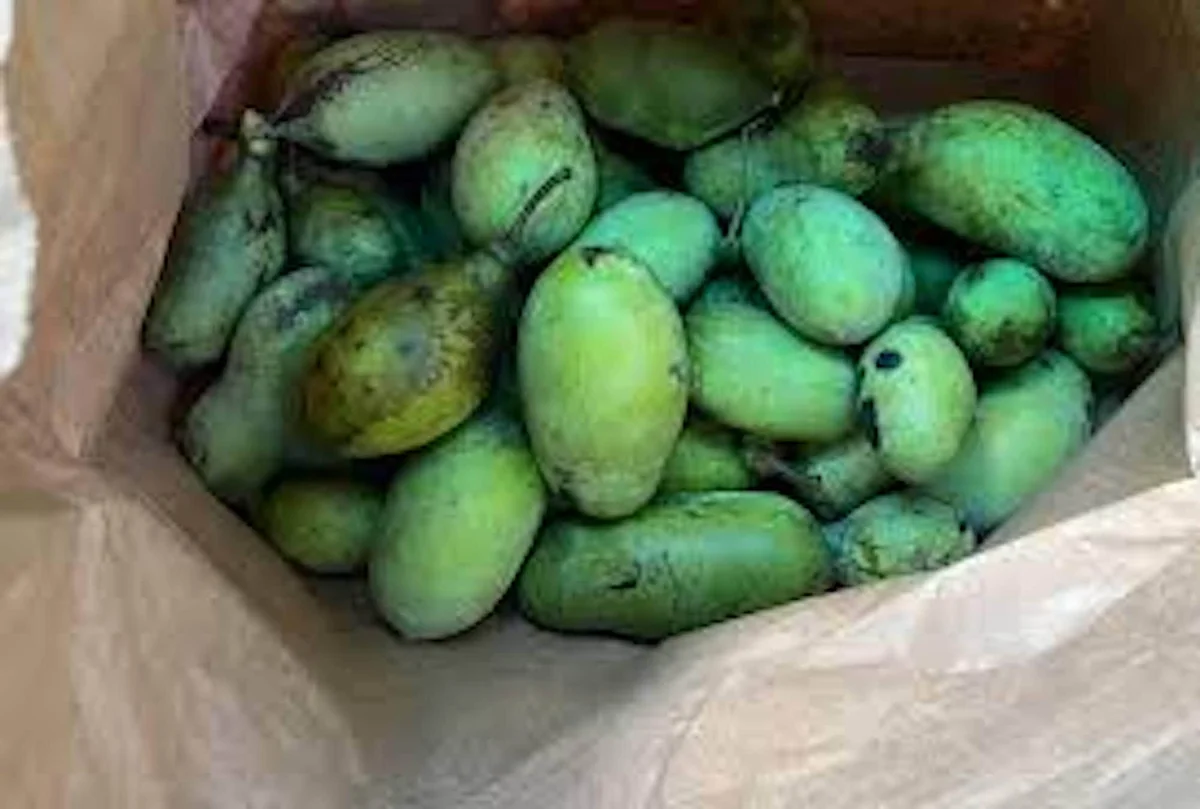
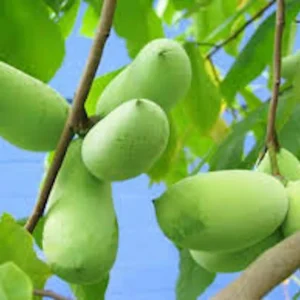
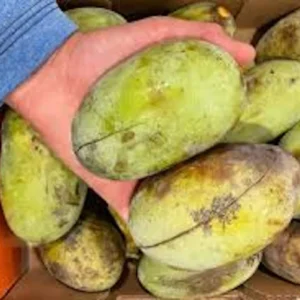
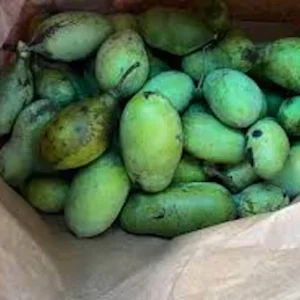
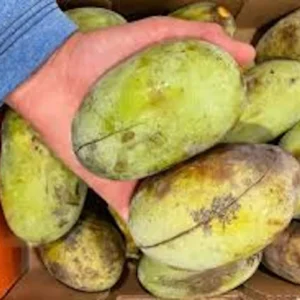
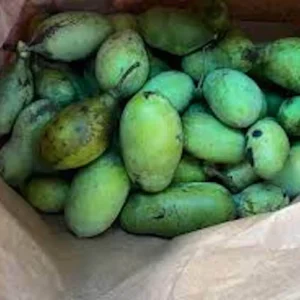
The mature fruit is typically 3-6 inches long, with a distinct kidney shape and a greenish-yellow skin that darkens as it ripens. These Asimina triloba seeds will grow into trees that are resilient and long-lived, providing fresh, unique fruit for many seasons. They are shipped as individual seeds, carefully packaged to maintain viability. The expected planting period is spring, though they can be started indoors earlier with appropriate light and warmth before transplanting outdoors when conditions are favorable. These native fruit seeds are an investment in your garden’s future.
Frequently Asked Questions
- Q: How big do pawpaw trees get from these seeds? A: Pawpaw trees typically grow to an average height of 15-20 feet, though some can reach up to 30 feet tall. They develop a spread of about 10-15 feet at maturity, providing good shade and ample fruit production.
- Q: Are these pawpaw tree seeds easy to grow for beginners? A: Yes, pawpaw trees are considered relatively easy to grow, especially once established. The main challenge is patience during germination and protecting young seedlings. Our stratified pawpaw seeds are prepared to make the initial steps easier.
- Q: How much sunlight do these Asimina triloba seeds need? A: Young pawpaw trees prefer partial shade, especially in hot climates, to protect them from scorching. Mature trees thrive in full sun to partial shade, with more sun generally leading to better fruit yields.
- Q: When is the best time to plant these organic pawpaw seeds? A: The best time to plant stratified pawpaw seeds is in the spring, after the danger of the last frost has passed. This allows the seedlings to establish themselves during the warm growing season.
- Q: What condition will the seeds arrive in? A: The pawpaw tree seeds will arrive as individual, carefully packaged seeds that have been cold-stratified and are ready for planting. They will not be in soil or sprouted.
- Q: Do I need more than one pawpaw tree for fruit production? A: Yes, pawpaw trees are not reliably self-pollinating. To ensure good fruit production, it is highly recommended to plant at least two different genetic varieties of pawpaw trees within close proximity to each other.
- Q: Are these native fruit seeds suitable for container growing? A: While pawpaws can be started in containers, they eventually require a large planting space for their root system. For long-term growth and fruit production, transplanting into the ground is recommended.
- Q: How long until these stratified pawpaw seeds produce fruit? A: Pawpaw trees grown from seed typically begin to produce fruit within 3 to 5 years after planting. Full production usually occurs around 7 to 10 years of age.
- Q: What kind of soil do pawpaw trees prefer? A: Pawpaw trees prefer well-drained, fertile, loamy soil that is rich in organic matter. A slightly acidic to neutral pH (5.5-7.0) is ideal for optimal growth and health of the tree.
- Q: Can pawpaw trees tolerate cold winters? A: Yes, Asimina triloba is a native North American tree and is quite cold hardy, typically thriving in USDA zones 5-9. They are deciduous and can withstand significant winter temperatures once established.


Reviews
There are no reviews yet.