
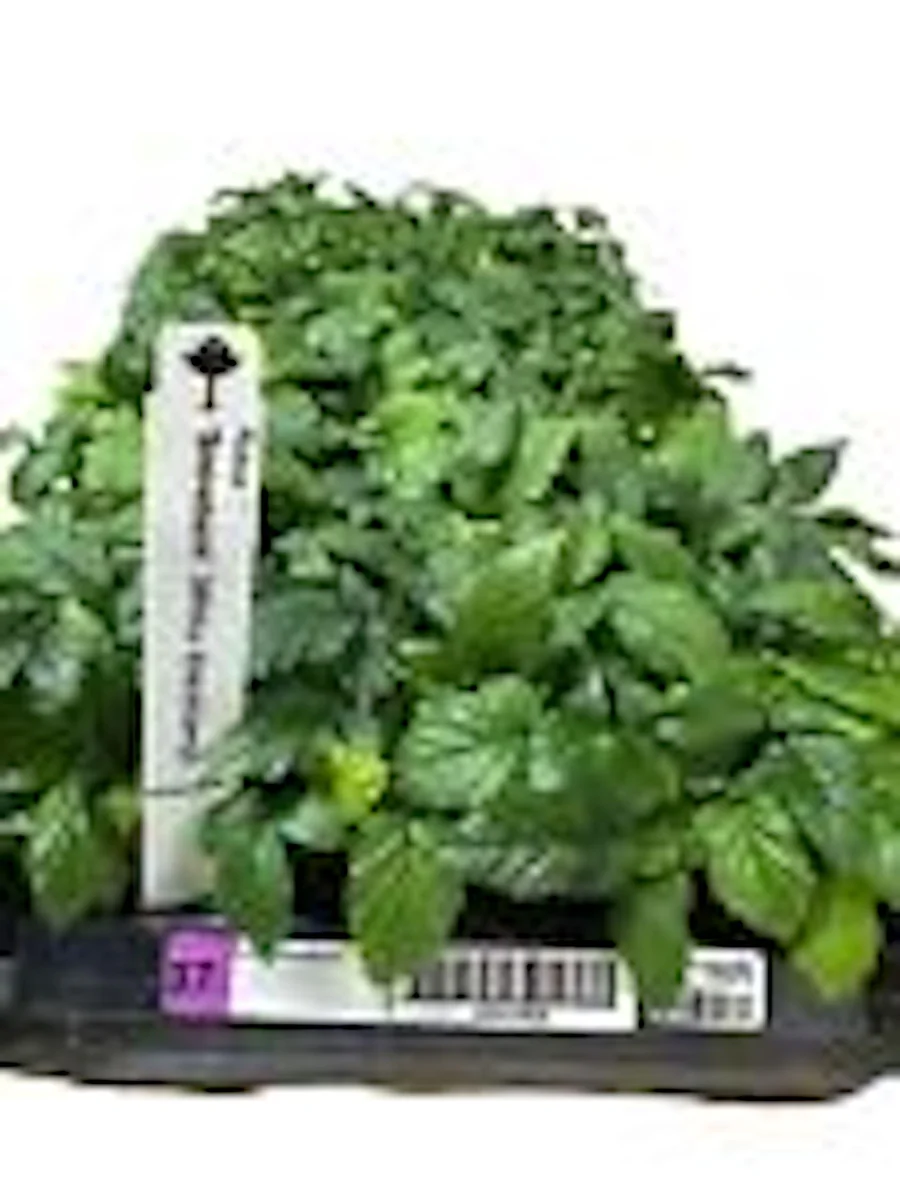
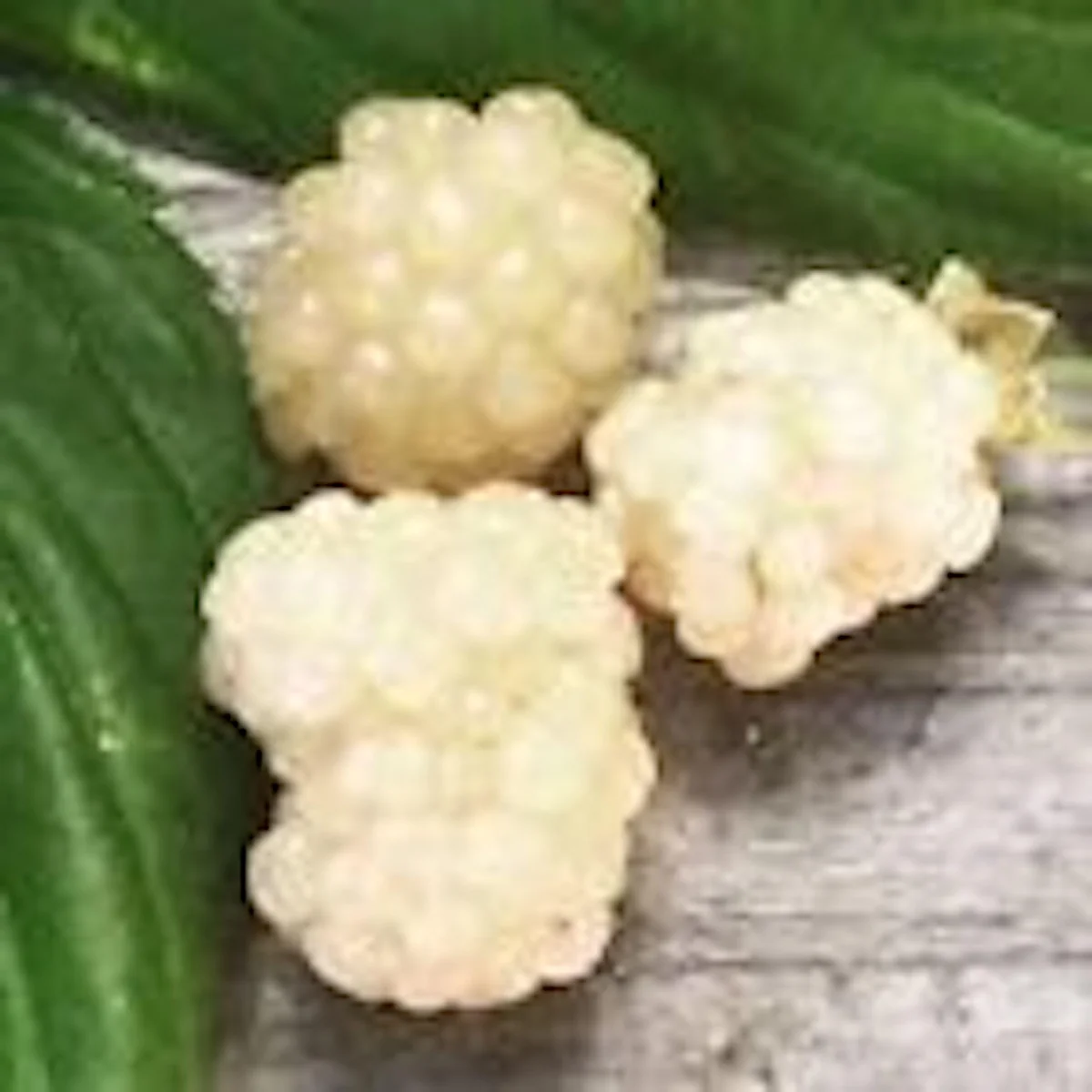
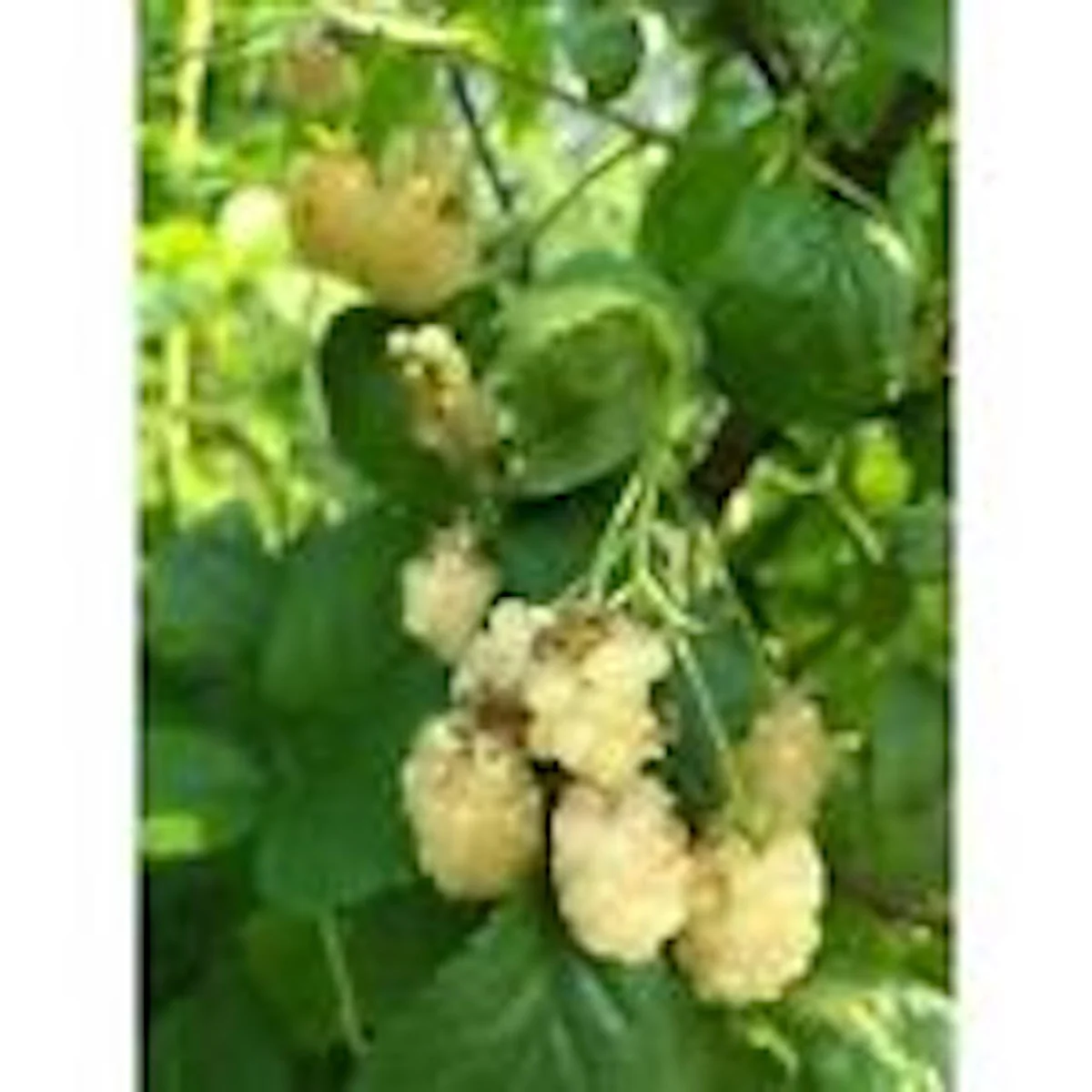

Overview
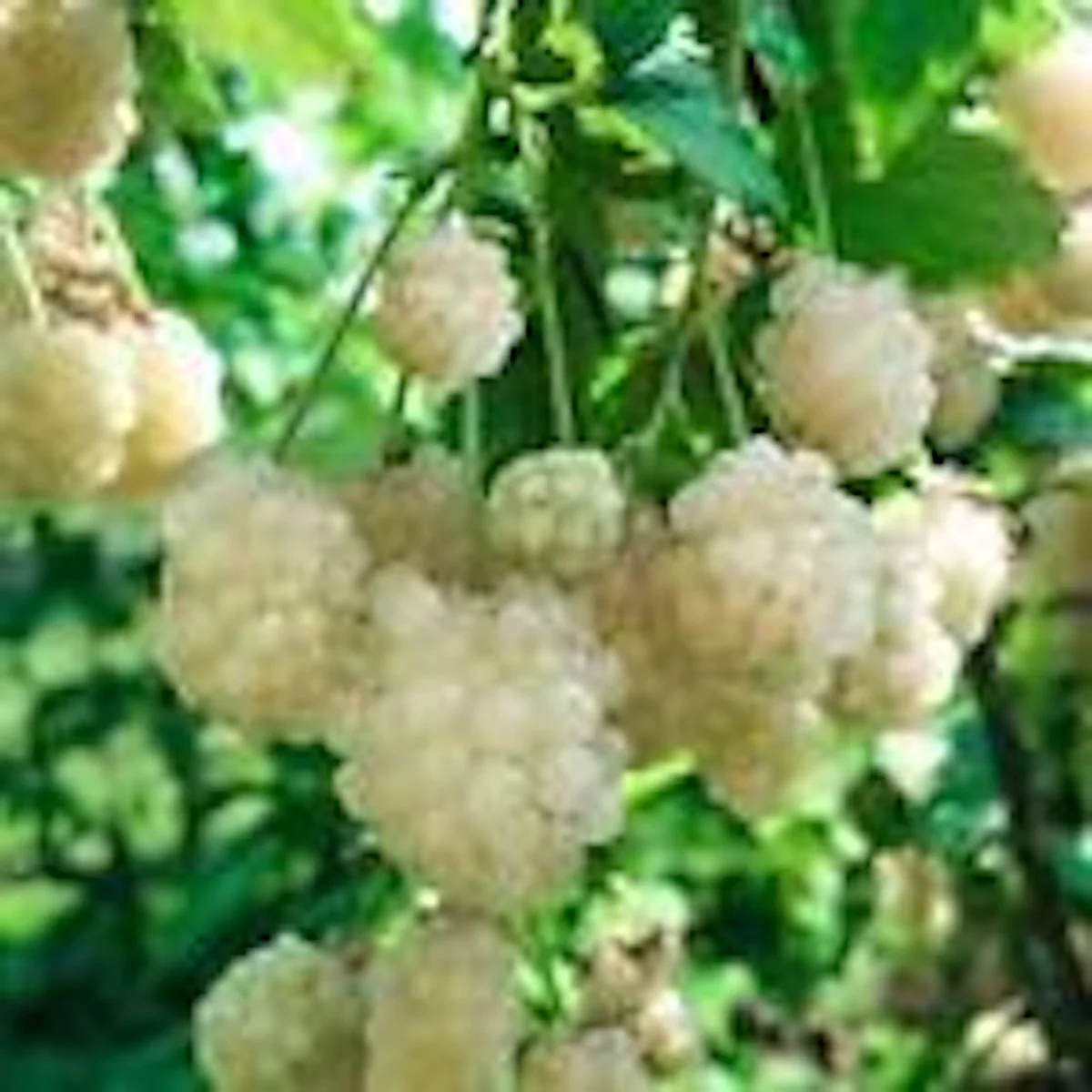
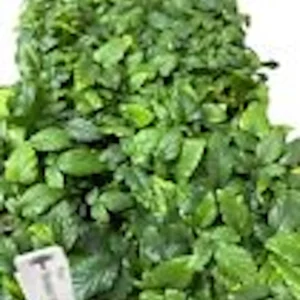
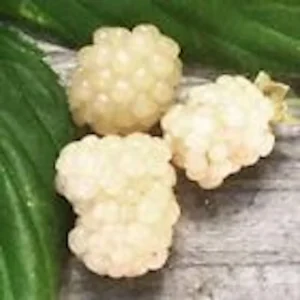
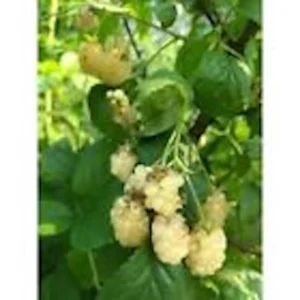
Embark on a rewarding gardening journey with the unique Snowbank White Blackberry Plant. This offering includes 10 vigorous starters of the Snowbank White Blackberry Plant, a distinctive variety of Rubus known for its striking white fruit. Unlike traditional black blackberries, the Snowbank cultivar provides a sweet and slightly tart flavor with a beautiful, creamy white hue, making it a conversation starter in any garden or on any plate. These Rubus perennial plant starters are fast-growing and promise a bountiful harvest of delicious berries, perfect for fresh eating, jams, pies, or desserts. Developed by the renowned horticulturist Luther Burbank, this variety is a testament to unique fruit cultivation, offering both novelty and exceptional taste to home gardeners.
Each starter is a robust young plant, ready to establish quickly in your garden. The Snowbank blackberry is a hardy fruit-bearing shrub, making it an excellent choice for both novice and experienced gardeners looking to expand their edible landscape. Its vigorous growth habit ensures a productive and beautiful addition to your outdoor space. Prepare to enjoy the novelty and flavor of your very own white blackberry bush, a truly special fruit that stands out from the crowd.
Key Benefits
The Snowbank White Blackberry Plant offers numerous advantages for the home gardener, combining unique aesthetics with practical benefits and delicious produce. Cultivating this plant provides a distinct experience and rewarding harvest.
- Unique White Fruit Production: Enjoy the novelty and delicious taste of distinctive white blackberries. These berries offer a sweet-tart flavor profile and are perfect for adding a gourmet touch to your culinary creations or simply enjoying fresh off the bush. The unusual color makes them a standout.
- High in Antioxidants: Much like their traditional black counterparts, growing white blackberries provides a fruit rich in beneficial antioxidants, including Vitamin C and Vitamin K, contributing to a healthy diet. They are also packed with dietary fiber and potassium.
- Vigorous Growth & Productivity: These Rubus perennial plant starters are known for their fast growth rate and ability to produce abundant yields of fruit once established. This ensures a satisfying harvest season after season, providing plenty of berries for your family.
- Hardy Perennial Shrub: Designed for longevity, these blackberry plants are perennial, meaning they will return year after year, offering a reliable source of fruit. They are suitable for USDA Zones 5-9, demonstrating good cold hardiness.
- Easy to Grow: Blackberries are relatively low-maintenance once established, tolerating a range of growing conditions. They are closer in care requirements to wild roses than hybrid teas, making them accessible for various gardening skill levels.
- Versatile Culinary Use: The unique flavor and appearance of the white blackberries make them incredibly versatile in the kitchen. Use them in pies, tarts, smoothies, preserves, or as a fresh garnish for desserts and salads.
- Developed by a Renowned Horticulturist: This variety, developed by Luther Burbank, carries a legacy of quality and careful breeding, ensuring a reliable and desirable fruit-bearing plant for your garden.
Plant Care & Growing Tips
Caring for your Snowbank White Blackberry Plant is straightforward, ensuring a healthy and productive bush for years to come. These Rubus perennial plant bushes thrive with proper attention to sunlight, soil, and watering. For optimal fruit production, site selection is crucial. Choose a location that receives full sun, meaning at least 6-8 hours of direct sunlight per day. While they can tolerate some afternoon shade, especially in hotter climates, full sun encourages the best fruit development and yields. They are hardy in USDA Zones 5-9, making them suitable for a wide range of climates across the United States. Ensure good air circulation around the plants to prevent fungal issues.
The ideal soil for growing white blackberries is slightly acidic with excellent drainage. Blackberries do not fare well in heavy clay soils that retain too much moisture. Amending your soil with organic matter can improve drainage and provide essential nutrients. Consider planting in raised beds or an elevated site to further enhance drainage and protect flower buds from late spring frosts. Blackberries require moderate amounts of water, approximately 1 inch per week, either from rainfall or ground-level irrigation. Avoid overhead watering, which can promote disease. It’s important to keep the soil consistently moist but never waterlogged, as wet feet can be detrimental to the plant’s health. Fertilize in early spring with a balanced slow-release fertilizer designed for fruiting plants. Pruning is essential for maintaining plant health and maximizing fruit production; typically, you’ll prune out spent canes after fruiting.
Size & Details
This offering includes 10 Snowbank White Blackberry Plant starters, which are young, vigorous plants ready for transplanting into your garden. These plants are shipped bare root, meaning they arrive without soil or a pot, which is an ideal method for establishing robust root systems directly in your garden. Each starter is a healthy specimen, poised for rapid growth. Once established, the white blackberry bush can reach a mature height of 5-8 feet and a similar spread, depending on pruning and growing conditions. They are known for their fast growth rate, typically beginning to produce fruit within 1-2 years of planting, with full production after 3-4 years. With proper care, these Rubus perennial plant bushes can live for about a decade, providing many seasons of delicious white blackberries.
Frequently Asked Questions
- Q: How big do these Snowbank White Blackberry Plants get? A: Once mature, these Snowbank White Blackberry Plant bushes typically grow to a height of 5-8 feet and can spread similarly, depending on pruning and growing conditions. They are vigorous growers and will fill out their space nicely.
- Q: What condition will the plants arrive in? A: The 10 Snowbank White Blackberry Plant starters are shipped bare root. This means they will arrive without soil or a pot, allowing for direct planting into your prepared garden bed.
- Q: Is this an indoor or outdoor plant? A: The Snowbank White Blackberry Plant is an outdoor fruiting shrub. It thrives in garden settings where it can receive adequate sunlight and space to grow.
- Q: How much sunlight does the Snowbank White Blackberry Plant need? A: For optimal growth and fruit production, this white blackberry bush requires full sun, meaning at least 6-8 hours of direct sunlight per day. Some afternoon shade is tolerated in very hot climates.
- Q: Is this plant easy to care for? A: Yes, Snowbank blackberries are considered relatively easy to care for once established. They are tolerant of various conditions and are closer to wild roses in their ease of maintenance than more delicate varieties.
- Q: When is the best time to plant these blackberry starters? A: The best time to plant bare root blackberry starters is typically in early spring, after the last threat of frost, or in late fall before the ground freezes. This allows the roots to establish before extreme weather.
- Q: Will this Rubus perennial plant survive winter in my zone? A: The Snowbank White Blackberry Plant is hardy in USDA Zones 5-9. If you are within these zones, it should successfully overwinter and return year after year.
- Q: What kind of soil does this blackberry plant prefer? A: This plant thrives in slightly acidic, well-draining soil. It’s crucial to avoid heavy clay soils that retain too much moisture, as good drainage is key to its health.
- Q: How long until I can harvest white blackberries? A: You can typically expect your Snowbank White Blackberry Plant to begin producing fruit within 1-2 years of planting, with a more substantial harvest in 3-4 years as the plant fully matures.
- Q: Are these plants thorny? A: Yes, the Snowbank White Blackberry is a thorny variety, a characteristic inherited from its breeding by Luther Burbank. Care should be taken when handling and harvesting.


Reviews
There are no reviews yet.