
Overview
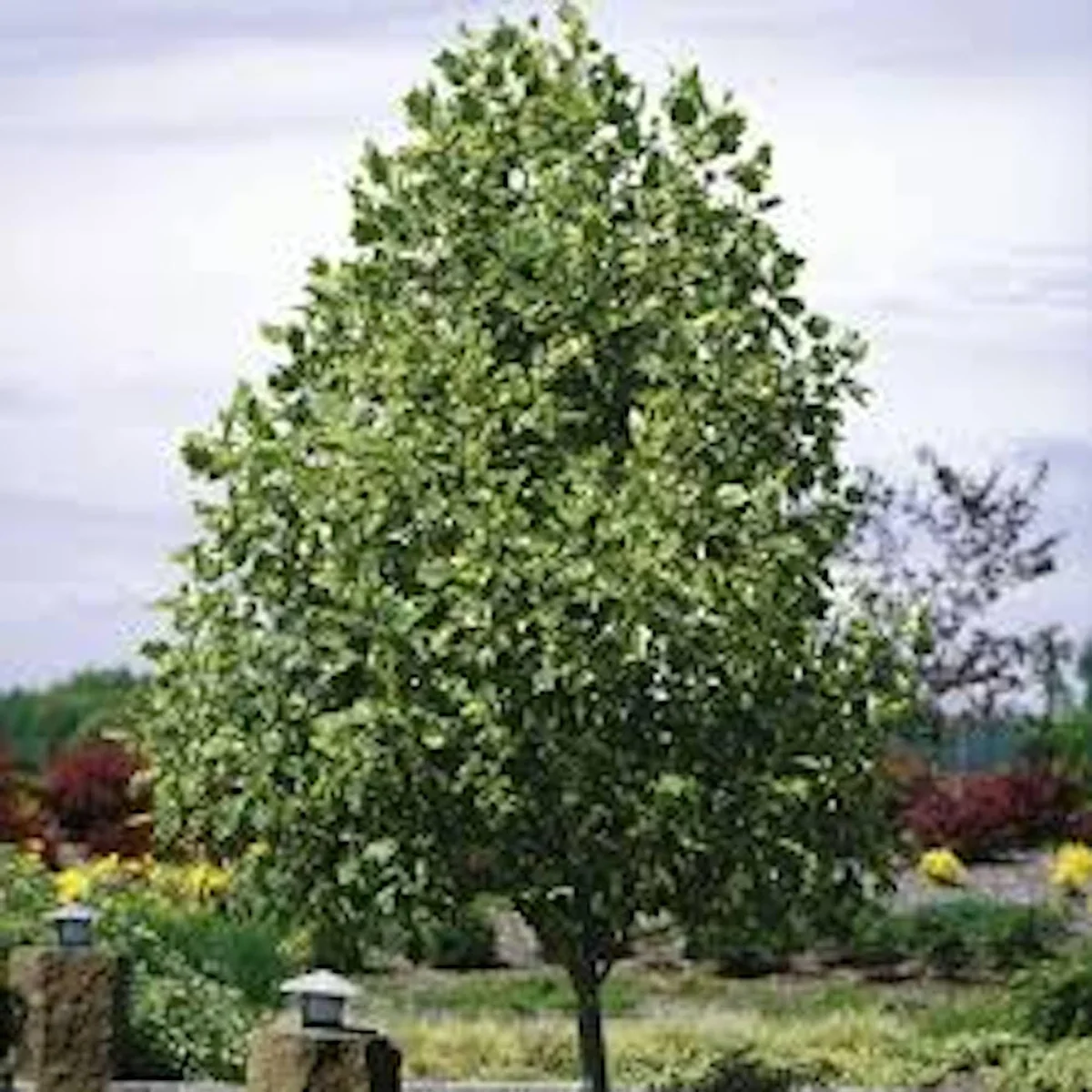
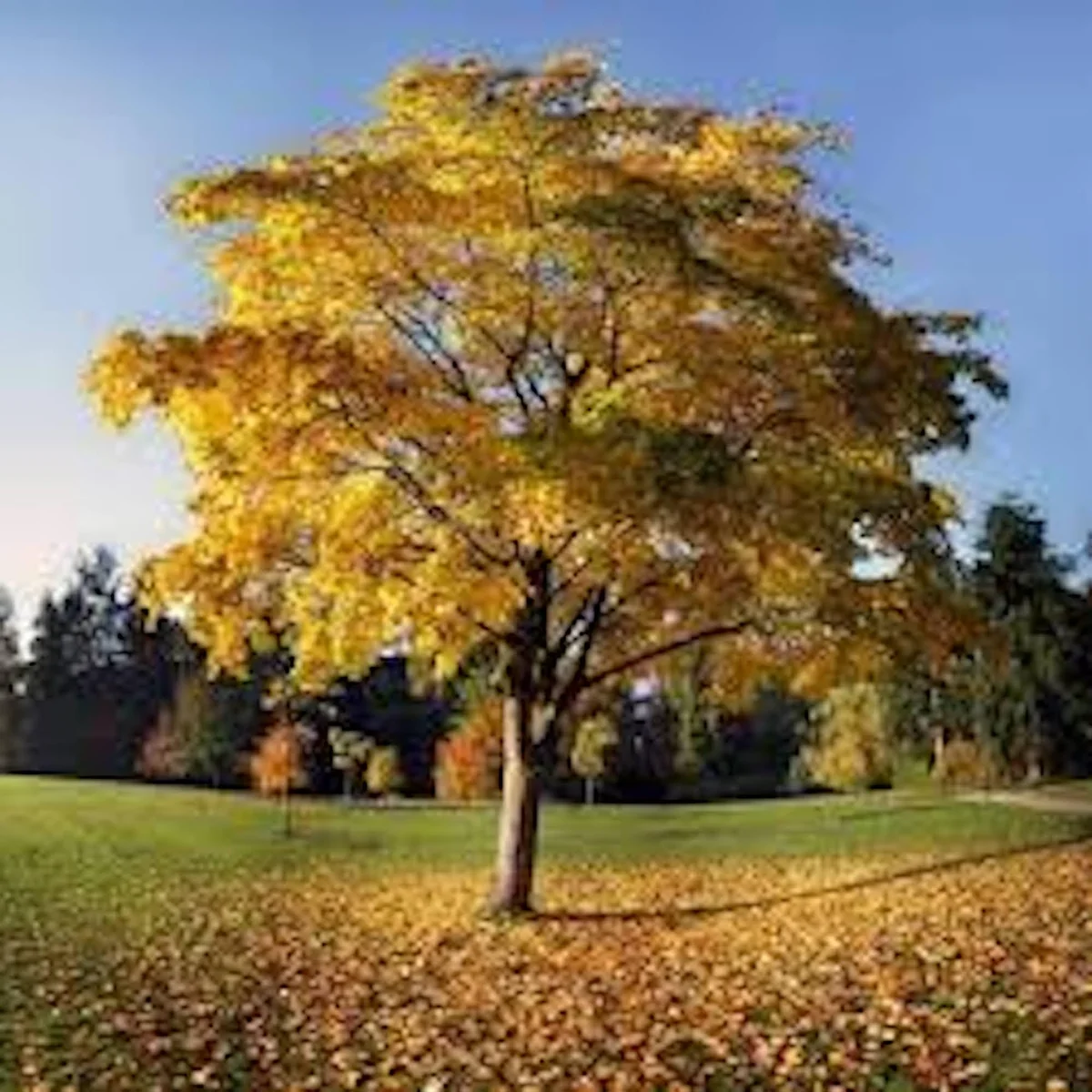
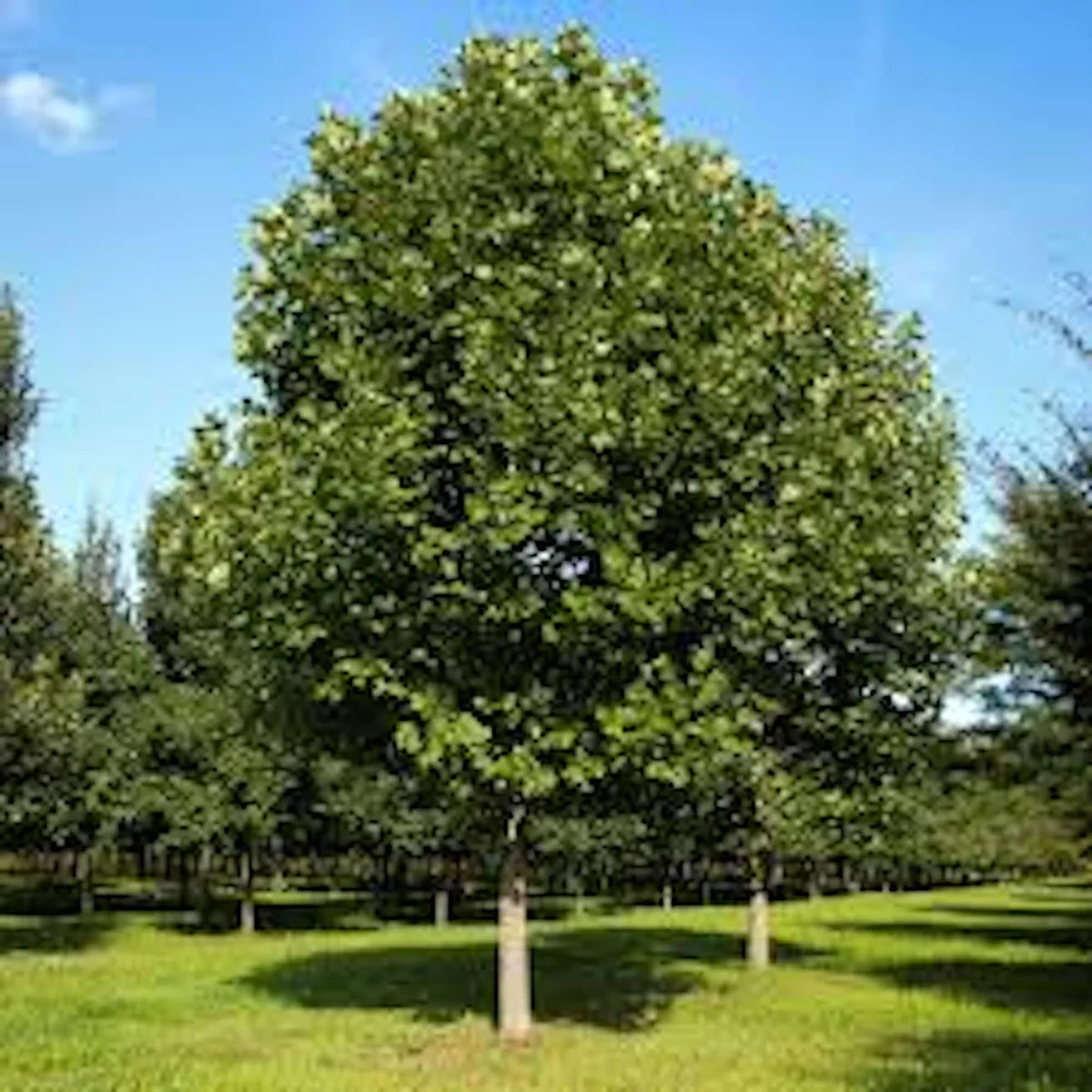
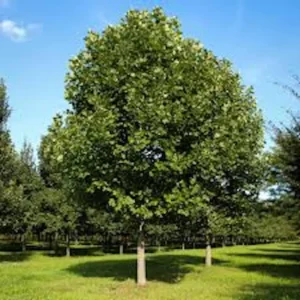
Transform your outdoor space with a bundle of 10 Tulip Poplar Tree bare root plants. These magnificent specimens, scientifically known as Liriodendron tulipifera, arrive at a robust 12-24 inches, ready to establish themselves in your garden. The tulip poplar tree is celebrated for its remarkably fast growth rate, making it an excellent choice for those looking to quickly establish a mature landscape. Despite its common name, it is not a true poplar but a proud member of the magnolia family, boasting unique, tulip-shaped leaves that transition to a brilliant golden-yellow in the fall. Native to eastern North America, this deciduous tree can reach impressive heights of over 100 feet, providing substantial shade and a majestic presence. Our tulip poplar bare root plants offer a cost-effective and efficient way to introduce this iconic native species to your property.
Key Benefits
The tulip poplar tree offers a multitude of advantages for any landscape, blending aesthetic appeal with ecological benefits. Planting these bare root trees will enhance your property in numerous ways:
- Rapid Growth & Shade: One of the primary benefits of the tulip poplar tree is its exceptional growth rate, quickly providing ample shade and reducing energy costs in warmer months. These are truly fast growing trees that deliver results.
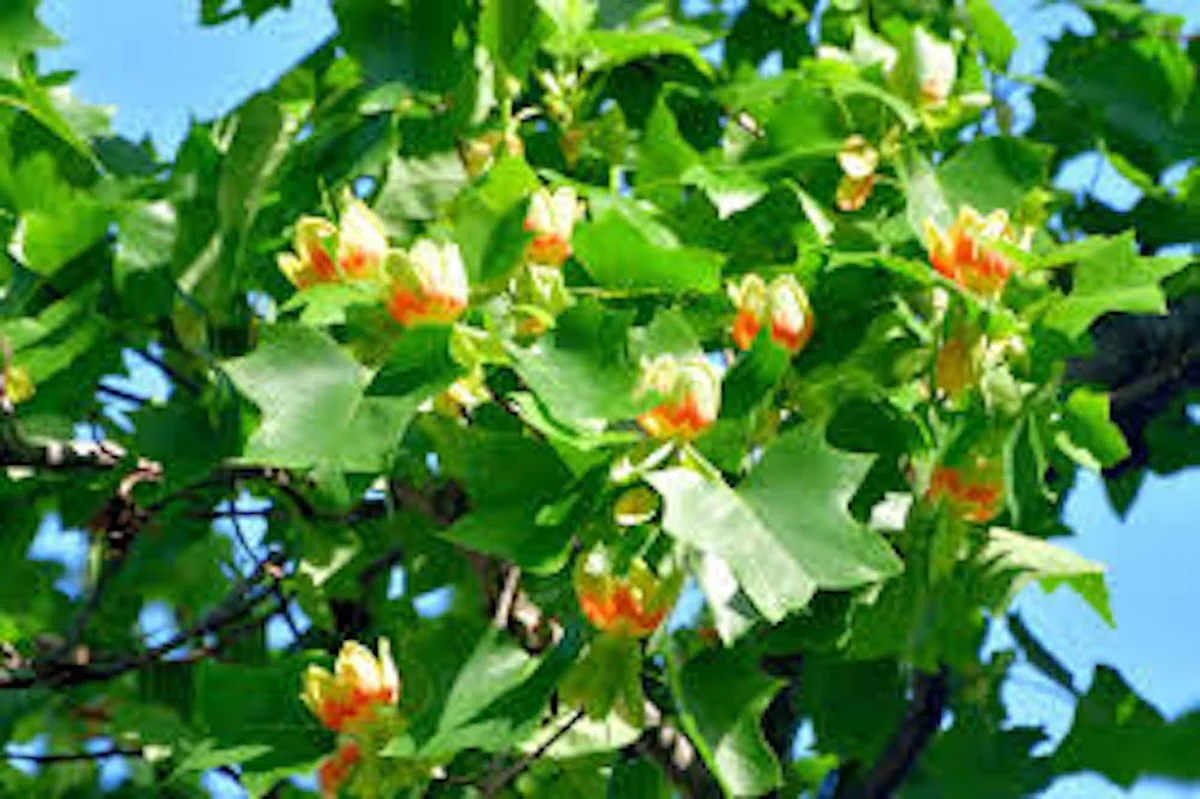
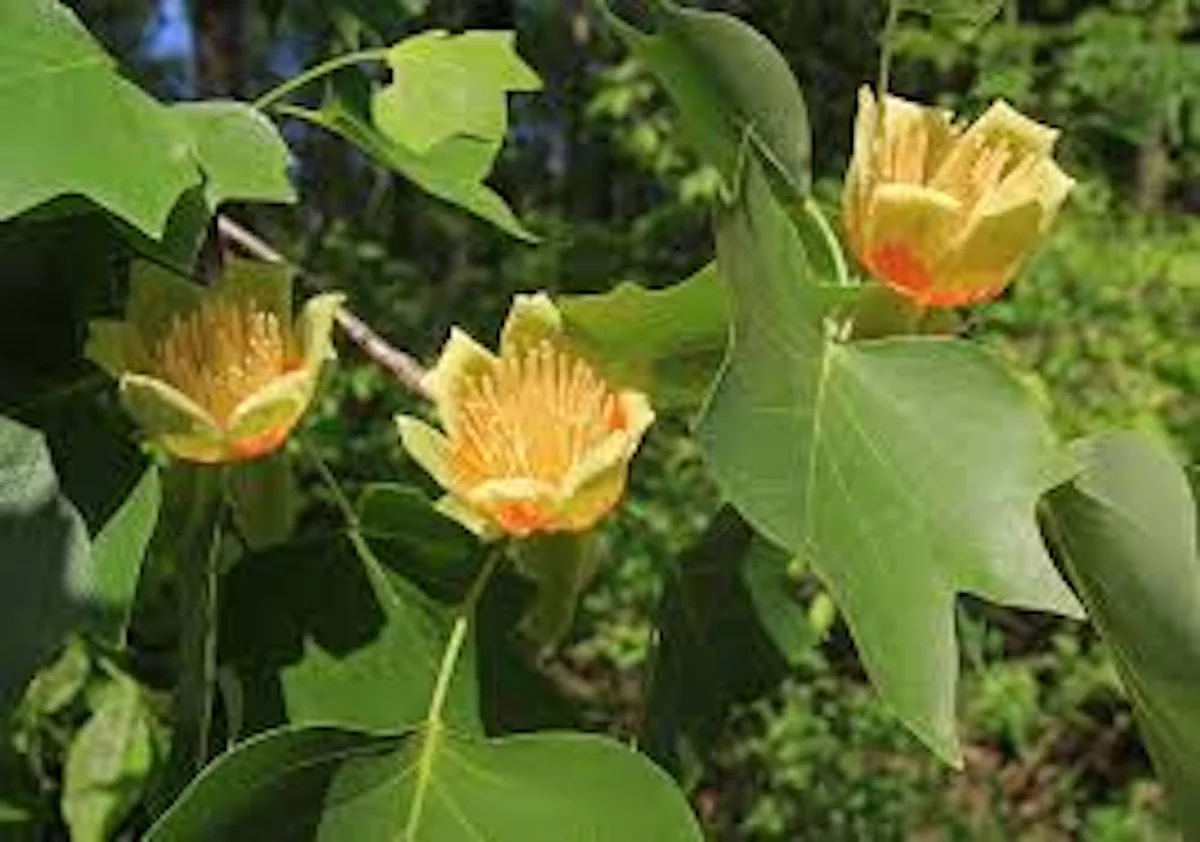
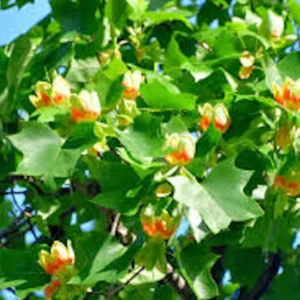
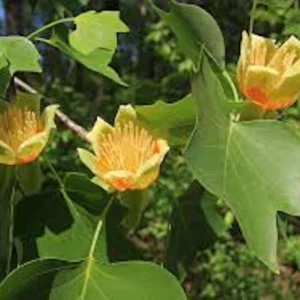
- Distinctive Foliage & Flowers: Enjoy the unique, four-lobed leaves resembling tulips, which turn a vibrant yellow in autumn. Mature trees also produce beautiful, tulip-like greenish-yellow flowers with orange bands.
- Wildlife Attraction: The flowers are a significant nectar source for pollinators, especially hummingbirds and bees, contributing to local biodiversity.
- Erosion Control: Their extensive root systems help stabilize soil, making them suitable for sloped areas and contributing to erosion prevention.
- Low Maintenance: Once established, the liriodendron tulipifera is relatively low-maintenance, requiring minimal intervention to thrive.
- Versatile Landscaping: Ideal as specimen trees, for creating natural screens, or as part of a mixed woodland planting, offering great flexibility in landscape design.
- Hardiness: These trees are well-suited for a wide range of climates, thriving in USDA Hardiness Zones 4 through 9, ensuring resilience in various environmental conditions.
Plant Care & Growing Tips
Caring for your tulip poplar bare root plants is straightforward, ensuring they grow into magnificent, healthy trees. For optimal growth, these trees prefer a location with full sun exposure, meaning at least six hours of direct sunlight per day. While they are adaptable, a sunny spot will encourage the best development and flowering. When it comes to soil, tulip poplar tree tolerates a variety of well-drained conditions, including acidic, loamy, or clay soils. Good drainage is crucial to prevent root rot, so avoid areas where water tends to collect. After planting, regular watering is essential during the first year to help the bare roots establish. Keep the soil consistently moist but not waterlogged. Once established, they are quite drought-tolerant, but supplemental watering during prolonged dry spells will be beneficial. Fertilization is generally not necessary in rich soils, but if your soil is poor, a balanced, slow-release fertilizer can be applied in early spring. Monitor for common pests like aphids or scale, and treat with horticultural oil if necessary. With proper care, your liriodendron tulipifera will flourish, rewarding you with its beauty and shade for decades.
Size & Details
This offering includes 10 Tulip Poplar Tree bare root plants, each meticulously selected and measuring between 12-24 inches in height. These bare root specimens are dormant, allowing for easy handling and planting, and are primed for vigorous growth once established in your garden. The tulip poplar tree is known for its rapid development, often growing several feet per year under ideal conditions. When mature, these fast growing trees can reach impressive heights of over 100 feet with a spread of 40-50 feet, creating a substantial canopy. They typically begin to produce their distinctive tulip-shaped flowers after 10-15 years, adding another layer of beauty to their already striking presence. Planting these bare root trees in late winter or early spring is ideal, allowing them to establish their root systems before the heat of summer.
Frequently Asked Questions
- Q: How big do these tulip poplar bare root trees get? A: These bare root plants are 12-24 inches upon arrival. Once established, the tulip poplar tree is known for its rapid growth and can reach mature heights of over 100 feet, with a spread of 40-50 feet, making them impressive shade trees for sale.
- Q: Is this an indoor or outdoor plant? A: The liriodendron tulipifera is an outdoor tree, ideal for landscaping and growing in open spaces where it has room to reach its full potential. It is not suitable for indoor cultivation.
- Q: How much sunlight does a tulip poplar tree need? A: Tulip poplars thrive in full sun, requiring at least 6 hours of direct sunlight per day to ensure the best growth, health, and flowering.
- Q: Is this plant easy to care for? A: Yes, once established, the tulip poplar tree is relatively low-maintenance. The most critical care involves consistent watering during the initial establishment period for the tulip poplar bare root.
- Q: What condition will the bare root plants arrive in? A: Your tulip poplar bare root plants will arrive dormant, carefully packaged to ensure their vitality. They will have no soil around their roots, which is typical for bare root stock, making them ready for immediate planting upon arrival.
- Q: How long until the tulip poplar tree blooms? A: While the tree will grow rapidly, it typically takes about 10-15 years for a liriodendron tulipifera to mature enough to begin producing its characteristic tulip-shaped flowers.
- Q: What is the best time to plant these fast growing trees? A: The ideal time to plant bare root tulip poplars is in late winter or early spring, before the tree breaks dormancy and begins to leaf out, allowing ample time for root establishment.
- Q: Will the tulip poplar tree survive winter in my zone? A: Yes, the tulip poplar tree is highly adaptable and hardy, thriving in USDA Hardiness Zones 4 through 9, making it suitable for a wide range of temperate climates.
- Q: What kind of soil does the tulip poplar bare root prefer? A: Tulip poplars prefer well-drained soil and are adaptable to various types, including acidic, loamy, or clay soils. Good drainage is key for healthy root development for the tulip poplar tree.


Reviews
There are no reviews yet.