Overview
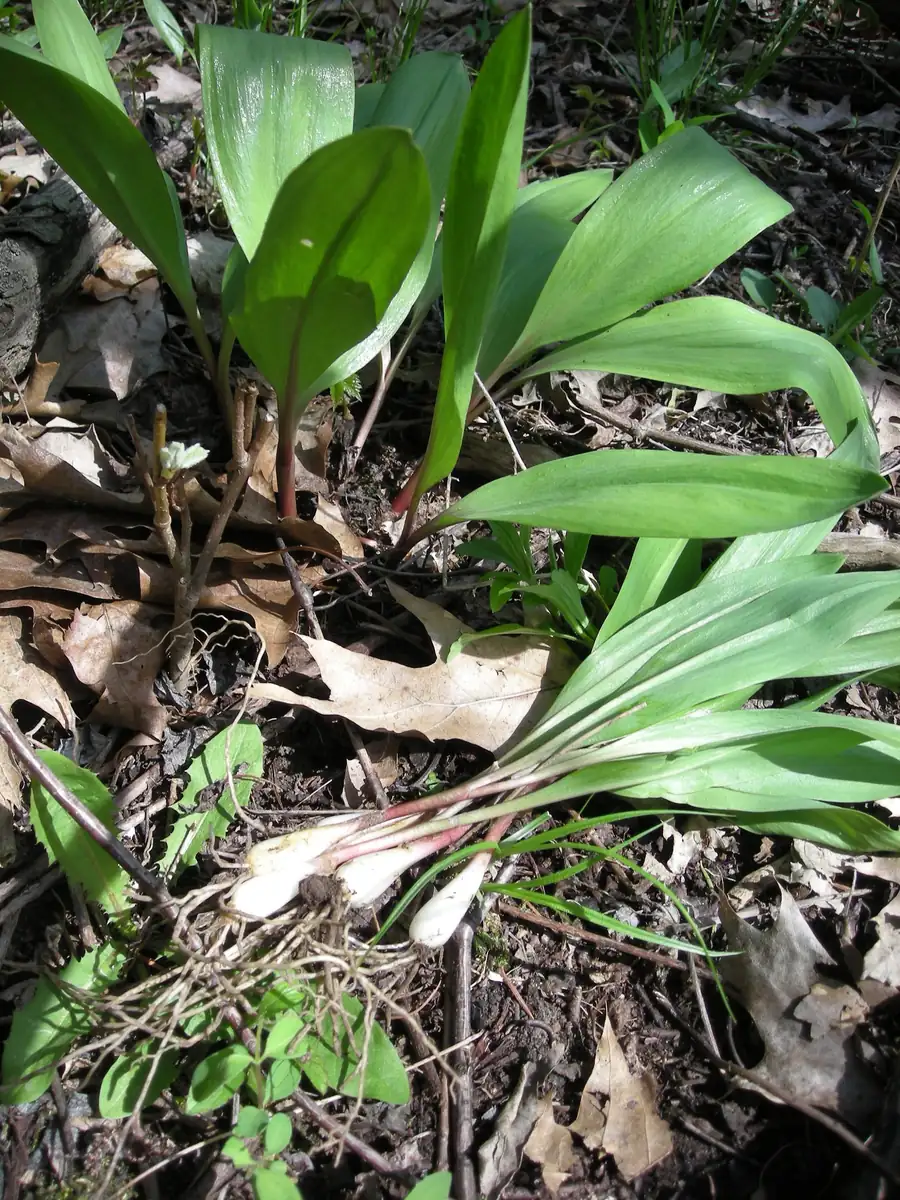
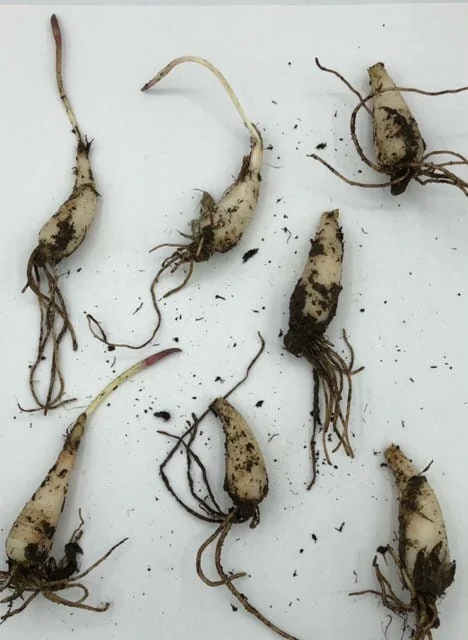
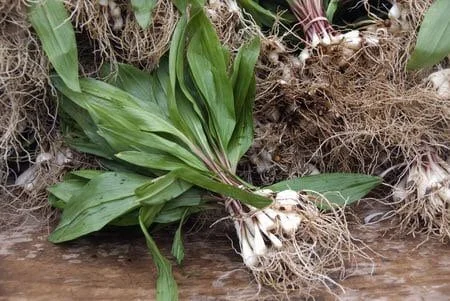
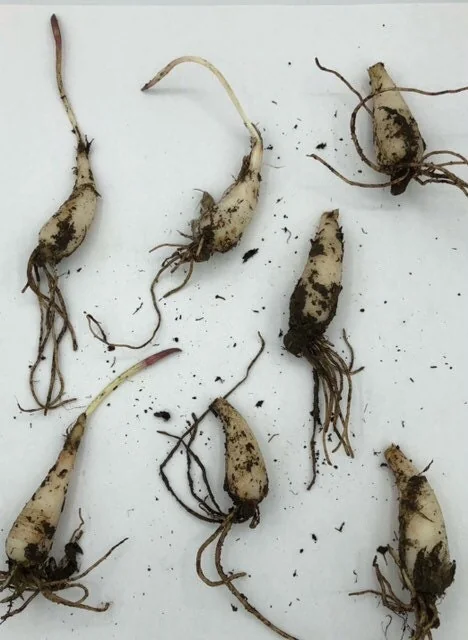
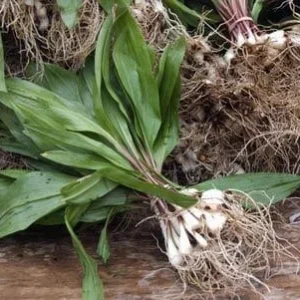
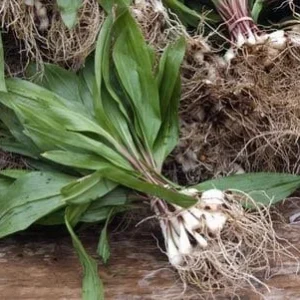
Discover the unique flavor and culinary versatility of wild ramps bulbs, also known as wild leeks for planting or Allium tricoccum. This offering includes 10 premium quality bare root ramp bulbs, perfect for establishing your own patch of this prized edible perennial. Often found foraging in temperate forests, wild ramps are celebrated for their distinctive garlicky-onion flavor, making them a gourmet addition to spring dishes. These organically grown bulbs are harvested with care, ensuring they arrive in optimal condition, ready to thrive in your garden. Planting these wild ramps bulbs allows you to enjoy fresh, flavorful ramps year after year.
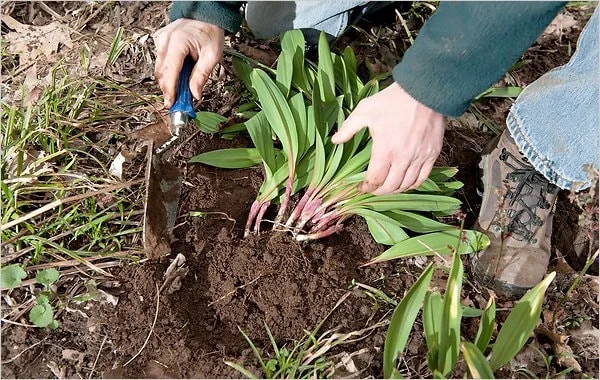
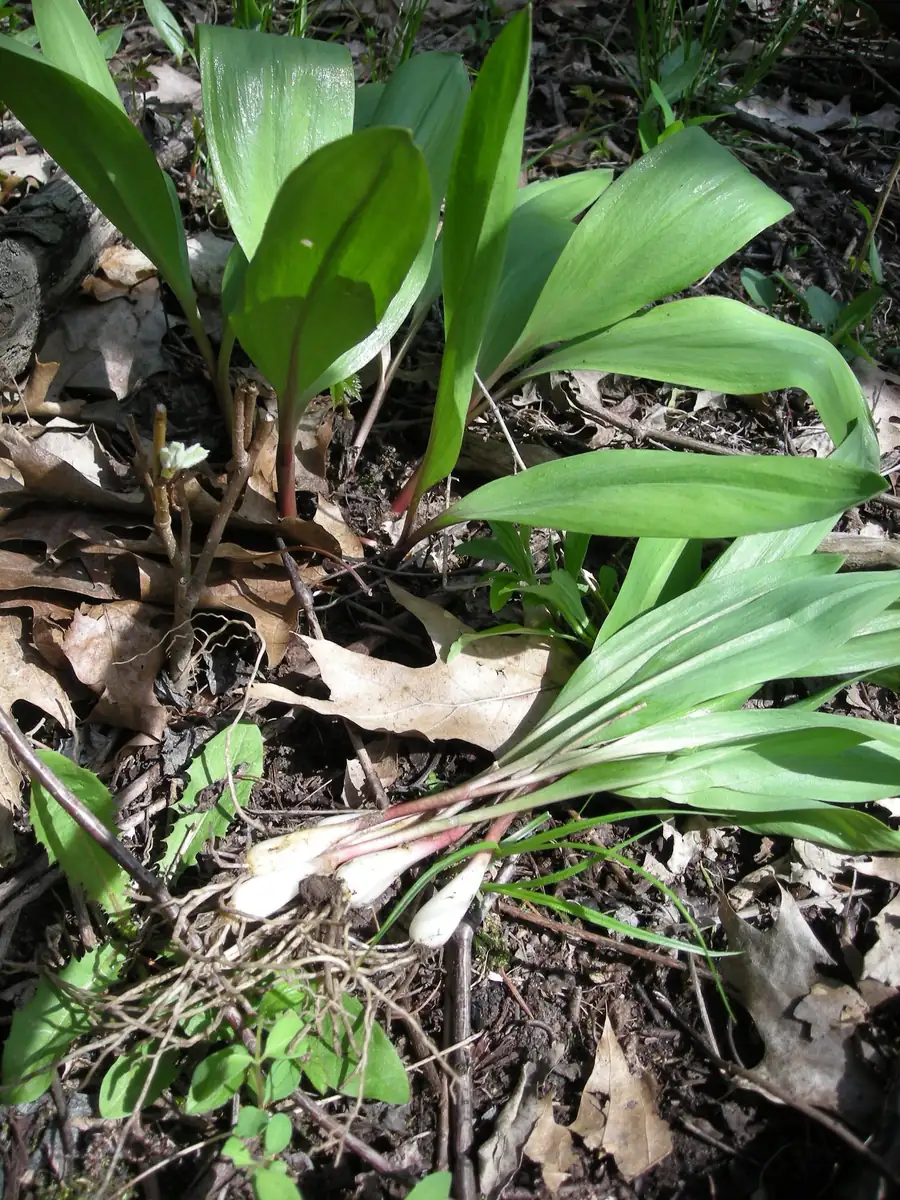
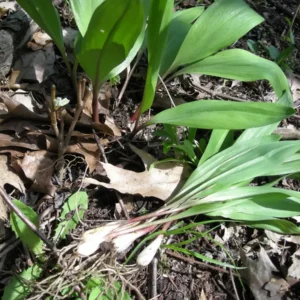
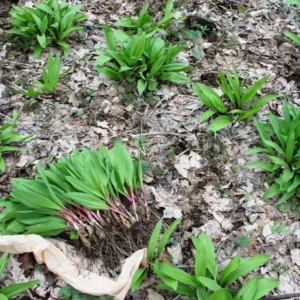
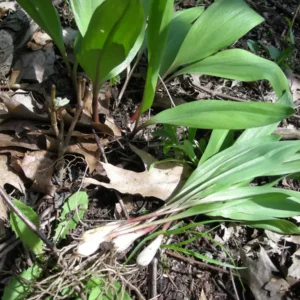
Allium tricoccum is a native North American plant that emerges in early spring, offering tender leaves and flavorful bulbs. They prefer shaded, moist environments, mimicking their natural woodland habitat. Growing your own bare root ramps is a rewarding experience, providing a sustainable source of this seasonal delicacy. Each order includes planting instructions to guide you in creating the ideal growing conditions for your new plants. Embrace the joy of gardening and culinary exploration with these exceptional organic ramp bulbs.
Key Benefits
Growing your own wild ramps bulbs offers a multitude of benefits, from culinary delight to ecological contribution. These unique plants are a fantastic addition to any garden, especially those with shaded areas.
- Gourmet Culinary Delicacy: Enjoy the distinct, pungent flavor of wild ramps, a highly sought-after ingredient in gourmet cuisine. Use the leaves and bulbs in stir-fries, omelets, pestos, and more. Having your own patch of bare root ramps ensures a fresh supply each spring.
- Organically Grown Quality: These bulbs are cultivated using organic practices, free from synthetic pesticides or fertilizers, ensuring a natural and healthy product for your garden and table.
- Sustainable Foraging Alternative: By growing your own Allium tricoccum, you contribute to the conservation of wild populations, reducing pressure from over-foraging.
- Easy to Establish: Bare root bulbs are simple to plant and readily establish themselves in suitable woodland-like conditions, offering a low-maintenance edible perennial.
- Early Spring Harvest: Ramps are one of the first edible plants to emerge in spring, providing fresh greens and bulbs when other garden plants are just beginning to grow.
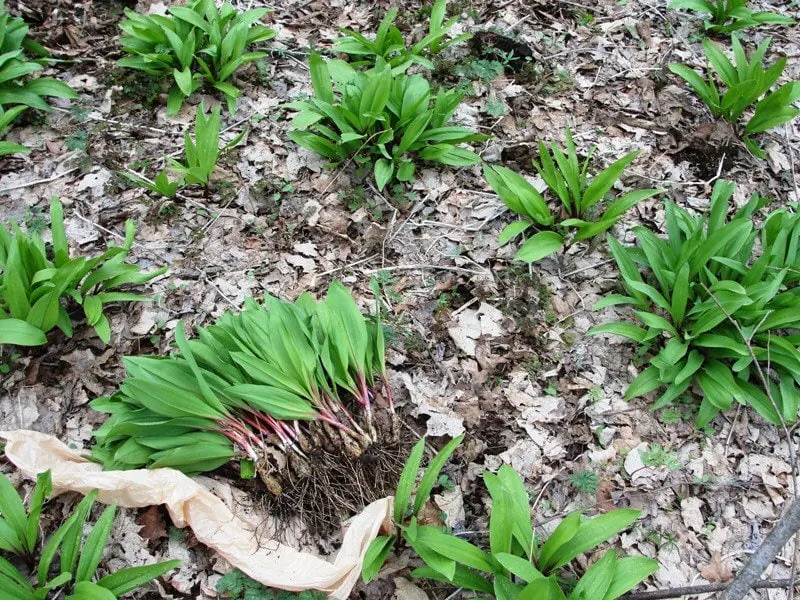
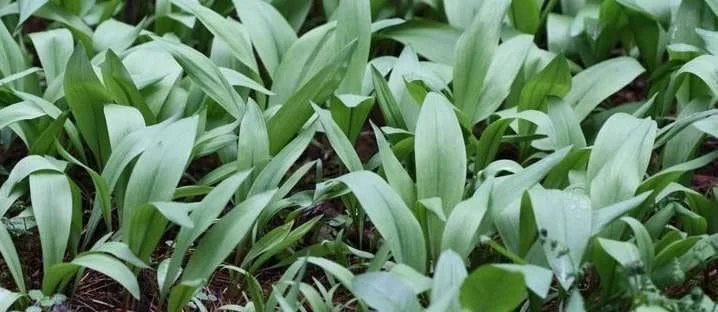
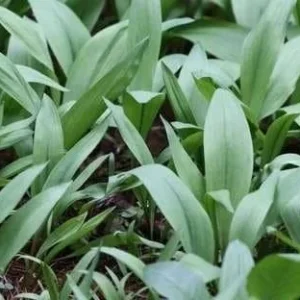
- Attractive Groundcover: Beyond their culinary value, the broad green leaves of wild ramps create an attractive, lush groundcover in shaded garden areas before trees leaf out fully.
- Perennial Growth: Once established, your patch of wild ramps bulbs will return year after year, expanding over time and providing a continuous harvest.
Plant Care & Growing Tips
Caring for your wild ramps bulbs is relatively straightforward, especially when mimicking their natural woodland environment. These plants thrive in specific conditions that promote healthy growth and a bountiful harvest. Understanding their needs will ensure your bare root ramps flourish.
Sunlight Requirements: Allium tricoccum prefers partial to full shade. In their natural habitat, they emerge and grow vigorously before deciduous trees fully leaf out, allowing them to capture early spring sunlight. Once the canopy closes, they prefer dappled light or full shade. Avoid planting in direct, hot afternoon sun, which can scorch their leaves. A north-facing slope or under mature deciduous trees is ideal for establishing your wild leeks for planting.
Watering Schedule and Soil Moisture: Ramps require consistently moist, but not waterlogged, soil. Regular watering may be necessary, especially during dry spells in spring and early summer when the plants are actively growing. The soil should never be allowed to dry out completely. After the foliage dies back in mid-summer, the bulbs enter dormancy and require less water, though the soil should still retain some moisture. Good drainage is crucial to prevent bulb rot.
Soil Type and Drainage: The best soil for wild ramps bulbs is rich, well-draining, and high in organic matter, mimicking the forest floor. A loamy soil with a slightly acidic to neutral pH (6.0-7.0) is ideal. Amending your planting area with compost, leaf mold, or other organic materials will significantly improve soil structure, fertility, and moisture retention. Proper drainage is essential to prevent the bulbs from sitting in standing water, which can lead to disease.
Temperature Range and USDA Hardiness Zone: Wild ramps are hardy perennials, thriving in USDA Zones 3-8. They are accustomed to cold winters and hot summers, as long as they have sufficient shade and moisture. They require a cold dormancy period to ensure robust growth the following spring. Protect young plants from extreme temperature fluctuations.
Fertilization Schedule and Type: Ramps are not heavy feeders. If planted in rich, organic soil, they may not require additional fertilization. However, a light application of a balanced, organic slow-release fertilizer or a top-dressing of compost in early spring can boost growth. Avoid over-fertilizing, as this can harm the delicate root system of your organic ramp bulbs.
Common Problems and Solutions: Ramps are generally pest and disease resistant. The most common issue is improper growing conditions, such as too much sun or poorly draining soil, which can lead to stunted growth or bulb rot. Ensure adequate shade, consistent moisture, and good drainage to prevent these problems. Slugs and snails may occasionally feed on leaves; organic slug baits or hand-picking can manage these pests.
Size & Details
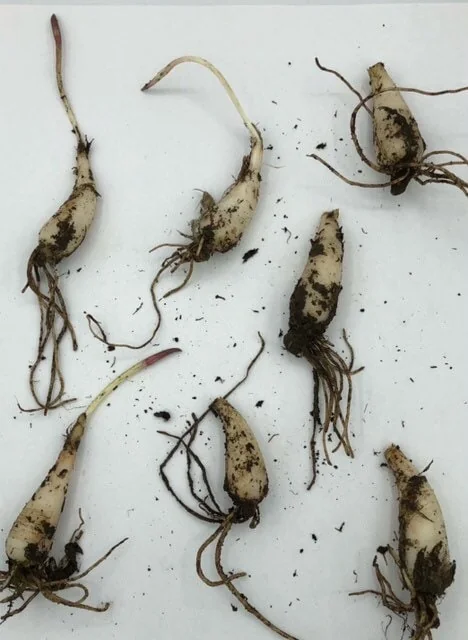
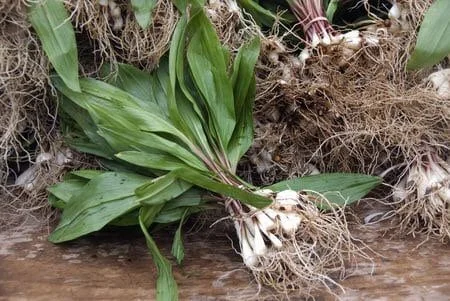
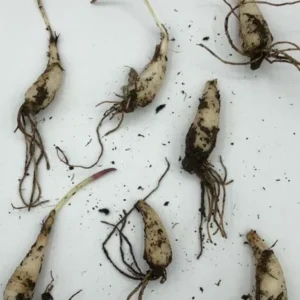
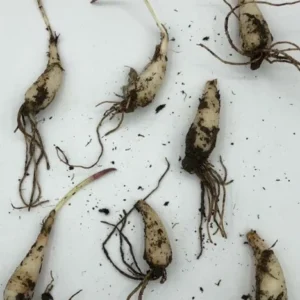
This offering includes 10 wild ramps bulbs, provided as bare roots without foliage. Each bulb is carefully selected for health and viability, ensuring a strong start for your ramp patch. These bare root ramps are typically small, onion-like bulbs, ready to be planted directly into your garden. When mature, Allium tricoccum plants typically grow to about 6-12 inches tall with broad, elliptical leaves that emerge in early spring.
The bulbs are mature enough to produce foliage in their first growing season, with establishment taking a few years before a substantial harvest can be made. Ramps are slow-growing and can take several years to form dense colonies. They are best suited for naturalized areas or woodland gardens where they can spread gradually. Expect these wild leeks for planting to begin producing their characteristic leaves in the spring following their fall or early spring planting.
Frequently Asked Questions
- Q: How big do these wild ramps bulbs get? A: The bulbs themselves are small, typically 1/2 to 1 inch in diameter. Once planted, the foliage of wild ramps bulbs will grow to about 6-12 inches tall, forming a lush groundcover in spring.
- Q: Is this an indoor or outdoor plant? A: Wild ramps are outdoor plants. They require a cold dormancy period and specific woodland-like conditions to thrive, making them unsuitable for indoor cultivation. They are best grown in shaded garden beds.
- Q: How much sunlight does it need? A: Allium tricoccum prefers partial to full shade, especially after deciduous trees leaf out. They benefit from early spring sun before the tree canopy becomes dense. Avoid direct, hot afternoon sun.
- Q: Is this plant easy to care for? A: Once established in the correct environment with proper soil and moisture, bare root ramps are relatively low-maintenance. The key is to replicate their natural woodland habitat.
- Q: What condition will the bulbs arrive in? A: You will receive 10 bare root ramp bulbs, which means they will have no foliage. They are harvested fresh and shipped to ensure they arrive in good, viable condition, ready for planting.
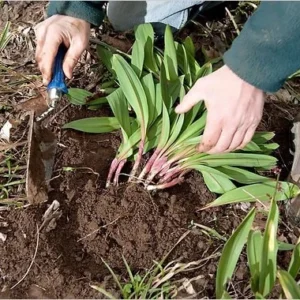
- Q: When is the best time to plant wild ramps bulbs? A: The ideal time to plant wild ramps bulbs is in the fall or very early spring, before the last frost. This allows them to establish roots before the growing season or experience the necessary cold dormancy.
- Q: Will it survive winter in my zone? A: Yes, organic ramp bulbs are hardy perennials and are well-suited for USDA Zones 3-8, meaning they are accustomed to cold winters and will return each spring.
- Q: How long until I can harvest from my wild ramps bulbs? A: While you may see some foliage in the first year, it’s best to allow 2-3 years for the patch to establish and grow before beginning a light harvest. Sustainable harvesting helps ensure your patch continues to thrive.
- Q: Can I use these wild leeks for planting in my kitchen? A: Absolutely! Once your wild leeks for planting patch is established and mature enough for harvesting, both the leaves and bulbs are highly prized for their unique garlic-onion flavor in various culinary dishes.
- Q: What kind of soil is best for Allium tricoccum? A: Allium tricoccum thrives in rich, well-draining soil that is high in organic matter, such as compost or leaf mold, mimicking a forest floor environment.


Reviews
There are no reviews yet.