Overview
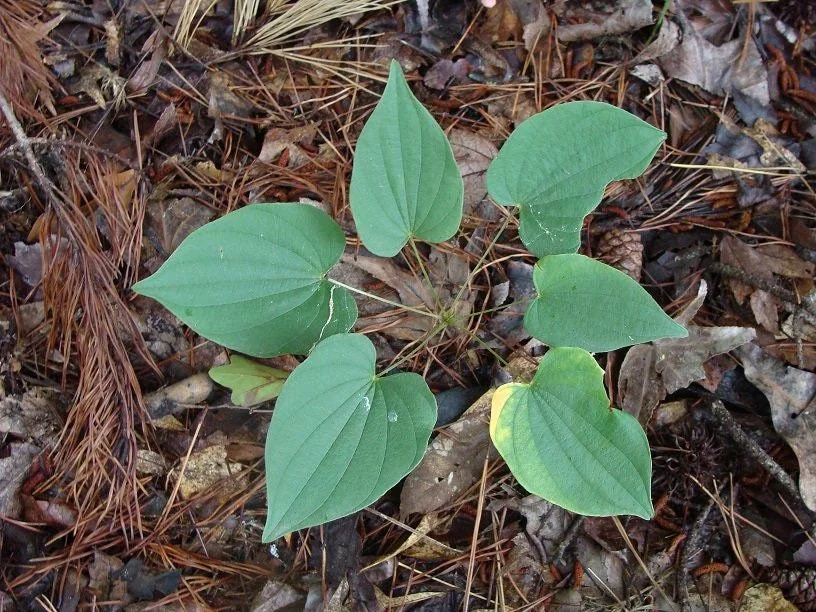
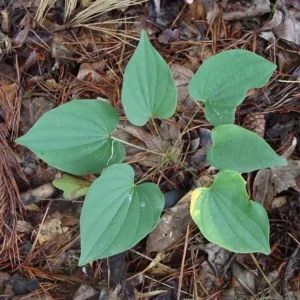
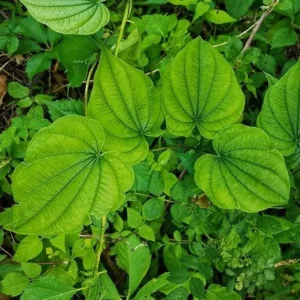
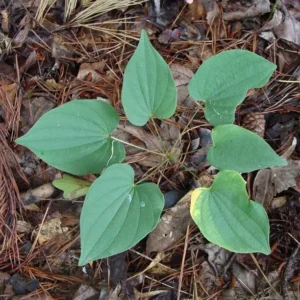
Introduce a touch of native wilderness to your garden with this offering of 10 Wild Yam Plants. You will receive high-quality wild yam bare roots, scientifically known as Dioscorea Villosa bare roots, ready for planting. These perennial vines are celebrated for their vigorous growth and lush foliage, making them an excellent choice for naturalizing shaded areas or providing ground cover. Wild Yam is a fascinating plant with a rich history, often recognized for its distinctive heart-shaped leaves and climbing habit. This native wildflower plays a role in local ecosystems and can add unique aesthetic value to your landscape. Our bare roots are carefully harvested to ensure viability upon arrival, providing you with the best start for cultivating these remarkable plants.
The Wild Yam, or Dioscorea Villosa plant, is a deciduous perennial that thrives in woodland settings. As a true native perennial vine, it adapts well to various soil conditions, though it prefers consistent moisture and partial shade. Its twining stems can reach impressive lengths, creating an enchanting display as they climb trellises, fences, or even other plants. Beyond its ornamental appeal, the Wild Yam has a storied past in traditional practices, making it a plant of both beauty and historical interest. Cultivating these bare roots allows you to connect with nature and enjoy the unique characteristics of this robust native species in your own garden.
Key Benefits
Adding wild yam bare roots to your garden provides numerous advantages, from ecological contributions to aesthetic appeal. This versatile plant offers more than just beauty:
- Ecological Value: As a native perennial vine, Wild Yam supports local biodiversity by providing habitat and food sources for various wildlife. Its presence helps maintain the natural balance of your garden ecosystem, attracting beneficial insects and adding to the overall health of your green space.
- Shade Tolerance: Unlike many plants that require full sun, Wild Yam thrives in partial to full shade, making it an ideal choice for filling in under trees or in other dimly lit areas where other plants struggle to grow. This allows you to create vibrant green spaces in challenging garden spots.
- Low Maintenance: Once established, the Dioscorea Villosa plant is remarkably resilient and requires minimal care. It is drought-tolerant once mature and generally resistant to pests and diseases, allowing you more time to enjoy your garden rather than tending to demanding plants.
- Vigorous Growth: Wild Yam is known for its robust and fast-growing nature. Its twining vines can quickly cover trellises, arbors, or ground, providing lush green cover and creating an attractive, natural screen or backdrop in your garden.
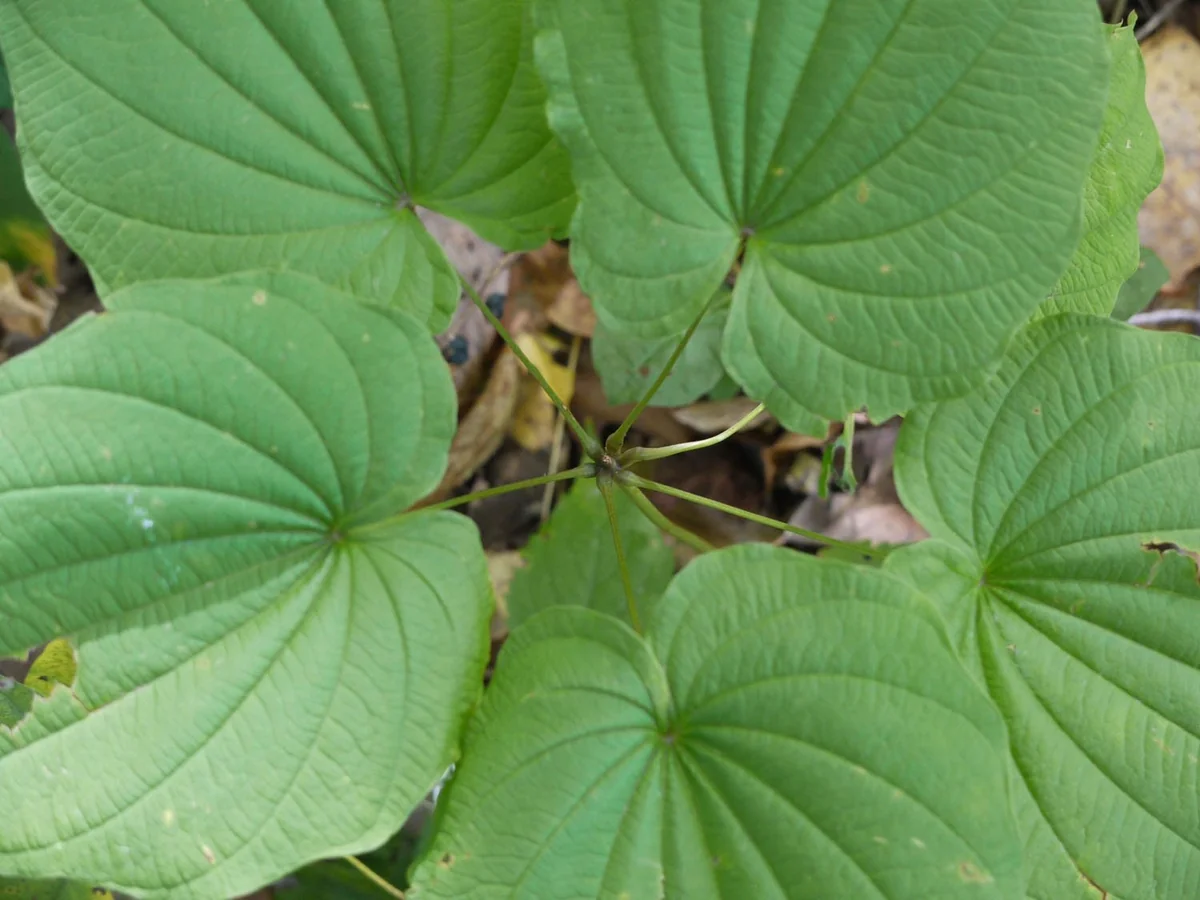
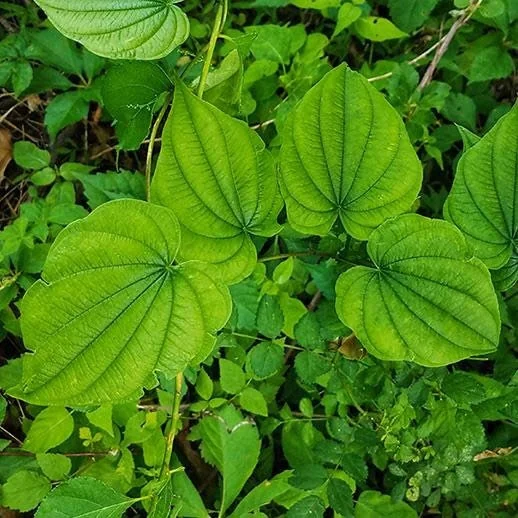
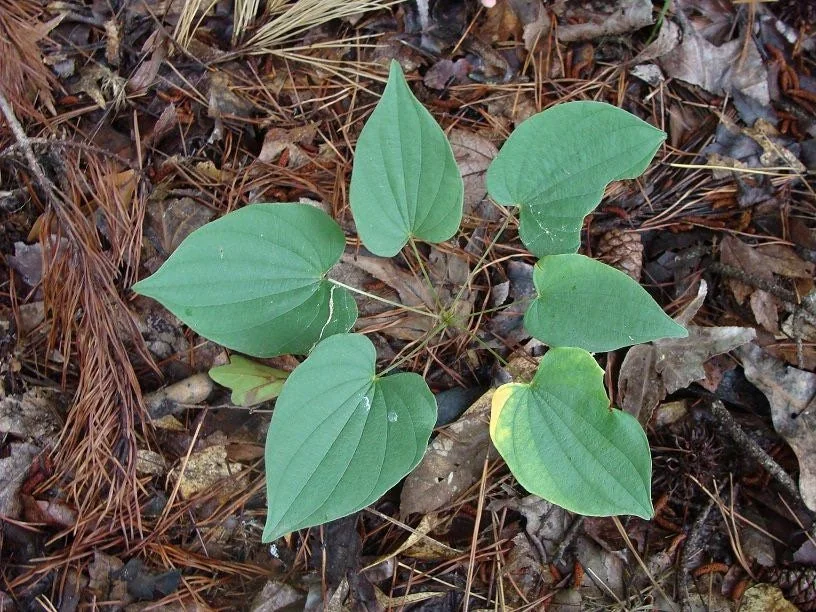
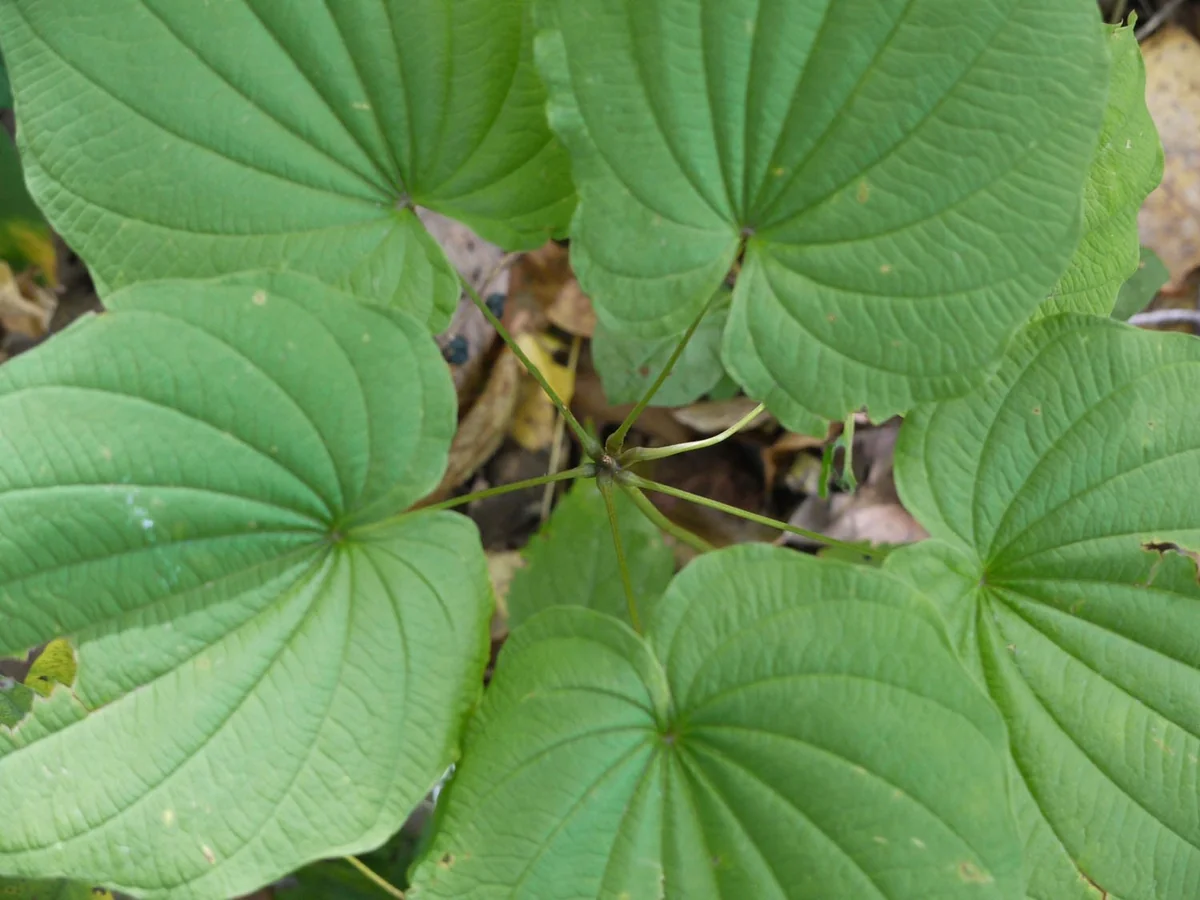
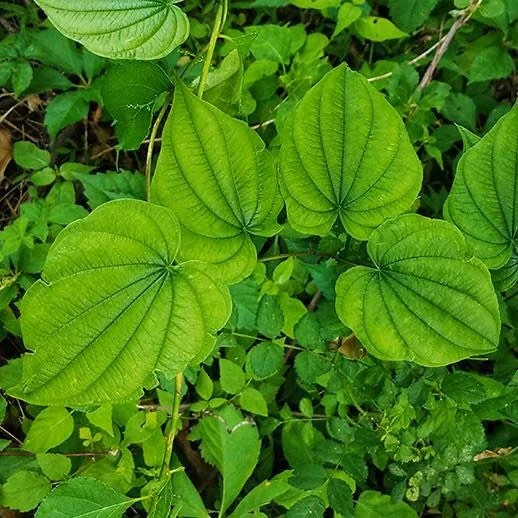
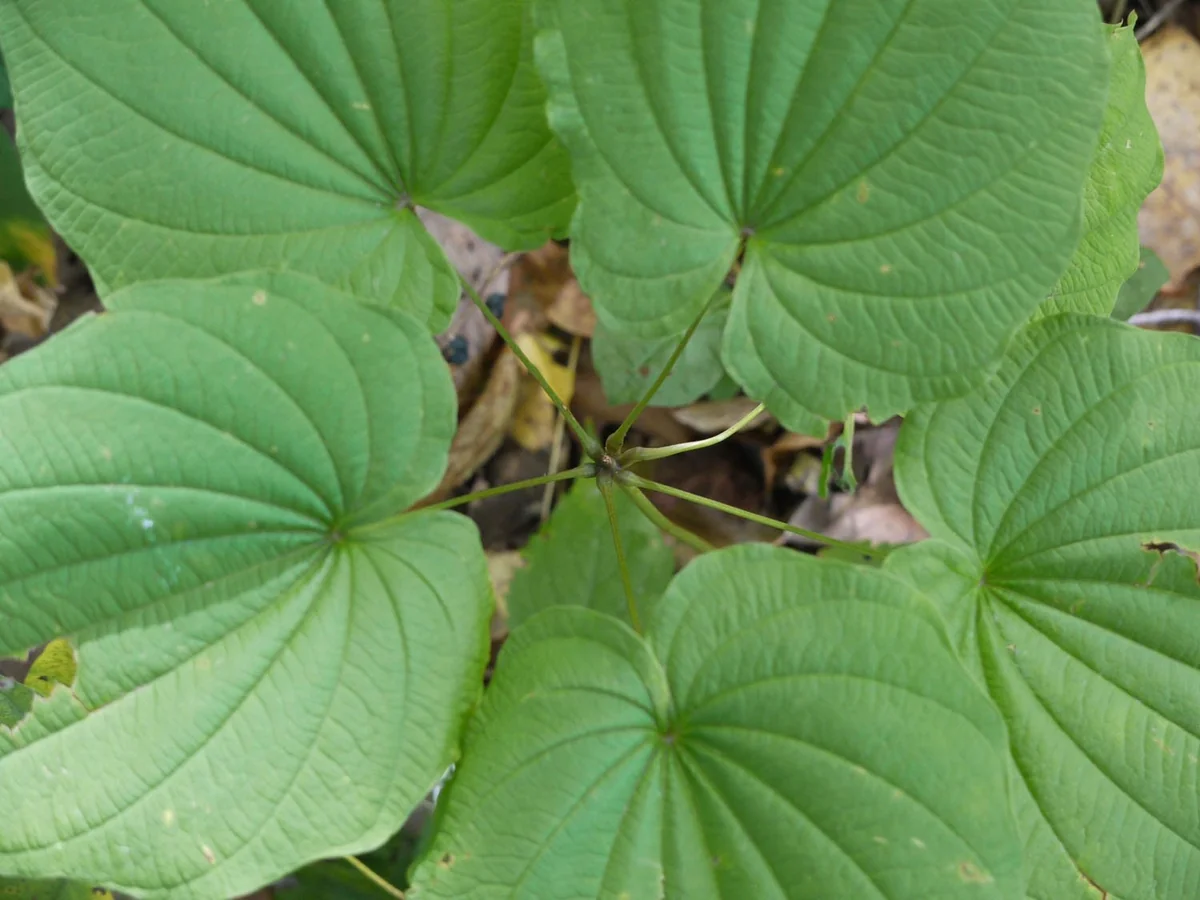
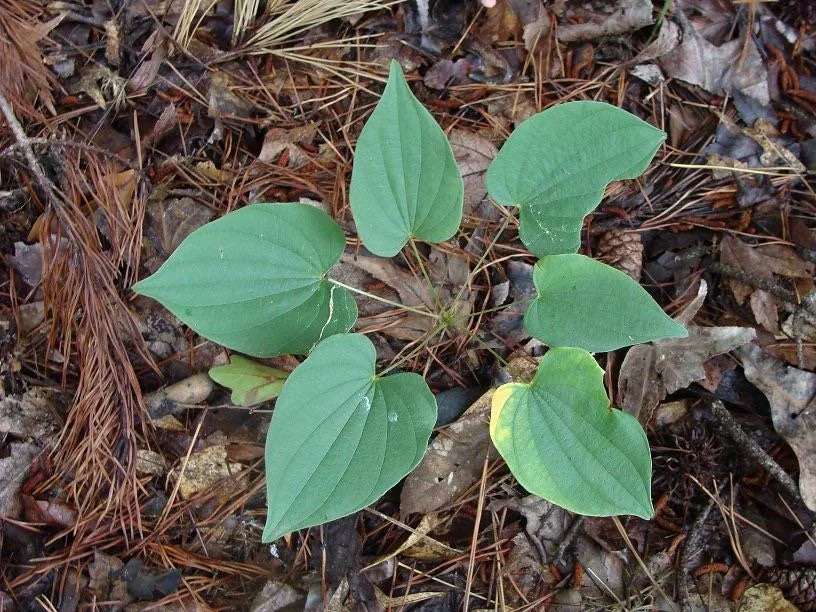
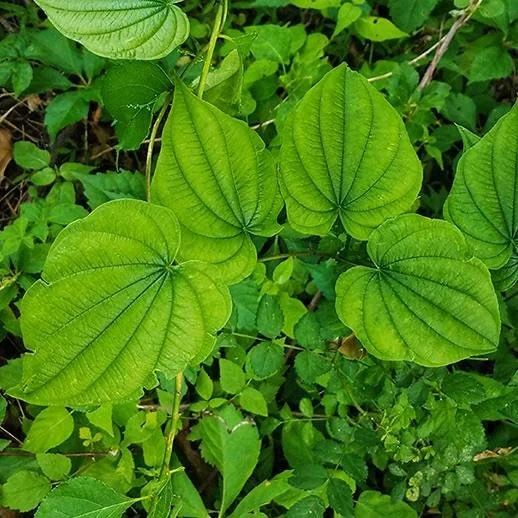
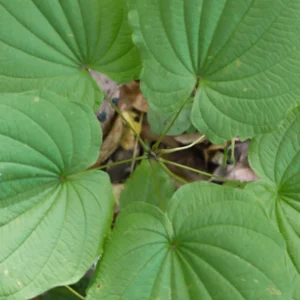
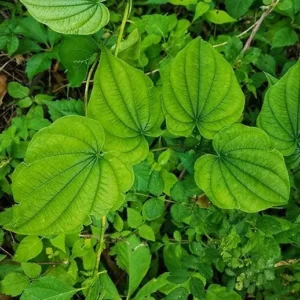
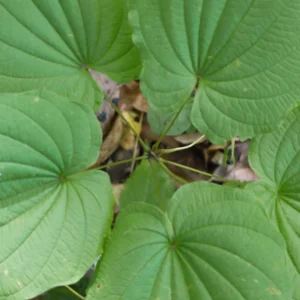
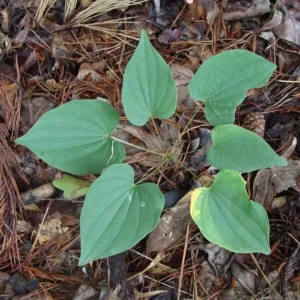
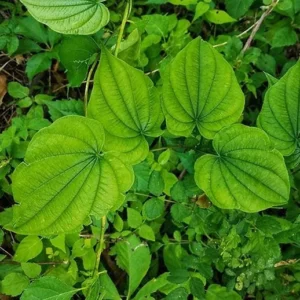
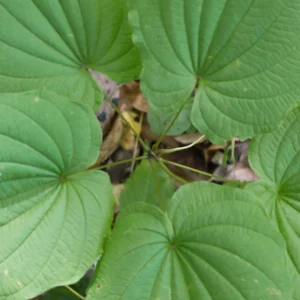
- Unique Foliage: The heart-shaped leaves of the Dioscorea Villosa plant are a distinctive feature, adding textural interest and a touch of elegance to any planting scheme. The foliage remains attractive throughout the growing season, contributing to continuous garden beauty.
- Historical & Traditional Significance: For those interested in ethnobotany, the medicinal herb garden aspect of Wild Yam adds another layer of intrigue. Historically, its roots have been used in various traditional practices, making it a plant with cultural depth.
- Erosion Control: Due to its extensive root system and vigorous growth, Wild Yam can be effective in stabilizing soil on slopes or in areas prone to erosion, offering a natural and attractive solution for landscape challenges.
Plant Care & Growing Tips
Successful growing wild yam from bare roots requires attention to a few key environmental factors. Upon receiving your wild yam bare roots, it’s best to plant them as soon as possible. Choose a location that receives partial to full shade, mimicking its natural woodland habitat. While it can tolerate some morning sun, intense afternoon sun can scorch its leaves. Dig a hole wide enough to comfortably spread out the roots and deep enough so that the crown (where the stem meets the root) is just below the soil surface. Space multiple plants about 12-18 inches apart to allow for their spreading growth habit.
The Dioscorea Villosa plant prefers consistently moist, well-draining soil rich in organic matter. Amend heavy clay soils with compost or peat moss to improve drainage and aeration. Ensure the soil pH is slightly acidic to neutral (6.0-7.0). Water thoroughly after planting and maintain consistent moisture, especially during the first growing season. Once established, Wild Yam is relatively drought-tolerant but will benefit from supplemental watering during prolonged dry spells. These plants are hardy in USDA zones 4-9, demonstrating good cold tolerance. In colder regions, a layer of mulch over winter can provide additional protection to the root system.
Fertilization is generally not heavily required for this native perennial vine, especially if planted in rich, organic soil. However, a light application of a balanced, slow-release granular fertilizer in early spring can promote vigorous growth. Watch for common garden pests, though Wild Yam is generally robust. Ensure good air circulation to prevent fungal issues, particularly in humid environments. Support structures like trellises or fences can be provided if you wish for the vines to climb, or allow them to ramble naturally as ground cover. Proper care will ensure your medicinal herb garden addition flourishes for years to come.
Size & Details
This offering includes 10 Wild Yam Plants provided as healthy bare roots, ready for immediate planting. Each bare root is carefully selected to ensure vigorous growth and establishment in your garden. The Dioscorea Villosa plant is a perennial vine that, once mature, can reach lengths of 10 to 15 feet or more, depending on growing conditions and available support. As a bare root, the initial size will be a root section without foliage or a pot, optimized for successful transplanting. Expect to see initial growth within a few weeks of planting, with the vine rapidly expanding throughout its first growing season.
Wild Yam typically grows at a medium to fast rate, providing substantial coverage once established. The heart-shaped leaves can vary in size, generally ranging from 2 to 6 inches across. While primarily grown for its foliage and ecological benefits, small greenish-yellow flowers may appear in late spring to early summer, followed by small seed pods. These plants are long-lived, offering many years of beauty and interest in your garden. Planting instructions will be included with your order to guide you through the initial steps for successful establishment of your wild yam bare roots.
Frequently Asked Questions
- Q: How big will the 10 Wild Yam Plants get once mature? A: Once established, each Dioscorea Villosa plant can grow into a vigorous vine, typically reaching lengths of 10 to 15 feet or more. Its spread will depend on whether it’s allowed to climb or sprawl as ground cover.
- Q: Is this an indoor or outdoor plant? A: Wild Yam (Dioscorea Villosa bare roots) is primarily an outdoor plant, thriving in garden settings with partial to full shade. It is a hardy native perennial vine suited for temperate climates.
- Q: How much sunlight does a Wild Yam Plant need? A: Wild Yam prefers partial to full shade. It can tolerate some morning sun but should be protected from intense afternoon sun, which can scorch its leaves.
- Q: What condition will the 10 Wild Yam Plants arrive in? A: You will receive 10 Wild Yam Plants as healthy bare roots, meaning they will be dormant root sections without foliage or soil, packaged to maintain viability for planting.
- Q: When is the best time to plant these bare roots? A: The best time for growing wild yam from bare roots is typically in early spring, after the last frost, or in the fall before the ground freezes, allowing the roots to establish before extreme temperatures.
- Q: Is this plant easy to care for? A: Yes, once established, the Dioscorea Villosa plant is considered low-maintenance. It is quite resilient and generally pest and disease resistant, making it a good choice for various gardeners.
- Q: Will the Wild Yam Plant survive winter in my zone? A: Wild Yam is hardy in USDA Zones 4-9, meaning it can tolerate cold winters and return year after year in these regions. A layer of mulch can provide extra protection in colder zones.
- Q: Can I use this plant for a medicinal herb garden? A: While Wild Yam has a history of traditional use, any use for medicinal purposes should be done with extreme caution and under the guidance of a qualified healthcare professional. This plant is sold for ornamental gardening purposes.
- Q: Does this plant attract pollinators? A: While its flowers are inconspicuous, as a native perennial vine, Wild Yam can contribute to local biodiversity and may attract some small native pollinators, supporting a healthy garden ecosystem.
- Q: What kind of soil does the Wild Yam Plant prefer? A: It prefers consistently moist, well-draining soil that is rich in organic matter. A slightly acidic to neutral pH is ideal for optimal growth of your wild yam bare roots.


Reviews
There are no reviews yet.