







Overview
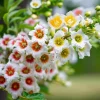
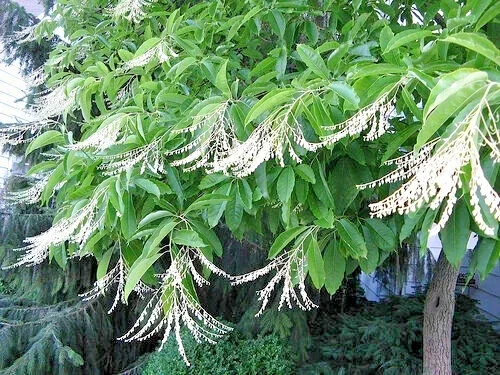
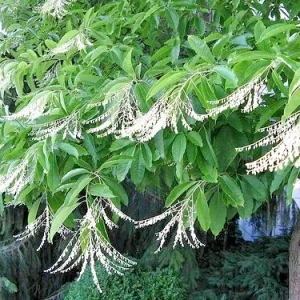
Embark on a rewarding gardening journey with Lily of the Valley Sourwood seeds. This offering provides 100 high-quality seeds of the magnificent Oxydendrum arboreum, a species highly prized for its ornamental value and ecological benefits. Commonly known as the Sourwood Tree, or affectionately as the Honey Bee Tree, this deciduous tree boasts delicate, bell-shaped white flowers that resemble the beloved lily of the valley, blooming profusely in summer when few other trees are in flower. These blossoms are a vital nectar source for honey bees, making this tree an excellent choice for supporting local pollinator populations. Beyond its floral display, the Sourwood tree offers stunning, fiery red and purple foliage in the autumn, providing exceptional seasonal interest. Cultivating these seeds allows you to introduce a truly special and beneficial tree to your garden or landscape, promising a fulfilling experience and a beautiful, long-lived addition to your outdoor space.
The Lily of the Valley Sourwood tree is native to the southeastern United States and is adaptable to various conditions, making it a versatile choice for many gardeners. Its distinct appearance and ecological function make it a standout specimen tree, providing beauty through multiple seasons. Whether you’re a seasoned arborist or a budding enthusiast, growing this tree from Oxydendrum arboreum seeds will bring joy and natural beauty to your outdoor space.
Key Benefits
Adding the Sourwood tree to your garden brings a multitude of advantages, enhancing both its aesthetic appeal and ecological health. These Lily of the Valley Sourwood seeds offer the opportunity to cultivate a plant with diverse benefits.
- Exceptional Beauty: Enjoy a prolonged display of elegant white, lily-of-the-valley-like flowers in summer, followed by spectacular red and purple fall foliage. The unique beauty of the Lily of the Valley Sourwood tree makes it a focal point in any garden.
- Pollinator Magnet: As a significant nectar source, especially during lean times for other plants, the Honey Bee Tree seeds ensure your garden will be buzzing with beneficial insects, supporting local ecosystems and honey production.
- Cold Resistance & Adaptability: These seeds will grow into trees that are known for their resilience and ability to thrive in various climates, including humid continental and subtropical regions. This makes them a reliable choice for many growers interested in Sourwood tree growing.
- Unique Bark Texture: The mature bark develops an attractive ridged and furrowed texture, adding year-round visual interest, even in winter.
- Edible Leaves: The leaves have a distinctive sour taste and can be used to make a refreshing tea, offering an interesting culinary aspect to this ornamental tree.
- Low Maintenance: Once established, Sourwood trees are relatively low-maintenance, requiring minimal care and offering maximum impact. This makes the effort of planting these Oxydendrum arboreum seeds a worthwhile investment for a lasting garden feature.
- Year-Round Interest: From spring growth to summer blooms, vibrant fall colors, and interesting winter bark, the Sourwood tree provides beauty throughout all four seasons.
Plant Care & Growing Tips
Successfully growing Lily of the Valley Sourwood trees from seed requires patience and attention to specific environmental conditions. These Oxydendrum arboreum seeds are harvested fresh for optimal germination. Sourwood trees prefer a site with full sun to partial shade; ideally, they should receive at least 6 hours of direct sunlight daily for the best flowering and fall color, though they can tolerate some afternoon shade in hotter climates. The soil should be acidic, well-draining, and rich in organic matter. A pH between 5.0 and 6.0 is ideal. Incorporating compost or peat moss into the planting site can help improve soil structure and acidity. Adequate watering is crucial, especially during the tree’s establishment phase. Aim for consistently moist, but not waterlogged, soil. Once mature, the tree is moderately drought-tolerant but will benefit from supplemental watering during dry spells.
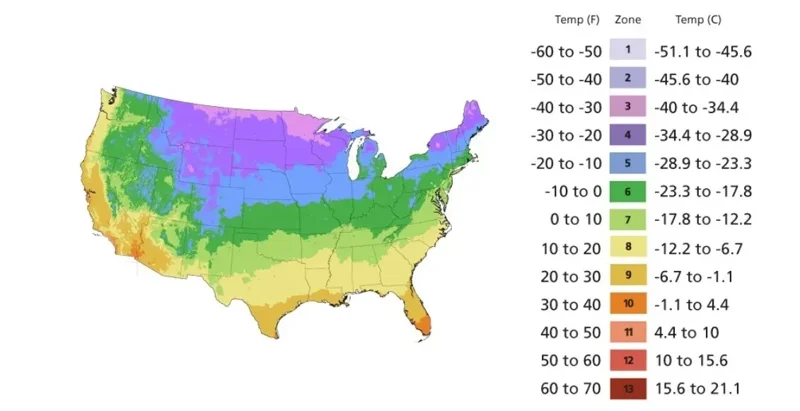
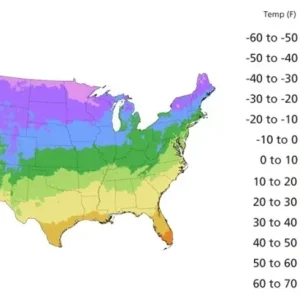
Regarding temperature, Sourwood trees are cold-resistant and thrive in USDA hardiness zones 5-9. They are deciduous, meaning they will lose their leaves in the fall. Fertilization is generally not heavily required if the soil is rich. However, a balanced, slow-release fertilizer designed for acid-loving plants can be applied in early spring to support vigorous growth. Watch out for common issues like leaf spot or powdery mildew, which can usually be managed with good air circulation and appropriate fungicides if severe. Proper Sourwood tree growing techniques ensure a healthy and vibrant specimen. If you’re looking for flowering tree seeds that will add beauty and ecological value, these seeds are an excellent choice.
Size & Details
This offering includes 100 Lily of the Valley Sourwood seeds (Oxydendrum arboreum), carefully harvested to ensure viability. Each seed has the potential to grow into a magnificent specimen tree. Mature Sourwood trees typically reach a height of 20-30 feet with a spread of 10-20 feet, forming an attractive oval to rounded crown. The growth rate is considered medium, usually adding 12-24 inches per year under optimal conditions. These seeds are perfect for starting your own nursery or for planting directly in your garden. They are shipped as dry seeds, ready for stratification and planting. Expect blooms to appear several years after planting, once the tree has established a strong root system and sufficient size. With proper care, these Lily of the Valley Sourwood seeds will develop into a cherished landscape feature for decades.
Frequently Asked Questions
- Q: How large will the Sourwood tree grow? A: A mature Lily of the Valley Sourwood tree typically reaches a height of 20-30 feet with a spread of 10-20 feet, making it a medium-sized tree suitable for many landscapes.
- Q: Is this an indoor or outdoor plant? A: The Oxydendrum arboreum is an outdoor tree, best suited for garden planting where it can receive ample sunlight and space to grow.
- Q: How much sunlight does the Sourwood tree need? A: For best results, the Sourwood tree thrives in full sun (at least 6 hours daily) but can tolerate partial shade, especially in hotter climates.
- Q: Is this plant easy to care for? A: Once established, Sourwood trees are relatively low-maintenance. They require well-draining, acidic soil and consistent moisture during their early growth. They are a good option for those interested in Sourwood tree growing.
- Q: What condition will the Lily of the Valley Sourwood seeds arrive in? A: The seeds will arrive as dry, freshly harvested seeds, ready for proper stratification and planting according to specific instructions.
- Q: How long until the Sourwood tree blooms? A: Sourwood trees typically begin to flower several years after planting from seed, once they have reached a sufficient size and maturity. These flowering tree seeds will eventually produce beautiful blooms.
- Q: Will it survive winter in my zone? A: Yes, the Sourwood tree is cold-resistant and is hardy in USDA zones 5-9, making it suitable for a wide range of temperate climates.
- Q: Can I use the leaves for anything? A: Yes, the leaves of the Sourwood tree have a tart, lemony flavor and can be used to make a refreshing herbal tea.
- Q: What type of soil is best for these Oxydendrum arboreum seeds? A: Sourwood trees prefer well-draining, acidic soil rich in organic matter. A soil pH between 5.0 and 6.0 is ideal for optimal growth.
- Q: When is the best time to plant these flowering tree seeds? A: After proper stratification, seeds are typically planted in early spring, allowing the young seedlings to establish themselves throughout the growing season.


Reviews
There are no reviews yet.