Overview
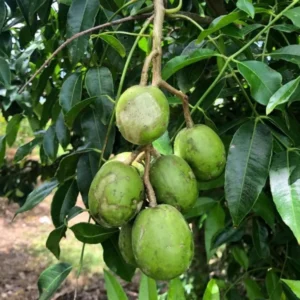
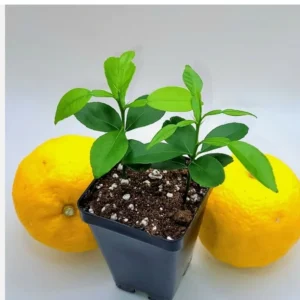
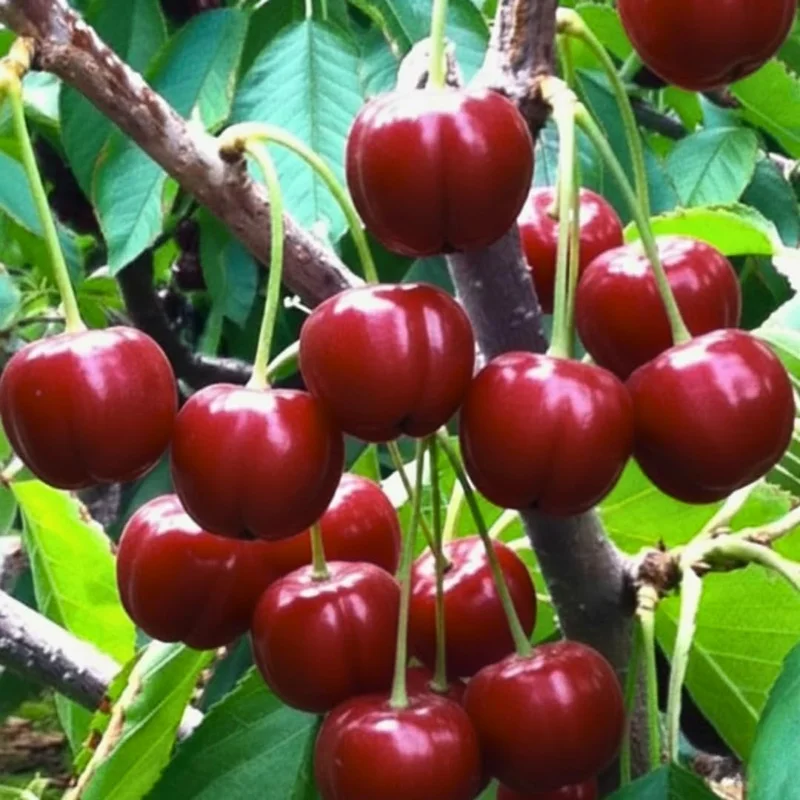
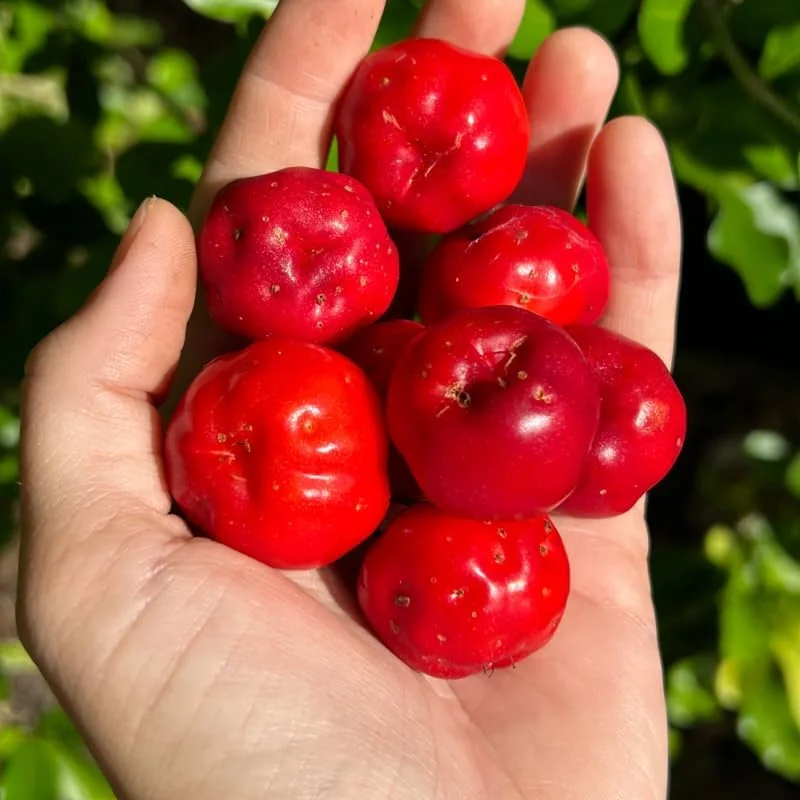
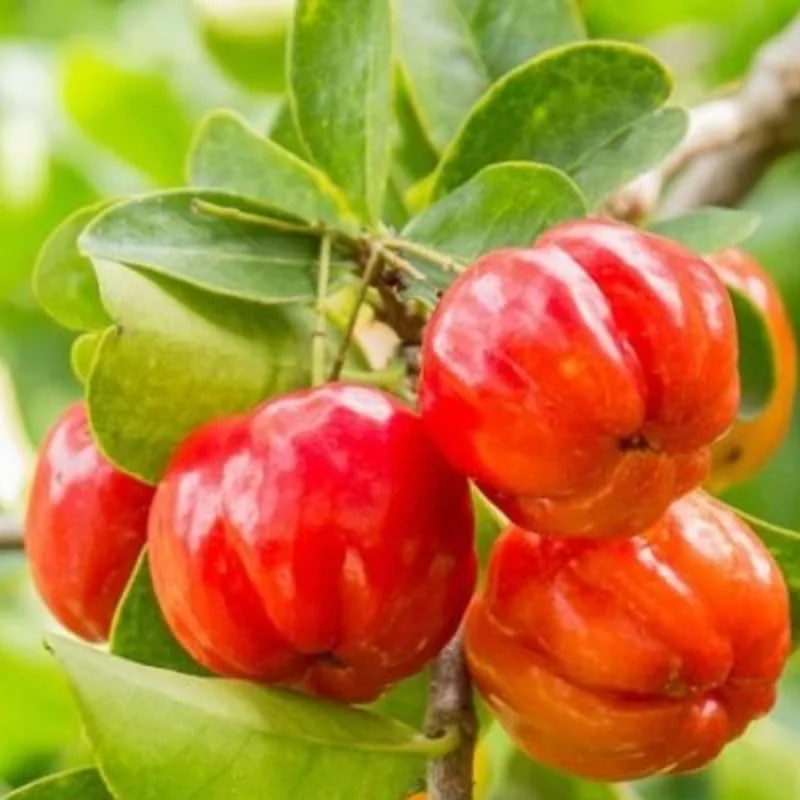
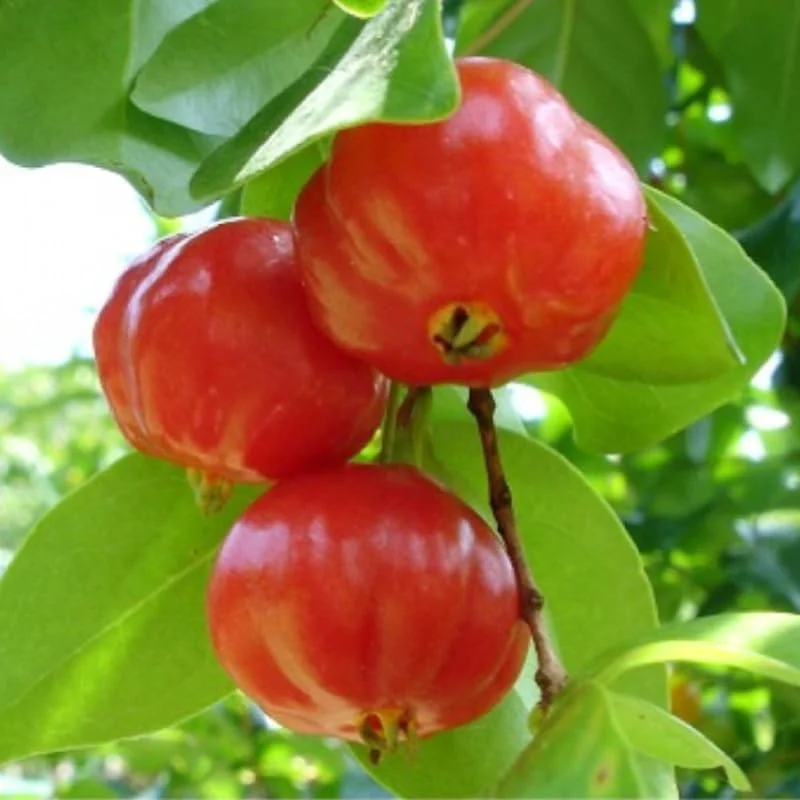
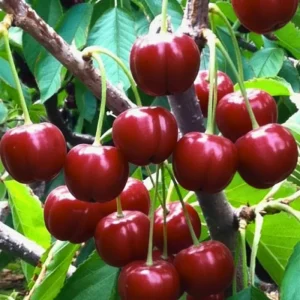
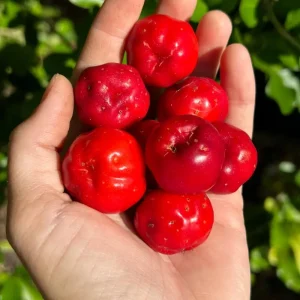
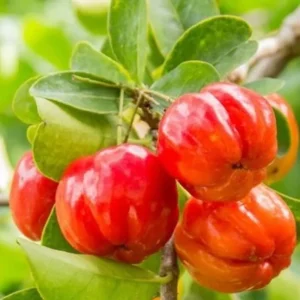
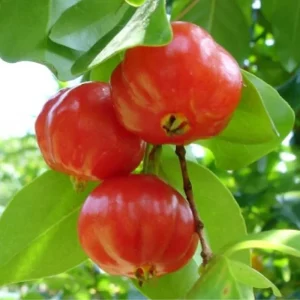
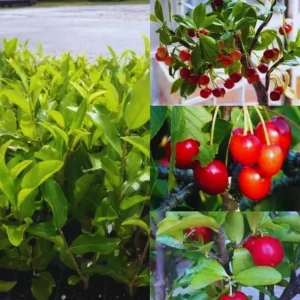
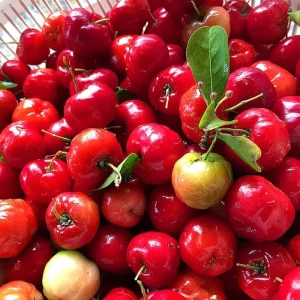
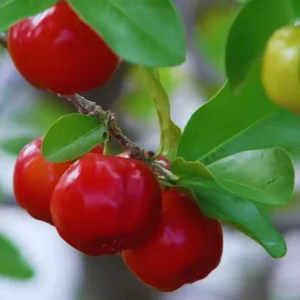
Experience the joy of harvesting your own fresh, delicious fruit with the addition of a Barbados cherry tree live plant to your garden. This unique fruit tree, also known as Acerola cherry, is celebrated for its prolific production of vibrant red cherries, packed with flavor and nutrients. Originating from tropical and subtropical regions, this particular variety is a 12-inch specimen, making it an excellent choice for immediate outdoor planting and establishment. Its relatively fast growth rate and early fruit production mean you won’t have to wait long to enjoy its bounty. Whether you’re an experienced horticulturist or a budding gardener, this Barbados cherry tree live plant offers a rewarding and fruitful cultivation experience.
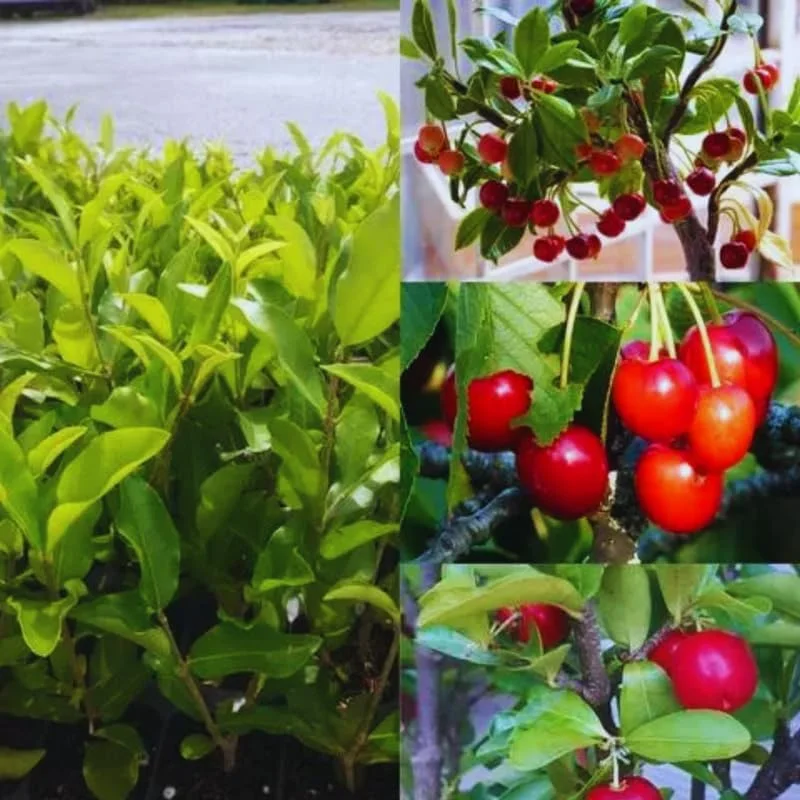
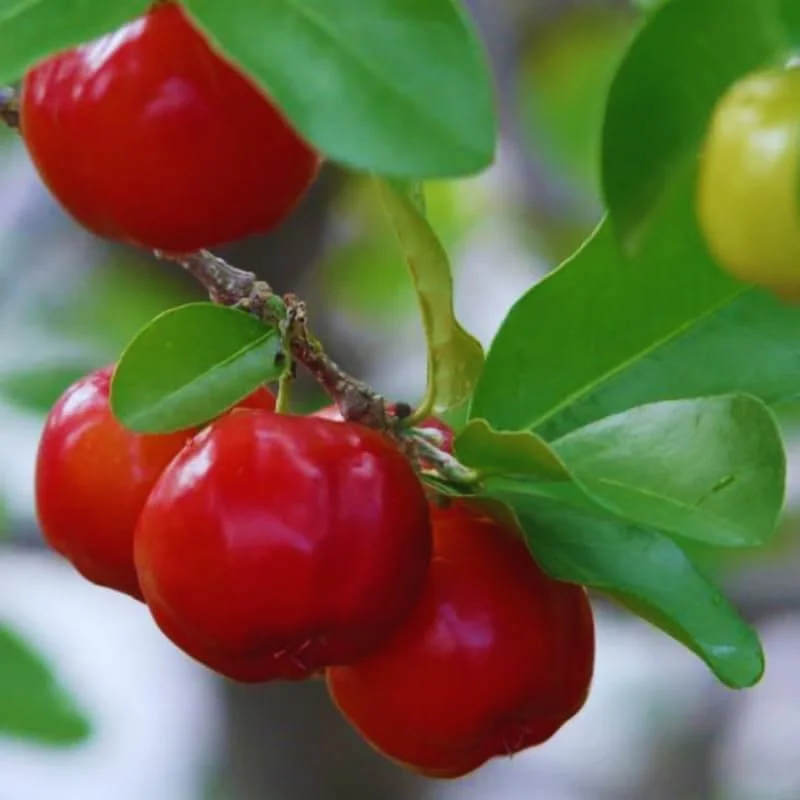
The Barbados cherry (Malpighia emarginata or Malpighia glabra) is not only a source of delectable fruit but also an ornamental addition to any landscape. Its glossy green leaves and delicate pink flowers add aesthetic appeal before the fruit even appears. This high yielding cherry tree is especially prized for its ability to produce multiple harvests throughout the growing season, providing a continuous supply of sweet, tangy cherries perfect for a variety of culinary uses or fresh eating. It’s an investment in both beauty and sustenance for your home garden.
Key Benefits
Adding a Barbados cherry tree to your garden brings a multitude of advantages beyond just its delicious fruit. This versatile plant is a true garden gem, offering both aesthetic appeal and practical benefits that enhance any outdoor space.
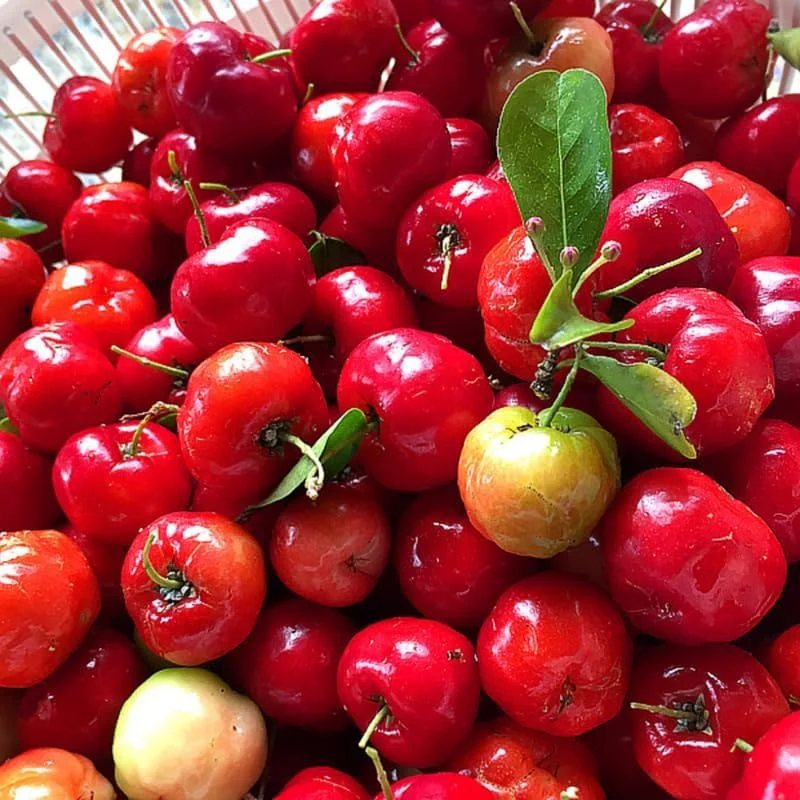
- Abundant Fruit Production: This Barbados cherry tree live plant is renowned for its high yield of sweet, tangy cherries. You’ll enjoy a continuous supply of fresh fruit, perfect for snacking, making juices, jams, and desserts throughout the growing season.
- Nutrient-Rich Harvest: Barbados cherries are exceptionally rich in Vitamin C, making them a healthy and delicious addition to your diet. Growing your own ensures you have access to fresh, organic superfoods.
- Fast Growing & Early Fruiting: Unlike many fruit trees, this variety grows quickly and begins producing fruit in a short amount of time, offering quicker gratification for your gardening efforts.
- Adaptable to Climates: Thriving in USDA Zones 9-11, this tree can be grown in both tropical and subtropical climates, making it a versatile choice for many regions. It’s a surprisingly cold hardy fruit tree for its origin.
- Attractive Landscape Addition: Beyond its fruit, the Barbados cherry tree features attractive foliage and delicate flowers, adding ornamental value to your garden or patio.
- Easy to Grow: With proper care, this tree is relatively low maintenance, making it suitable for both experienced gardeners and those looking to grow Barbados cherry for the first time.
- Supports Local Ecosystem: The flowers attract pollinators, contributing to the health of your garden and supporting local biodiversity.
Plant Care & Growing Tips
Caring for your Barbados cherry tree live plant involves understanding its specific needs to ensure robust growth and prolific fruiting. These trees thrive in full sun, requiring at least 6-8 hours of direct sunlight per day for optimal fruit production. While they can tolerate some partial shade, too little light will reduce flowering and fruiting. Choose a location in your garden that receives ample sun exposure throughout the day. For soil, the Barbados cherry prefers well-draining soil with a slightly acidic to neutral pH. Amend heavy clay soils with organic matter to improve drainage and aeration. Regular watering is crucial, especially during dry spells and when the tree is establishing itself. Keep the soil consistently moist but never waterlogged; allow the top inch or two of soil to dry out between waterings.
Fertilization should begin in the spring with a balanced slow-release fertilizer designed for fruiting trees. Reapply according to product instructions, usually every 2-3 months during the growing season. Pruning is best done after the main fruiting season to maintain shape, remove dead or diseased branches, and encourage new growth for future fruit. While this is considered a cold hardy fruit tree for its zone, protection may be needed if temperatures dip below freezing for extended periods, especially for young plants. Container-grown plants can be moved indoors during extreme cold. Pest and disease issues are generally minimal, but keep an eye out for common garden pests and treat with organic solutions if necessary to ensure your acerola cherry plant remains healthy and productive.
Size & Details
This offering is for a 12-inch Barbados cherry tree live plant, ready for outdoor planting. The measurement refers to the approximate height of the plant from the soil line. It is shipped without a pot, as a bare root or carefully packaged root ball, ensuring healthy transit and readiness for immediate transplanting into your garden. These trees typically grow into a large shrub or small tree, reaching heights of 6-10 feet with a similar spread, though they can be kept smaller with regular pruning. The growth rate is considered fast, and you can expect this high yielding cherry tree to begin fruiting relatively quickly, often within 1-2 years of planting. Its mature size makes it suitable for various garden designs, whether as a standalone specimen, part of an edible hedge, or in a large container. The abundant fruit production makes it a highly desirable addition for any fruit enthusiast looking to grow Barbados cherry.
Frequently Asked Questions
- Q: How big does this Barbados cherry tree live plant get? A: This 12-inch plant will grow into a large shrub or small tree, typically reaching 6-10 feet in height and spread at maturity. Its size can be managed with consistent pruning.
- Q: Is this an indoor or outdoor plant? A: This is primarily an outdoor plant, suited for USDA Zones 9-11. It thrives in full sun conditions outdoors. In colder climates, it can be grown in a large container and brought indoors during winter.
- Q: How much sunlight does it need? A: For optimal growth and fruit production, your high yielding cherry tree requires at least 6-8 hours of direct sunlight per day. Choose a sunny location in your garden.
- Q: Is this plant easy to care for? A: Yes, the Barbados cherry tree is relatively easy to care for. It requires consistent watering, well-draining soil, and ample sunlight. It’s a good choice for gardeners of varying experience levels.
- Q: What condition will it arrive in? A: The plant arrives as a 12-inch live specimen, without a pot, with its roots carefully prepared for transplanting. It’s ready to be planted directly into your garden or a larger container upon arrival.
- Q: How long until it blooms and produces fruit? A: This fast-growing tree can begin to bloom and produce fruit quite quickly, often within 1-2 years of planting. You’ll be able to enjoy your own acerola cherry plant fruits soon.
- Q: Will it survive winter in my zone? A: This cold hardy fruit tree thrives in USDA Zones 9-11. If you are in a colder zone, it’s recommended to grow it in a pot that can be moved indoors during periods of frost or extreme cold.
- Q: What’s the minimum temperature this tree can tolerate? A: Mature Barbados cherry trees can tolerate brief dips to around 28-30°F (-1 to -2°C), but prolonged freezing temperatures can cause damage. Young plants are more susceptible to cold.
- Q: Can I use the cherries for cooking? A: Absolutely! The sweet and tangy cherries from your grow Barbados cherry plant are excellent for fresh eating, making juices, jams, jellies, and desserts.
- Q: What type of soil is best for this plant? A: Well-draining soil with a slightly acidic to neutral pH is ideal. If your soil is heavy clay, amend it with compost or other organic matter to improve drainage.


Reviews
There are no reviews yet.