
-
×
 Pink Dogwood Tree Live Plant - 1-2 ft Dormant Flowering Dogwood for Outdoor Planting
$27.34
Pink Dogwood Tree Live Plant - 1-2 ft Dormant Flowering Dogwood for Outdoor Planting
$27.34 -
×
 Curry Leaf Plant Live, 8-12 Inch Tall Murraya Koenigii Curry Leaves Tree in 4-Inch Pot, Ideal for Fresh Curry Leaves and Gardening
$44.99
Curry Leaf Plant Live, 8-12 Inch Tall Murraya Koenigii Curry Leaves Tree in 4-Inch Pot, Ideal for Fresh Curry Leaves and Gardening
$44.99 -
×
Ponkan Mandarin Orange Tree 3 Feet Tall Including Pot Height, Ponkan Mandarin Plant Live, Mandarin Tangerine Orange Fruit Tree, Mandarine Orange Tree
$126.49
-
×
 Bay Leaf Plant Live, 1-2 Feet Tall, Well-Rooted Sweet Bay Laurel Laurus Nobilis, Zones 8-11
$59.99
Bay Leaf Plant Live, 1-2 Feet Tall, Well-Rooted Sweet Bay Laurel Laurus Nobilis, Zones 8-11
$59.99 -
×
Wonderful Pomegranate Tree Live Plant - 10 to 12 Inches Tall, Pomegranate Fruit Tree or Bush, Perfect for Indoor or Outdoor Growing
$29.99
-
×
Peppermint Mint Plants Live Indoors Outdoors, Fresh Herb Mint Plant, Mint Plant Seeds, Live Peppermint Plant, Peppermint Plants For Outside Inside
$22.99
-
×
Set of 2 Blue Hosta Plants Live in Quart Pot, Perennial Hosta, Green to Blue Hosta for Gardens Planting Indoor Outdoor
$58.99
-
×
Curry Leaves Plant Live – 14-16 Inc Tall - Sweet Neem Tree Murraya Koenigii Curry Leaf Plant, Half Gallon Pot, Great for Outdoor and Indoor Planting
$56.99
-
×
10 Gourd Seeds For Planting, Gourd Vegetable Seeds, 10 Seeds
$11.99
-
×
Fire Pink Hydrangea Bush Plant Tree Live Shrub in Pot, Starter Plant
$28.99
-
×
Goldfish Plant Houseplant Live in 4-Inch Pot, Great for Hanging Baskets, Goldfish Live Plant Indoor Ornamental Plant
$38.99
-
×
Light Green Hydrangea Bush Plant Tree Live Shrub in Pot, Starter Plant
$28.99
-
×
Paw Paw Tree Seedlings, Asimina Triloba Tree 1 Year Old, Well Rooted, Common Pawpaw Tree Live Plant, 6 to 14 Inc Tall
$39.99
-
×
American Persimmon Tree Live Plant - 10 to 12 Inch Tall, Well-Rooted Persimmon Tree for Planting, Sweet Fruit-Bearing Tree, Suitable for Home Gardens, Hardy in Zones 5-9
$29.97
-
×
Lemon Cucumber Seeds, 50 Cucumber Plant Seeds, Cucumber Seeds For Planting Outdoors Indoors, Vegetable Seeds
$8.49
-
×
Sweet Red Cassava Yuca Manihot Esculenta Cuttings - 5 Yuca Cuttings, Ready for Planting, 6 to 8 Inch Long, High Yields
$29.99
-
×
5 Dark Purple Allium Bulbs, Allium Giant Flower, Live Outdoor Flowers Bulbs, Purple Flower Bulbs Outdoor
$38.99
-
×
Alocasia Elephant Ear Live Plant For Growing, 4-6" Tall
$19.99
-
×
500 Culantro Seeds for Planting - Recao Cilantro - Indoor/Outdoor Herb Seeds
$9.99
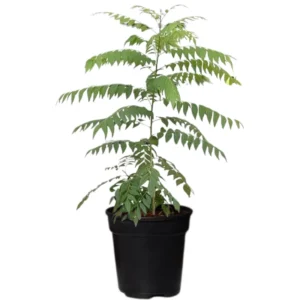 Curry Leaf Plant Live, 8-12 Inch Tall Murraya Koenigii Curry Leaves Tree in 4-Inch Pot, Ideal for Fresh Curry Leaves and Gardening
 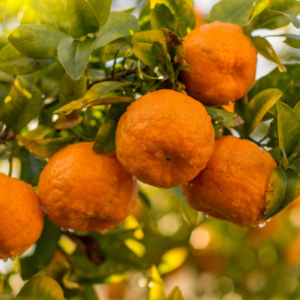 Ponkan Mandarin Orange Tree 3 Feet Tall Including Pot Height, Ponkan Mandarin Plant Live, Mandarin Tangerine Orange Fruit Tree, Mandarine Orange Tree
 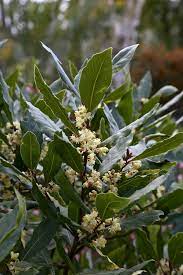 Bay Leaf Plant Live, 1-2 Feet Tall, Well-Rooted Sweet Bay Laurel Laurus Nobilis, Zones 8-11
  Wonderful Pomegranate Tree Live Plant - 10 to 12 Inches Tall, Pomegranate Fruit Tree or Bush, Perfect for Indoor or Outdoor Growing
 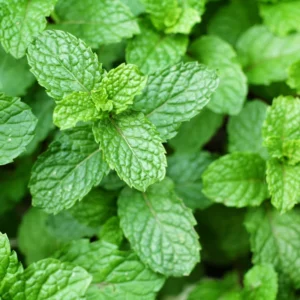 Peppermint Mint Plants Live Indoors Outdoors, Fresh Herb Mint Plant, Mint Plant Seeds, Live Peppermint Plant, Peppermint Plants For Outside Inside
 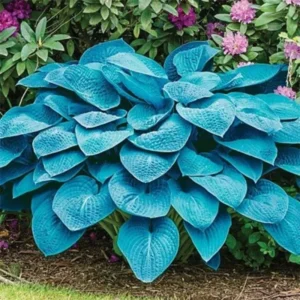 Set of 2 Blue Hosta Plants Live in Quart Pot, Perennial Hosta, Green to Blue Hosta for Gardens Planting Indoor Outdoor
 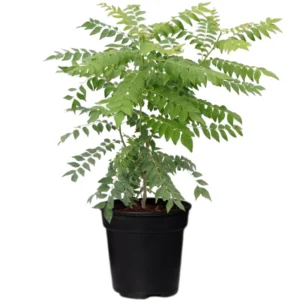 Curry Leaves Plant Live – 14-16 Inc Tall - Sweet Neem Tree Murraya Koenigii Curry Leaf Plant, Half Gallon Pot, Great for Outdoor and Indoor Planting
 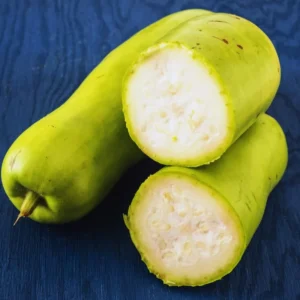 10 Gourd Seeds For Planting, Gourd Vegetable Seeds, 10 Seeds
 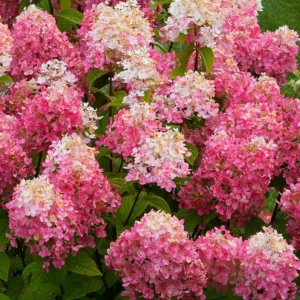 Fire Pink Hydrangea Bush Plant Tree Live Shrub in Pot, Starter Plant
  Goldfish Plant Houseplant Live in 4-Inch Pot, Great for Hanging Baskets, Goldfish Live Plant Indoor Ornamental Plant
 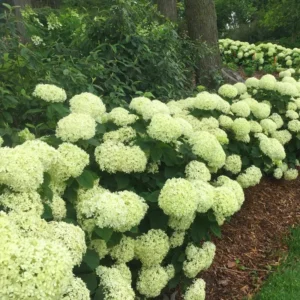 Light Green Hydrangea Bush Plant Tree Live Shrub in Pot, Starter Plant
 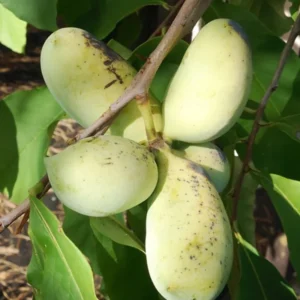 Paw Paw Tree Seedlings, Asimina Triloba Tree 1 Year Old, Well Rooted, Common Pawpaw Tree Live Plant, 6 to 14 Inc Tall
 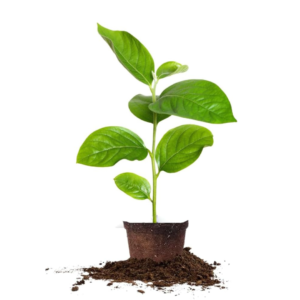 American Persimmon Tree Live Plant - 10 to 12 Inch Tall, Well-Rooted Persimmon Tree for Planting, Sweet Fruit-Bearing Tree, Suitable for Home Gardens, Hardy in Zones 5-9
 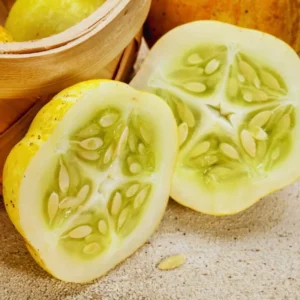 Lemon Cucumber Seeds, 50 Cucumber Plant Seeds, Cucumber Seeds For Planting Outdoors Indoors, Vegetable Seeds
 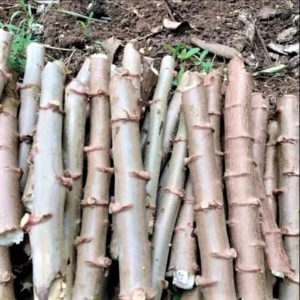 Sweet Red Cassava Yuca Manihot Esculenta Cuttings - 5 Yuca Cuttings, Ready for Planting, 6 to 8 Inch Long, High Yields
 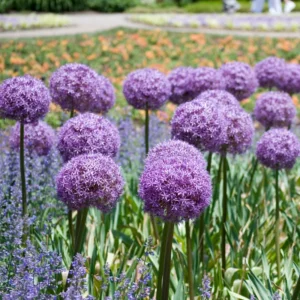 5 Dark Purple Allium Bulbs, Allium Giant Flower, Live Outdoor Flowers Bulbs, Purple Flower Bulbs Outdoor
 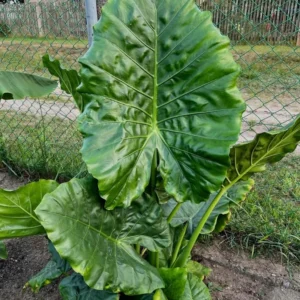 Alocasia Elephant Ear Live Plant For Growing, 4-6" Tall
 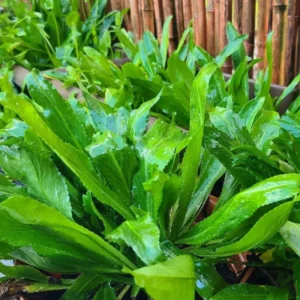 500 Culantro Seeds for Planting - Recao Cilantro - Indoor/Outdoor Herb Seeds
Up to - 20%
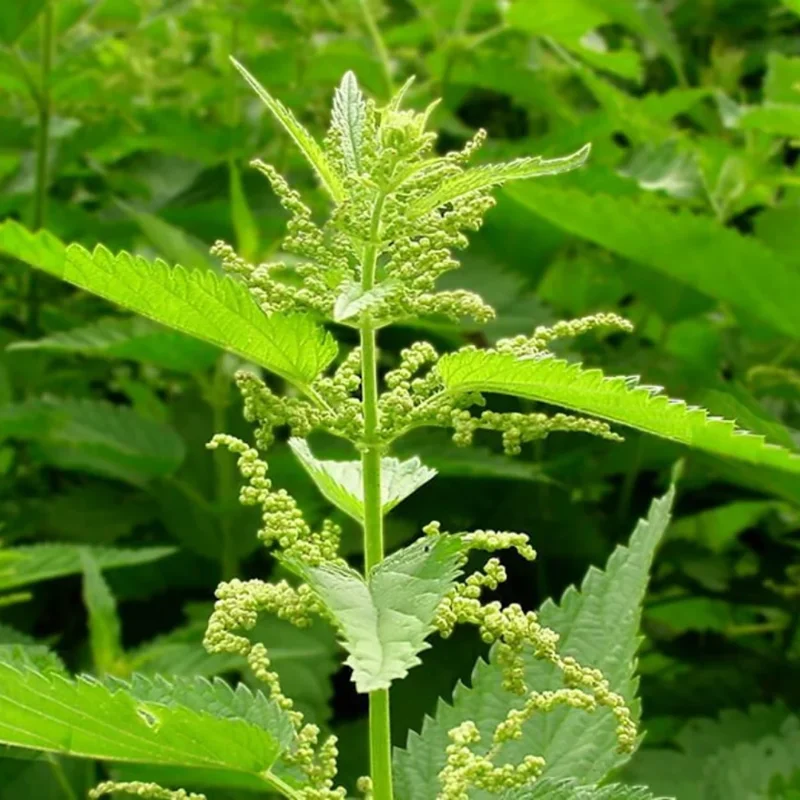
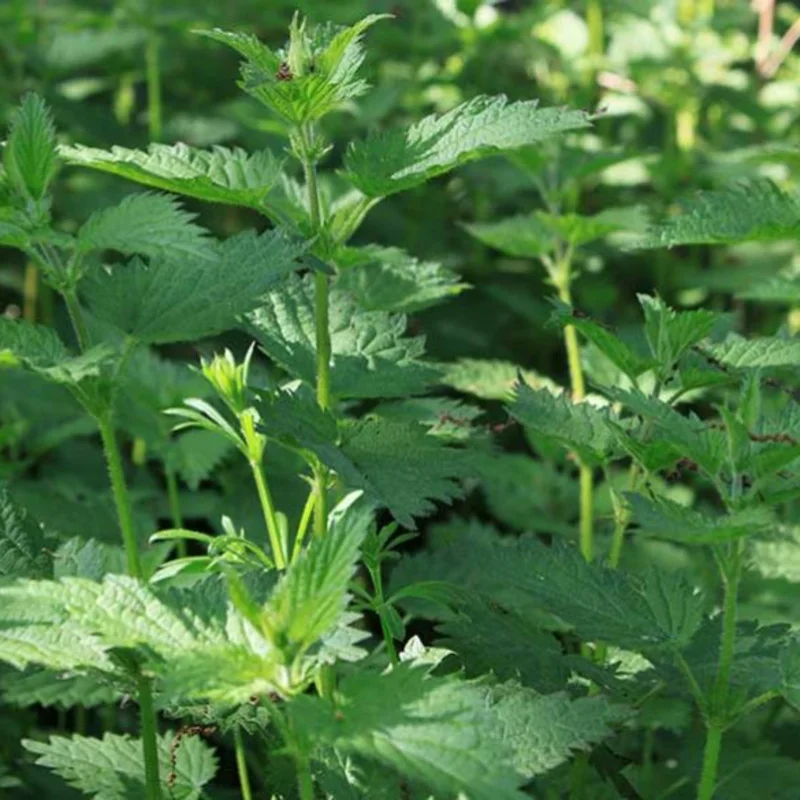

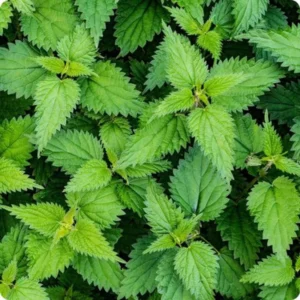
15 Stinging Nettle Plant Bare Roots Only Urtica Dioica Transplant
Original price was: $44.99.$35.99Current price is: $35.99.
Get 15 Stinging Nettle (Urtica Dioica) bare roots for easy transplant. Ideal for herbal remedies and culinary uses.
- Easy to grow
- Medicinal properties
Estimated arrival
Dec 20
Dec 25 - Dec 27
Dec 30 - Jan 03
Shipping and return policies: Our 30-Day Plant Health Guarantee covers issues with your plants within the first 30 days. Get in touch with us via email, and our team will review your concerns and, if necessary, provide you with a one-time replacement at no cost.
Related products
Up to - 34%
USDA 4-9
Sold 55 products
Original price was: $28.99.$18.99Current price is: $18.99.Up to - 30%
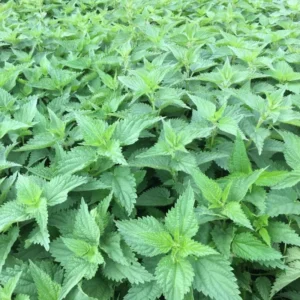
USDA 3-10
Sold 91 products
Original price was: $32.99.$22.99Current price is: $22.99.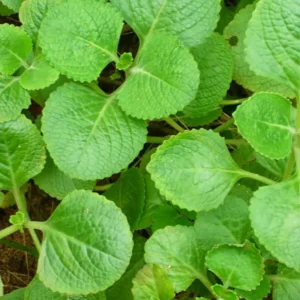
USDA Zones 9-11
Sold 51 products
$39.99Up to - 20%
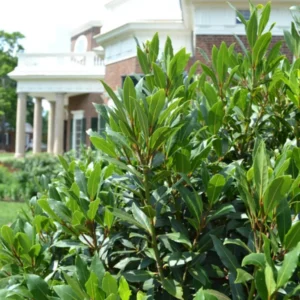
USDA 8-10 (or indoors)
Sold 58 products
Original price was: $49.99.$39.99Current price is: $39.99.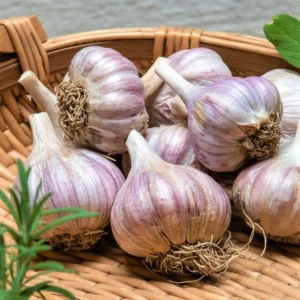
Up to - 28%
USDA 7-10
Sold 66 products
Original price was: $35.99.$25.99Current price is: $25.99.
USDA Zones 9-11
Sold 97 products
$26.98
Reviews
There are no reviews yet.