Overview
Introduce a touch of native wilderness and seasonal splendor to your property with our premium black cherry bare root tree pack. Scientifically known as Prunus serotina, this magnificent deciduous tree is also commonly referred to as Wild Rum Cherry. These black cherry bare root tree specimens arrive ready for planting, offering an economical and efficient way to establish a robust and beautiful tree in your garden. The Black Cherry tree is celebrated for its rapid growth rate, making it an excellent choice for those looking to quickly enhance their landscape with a mature tree. Its striking ornamental qualities, including fragrant white flowers and vibrant fall foliage, ensure year-round appeal.
Originating from diverse habitats across North America, the Black Cherry tree is incredibly adaptable and resilient. It thrives in various conditions, from thickets and woodlands to canyons and floodplains. Beyond its aesthetic charm, this tree plays a vital ecological role, supporting a wide array of wildlife. The prolifically blooming flowers are a crucial source of nectar and pollen for native bees and other pollinators, while its berries provide sustenance for birds and mammals. Growing a Prunus serotina tree contributes significantly to local biodiversity and creates a dynamic, living ecosystem in your backyard.
Key Benefits
Our black cherry bare root tree offers numerous advantages, making it a highly desirable addition to any garden or naturalized area. These benefits span from aesthetic enhancement to ecological contributions and practical uses:
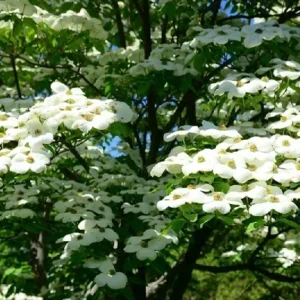
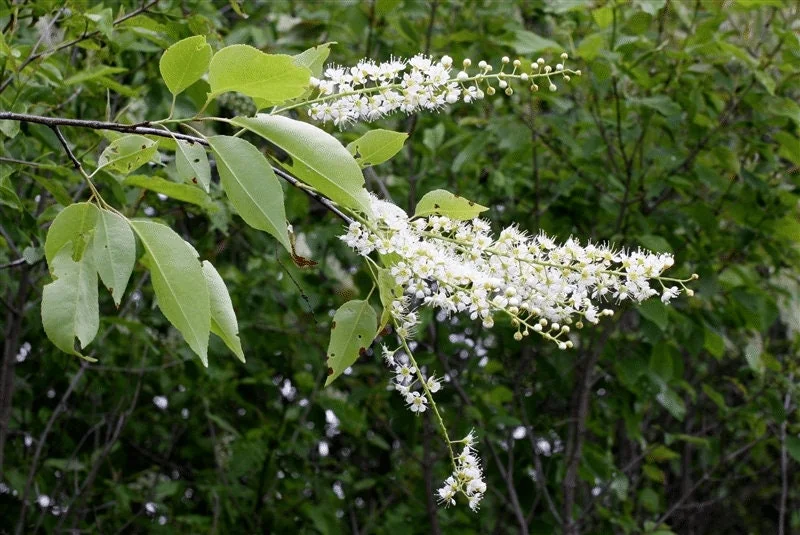
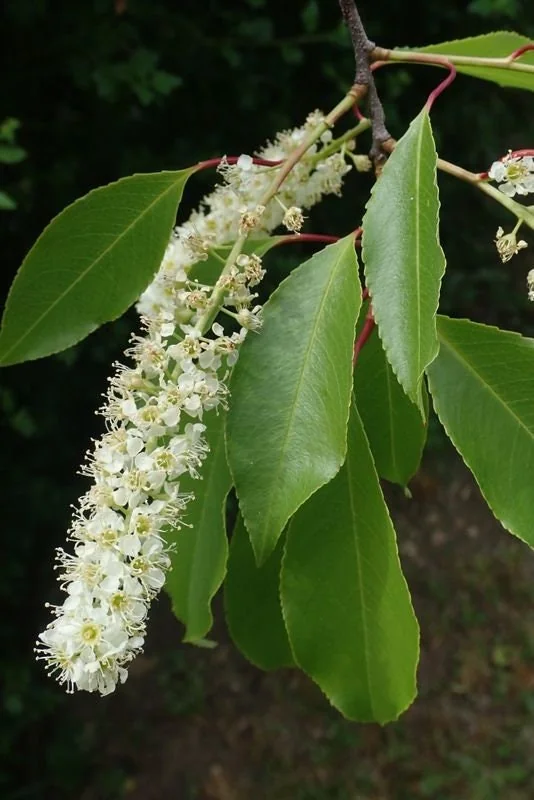
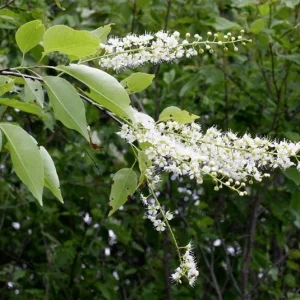
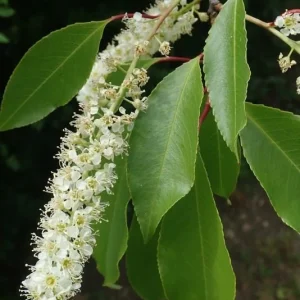
- Stunning Ornamental Value: In spring, the tree bursts with 4-6 inch long, drooping racemes of small, white, lacelike flowers. These showy blooms create a spectacular visual display and release a pleasant fragrance, transforming your garden into a springtime haven.
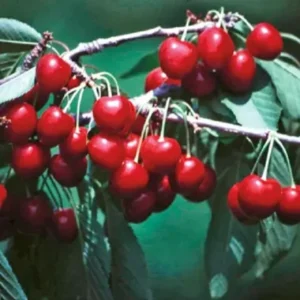
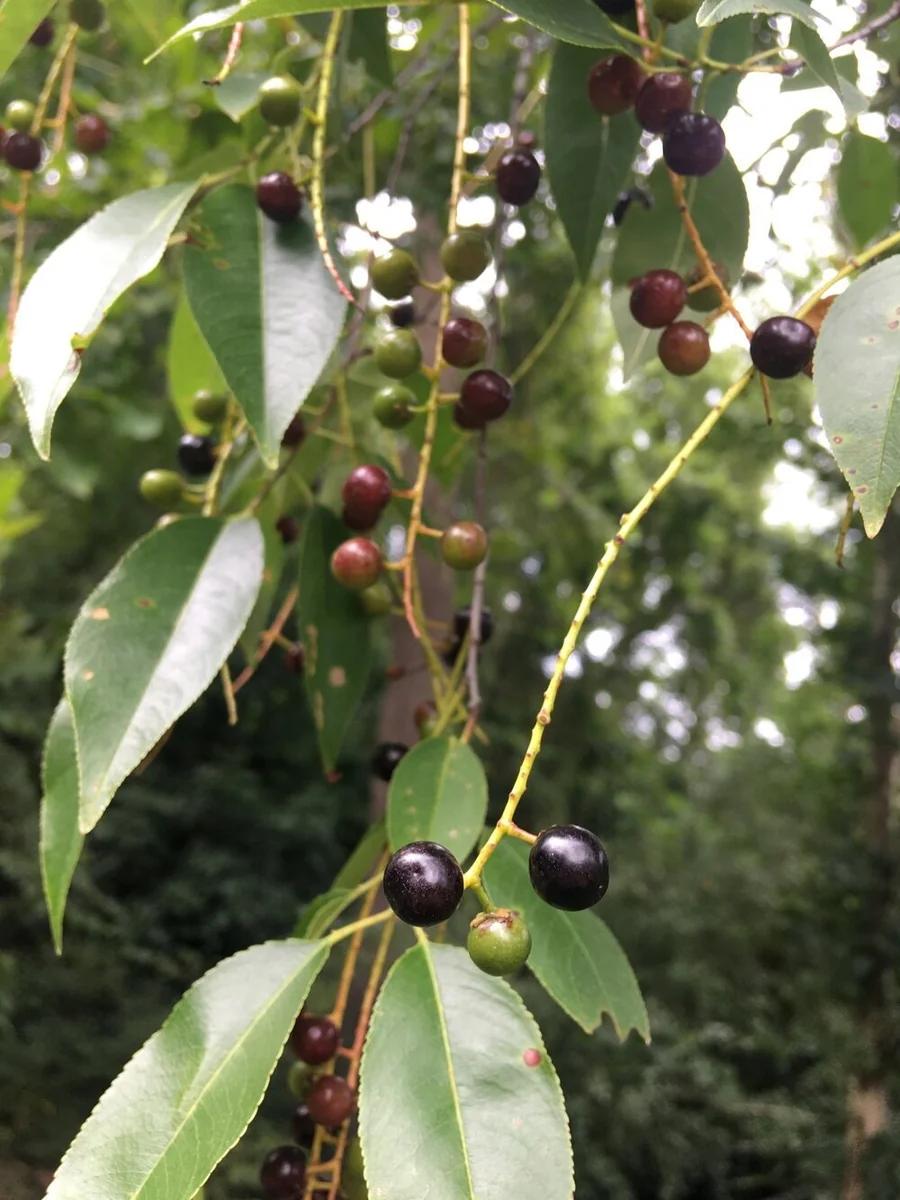
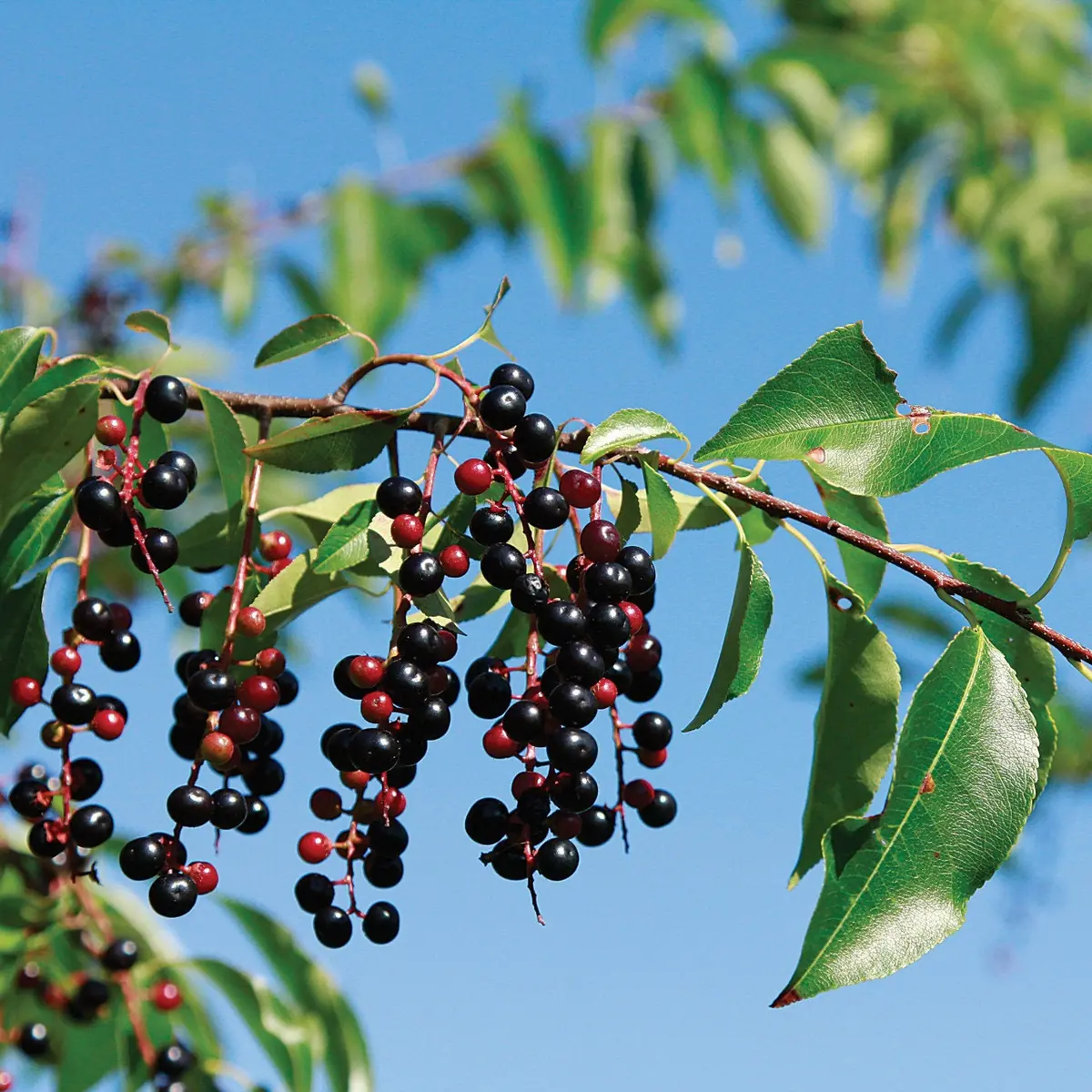
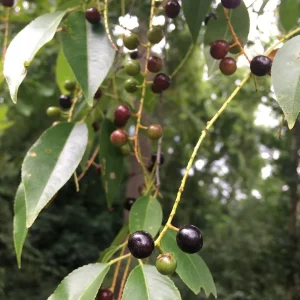
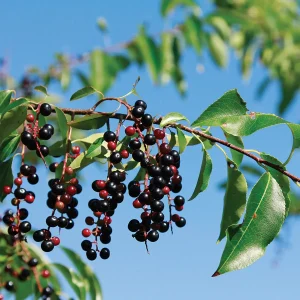
- Wildlife Attraction: The abundant flowers are an important nectar and pollen source for native bees and other pollinators. Later, the reddish-black berries in late summer and fall provide a rich food source for a variety of birds and mammals, making your garden a lively habitat.
- Host Plant for Butterflies: The Black Cherry is a significant host plant for numerous native insects, including the beautiful Columbia Silkmoth, supporting the life cycles of these beneficial creatures and promoting a healthy ecosystem.
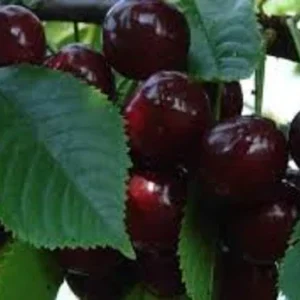
- Edible & Versatile Berries: The delicious reddish-black berries are edible for humans, too! They can be enjoyed raw or used to make wines, jellies, and even as a drink mixer, giving rise to its alternative name, “Rum Cherry.” This makes the edible cherry tree a dual-purpose plant.
- Vibrant Fall Foliage: As autumn approaches, the leaves of the Black Cherry tree transform into a beautiful palette of yellows, oranges, and reds, adding a dramatic splash of color to your landscape before the winter dormancy.
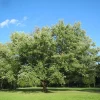
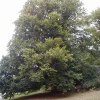
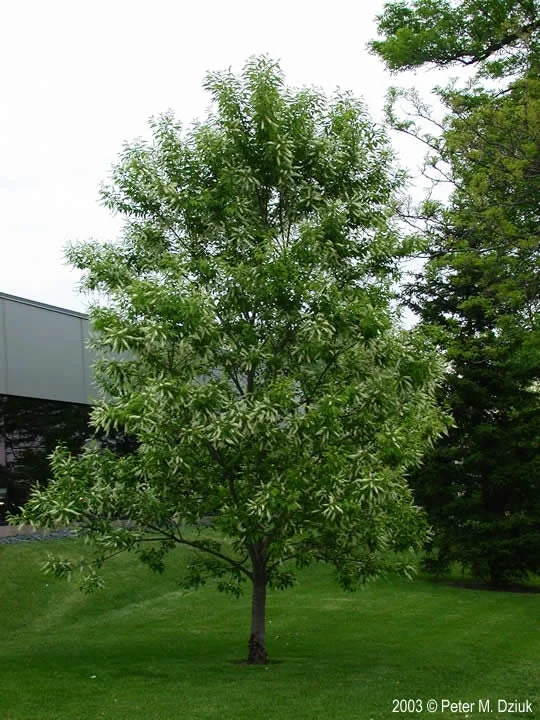
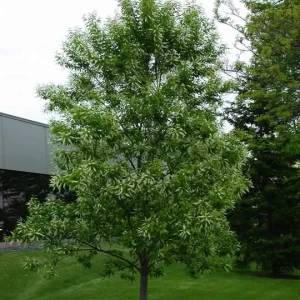
- Rapid Growth & Robust Habit: This tree is a fast growing cherry tree, quickly establishing itself with a conical habit, capable of reaching impressive heights of 60 to 80 feet tall and 30 to 60 feet wide, providing substantial shade and presence in a relatively short period.
- Ecological Contribution: By planting a wild rum cherry plant, you are actively participating in supporting local ecosystems, providing food and habitat for a diverse range of wildlife, and promoting environmental health.
Plant Care & Growing Tips
Caring for your black cherry bare root tree is straightforward, especially when following these guidelines to ensure its healthy establishment and vigorous growth. The Black Cherry (Prunus serotina) is adaptable, but optimal conditions will lead to the best results. For sunlight, this tree thrives in full sun to partial shade, meaning it prefers at least 6 hours of direct sunlight per day but can tolerate some afternoon shade, especially in hotter climates. Adequate sunlight is crucial for prolific flowering and berry production, and to ensure your fast growing cherry tree develops a strong structure.
When it comes to watering, young bare-root trees require consistent moisture. Water deeply and regularly after planting to help establish the root system. Once established, the Black Cherry is relatively drought-tolerant, but it will benefit from supplemental watering during prolonged dry periods. Aim for well-draining soil; while adaptable to various soil types, it prefers moist, fertile, deep, and well-drained loamy soils. Avoid waterlogged conditions, as this can lead to root rot. Good soil drainage is key for the overall health of your Prunus serotina tree. It’s hardy in USDA zones 3-9, indicating its ability to withstand a wide range of temperatures.
Fertilization is generally not heavily required for established Black Cherry trees, but a balanced slow-release fertilizer can be applied in early spring, especially for younger trees, to encourage robust growth. Pruning should focus on removing dead, damaged, or diseased branches, as well as shaping the tree to maintain its conical habit. Prune in late winter or early spring before new growth begins. While generally hardy, keep an eye out for common tree pests and diseases; prompt action can prevent serious issues. Ensuring proper air circulation and sunlight exposure will help prevent fungal problems. With proper care, your edible cherry tree will flourish, providing beauty and bounty for years.
Size & Details
This offering includes two black cherry bare root tree specimens, providing a robust start for your landscaping project. Bare-root trees are typically dormant when shipped, allowing for easy transplantation and minimal stress. The exact initial height of bare-root trees can vary, but they are usually 1-3 feet tall at the time of shipment, ready to establish quickly in your garden. The Black Cherry is a fast growing cherry tree, capable of reaching an impressive mature height of 60 to 80 feet and a spread of 30 to 60 feet wide over time. It has a distinctive conical habit, providing a stately presence in the landscape.
These trees are ideal for creating naturalized areas, woodland gardens, or as a shade tree in larger landscapes. They are deciduous, shedding their leaves in the fall after a brilliant display of color. Expect the tree to begin producing flowers and berries within a few years of planting, with production increasing as the tree matures. The berries typically appear in August and September. Planting these Prunus serotina tree specimens will provide long-term ecological benefits and aesthetic pleasure, making them a wise investment for any homeowner passionate about nature.
Frequently Asked Questions
- Q: How big do these black cherry bare root trees get? A: Black Cherry trees are a fast growing cherry tree species, capable of reaching impressive heights of 60 to 80 feet tall and spreading 30 to 60 feet wide at maturity. They develop a conical shape.
- Q: What condition will the bare-root trees arrive in? A: Your black cherry bare root tree specimens will arrive dormant, with their roots carefully packed to retain moisture. This is the optimal state for transplanting and ensures a healthy start for your new trees.
- Q: Is this an indoor or outdoor plant? A: The Black Cherry (Prunus serotina) is an outdoor tree. It requires ample space to grow and thrives in natural outdoor environments, providing shade and ecological benefits.
- Q: How much sunlight does it need? A: This tree prefers full sun to partial shade, ideally receiving at least 6 hours of direct sunlight daily for the best growth, flowering, and berry production.
- Q: Is this tree easy to care for? A: Once established, the wild rum cherry plant is relatively low-maintenance. Initial care involves consistent watering after planting to establish the root system, followed by routine pruning and occasional fertilization.
- Q: When is the best time to plant a bare-root black cherry tree? A: The ideal time to plant bare-root trees is in early spring, as soon as the ground can be worked and before the tree breaks dormancy. This allows the roots to establish before summer heat.
- Q: Are the berries from the edible cherry tree safe for humans? A: Yes, the reddish-black berries of the Black Cherry tree are edible for humans and can be consumed raw or used in various culinary applications like wine and jelly. However, other parts of the tree, especially wilted leaves, are considered toxic.
- Q: What USDA zones is the Prunus serotina tree hardy in? A: The Prunus serotina tree is hardy in USDA zones 3 through 9, making it suitable for a wide range of climates across the United States.
- Q: Will this tree attract wildlife to my garden? A: Absolutely! The flowers are a significant nectar source for pollinators, and the berries are a favorite food for numerous bird species and mammals, making it an excellent choice for a wildlife garden.
- Q: Do I need to plant more than one black cherry tree for fruit production? A: Black Cherry trees are generally self-fertile, meaning a single tree can produce fruit. However, planting multiple trees can often lead to improved pollination and a larger berry yield.


Reviews
There are no reviews yet.