Overview
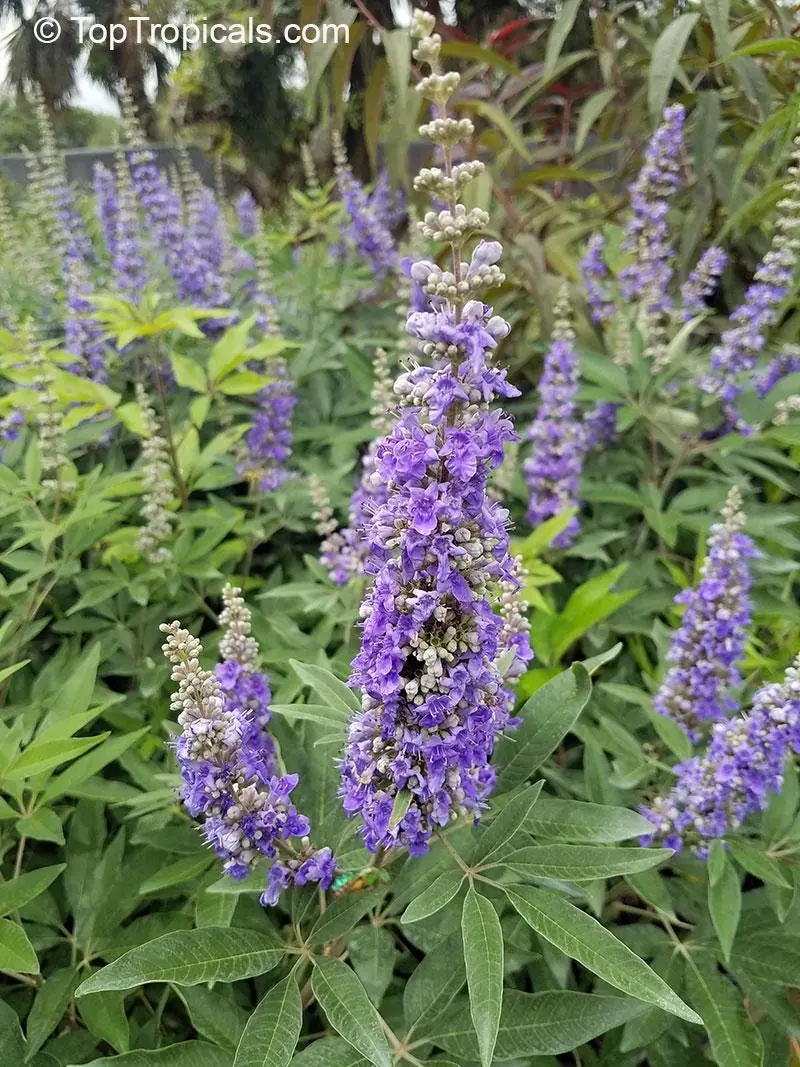
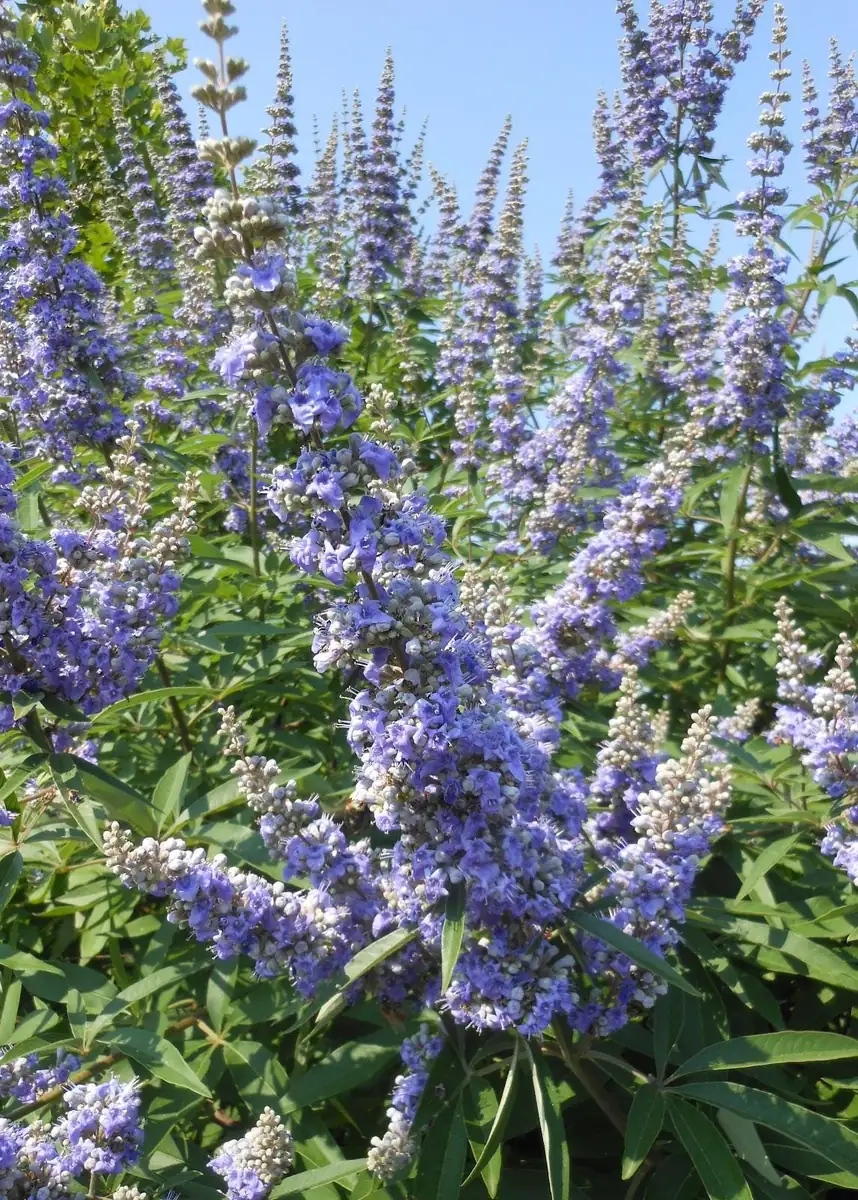
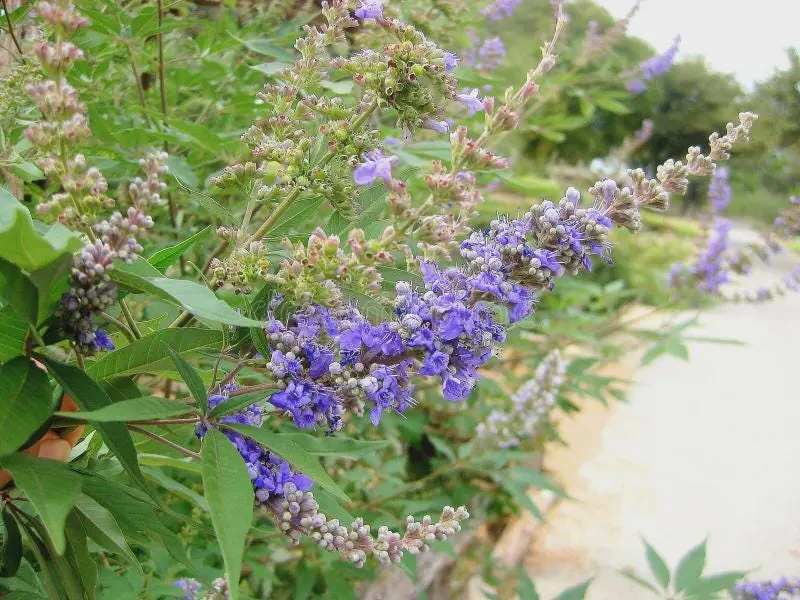
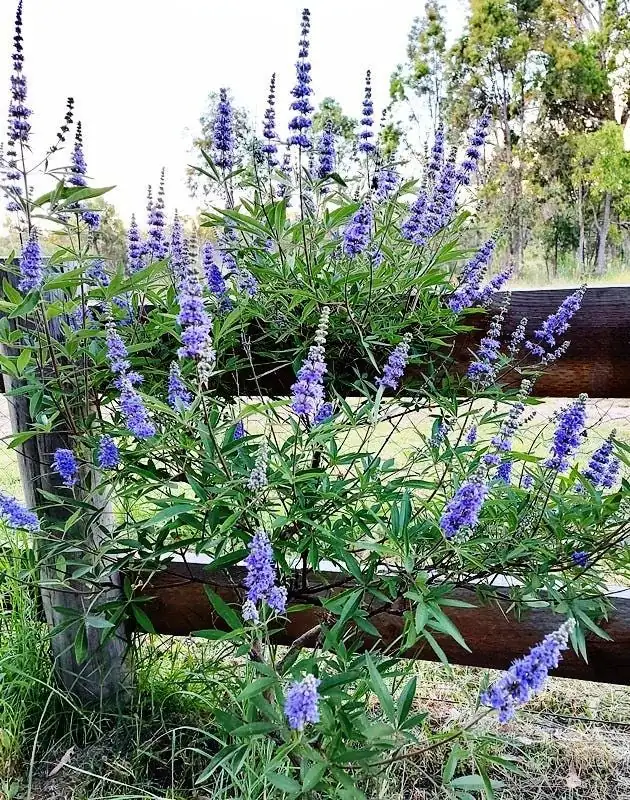
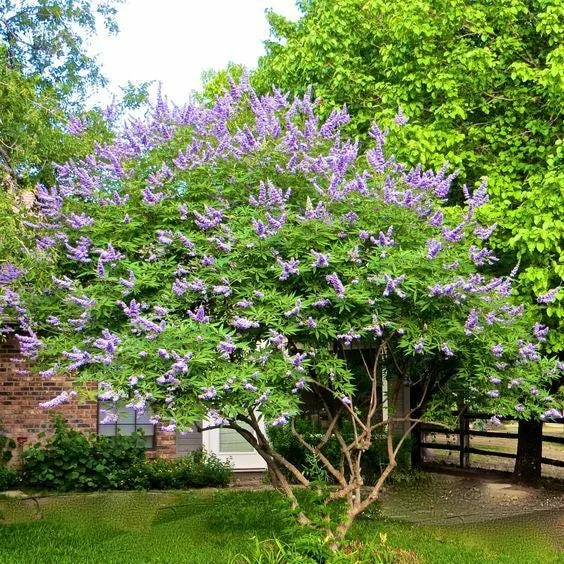
Bring the beauty and fragrance of the Mediterranean to your garden with this offering of two chasteberry tree bareroot plants. Also known as Vitex Agnus-Castus plant or Lilac Chastetree, these deciduous shrubs or small trees are renowned for their delicate, aromatic foliage and striking midsummer to late-summer spikes of fragrant lavender flowers. Originating from the Mediterranean region and parts of Asia, the Vitex Agnus-Castus plant is a versatile and hardy addition to various landscapes, thriving in warm, temperate, and subtropical climates. They are a fantastic choice for gardeners looking to add a touch of elegance and natural charm, while also supporting local ecosystems by attracting beneficial insects. These bareroot specimens provide a robust starting point for establishing healthy, vigorous trees in your outdoor space.
Key Benefits
The chasteberry tree bareroot offers a multitude of benefits for both the gardener and the environment, making it a highly desirable choice for diverse landscaping needs. Its resilience and beauty contribute significantly to garden aesthetics and biodiversity.
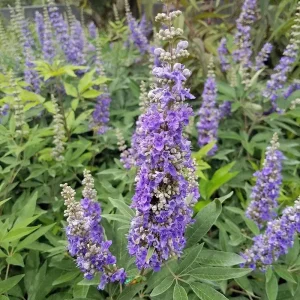
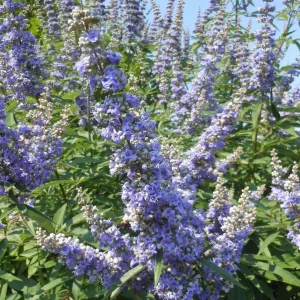
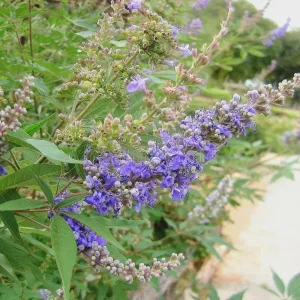
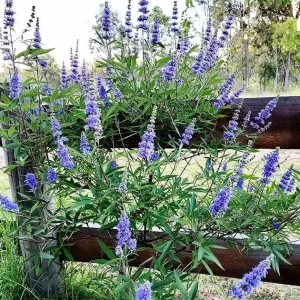
- Stunning Floral Display: Enjoy abundant spikes of fragrant lavender to lilac flowers that bloom from mid-summer into late summer, providing a long-lasting and visually appealing show when many other plants are fading. These vibrant blooms are a highlight in any garden.
- Pollinator Magnet: The fragrant flowers are a powerful attractant for a variety of pollinators, including bees, butterflies, and hummingbirds. Planting a lilac chastetree helps create a thriving habitat, promoting biodiversity and supporting essential pollinator populations.
- Drought Tolerance: Once established, the Vitex Agnus-Castus plant is highly drought-tolerant, making it an excellent choice for xeriscaping or gardens in regions with water conservation concerns. It thrives in dry, sunny environments and well-draining soils.
- Low Maintenance: This hardy plant requires minimal care, especially after establishment. It tolerates a range of soil conditions and is relatively pest and disease-free, reducing the effort needed to maintain its beauty. This makes chaste tree care straightforward.
- Aromatic Foliage: The finely textured, aromatic leaves add another sensory dimension to your garden. The delicate foliage provides an attractive backdrop for the flowers and releases a pleasant scent when brushed or crushed.
- Versatile Landscaping Use: Suitable for use as a specimen plant, in mixed borders, as a hedge, or even in large containers. Its adaptable nature allows it to fit into various garden designs, from formal to naturalistic.
- Erosion Control: Due to its robust root system and ability to thrive in poor soils, the Vitex Agnus-Castus plant can be effective in erosion control, particularly on slopes or along riverbanks where it often naturalizes.
Plant Care & Growing Tips
Proper chaste tree care is essential for ensuring a healthy and vibrant display from your chasteberry tree bareroot plants. These resilient trees are relatively easy to grow, but understanding their specific needs will help them flourish. They typically thrive in conditions that mimic their native Mediterranean habitat.
For optimal growth, plant your Vitex Agnus-Castus plant in a location that receives full sun, meaning at least six hours of direct sunlight per day. While it can tolerate partial shade, flowering will be more prolific and robust in full sun. Ensure the soil is well-draining, as these plants do not tolerate soggy conditions. Loamy, neutral to alkaline soils are ideal, but they are adaptable to various soil types as long as drainage is good. When planting your lilac chastetree, amend heavy clay soils with organic matter to improve drainage. Water regularly during the first growing season to help establish a strong root system. Once established, the tree is quite drought-tolerant and will only need supplemental watering during extended dry periods.
The chasteberry tree bareroot is hardy to USDA Zone 6, tolerating temperatures down to -9°F (-23°C). In colder zones, the plant may die back to the ground during winter, but it will typically regrow vigorously from the roots in spring and flower on new wood, so flowering performance is not usually affected. Pruning is best done in late winter or early spring before new growth begins. Remove any dead or damaged branches and shape the plant as desired. Fertilization is generally not necessary in rich soils, but a balanced slow-release fertilizer can be applied in spring if growth appears sluggish. Watch out for cold and wet weather, which can sometimes lead to dieback. Overall, providing ample sunlight, good drainage, and minimal fuss will ensure your butterfly attracting plant thrives.
Size & Details
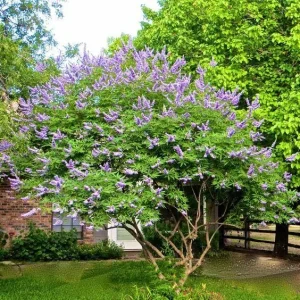
This offering includes two chasteberry tree bareroot plants, ready for planting. As bareroot specimens, they are dormant plants shipped without soil around their roots, which helps reduce shipping stress and allows for easy establishment. Upon planting, these Vitex Agnus-Castus plant specimens can quickly establish themselves and begin to grow. The lilac chastetree typically grows to a height of 3 to 16 feet (1 to 5 meters) and can spread similarly, forming a multi-stemmed shrub or small tree. Its growth rate is moderate to fast, allowing it to quickly fill out a space in your garden. Flowers typically appear in mid to late summer of the first or second year after planting, depending on growing conditions and establishment. These plants are shipped ready to be planted directly into your garden or a large container, providing a solid foundation for a beautiful and resilient specimen.
Frequently Asked Questions
- Q: How big does this plant get? A: The chasteberry tree bareroot typically reaches a height of 3 to 16 feet (1–5 meters) and can spread to a similar width, forming a large shrub or small tree. Its mature size depends on growing conditions and pruning.
- Q: How much sunlight does it need? A: A Vitex Agnus-Castus plant thrives in full sun, requiring at least 6 hours of direct sunlight daily for the best flowering. It can tolerate partial shade, but blooms might be less abundant.
- Q: Is this plant easy to care for? A: Yes, the lilac chastetree is known for its ease of care. Once established, it is drought-tolerant and requires minimal maintenance, making chaste tree care relatively simple for gardeners of all levels.
- Q: What condition will the bareroot plants arrive in? A: Your chasteberry tree bareroot plants will arrive dormant and without soil, carefully packaged to ensure their health during transit. They are ready for immediate planting upon arrival.
- Q: When is the best time to plant? A: The ideal time to plant bareroot trees like the Vitex Agnus-Castus plant is in late winter or early spring, before new growth begins. This allows the roots to establish before the stress of summer heat.
- Q: Will it survive winter in my zone? A: This plant is hardy to USDA Zone 6. In colder zones, it may die back to the ground but will typically regrow from the roots in spring. Consistent cold and wet conditions can be detrimental.
- Q: Does this plant attract pollinators? A: Absolutely! The fragrant lavender flowers of the lilac chastetree are a significant attractant for bees, butterflies, and hummingbirds, making it an excellent butterfly attracting plant for enhancing garden biodiversity.
- Q: What kind of soil does it prefer? A: The chasteberry tree bareroot prefers well-draining soil, ideally loamy and neutral to alkaline. Good drainage is crucial to prevent root rot.
- Q: Can I grow it in a container? A: While it can be grown in a large container, especially in colder zones where it can be moved indoors, ensure the container is substantial and has excellent drainage to accommodate its growth.
- Q: How tall do the flower spikes get? A: The beautiful flower spikes on a mature Vitex Agnus-Castus plant can reach lengths of 6 to 12 inches, creating a dramatic and fragrant display in your garden.


Reviews
There are no reviews yet.