

Overview
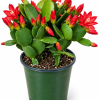
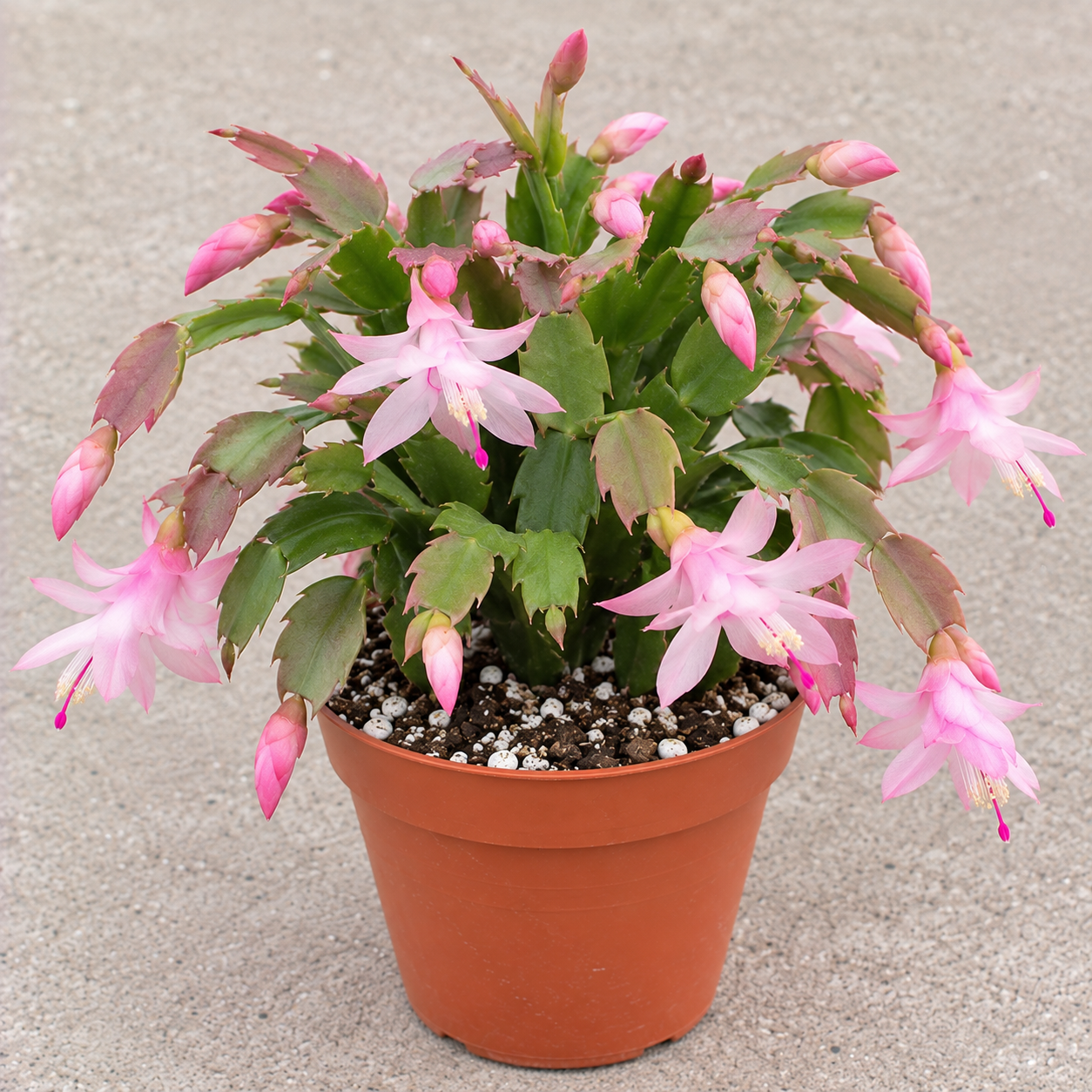
Experience the joy of winter blooms with the enchanting pastel pink Christmas cactus. This delightful live plant, scientifically known as Schlumbergera, is renowned for its spectacular, pendulous flowers that emerge just in time for the holiday season. Our 2 inch potted specimen is ready to bring a burst of soft, elegant pink color to any indoor space. Unlike desert cacti, the Christmas cactus is a tropical epiphyte, meaning it naturally grows on trees in its native rainforest habitat. This makes it a unique and fascinating addition to your houseplant collection, offering vibrant blooms without demanding extensive care. Its segmented stems and graceful arching form provide year-round interest, culminating in a breathtaking floral display when the days shorten.
This particular variety showcases lovely pastel pink hues, creating a serene and festive atmosphere. Whether you’re a seasoned plant enthusiast or new to gardening, a live Christmas cactus plant is a rewarding choice. It’s an ideal gift for loved ones or a special treat for yourself, promising beauty and charm throughout the colder months. Get ready to enjoy the dazzling spectacle of its holiday blooms year after year with proper care.
Key Benefits
The pastel pink Christmas cactus offers a multitude of benefits, making it a beloved choice for indoor plant lovers:
- Stunning Holiday Blooms: Enjoy a vibrant display of delicate pastel pink flowers during the late fall and winter months, perfectly timed for holiday celebrations. These eye-catching blossoms add instant festive cheer to any room.
- Low Maintenance: This plant is surprisingly easy to care for, making it suitable for both beginner and experienced plant parents. With minimal attention, you can enjoy its beauty for many years.
- Long Lifespan: With proper care, a live Christmas cactus plant can live for decades, becoming a cherished family heirloom that provides beauty season after season.
- Air Purifying Qualities: Like many houseplants, the Christmas cactus contributes to a healthier indoor environment by helping to filter and purify the air, promoting better air quality in your home.
- Compact Size: The 2 inch pot size makes this plant perfect for small spaces, windowsills, desks, or as part of a larger plant arrangement. Its manageable size allows it to fit almost anywhere.
- Unique Foliage: Even when not in bloom, the segmented, succulent-like stems of the Schlumbergera plant provide interesting texture and form, adding year-round visual appeal.
- Easy to Propagate: Once established, you can easily propagate new plants from stem cuttings, allowing you to share the beauty of your pastel pink Christmas cactus with friends and family.
Plant Care & Growing Tips
Caring for your pastel pink Christmas cactus is straightforward, ensuring years of beautiful blooms. This tropical plant thrives with specific conditions that mimic its native rainforest environment. For light, provide bright, indirect sunlight. An east-facing window is often ideal, offering gentle morning sun without the harshness of direct afternoon rays which can scorch its delicate foliage. Avoid placing it in direct, intense sunlight, especially during the summer months. To encourage blooming, a period of cooler temperatures (around 50-55°F or 10-13°C) and longer nights in the fall is crucial. Ensure it receives about 12-14 hours of darkness daily for 6-8 weeks leading up to its blooming season.
Watering should be consistent but cautious. Allow the top inch of soil to dry out completely between waterings, then water thoroughly until water drains from the bottom of the pot. Never let the plant sit in standing water, as this can lead to root rot. During its active growing and blooming phases, it will require more frequent watering. Reduce watering significantly during its dormant period after flowering. The ideal soil for a Schlumbergera plant is a well-draining potting mix, ideally one formulated for cacti and succulents, or an orchid mix, which provides excellent aeration. Maintain high humidity around the plant, especially during dry indoor winter air; misting regularly or placing the pot on a pebble tray filled with water can help. Fertilize every 2-4 weeks during the growing season (spring and summer) with a balanced liquid fertilizer diluted to half strength. Stop fertilizing in late summer to prepare for blooming. Common problems include bud drop, often caused by sudden changes in temperature, light, or watering, or insufficient darkness for bloom initiation. Pests are generally not a major issue, but watch for mealybugs or spider mites, treating with insecticidal soap if necessary. The ideal temperature range for this holiday blooming plant is between 65-75°F (18-24°C) during its active growth and slightly cooler for bloom induction.
Size & Details
This offering is for one healthy pastel pink Christmas cactus live plant, grown in a 2 inch nursery pot. The plant’s overall size will vary slightly but typically features several segmented stems, ready to develop into a fuller specimen with time. These plants are known for their moderate growth rate, gradually expanding their reach and producing more prolific blooms each year. When shipped, the plant will be carefully packaged to ensure it arrives in excellent condition, often already showing signs of new growth or even small buds if purchased during the blooming season. With proper care, you can expect this compact plant to mature into a beautiful cascade of stems that can reach 8-12 inches in length. The delicate pastel pink flowers typically emerge in late fall to early winter, providing a stunning display for several weeks. This live Christmas cactus plant is a long-term investment in natural beauty, offering joy for many holiday seasons to come.
Frequently Asked Questions
- Q: How big does this plant get? A: This pastel pink Christmas cactus is provided in a 2 inch pot. With proper care, its stems can grow to be 8-12 inches long, creating a beautiful trailing effect over time.
- Q: Is this an indoor or outdoor plant? A: The Schlumbergera plant is primarily an indoor houseplant in most climates. It can be moved outdoors to a shady spot in warm weather (above 50°F / 10°C) but must be brought inside before temperatures drop.
- Q: How much sunlight does it need? A: This plant thrives in bright, indirect light. Avoid direct, harsh sunlight, especially in the afternoon, as it can burn the leaves. An east-facing window is often ideal.
- Q: Is this plant easy to care for? A: Yes, the live Christmas cactus plant is considered relatively easy to care for, making it a great choice for beginners. Its main requirements are consistent watering, good drainage, and proper light conditions to induce blooming.
- Q: What condition will it arrive in? A: Your plant will arrive carefully packaged in its 2 inch nursery pot, typically in healthy, live condition. We take great care to protect it during transit, ensuring it’s ready to thrive in your home.
- Q: How long until it blooms? A: If provided with the correct conditions, including cooler temperatures and sufficient darkness in the fall, your holiday blooming plant should produce its pastel pink flowers during the late fall and winter months. The exact timing can vary.
- Q: What’s the best soil for a Christmas cactus? A: A well-draining potting mix is essential for a Christmas cactus. Look for a mix specifically designed for cacti and succulents, or one that includes perlite or orchid bark for improved drainage and aeration.
- Q: Is it pet-safe? A: The Christmas cactus (Schlumbergera) is generally considered non-toxic to cats and dogs, making it a safer choice for homes with pets compared to some other houseplants.
- Q: How often should I water my Christmas cactus? A: Water when the top inch of soil feels dry to the touch. Water thoroughly until it drains from the bottom, then discard any excess water. Reduce watering after blooming during its dormant period.
- Q: Can I keep my Christmas cactus blooming all year? A: No, the Christmas cactus care routine involves a natural dormant period followed by blooming. It requires specific light and temperature conditions to trigger its flowering cycle, typically once a year.


Reviews
There are no reviews yet.