Overview
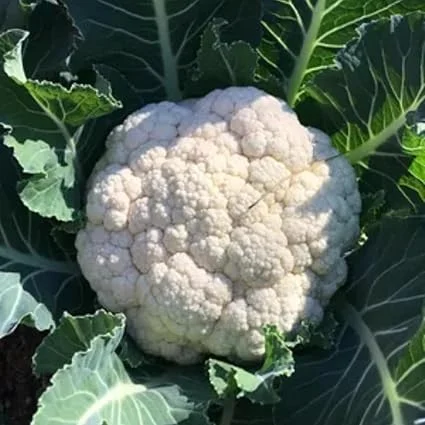
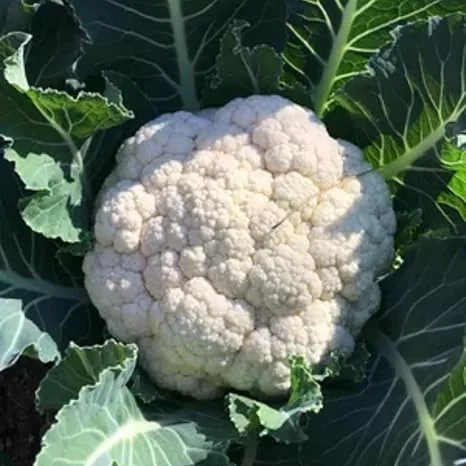
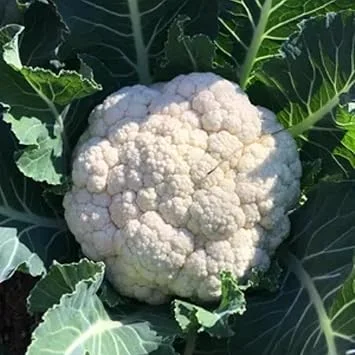
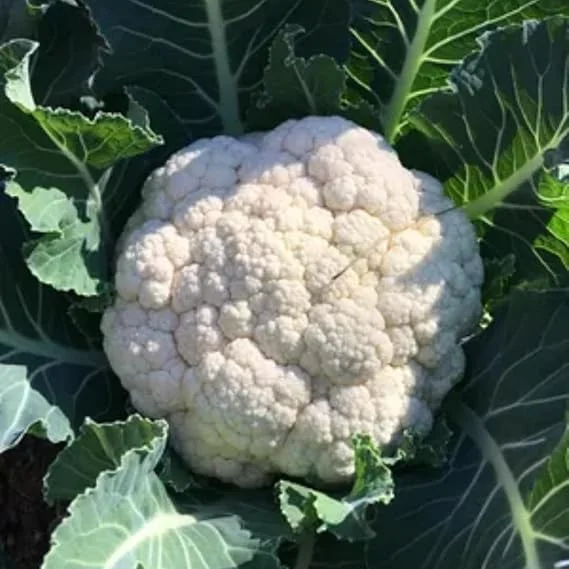
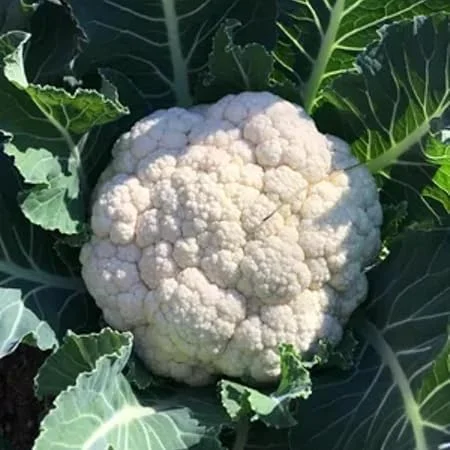
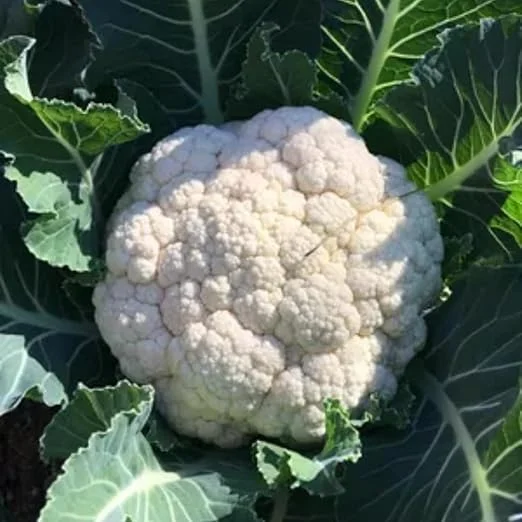
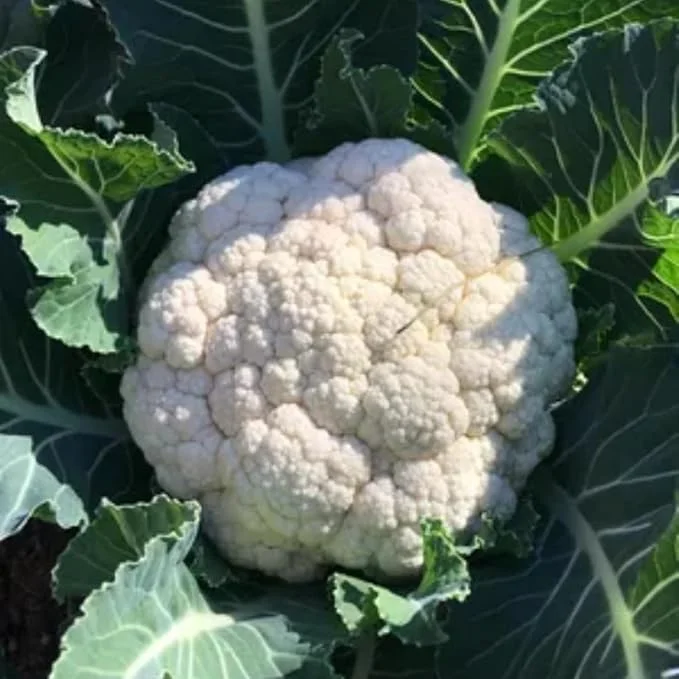
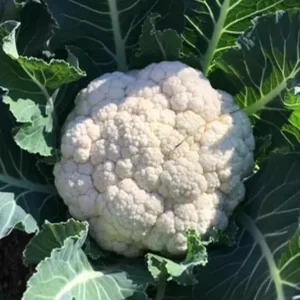
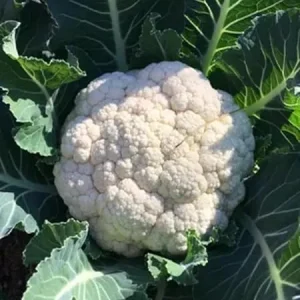
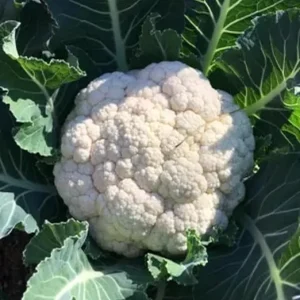
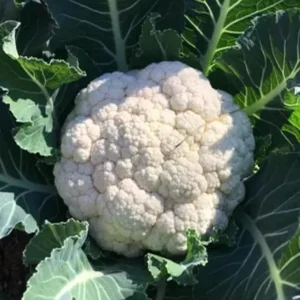
Transform your garden into a bountiful harvest with these premium live cauliflower plants. Each order includes two vigorous, young cauliflower plants, carefully nurtured to ensure a strong start in your home garden. Cauliflower, scientifically known as Brassica oleracea var. botrytis, is a highly nutritious and versatile vegetable, renowned for its dense, edible white ‘curd’. Growing your own cauliflower provides the freshest possible produce, free from pesticides and picked at peak ripeness. These plants are ideal for both novice and experienced gardeners eager to cultivate their own food. Prepare to enjoy the satisfaction of harvesting your very own crisp and delicious cauliflower.
These robust cauliflower vegetable plants are specifically selected for their health and growth potential, arriving ready for immediate planting. They offer an excellent opportunity to experience the joy of gardening and contribute to a sustainable lifestyle. With proper care, these plants will quickly establish themselves, leading to a rewarding yield of this popular cruciferous vegetable.
Key Benefits
Cultivating your own cauliflower offers a multitude of benefits, from fresh, healthy food to the simple pleasure of gardening. These live cauliflower plants provide a convenient and effective way to achieve a successful harvest:
- Fresh, Homegrown Produce: Enjoy the superior taste and nutritional value of freshly picked cauliflower, far surpassing store-bought options. You control the growing conditions, ensuring a healthy and organic harvest.
- Nutrient-Rich Vegetable: Cauliflower is packed with vitamins C and K, fiber, and powerful antioxidants, making it a healthy addition to any diet. Growing your own ensures maximum nutrient retention.
- Easy to Plant: These young plants arrive ready to be transplanted directly into your garden, eliminating the need for seed starting and accelerating your path to harvest. This makes growing cauliflower accessible to all skill levels.
- Rewarding Gardening Experience: Witnessing the growth of your own food from a small plant to a mature head of cauliflower is incredibly satisfying and educational. It connects you directly with nature’s cycle.
- Versatile Culinary Ingredient: Fresh cauliflower can be steamed, roasted, grilled, mashed, or used in a variety of dishes, offering endless culinary possibilities in your kitchen.
- Cost-Effective: Over time, growing your own vegetables can be more economical than continuously purchasing them from grocery stores, particularly for popular items like cauliflower.
- Promotes Healthy Eating: Having fresh vegetables readily available in your garden encourages a healthier diet and lifestyle for you and your family.
Plant Care & Growing Tips
To ensure your live cauliflower plants thrive and produce bountiful curds, providing the right care is crucial. Cauliflower prefers a consistent environment and rich, well-draining soil. When you receive your plants, prepare your garden bed by enriching the soil with compost or well-rotted manure. A soil pH between 6.0 and 7.0 is ideal. Plant your cauliflower about 18-24 inches apart in rows, allowing ample space for growth and air circulation. Ensure the soil remains consistently moist but not waterlogged, especially during the crucial curd formation stage. Irregular watering can lead to small or malformed heads. Aim for about 1-1.5 inches of water per week, either from rain or irrigation. Mulching around the plants can help retain soil moisture and suppress weeds.
Cauliflower is a cool-season crop and performs best in temperatures between 60-75°F (15-24°C). While it needs full sun vegetable plants exposure (at least 6-8 hours of direct sunlight daily), it doesn’t tolerate extreme heat. In warmer climates, consider providing some afternoon shade to prevent bolting or scorching of the curds. Fertilize your plants every 3-4 weeks with a balanced, all-purpose fertilizer or one high in phosphorus and potassium to encourage strong root and curd development. Watch out for common pests like cabbage worms and aphids; organic pest control methods or row covers can be effective. A unique aspect of growing cauliflower is ‘blanching,’ which involves tying the outer leaves over the developing curd to protect it from sunlight, keeping it white and tender. This step is essential for many white varieties, though some newer self-blanching types exist. Knowing how to plant cauliflower correctly and providing consistent care will lead to delicious results.
Size & Details
This offering includes two healthy live cauliflower plants, each measuring approximately 3 to 5 inches in height upon arrival. These young plants are shipped in individual nursery pots, ensuring their roots are protected and they are ready for immediate transplanting into your garden or larger containers. Cauliflower typically matures in 50-100 days from transplanting, depending on the variety and growing conditions. Once mature, each plant will produce one large, central head of cauliflower. The overall size of the mature plant can reach 1.5 to 2.5 feet in height and spread. These plants are ideal for starting your own backyard vegetable patch, allowing you to cultivate fresh, organic produce with ease. They are designed to give you a head start on the growing season compared to starting from seed, making the process of growing cauliflower more accessible and faster.
Frequently Asked Questions
- Q: How big do these live cauliflower plants get? A: Upon arrival, each plant is 3 to 5 inches tall. When mature, a cauliflower plant can reach 1.5 to 2.5 feet in height and spread, producing one large head.
- Q: Is this an indoor or outdoor plant? A: These are primarily outdoor plants, suitable for garden beds or large outdoor containers where they can receive ample sunlight. They are not typically grown as indoor houseplants.
- Q: How much sunlight do these cauliflower vegetable plants need? A: Cauliflower requires full sun vegetable plants exposure, meaning at least 6-8 hours of direct sunlight per day to grow optimally and produce a good harvest.
- Q: Is this plant easy to care for? A: Yes, these young plants are relatively easy to care for, especially since they arrive established. Consistent watering and adequate sunlight are key for successful growing cauliflower.
- Q: What condition will the plants arrive in? A: Your live cauliflower plants will arrive healthy and actively growing, securely packaged in individual pots to protect their roots during transit.
- Q: When is the best time to plant cauliflower? A: Cauliflower is a cool-season crop. The best time to plant cauliflower is in early spring for a summer harvest, or late summer for a fall harvest, avoiding the hottest parts of summer.
- Q: How long until I can harvest the cauliflower? A: You can typically expect to harvest your cauliflower heads within 50-100 days after transplanting, depending on the specific variety and growing conditions.
- Q: What kind of soil is best for these plants? A: Cauliflower thrives in rich, well-draining soil with a pH between 6.0 and 7.0. Amending your garden soil with compost is highly recommended.
- Q: Do I need to do anything special to keep the cauliflower head white? A: Yes, for many white varieties, ‘blanching’ is recommended. This involves tying the outer leaves over the developing curd to shield it from direct sunlight, preventing discoloration.
- Q: Are these plants suitable for beginners? A: Absolutely! These ready-to-plant starts make growing cauliflower much simpler for beginners, removing the challenge of germinating seeds.


Reviews
There are no reviews yet.