Overview
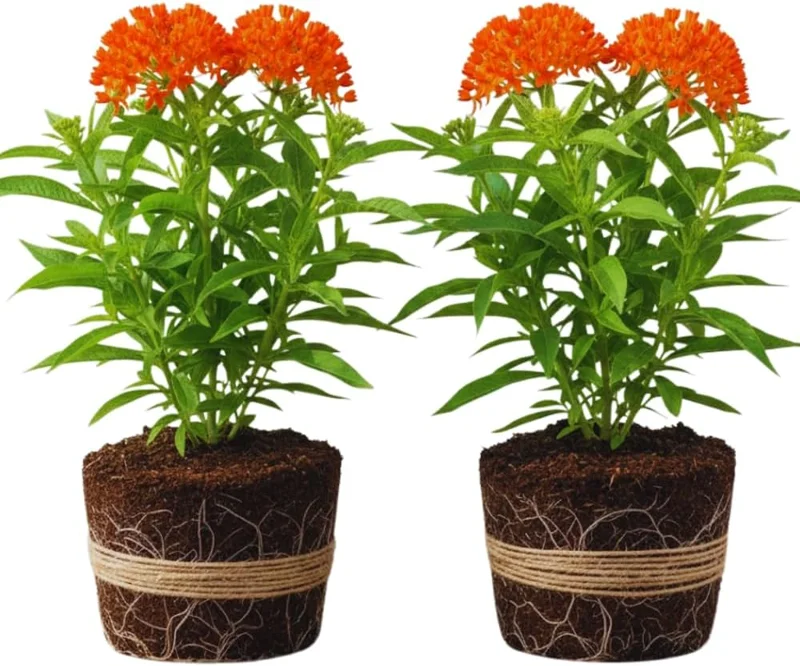
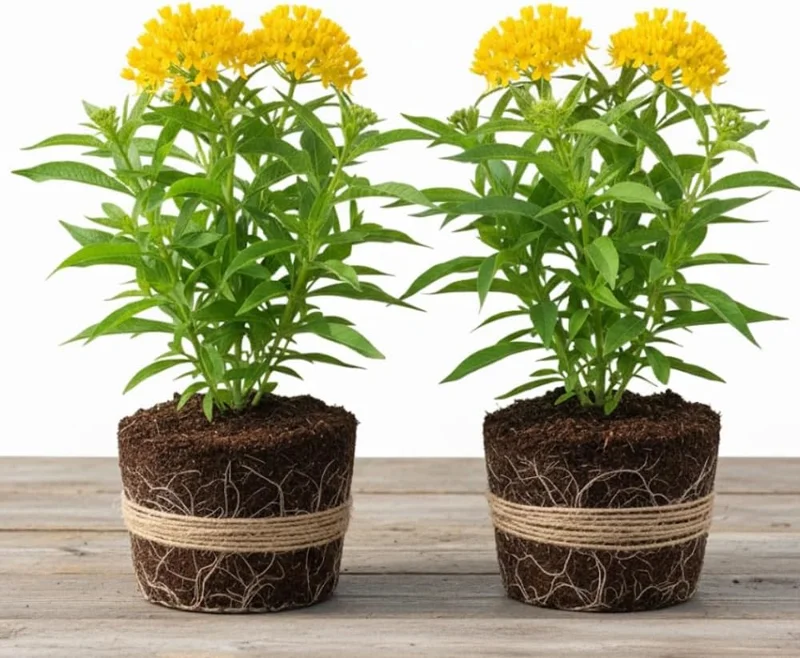
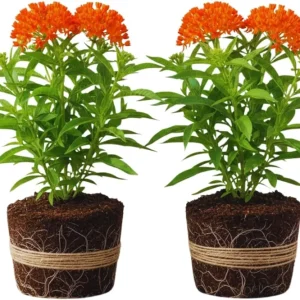
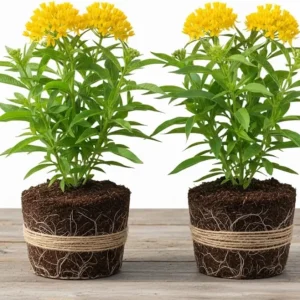
Bring life and color to your outdoor space with these beautiful live milkweed plants. Specifically, you will receive two vibrant Asclepias Tuberosa plants, also known as Butterfly Milkweed, ready to thrive in your garden. These essential plants are crucial for supporting monarch butterfly populations, serving as the sole food source for their caterpillars. Each plant measures between 5 to 8 inches tall, making them perfect starter plants for establishing a new butterfly habitat or enhancing an existing one. With their bright red-orange flowers, these hardy plants not only provide ecological benefits but also add significant aesthetic value to any landscape. They are a must-have for anyone interested in creating a biodiverse and visually appealing garden.
Cultivating live milkweed plants is a rewarding experience, offering the chance to observe the fascinating life cycle of monarch butterflies up close. These particular plants are well-suited for a variety of outdoor gardening settings, providing a splash of color from mid to late summer. Their robust nature makes them a fantastic choice for both novice and experienced gardeners looking to make a positive environmental impact. Understanding asclepias tuberosa care is straightforward, ensuring these plants flourish with minimal fuss once established.
Key Benefits
Investing in live milkweed plants offers a multitude of benefits for both your garden and the environment. These are not just ordinary plants; they are ecological powerhouses that contribute significantly to biodiversity.
- Monarch Butterfly Habitat: These live milkweed plants are vital for the survival of monarch butterflies, providing the only food source for their caterpillars. By planting them, you directly contribute to the conservation of this iconic species.
- Vibrant Garden Addition: The striking red-orange flowers of Asclepias Tuberosa add a brilliant pop of color to any garden, creating a visually appealing landscape that attracts not only monarchs but also other beneficial pollinators like bees and hummingbirds.
- Drought-Tolerant & Low Maintenance: Once established, these milkweed plants are incredibly resilient. They are known for their drought tolerance and require minimal care, making them an excellent choice for gardeners seeking beautiful, yet easy-to-manage, plants.
- Supports Pollinators: Beyond monarchs, the nectar-rich flowers attract a wide array of pollinators, enhancing the overall health and productivity of your garden and local ecosystem. This makes them a cornerstone for any butterfly garden plants initiative.
- Hardy & Adaptable: These plants are suitable for a broad range of climates, thriving in USDA Hardiness Zones 3 to 9. This wide adaptability ensures that many gardeners can successfully incorporate growing milkweed outdoors into their plans.
- Educational Opportunity: Observing the monarch life cycle from egg to butterfly on your own plants provides a unique educational experience for families, schools, and individuals, fostering a deeper connection to nature.
- Natural Beauty: The distinctive clusters of red milkweed flowers create an eye-catching display, turning your garden into a focal point of natural beauty and ecological activity.
Plant Care & Growing Tips
Ensuring the success of your live milkweed plants begins with proper planting and ongoing care. These plants are relatively low-maintenance, especially once established, but a good start can make all the difference. The most crucial factor for Asclepias Tuberosa is sunlight. They prefer full sun exposure, meaning at least 6 hours of direct sunlight per day. Choose a location in your garden that receives ample sun throughout the day for optimal growth and flowering. Insufficient sunlight can lead to leggy growth and fewer blooms, so prioritize a sunny spot when considering growing milkweed outdoors.
When it comes to watering, live milkweed plants are quite drought-tolerant once mature. During the initial planting phase and through their first growing season, consistent watering is important to help them establish strong root systems. Aim to keep the soil consistently moist but not waterlogged. After establishment, they can tolerate drier conditions, making them a good choice for xeriscaping or areas with less frequent irrigation. Well-draining soil is essential to prevent root rot. A sandy or gravelly loam is ideal, but they can adapt to various soil types as long as drainage is good. Fertilization is generally not heavily required; however, a light application of a balanced, slow-release fertilizer in early spring can encourage robust growth and more vibrant red milkweed flowers.
These plants are hardy in USDA Zones 3 to 9, meaning they can withstand a wide range of winter temperatures. In colder zones, they will die back to the ground in winter and re-emerge in spring. Deadheading spent flowers can encourage more blooms throughout the season and prevent excessive self-seeding if desired. Keep an eye out for aphids, which are common pests on milkweed. A strong spray of water or an insecticidal soap can effectively manage them. By following these straightforward asclepias tuberosa care guidelines, you can enjoy a vibrant, butterfly-attracting garden for years to come.
Size & Details
This offering includes two individual live milkweed plants, specifically the species Asclepias Tuberosa. Each plant is a healthy starter, measuring approximately 5 to 8 inches in height upon arrival. These plants are shipped as starter plants, meaning they are not potted in their final container, but are ready for immediate transplanting into your garden or a larger pot. Typically, these plants will grow to a mature height of about 18 to 36 inches (1.5 to 3 feet) tall, forming a sturdy, upright clump. They will spread moderately over time, creating a beautiful patch of butterfly garden plants. Expect the first vibrant red milkweed flowers to appear from mid to late summer, attracting a host of pollinators.
These plants are perennial, meaning they will return year after year, dying back in winter and re-emerging in spring. They are well-suited for outdoor environments and are robust enough to establish quickly when provided with the right conditions. Their mature size makes them ideal for borders, meadows, or dedicated pollinator gardens. The growth rate is moderate, allowing you to see significant development within the first growing season. This ensures you’ll soon have a thriving habitat for monarch caterpillars and adult butterflies. For successful growing milkweed outdoors, choose a spot where they have room to reach their full potential.
Frequently Asked Questions
- Q: How big do these milkweed plants get? A: These live milkweed plants are 5 to 8 inches tall when shipped. Once mature, Asclepias Tuberosa typically grows to a height of about 18 to 36 inches (1.5 to 3 feet), forming a lovely clump of red milkweed flowers.
- Q: Is this an indoor or outdoor plant? A: These are primarily outdoor plants. While they can be started indoors in certain conditions, they thrive best when planted directly in the garden where they can receive full sun exposure. They are excellent butterfly garden plants.
- Q: How much sunlight does it need? A: Asclepias Tuberosa requires full sun exposure, meaning at least 6 hours of direct sunlight per day, to produce the most blooms and maintain healthy growth. This is a key aspect of asclepias tuberosa care.
- Q: Is this plant easy to care for? A: Yes, these live milkweed plants are considered relatively easy to care for, especially once established. They are drought-tolerant and perform well with minimal intervention, making them great for beginners interested in growing milkweed outdoors.
- Q: What condition will it arrive in? A: Your order will include two healthy starter plants, measuring 5 to 8 inches tall. They are carefully packaged to ensure they arrive in good condition, ready for planting.
- Q: How long until it blooms? A: These live milkweed plants typically begin to bloom from mid to late summer in their first or second year, depending on planting time and growing conditions. The vibrant red milkweed flowers are a beautiful sight.
- Q: Will it survive winter in my zone? A: Yes, Asclepias Tuberosa is hardy in USDA Zones 3 to 9. In colder climates, the plant will die back to the ground in winter and reliably re-emerge in spring, continuing its cycle as one of your favorite butterfly garden plants.
- Q: What type of soil does it prefer? A: These plants prefer well-draining soil, ideally a sandy or gravelly loam. Good drainage is crucial to prevent root issues, which is an important consideration for asclepias tuberosa care.
- Q: Can these plants attract monarch butterflies? A: Absolutely! These live milkweed plants are specifically Asclepias Tuberosa, which is the host plant for monarch butterfly caterpillars, making them essential for attracting and supporting monarch populations.
- Q: What is the best time to plant these? A: The best time for growing milkweed outdoors is typically in the spring after the last frost, or in early fall in warmer climates. This allows the plants ample time to establish before extreme temperatures.


Reviews
There are no reviews yet.