Overview
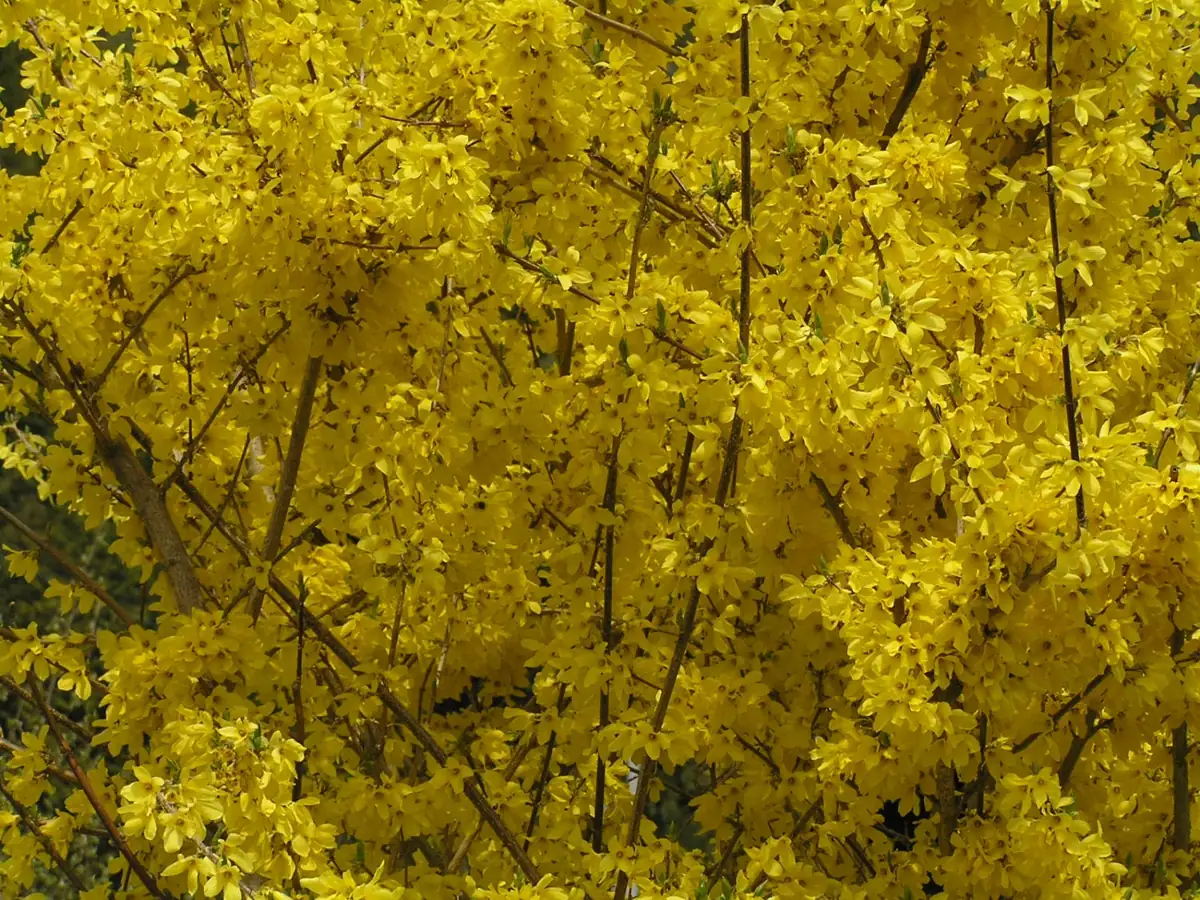
Transform your garden into a vibrant spectacle with the addition of the Lynwood Gold Forsythia live plant. This exceptional deciduous shrub, scientifically known as Forsythia x intermedia ‘Lynwood’, is celebrated for its spectacular display of bright yellow flowers that herald the arrival of spring. The ‘Lynwood Gold’ variety is particularly prized for its abundant, bell-shaped blooms that completely cover its branches before the leaves emerge, creating a stunning golden cascade. Not just a spring showstopper, this versatile shrub also offers attractive deep green foliage throughout the summer, transitioning to beautiful hues of yellow, orange, and red in the fall, providing multi-season interest. These particular Lynwood Gold Forsythia live plants are offered as a pair, rooted in 4-inch containers, ready to thrive in your outdoor space and establish quickly, offering a fast-growing solution for gardeners seeking immediate impact.
The Lynwood Gold Forsythia live plant is a popular choice for its hardiness, ease of care, and rapid growth rate. It can quickly form a dense hedge or serve as a striking specimen plant, providing excellent privacy or a vibrant focal point. Its cheerful blossoms are a welcome sight after the long winter months, attracting early pollinators and brightening any landscape. Whether you’re a seasoned gardener or just starting, the ‘Lynwood Gold’ Forsythia is a rewarding plant that promises a dazzling floral show year after year.
Key Benefits
The Lynwood Gold Forsythia live plant offers a multitude of benefits, making it an excellent choice for a wide range of garden designs and needs. Its robust nature and stunning visual appeal contribute significantly to any outdoor setting.
- Spectacular Spring Blooms: Enjoy a breathtaking display of bright, golden yellow flowers that densely cover the branches in early spring, often before other plants begin to leaf out. This vibrant burst of color is unmatched and a true sign of spring’s arrival.
- Attractive Fall Foliage: Beyond its spring show, the foliage transforms into beautiful shades of yellow, orange, and sometimes red in autumn, adding another layer of seasonal interest to your garden.
- Fast Growth Rate: Known for its vigorous growth, the fast growing forsythia can add 3-4 feet in height annually, quickly establishing itself and providing desired coverage or height in your landscape.
- Versatile Landscape Use: Ideal for creating informal hedges, borders, privacy screens, or as an accent plant. Its adaptability makes it suitable for various garden styles and functions.
- Low Maintenance: This hardy yellow flowering shrub is relatively easy to care for, tolerant of a wide range of soil conditions, and generally resistant to pests and diseases, making it a great option for busy gardeners.
- Deer Resistant: Forsythia is generally considered deer resistant, which is a significant advantage in areas where deer browsing can be an issue for other plant species.
- Attracts Pollinators: The early spring flowers provide a valuable nectar source for early-season pollinators like bees, contributing to the biodiversity of your garden.
Plant Care & Growing Tips
Caring for your Lynwood Gold Forsythia live plant is straightforward, ensuring a magnificent display each year. This resilient yellow flowering shrub thrives with minimal intervention, making it a favorite among gardeners.
For optimal growth, plant your Forsythia in an area that receives full sun, meaning at least 6 hours of direct sunlight per day. While it can tolerate partial shade, a sunnier location will result in a more prolific bloom. When it comes to soil, the fast growing forsythia is adaptable but prefers well-draining soil. It can grow in a variety of soil types, including clay, loam, or sandy soil, as long as it doesn’t remain waterlogged. Good drainage is crucial to prevent root rot. Once established, Forsythia is moderately drought-tolerant, but consistent watering during dry spells, especially in its first year, will promote strong root development.
The best time to prune your Lynwood Gold care regimen is immediately after its spring flowering. Pruning at this time allows the plant to set new flower buds for the following year on old wood. Avoid pruning in late summer or fall, as this will remove the buds for next spring’s blooms. Remove any dead, damaged, or crossing branches, and thin out about one-third of the oldest, thickest stems from the base to encourage new growth and maintain a vigorous, open form. Fertilization is generally not necessary in rich soils, but if your soil is poor, a balanced, slow-release fertilizer applied in early spring can be beneficial. This plant is hardy in USDA Zones 5-8, tolerating a range of winter temperatures. Protect young plants from harsh winter winds in colder zones. Keeping an eye out for pests and diseases is part of good spring blooming plant care, though Forsythia is generally robust.
Size & Details
These 2 Lynwood Gold Forsythia live plants are currently rooted and thriving in 4-inch containers, providing a solid foundation for transplanting into your garden. At the time of shipping, the plants typically range from 6-12 inches in height, ready to establish quickly in their new environment. The ‘Lynwood Gold’ Forsythia is a vigorous grower, known for its rapid development, often adding 3-4 feet of height annually under ideal conditions. At maturity, this stunning yellow flowering shrub can reach an impressive size of 8-10 feet in both height and width, forming a substantial and impactful presence in your landscape.
The substantial mature size makes it an excellent choice for creating dense privacy screens, vibrant hedges, or as a standalone specimen plant. With proper care, you can expect these fast growing forsythia plants to reach their mature dimensions within a few years, providing a magnificent floral display each spring. The plants are shipped in their containers with sufficient soil to ensure their health during transit and successful planting upon arrival. Planting instructions will be included to guide you through the process, ensuring the best start for your new spring blooming plant.
Frequently Asked Questions
- Q: How big does this Lynwood Gold Forsythia live plant get? A: The Lynwood Gold Forsythia live plant is a fast-growing shrub that typically reaches a mature size of 8-10 feet in height and 8-10 feet in width, creating a substantial presence in the landscape.
- Q: What size pot does it come in? A: These Lynwood Gold Forsythia live plants are shipped rooted in 4-inch containers, making them easy to transplant into your garden or a larger pot.
- Q: Is this an indoor or outdoor plant? A: The Lynwood Gold Forsythia live plant is an outdoor shrub, perfectly suited for garden beds, hedges, or as a specimen plant in USDA Zones 5-8. It thrives in open, sunny environments.
- Q: How much sunlight does it need? A: For the best floral display, this yellow flowering shrub requires full sun, meaning at least 6 hours of direct sunlight per day. It can tolerate partial shade, but blooming may be less prolific.
- Q: Is this plant easy to care for? A: Yes, the Lynwood Gold Forsythia live plant is known for its hardiness and ease of care, making it an excellent choice for both experienced and novice gardeners. It’s relatively low maintenance once established.
- Q: What condition will it arrive in? A: Your Lynwood Gold Forsythia live plant will arrive as a healthy, rooted plant in its 4-inch container, typically 6-12 inches tall, ready for planting.
- Q: How long until it blooms? A: Depending on the planting time and climate, your spring blooming plant may produce flowers in its first spring after planting, or certainly by its second year, as it establishes its root system.
- Q: When is the best time to plant this fast growing forsythia? A: The best time to plant your fast growing forsythia is in early spring or early fall when temperatures are moderate, allowing the plant to establish its roots before extreme weather.
- Q: Will it survive winter in my zone? A: The Lynwood Gold Forsythia live plant is hardy in USDA Zones 5-8, meaning it can withstand winter temperatures typical of these regions.
- Q: Is this plant deer resistant? A: Yes, Forsythia is generally considered to be deer resistant, which can be a significant advantage in areas with deer populations.


Reviews
There are no reviews yet.