Overview
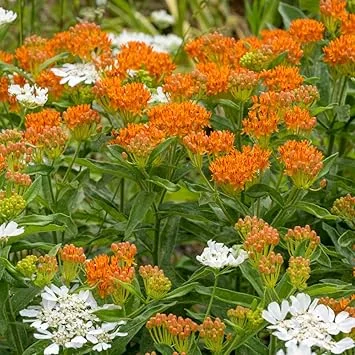
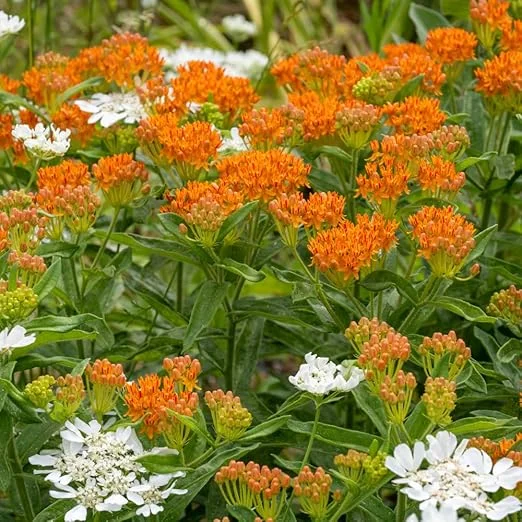
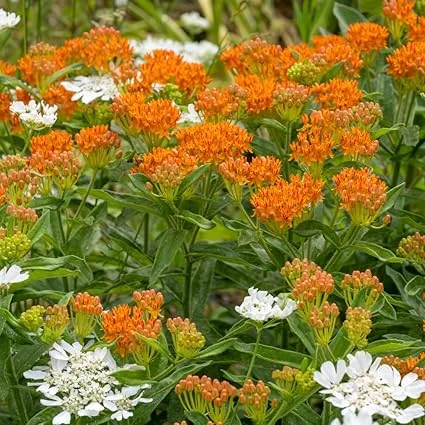
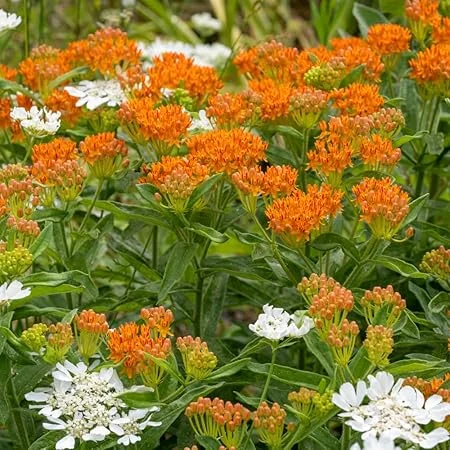
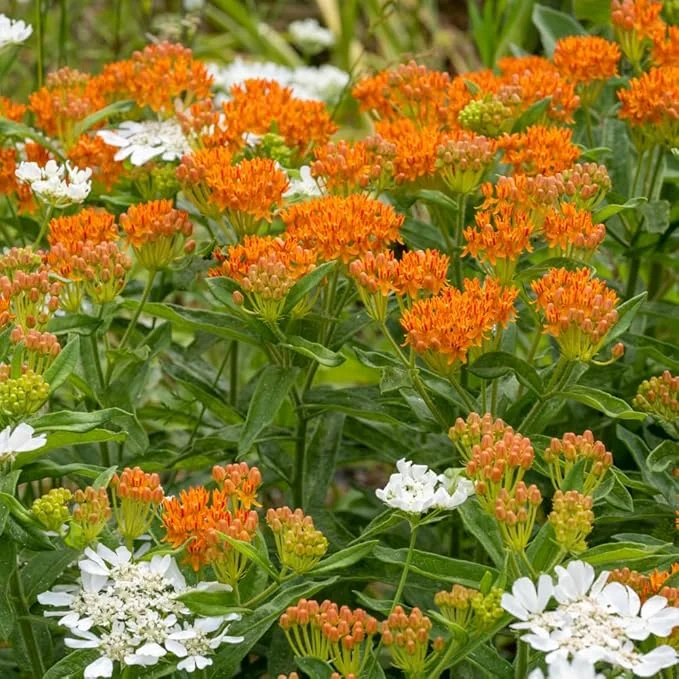
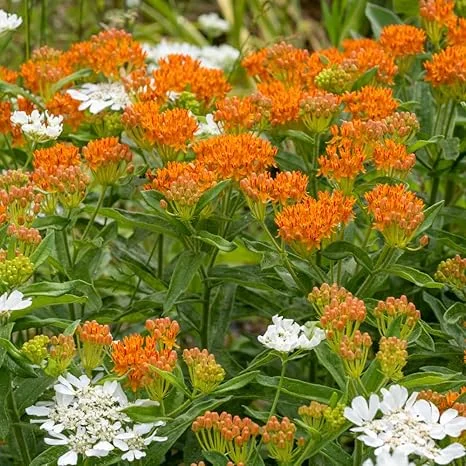
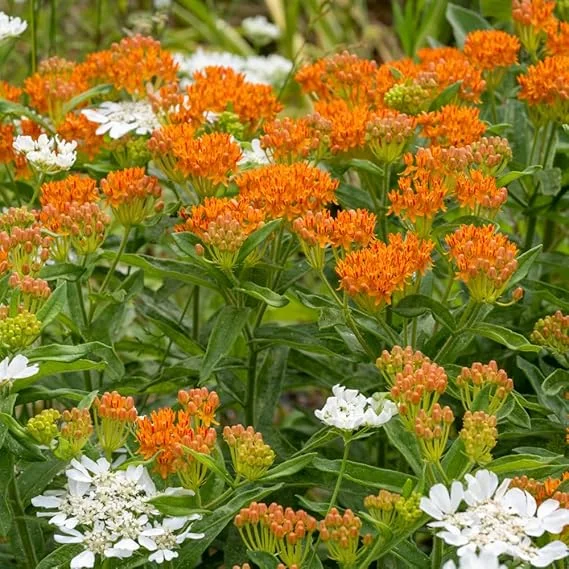
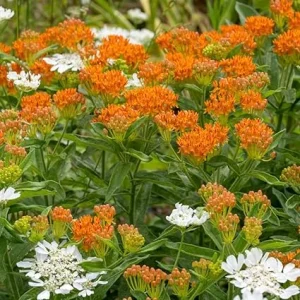
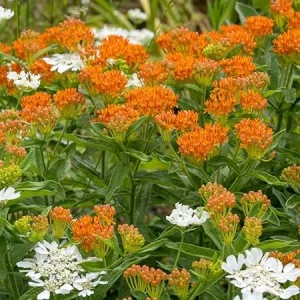
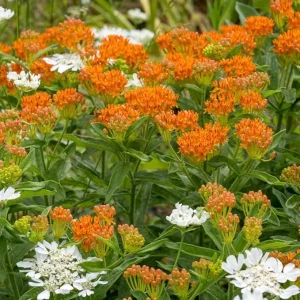
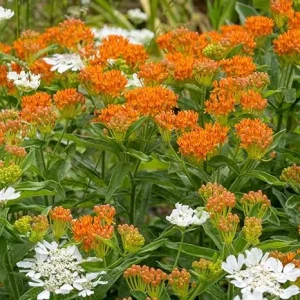
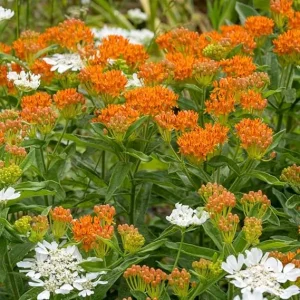
Introduce a burst of color and a vital food source for pollinators into your garden with this 2-pack of orange butterfly milkweed live plant. Known botanically as Asclepias tuberosa, this native perennial is celebrated for its brilliant orange flowers and its crucial role in the life cycle of monarch butterflies. Unlike other milkweeds, it does not produce a milky sap, making it a unique and valuable addition to any landscape. These robust plants arrive ready to thrive, offering an immediate impact on your garden’s biodiversity and aesthetic appeal. Perfect for gardeners looking to support local ecosystems while enjoying stunning floral displays, this orange butterfly milkweed live plant is a resilient and rewarding choice.
Each plant in this 2-pack is cultivated for health and vigor, ensuring a strong start in your outdoor space. Asclepias tuberosa care is relatively simple, making it suitable for both experienced gardeners and those new to pollinator-friendly planting. The vibrant orange blooms appear from late spring through early fall, providing continuous nectar for a variety of beneficial insects. By planting this orange butterfly milkweed live plant, you contribute directly to the conservation of monarch butterflies, whose populations depend on milkweed as their sole food source during the larval stage. Create a haven for wildlife and enjoy the natural beauty these plants bring to your yard.
Key Benefits
Adding orange butterfly milkweed live plant to your garden offers numerous advantages, from ecological support to aesthetic enhancement. These plants are not just beautiful; they are also highly beneficial for the environment.
- Pollinator Magnet: This Asclepias tuberosa is a powerhouse for attracting a wide array of pollinators, including monarch butterflies, bees, and other beneficial insects. Its nectar-rich flowers provide essential sustenance, making your garden a vibrant hub of activity.
- Monarch Butterfly Host Plant: Crucial for the survival of monarch butterflies, this milkweed variety serves as the exclusive host plant for monarch caterpillars. By providing this vital resource, you directly support monarch conservation efforts.
- Drought Tolerant & Low Maintenance: Once established, orange butterfly milkweed live plant is remarkably drought-tolerant and requires minimal care. It thrives in various conditions and is an excellent choice for gardeners seeking resilient, easy-to-grow plants.
- Long Blooming Season: Enjoy a prolonged display of bright orange flowers from late spring through early fall. This extended bloom period ensures continuous beauty and a steady food source for pollinators throughout the warmer months.
- Native Plant Benefits: As a native species, Asclepias tuberosa is well-adapted to local climates and ecosystems, contributing to ecological balance and requiring fewer resources than non-native alternatives.
- Deer Resistant: Generally, deer tend to avoid milkweed plants, which is a significant advantage for gardeners in areas with deer populations, helping to protect your garden investments.
- Vibrant Garden Addition: The striking orange clusters of blooms add a spectacular splash of color to garden beds, borders, and naturalized areas, enhancing the visual appeal of any outdoor space.
Plant Care & Growing Tips
Ensuring the success of your orange butterfly milkweed live plant begins with understanding its specific care requirements. These plants are relatively easy to grow, especially when provided with the right conditions from the start. They are known for their resilience and ability to thrive once established, making Asclepias tuberosa care straightforward for most gardeners. Proper sunlight, soil, and watering are key to promoting vigorous growth and abundant blooms throughout the season.
For optimal growth, orange butterfly milkweed live plant requires full sun exposure, meaning at least six to eight hours of direct sunlight per day. Plant them in a location where they will receive ample sun to encourage prolific flowering and strong stems. The ideal soil type is well-drained, sandy, or loamy soil. Avoid heavy clay soils that retain too much moisture, as this can lead to root rot. While they can tolerate a range of soil pH, a neutral to slightly acidic soil is generally preferred. When planting, ensure the crown of the plant is level with the ground. These plants are hardy in USDA zones 4-9, indicating their ability to withstand cold winters and hot summers within this range.
Watering should be regular until the plants are well-rooted. Once established, orange butterfly milkweed live plant becomes quite drought-tolerant and will only need occasional watering during prolonged dry spells. Overwatering should be avoided. Fertilization is generally not necessary, especially if planted in fertile soil, as milkweed thrives in leaner conditions. If your soil is very poor, a light application of a balanced, slow-release fertilizer in early spring can be beneficial. Deadheading spent flowers can encourage more blooms, though allowing some flowers to go to seed will help with natural propagation and provide food for birds. Keep an eye out for aphids, a common pest for milkweed; a strong spray of water or insecticidal soap can effectively manage them. Knowing how to grow butterfly milkweed successfully means creating a suitable environment that mimics its natural habitat.
Size & Details
This offering includes two healthy orange butterfly milkweed live plant specimens, ready for planting. Each plant is carefully cultivated to ensure robust root systems and vigorous growth upon arrival. While exact dimensions may vary slightly depending on the growth stage at the time of shipping, you can expect plants that are well-established and prepared to flourish in your garden. Asclepias tuberosa typically grows to a height of 1-3 feet (30-90 cm) and spreads about 1-2 feet (30-60 cm) wide, forming attractive clumps of upright stems with lance-shaped leaves.
These plants are shipped as live potted plants, ensuring minimal transplant shock and a faster establishment period. They will begin to bloom from late spring through early fall, providing a long season of vibrant orange flowers. The growth rate is moderate, and they will reach their mature size within a couple of years. The plants are ideal for perennial borders, native plant gardens, meadows, and pollinator gardens. Understanding these details helps in planning your garden layout and ensures you provide the best conditions for your milkweed plants for butterflies.
Frequently Asked Questions
- Q: How big does this orange butterfly milkweed live plant get? A: This plant typically grows to a mature height of 1 to 3 feet tall and spreads about 1 to 2 feet wide, forming a sturdy, upright clump in your garden.
- Q: Is this an indoor or outdoor plant? A: Orange butterfly milkweed (Asclepias tuberosa) is an outdoor perennial plant. It thrives in full sun conditions in garden beds and naturalized areas.
- Q: How much sunlight does Asclepias tuberosa need? A: These plants require full sun exposure, meaning at least 6-8 hours of direct sunlight daily, to produce the most vibrant blooms and support healthy growth.
- Q: Is this plant easy to care for? A: Yes, orange butterfly milkweed is considered low-maintenance once established. It’s drought-tolerant and generally disease-resistant, making Asclepias tuberosa care quite simple for most gardeners.
- Q: What condition will the plants arrive in? A: Your orange milkweed plants for butterflies will arrive as live, healthy, potted plants, carefully packaged to ensure they reach you in excellent condition and ready for planting.
- Q: When is the best time to plant orange butterfly milkweed? A: The best time to plant is in spring after the last frost, or in early fall. This allows the plant to establish its root system before extreme temperatures.
- Q: Will these plants attract monarch butterflies? A: Absolutely! Orange butterfly milkweed is a primary host plant for monarch butterfly caterpillars and a significant nectar source for adult monarchs and other pollinators.
- Q: What USDA zones are suitable for this plant? A: This plant is hardy in USDA Zones 4-9, meaning it can tolerate a wide range of winter temperatures and will return year after year in these regions.
- Q: Can I grow orange milkweed seeds instead of a live plant? A: While you can grow from seeds, purchasing a live plant provides an immediate head start and quicker establishment in your garden, often resulting in blooms sooner.
- Q: Do I need to fertilize my orange butterfly milkweed live plant? A: Generally, milkweed does not require heavy fertilization and can thrive in lean soils. If your soil is very poor, a light, balanced fertilizer in spring can be applied.


Reviews
There are no reviews yet.