Overview
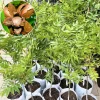
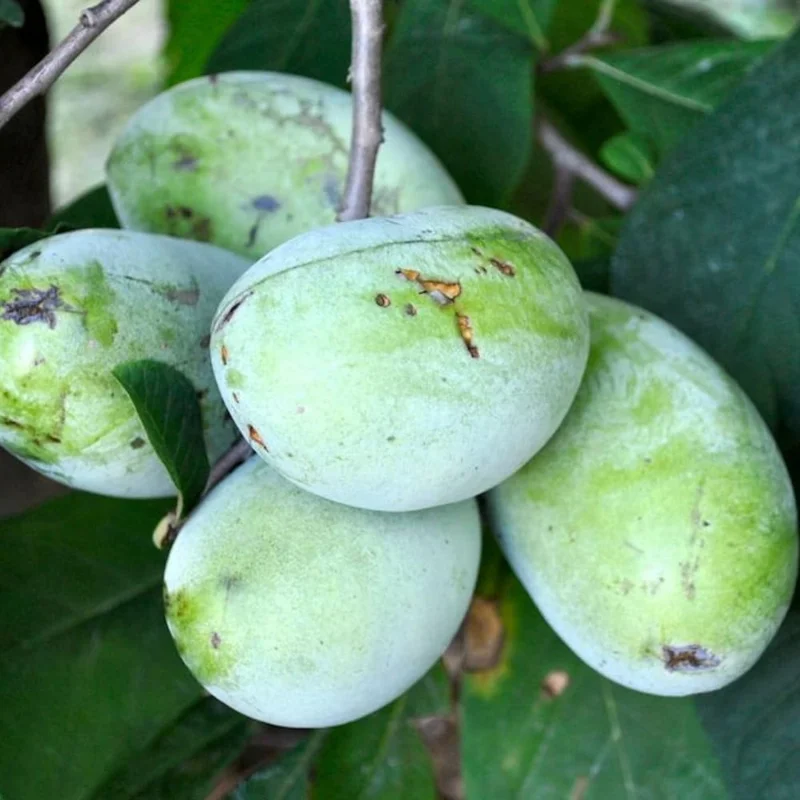
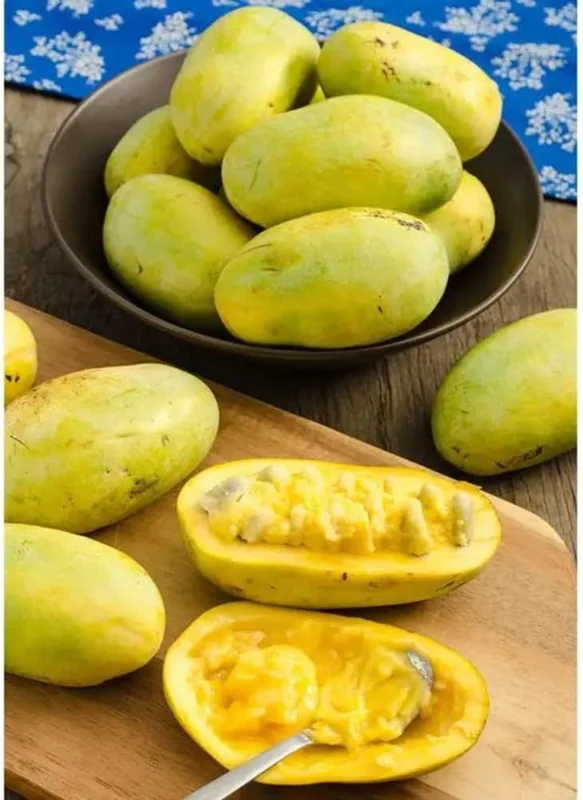
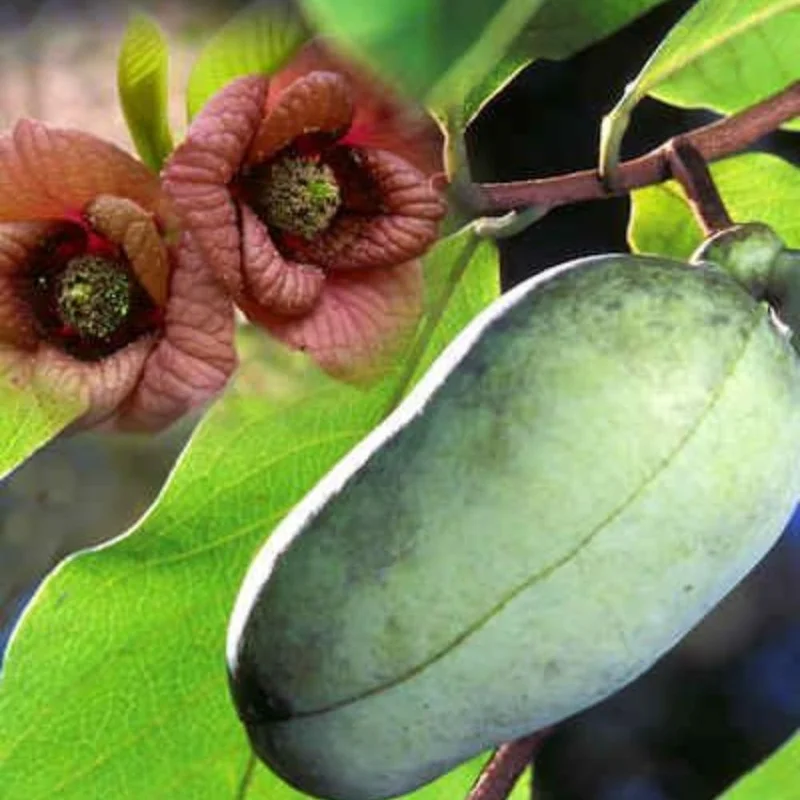
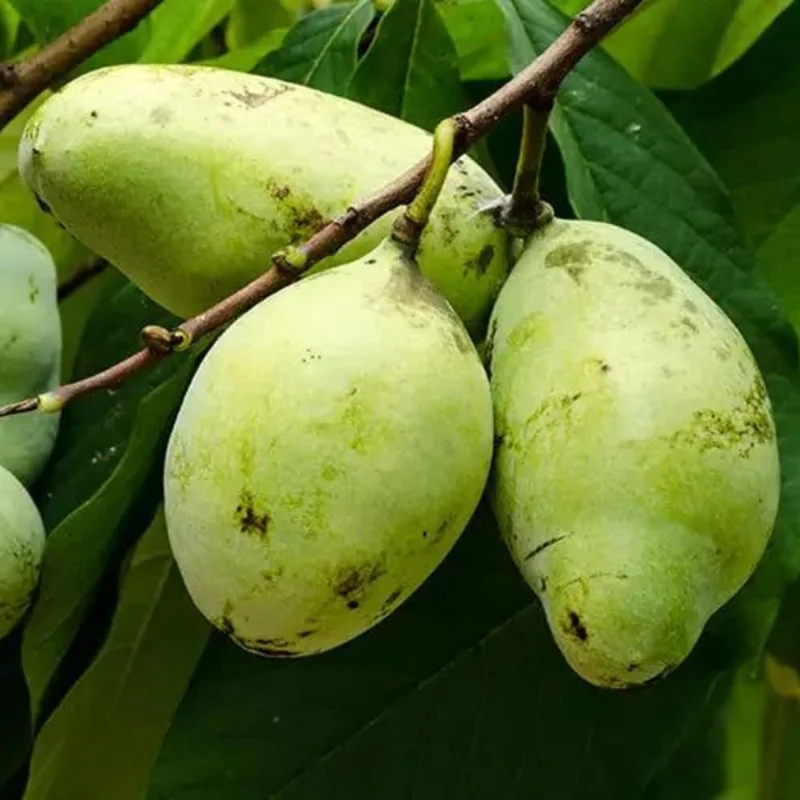
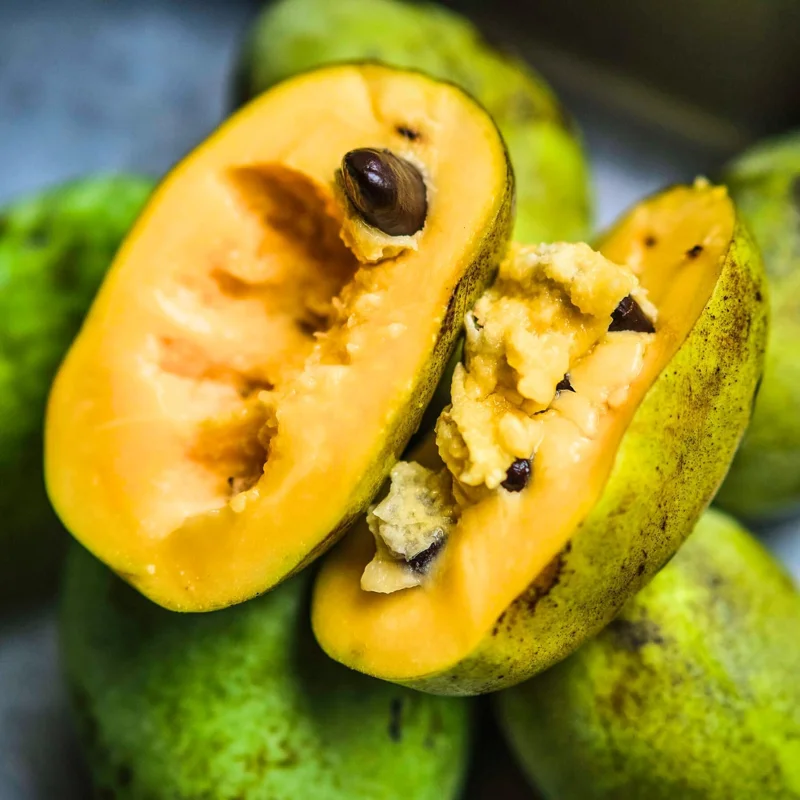
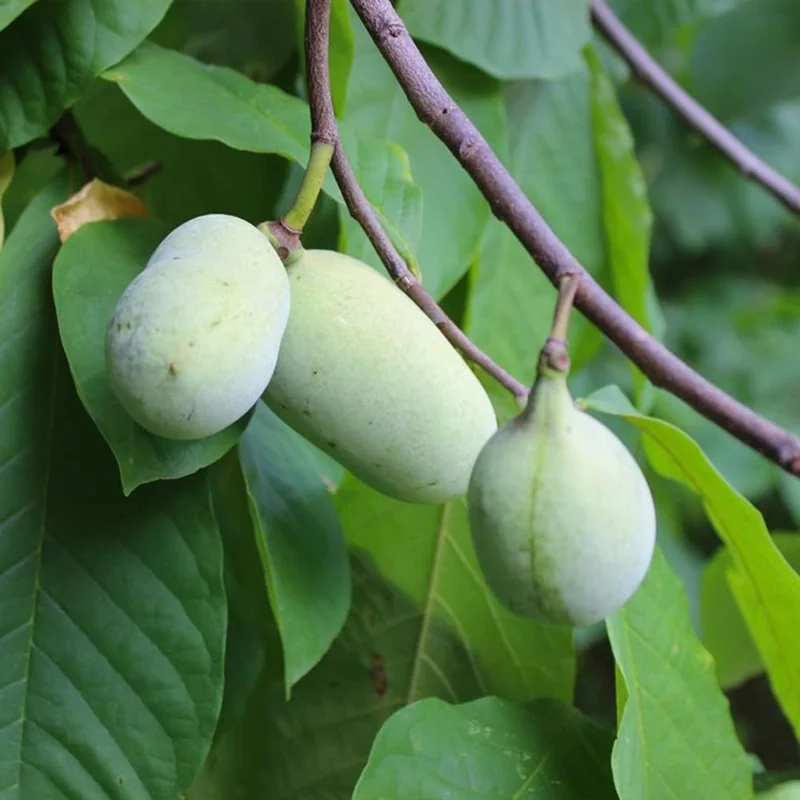
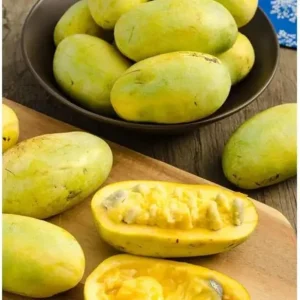
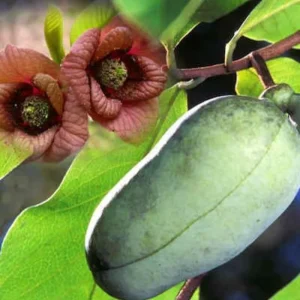
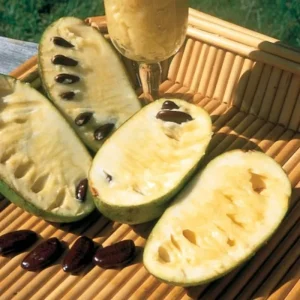
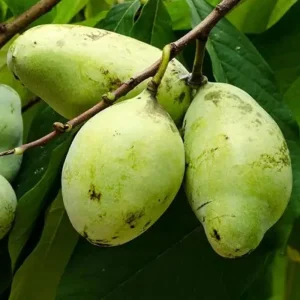
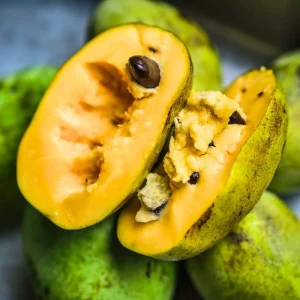
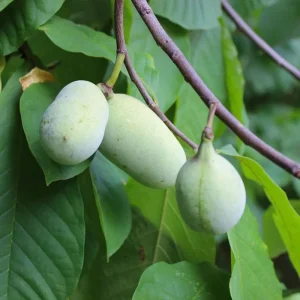
Embark on a unique gardening adventure with these two pawpaw trees live plants, offering the chance to grow America’s largest native fruit. These exceptional trees are shipped as dormant bare root seedlings, measuring between 6-12 inches tall, making them perfectly poised for successful transplanting and establishment in your garden. Known scientifically as Asimina triloba, the pawpaw is a deciduous tree native to the eastern United States, celebrated for its delicious, custard-like fruit that boasts a tropical flavor profile. Often called the ‘custard apple of the Midwest,’ the pawpaw is a conversation starter and a unique addition to any edible landscape. These hardy fruit trees are an excellent choice for gardeners looking to diversify their fruit harvest with something truly special and resilient. Don’t miss the opportunity to add these fascinating and productive pawpaw trees live plants to your outdoor space.
The pawpaw tree is not only prized for its delectable fruit but also for its natural beauty and adaptability. It’s a low-maintenance option for many gardeners, thriving in a variety of conditions once established. Providing both ornamental appeal and a bountiful harvest, these pawpaw seedlings bare root are an investment in your garden’s future. They are a fantastic way to introduce a piece of American horticultural history into your own backyard, providing shade, beauty, and delicious, nutrient-rich fruit for years to come. Prepare to enjoy the unique taste of homegrown pawpaws with these robust seedlings.
Key Benefits
Adding pawpaw trees live plants to your landscape offers a multitude of advantages, from their ecological benefits to the unique culinary experiences they provide. These native fruit trees are an excellent choice for sustainable gardening and offer a rewarding growing experience.
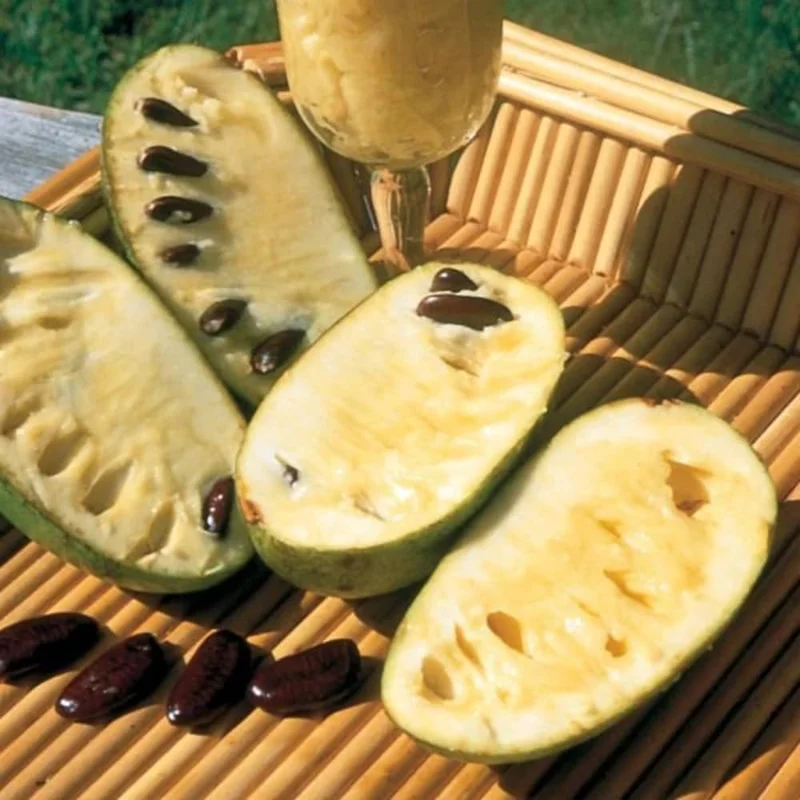
- Unique Fruit Production: Enjoy the distinct, tropical flavor of pawpaw fruit, often described as a blend of banana, mango, and pineapple. These trees will provide a harvest unlike any other common fruit tree. Growing your own pawpaw fruit tree ensures fresh, organic produce right from your backyard.
- Native & Hardy: As a native species, pawpaw trees are well-adapted to the local climate and soil conditions of many regions in the US, requiring less intervention than many exotic fruit trees. They are cold-hardy and resilient.
- Low Maintenance: Once established, pawpaw trees are relatively low-maintenance, resistant to many common pests and diseases, making them an ideal choice for busy gardeners.
- Ecological Value: Pawpaws serve as a host plant for the zebra swallowtail butterfly, contributing to local biodiversity and supporting native wildlife. They also provide food for various mammals.
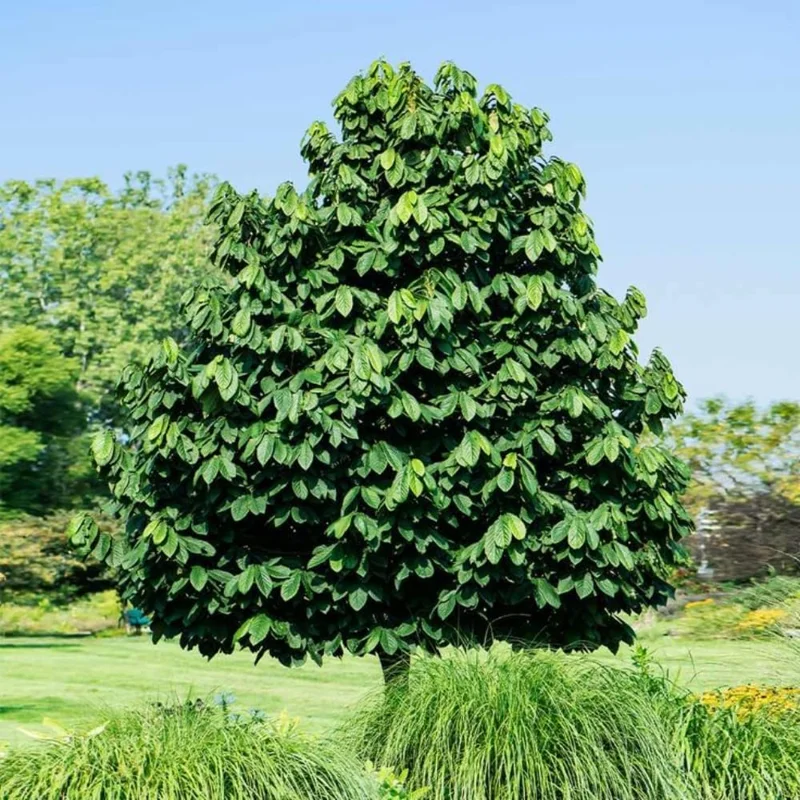
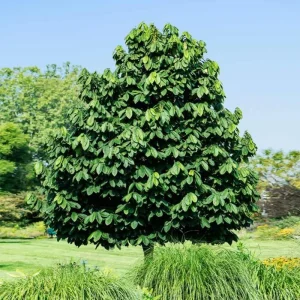
- Shade & Ornamental Appeal: With their broad leaves and attractive growth habit, pawpaw trees offer pleasant shade and add a lush, tropical aesthetic to your garden or woodland edge.
- Adaptable to Various Light Conditions: While they prefer full sun for best fruit production, pawpaw trees can tolerate partial shade, especially when young, making them versatile for different planting spots.
- Sustainable Choice: By choosing pawpaw trees live plants, you’re investing in a sustainable food source and supporting native ecosystems, reducing your carbon footprint.
Plant Care & Growing Tips
Caring for your pawpaw trees live plants ensures they develop into strong, fruit-bearing specimens. These trees are known for their resilience, but providing the right conditions, especially during their initial establishment, will lead to the best results. Proper pawpaw tree care is crucial for a successful harvest.
Sunlight Requirements: While young pawpaw trees benefit from some protection from intense afternoon sun, especially in their first year, mature trees thrive in full sun for optimal fruit production. Full sun means at least 6-8 hours of direct sunlight per day. If planting in a hot climate, a location with morning sun and afternoon shade can be beneficial for young seedlings. As they mature, ensure they receive ample light for abundant fruit. One key aspect of growing pawpaw trees is understanding their light needs at different stages.
Watering Schedule & Soil Moisture: Consistent moisture is vital during the establishment phase. Water your newly planted pawpaw seedlings bare root regularly, especially during dry spells, to keep the soil consistently moist but not waterlogged. Once established, pawpaw trees are moderately drought-tolerant but will produce more and larger fruit with consistent moisture. Ensure good drainage to prevent root rot. During periods of active growth and fruit development, increase watering frequency.
Soil Type & Drainage: Pawpaws prefer deep, fertile, well-draining soil with a slightly acidic to neutral pH (5.5-7.0). They will tolerate heavier clay soils if drainage is adequate. Amend heavy clay or sandy soils with compost or other organic matter to improve structure, fertility, and drainage. Good drainage is paramount; avoid planting in areas where water tends to collect.
Temperature Range & USDA Hardiness Zone: Pawpaw trees are cold-hardy, generally thriving in USDA Hardiness Zones 5-8. They require a certain number of chilling hours to produce fruit, making them unsuitable for tropical or subtropical climates. They can withstand winter temperatures well below freezing when dormant. Protecting young trees from harsh winter winds in colder zones can be beneficial.
Fertilization: Fertilize sparingly, if at all, in the first year after planting. Once established, apply a balanced, slow-release fertilizer in early spring, or use organic compost around the base of the tree. Avoid high-nitrogen fertilizers, which can promote leafy growth at the expense of fruit production. Excessive fertilization can harm young pawpaw trees live plants.
Common Problems & Solutions: Pawpaws are generally resistant to most pests and diseases. The most common issues are related to improper watering (too much or too little), which can lead to stress or root problems. Deer generally avoid pawpaws, but rabbits or voles may nibble on young bark. Protect young trees with tree guards if necessary. Ensure proper pollination by planting at least two genetically distinct trees, as most pawpaw varieties are not self-pollinating. Hand-pollination can also increase fruit set.
Size & Details
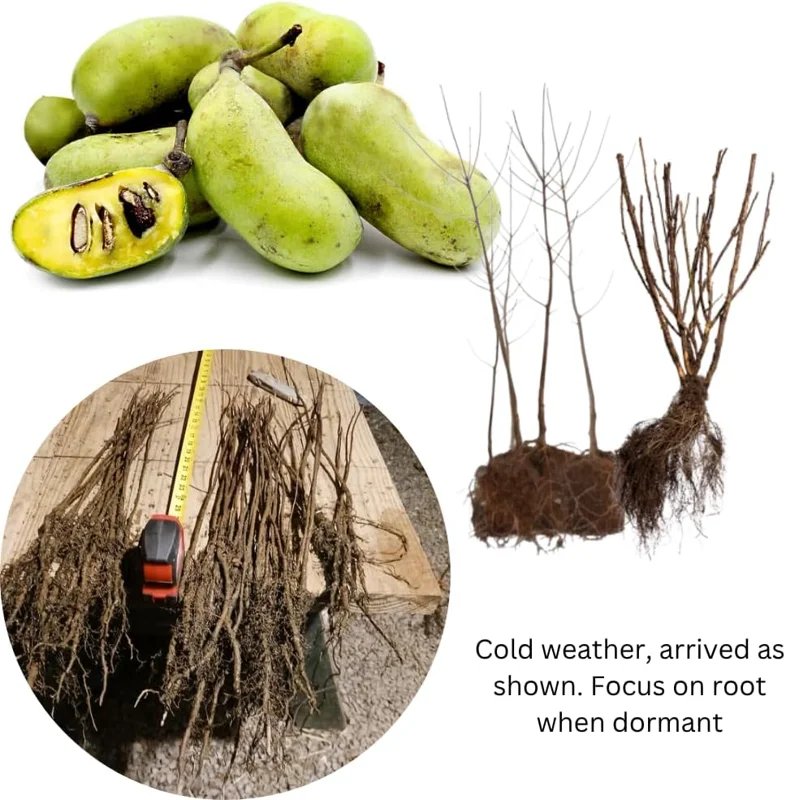
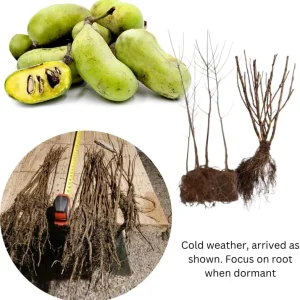
This offering includes two pawpaw trees live plants, shipped as dormant bare root seedlings. Each seedling measures approximately 6-12 inches tall, providing a manageable size for easy planting and quick establishment in your garden. Bare root plants are a cost-effective and efficient way to start an orchard or add to your edible landscape, as they quickly adapt to new soil conditions once planted. These pawpaw seedlings bare root are designed for outdoor planting, suitable for home gardens, orchards, or naturalized areas.
Pawpaw trees are known for their moderate growth rate, typically reaching heights of 15-20 feet at maturity, though some can grow taller. They develop a pyramidal to rounded crown, providing excellent shade. Expect these trees to begin fruiting within 3-5 years after planting, with increasing yields as they mature. The dormant state ensures minimal transplant shock, allowing the trees to focus their energy on root development once planted in the spring. Achieving a healthy pawpaw fruit tree takes patience and proper care during these initial years.
Frequently Asked Questions
- Q: How big do these pawpaw trees get when they arrive? A: These pawpaw trees live plants are shipped as dormant bare root seedlings, typically measuring between 6-12 inches tall. This size is ideal for planting and establishing them in their permanent outdoor location.
- Q: Is this an indoor or outdoor plant? A: These are hardy fruit trees specifically intended for outdoor planting. Pawpaw trees require specific chilling hours in winter to produce fruit, making them unsuitable for long-term indoor cultivation. They are best for a dedicated pawpaw fruit tree garden.
- Q: How much sunlight do these pawpaw trees need? A: Young pawpaw seedlings benefit from partial shade, especially in hot climates, during their first year. However, mature pawpaw trees live plants require full sun (6-8 hours of direct sunlight daily) for optimal fruit production and growth.
- Q: Are these pawpaw seedlings self-pollinating? A: Most pawpaw varieties are not self-pollinating, meaning you will need at least two genetically distinct pawpaw trees for successful cross-pollination and fruit set. This set of two trees can potentially provide the necessary cross-pollination. This is a key consideration for growing pawpaw trees.
- Q: When is the best time to plant these bare root pawpaw seedlings? A: The best time to plant dormant bare root pawpaw seedlings is in early spring, after the last hard frost but before the trees break dormancy. This allows them to establish their root system before the heat of summer.
- Q: What condition will the pawpaw seedlings arrive in? A: Your pawpaw seedlings bare root will arrive dormant, meaning they will have no leaves and appear to be sticks. This is normal for bare root plants and indicates they are ready for planting. Their roots will be carefully packaged to retain moisture.
- Q: How long until these pawpaw trees start producing fruit? A: With proper care and ideal growing conditions, you can typically expect your pawpaw trees live plants to begin producing fruit within 3-5 years after planting. Yields will increase as the trees mature.
- Q: What kind of soil is best for growing pawpaw trees? A: Pawpaw trees prefer deep, fertile, well-draining soil with a slightly acidic to neutral pH. Amending the soil with organic matter can greatly benefit their growth and overall health.
- Q: Is pawpaw tree care difficult for beginners? A: Pawpaw trees are considered relatively easy to care for once established, making them a good choice for beginners. Their native hardiness and resistance to many pests contribute to their low maintenance nature.
- Q: Will these pawpaw trees survive winter in my region? A: Pawpaw trees are cold-hardy and thrive in USDA Hardiness Zones 5-8. They can withstand significant winter cold when dormant. Check your local USDA zone to confirm suitability for growing pawpaw trees in your area.


Reviews
There are no reviews yet.