Overview
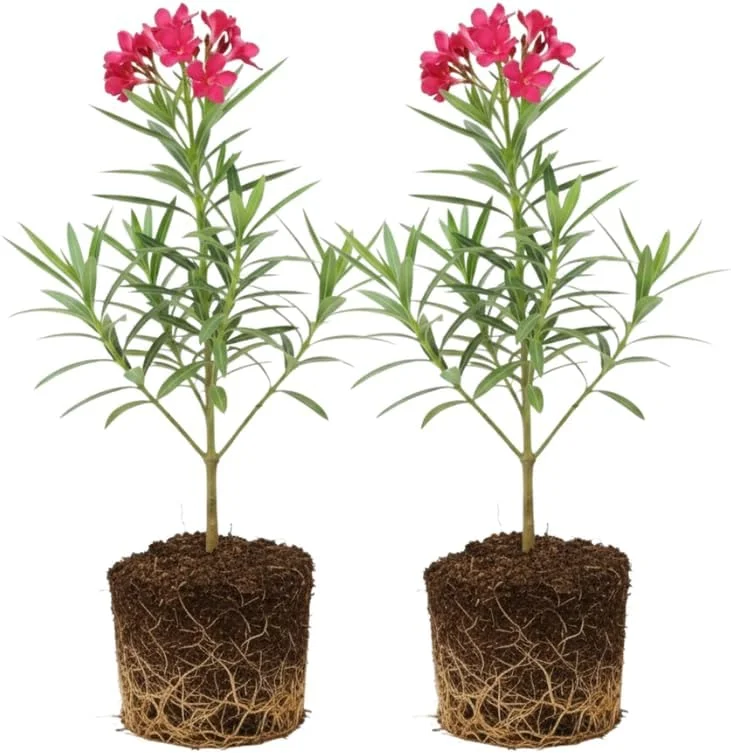
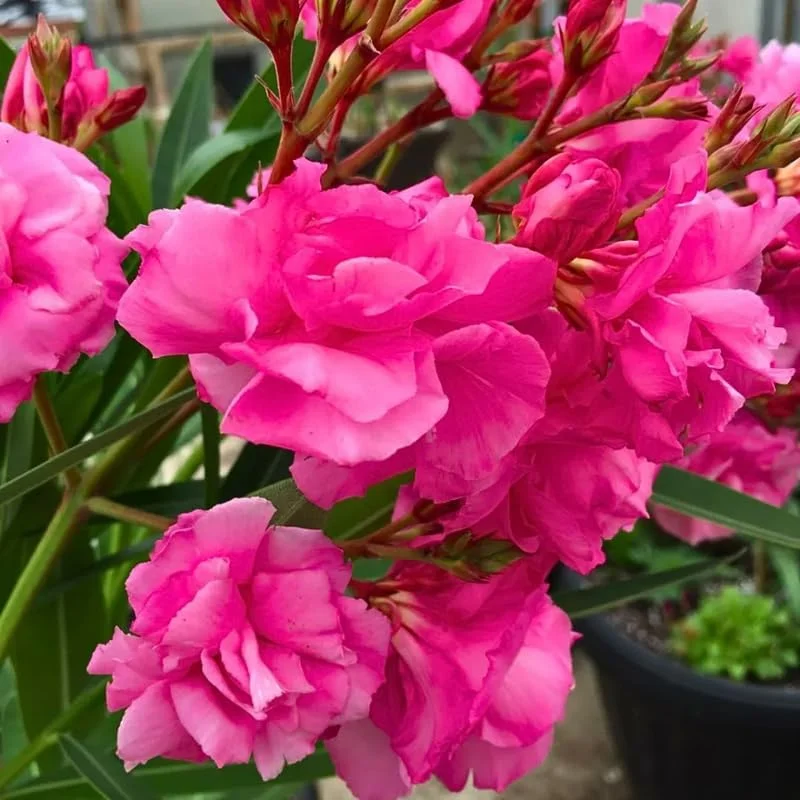
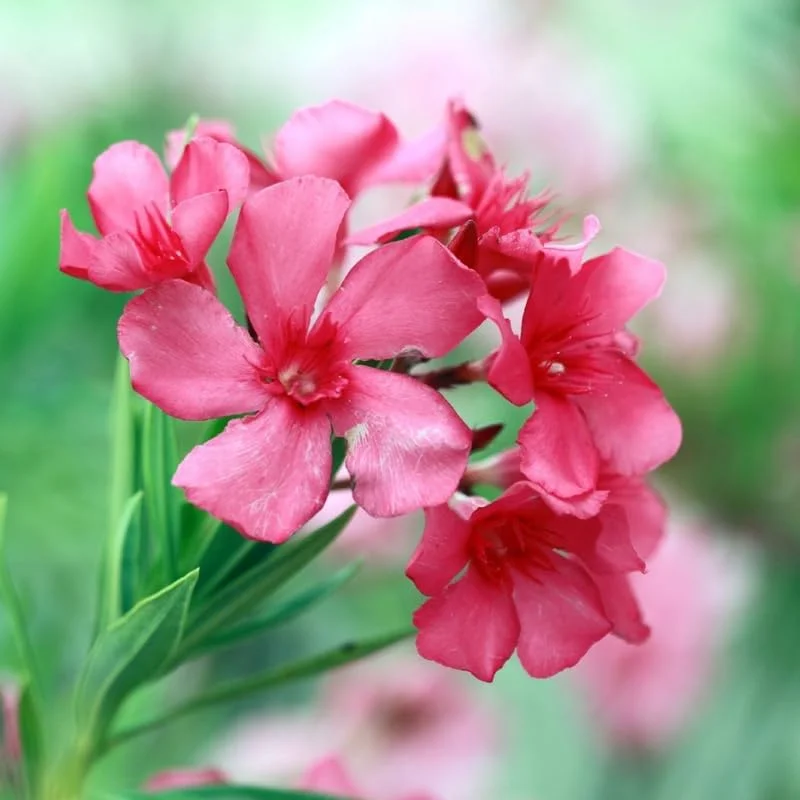
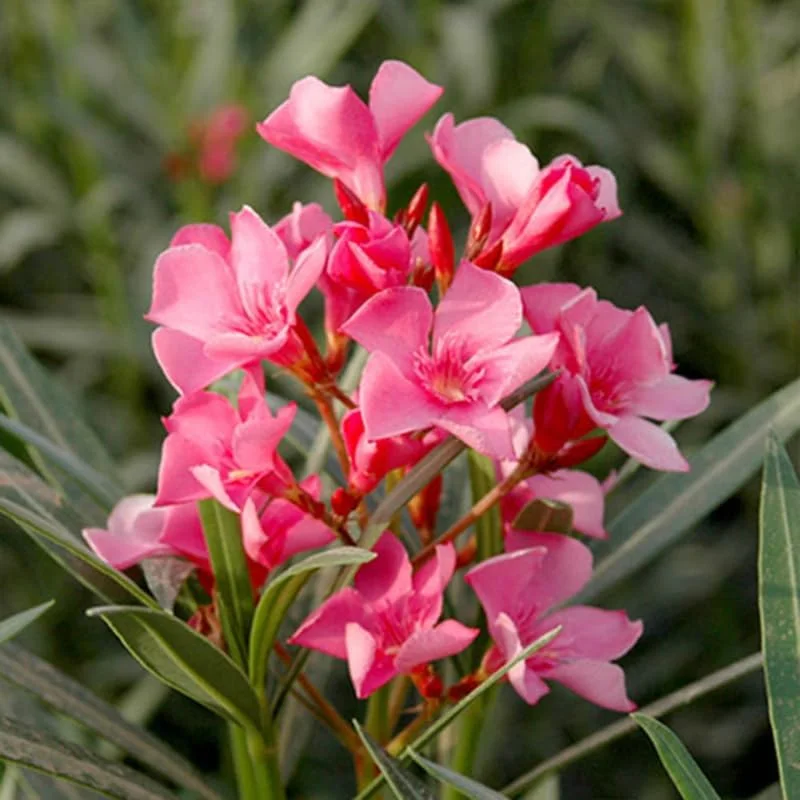
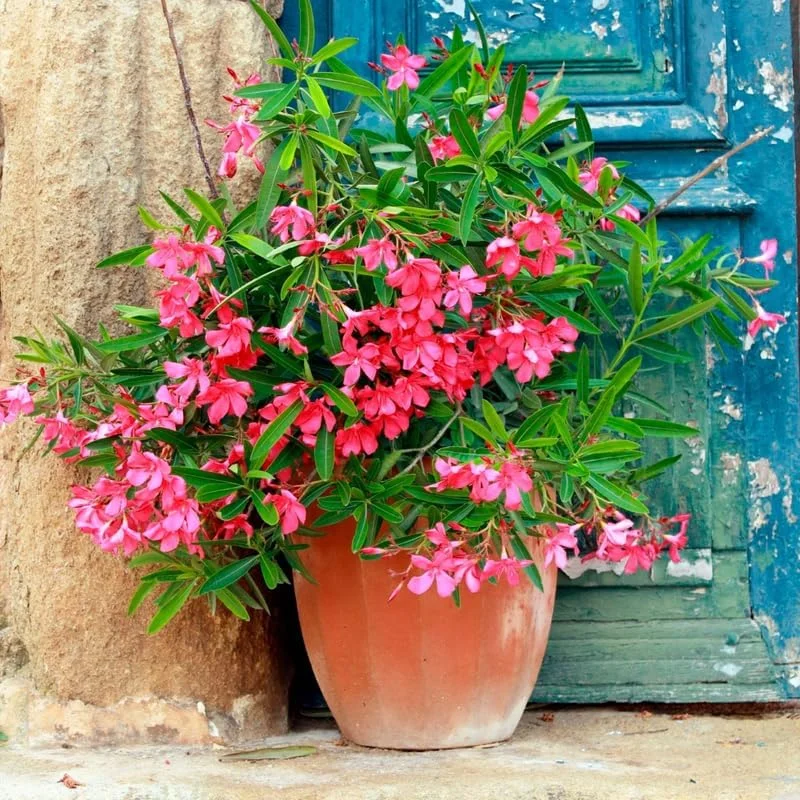
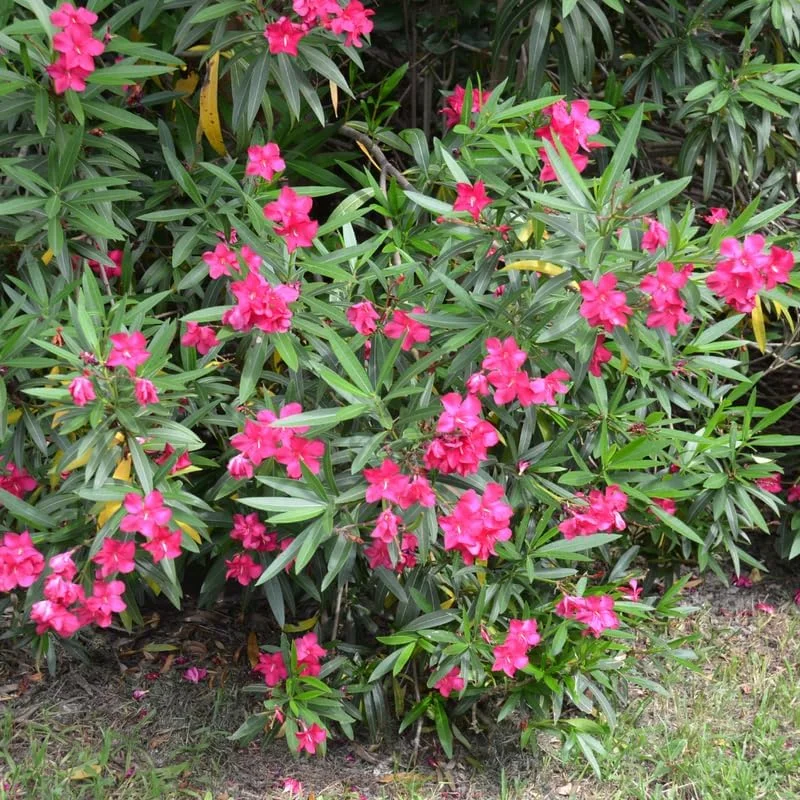
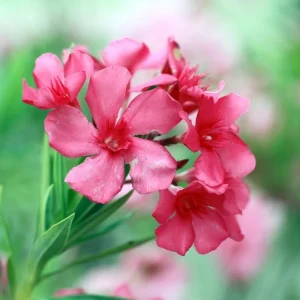
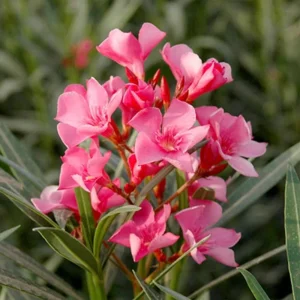
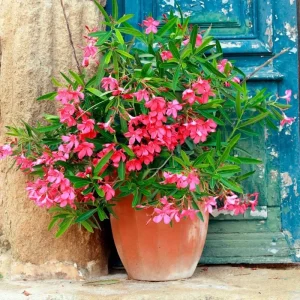
Transform your outdoor living areas with the exquisite beauty of a pink oleander live plant. This offering includes two healthy starter plants, each standing 4-8 inches tall, ready to bring vibrant color and lush foliage to your garden. Oleanders (Nerium oleander) are renowned for their prolific blooming, producing clusters of stunning pink flowers that can brighten any landscape from spring through fall. These versatile shrubs are perfect for creating hedges, adding a focal point to garden beds, or enhancing patios and balconies when grown in containers. Known for their resilience and adaptability, these pink oleander live plant specimens are an excellent choice for both experienced gardeners and those new to cultivating flowering shrubs.
The oleander is a Mediterranean native, which explains its exceptional tolerance to heat and drought once established. Its evergreen foliage provides year-round interest, making it a valuable addition to gardens in warmer climates. With proper care, these starter plants will quickly mature into robust, beautiful shrubs, providing a continuous display of their cheerful pink blossoms. Embrace the charm and hardiness of the oleander, a classic garden favorite that combines visual appeal with low-maintenance benefits.
Key Benefits
Our pink oleander live plant offers numerous advantages for your garden and landscape. These hardy shrubs are not only beautiful but also incredibly resilient, making them a wise investment for long-lasting enjoyment.
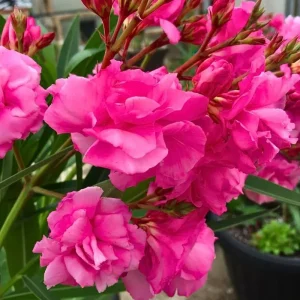
- Vibrant Pink Blooms: Enjoy a long season of spectacular pink flowers that provide a bold splash of color, enhancing the aesthetic appeal of any outdoor setting. The prolific blooms create a stunning visual impact.
- Drought Tolerance: Once established, these plants are remarkably drought-tolerant, requiring less water than many other flowering shrubs. This makes them ideal for water-wise gardening and regions with hot, dry summers.
- Low Maintenance: This drought tolerant shrub is surprisingly easy to care for, needing minimal attention once it has settled into its new environment. It’s a perfect choice for gardeners seeking beauty without constant upkeep.
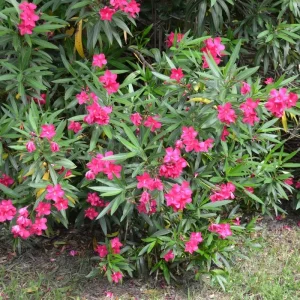
- Versatile Landscaping: Whether you’re looking to create a dense hedge, a privacy screen, or a vibrant accent plant, the oleander’s upright growth habit and strong branching foliage make it suitable for a variety of landscape applications.
- Fast Growing Shrub: These plants exhibit a relatively fast growth rate, quickly developing into substantial shrubs that provide shade, privacy, and continuous floral displays. Witness rapid transformation in your garden.
- Adaptable to Various Settings: Thriving in USDA Zones 8-11, the pink oleander live plant can be successfully grown in garden beds, large containers, or along borders, offering flexibility in garden design.
- Natural Pest Resistance: Oleanders are generally resistant to many common garden pests, contributing to their low-maintenance profile and ensuring healthier growth.
Plant Care & Growing Tips
Caring for your pink oleander live plant is straightforward, especially given its hardy nature. These plants thrive with consistent basic care, leading to abundant blooms and vigorous growth. For optimal results, plant your oleander in a location that receives full sun, meaning at least six hours of direct sunlight per day. While they can tolerate some shade, full sun encourages the most prolific flowering. Ensure the soil is well-drained, as oleanders do not like to sit in waterlogged conditions. A sandy or loamy soil enriched with some organic matter is ideal, but they are adaptable to various soil types as long as drainage is good.
When it comes to watering, a newly planted drought tolerant shrub will need regular moisture to establish its root system. Water deeply a few times a week during its first growing season. Once established, oleanders are highly drought-tolerant and will only require occasional watering during prolonged dry spells. Overwatering can be more detrimental than underwatering. Fertilize your oleander in spring with a balanced, slow-release granular fertilizer to support healthy growth and flowering. Pruning should be done in late winter or early spring to shape the plant, remove any dead or damaged branches, and encourage new growth. Remember that all parts of the oleander plant are toxic if ingested, so handle with care and keep away from pets and curious children.
This hardy flowering shrub is remarkably resilient and generally free from major pest and disease problems. However, keep an eye out for common issues like aphids or scale insects, which can be treated with insecticidal soap if necessary. In colder climates at the edge of its hardiness zone, providing winter protection, such as mulching around the base, can help the plant survive. With these simple care guidelines, your pink oleander live plant will flourish, providing years of beautiful blooms and lush greenery.
Size & Details
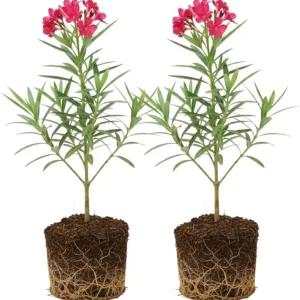
This offering includes two pink oleander live plant starter plants, each measuring approximately 4-8 inches in height upon arrival. These young plants are carefully nurtured to ensure they are healthy and ready to establish quickly in their new environment. They are shipped in a nursery pot, maintaining the integrity of their root system during transit, allowing for a smooth transition to your garden or chosen container. Oleanders are known for their relatively fast growth rate, and with proper care, these starter plants will rapidly develop into mature shrubs, typically reaching heights of 6 to 12 feet tall and spreading 4 to 8 feet wide, depending on growing conditions and pruning practices. They form a dense, upright bush with strong branching, making them excellent for creating natural screens or substantial garden features.
Expect your outdoor garden plant to begin flowering generously from late spring through summer and often into fall, providing a continuous display of their vibrant pink blossoms. Full maturity, where the plant reaches its maximum size and density, generally occurs within 3-5 years from planting, though significant growth and flowering will be observed in the first two years. These plants are well-suited for USDA hardiness zones 8-11, thriving in warm, sunny climates. The size and robust nature of these starter plants make them easy to handle and plant, setting them up for successful growth and long-term enjoyment in your landscape.
Frequently Asked Questions
- Q: How big does this pink oleander live plant get? A: With proper care, these oleander plants can grow to be quite substantial, typically reaching heights of 6 to 12 feet tall and spreading 4 to 8 feet wide. Their mature size can be influenced by pruning and growing conditions.
- Q: Is this an indoor or outdoor plant? A: The oleander is primarily an outdoor garden plant. It thrives in full sun and warm climates (USDA Zones 8-11) and is not typically grown as an indoor houseplant due to its size and light requirements.
- Q: How much sunlight does it need? A: This hardy flowering shrub requires full sun for optimal growth and abundant flowering. Aim for at least six hours of direct sunlight per day.
- Q: Is this plant easy to care for? A: Yes, once established, oleanders are considered a low-maintenance plant. They are very resilient and forgiving, making them a good choice for both beginner and experienced gardeners, especially given their drought tolerant shrub nature.
- Q: What condition will it arrive in? A: Your plants will arrive as healthy 4-8 inch tall starter plants, carefully packaged in nursery pots to protect their root systems during shipping and ensure they are ready for planting.
- Q: When is the best time to plant? A: The best time to plant oleanders is in spring or early fall, allowing them ample time to establish their root systems before extreme heat or cold.
- Q: Will it survive winter in my zone? A: Oleanders are hardy in USDA Zones 8-11. If you are in a colder zone (Zone 7 or below), it may need winter protection or can be grown in a container and brought indoors during the coldest months.
- Q: How long until it blooms? A: These starter plants may produce some blooms in their first year, but you can expect more prolific flowering in their second year and beyond as they mature and establish.
- Q: What type of soil does an oleander prefer? A: Oleanders prefer well-drained soil. They are adaptable to various soil types, including sandy or loamy soils, as long as they do not retain excessive moisture.
- Q: Is the oleander plant safe for pets? A: No, all parts of the oleander plant are toxic if ingested by humans or pets. It’s important to exercise caution and keep it away from areas where pets or children might chew on the foliage.


Reviews
There are no reviews yet.