Overview
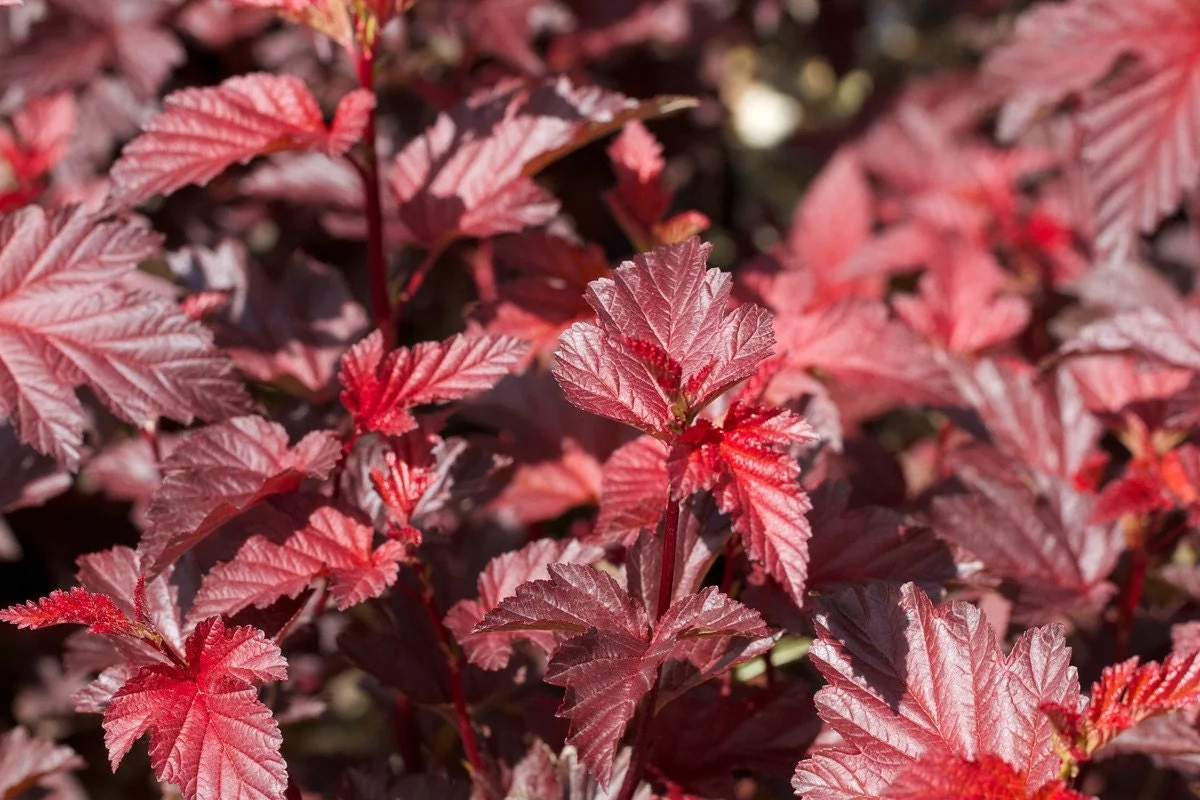
Bring bold color and texture to your garden with the red ninebark live plant. This captivating deciduous shrub, scientifically known as Physocarpus opulifolius, is celebrated for its distinctive reddish-purple foliage that provides season-long interest. Unlike many plants that only shine during bloom, the red ninebark shrub maintains its dramatic leaf color from spring through fall, making it an exceptional landscaping choice. In summer, it produces attractive, dense, round clusters of tiny white to pinkish flowers that beautifully contrast against the dark leaves. Following the blooms, unique seed capsules emerge, adding further appeal. This robust and versatile plant is an excellent addition to borders, hedges, or as a standalone specimen, offering both aesthetic beauty and strong performance in a variety of garden settings.
Our offering includes two healthy red ninebark live plant specimens, each rooted in a 3-inch container and standing approximately 8-10 inches tall. These young plants are ready to be transplanted into your garden, where they will quickly establish and begin to showcase their impressive attributes. Known for its hardiness and adaptability, the red ninebark is a fantastic choice for both seasoned gardeners and those new to planting, promising a rewarding and low-maintenance experience with stunning visual results.
Key Benefits
The red ninebark live plant offers a multitude of benefits that make it a standout choice for any garden. Its unique characteristics contribute significantly to landscape design and ecological value, ensuring it’s a valuable addition to your outdoor space.
- Vibrant Foliage: Enjoy continuous visual appeal with the rich reddish-purple leaves that provide year-round color. This striking hue adds depth and contrast to green landscapes, making the red ninebark live plant a focal point.
- Attractive Summer Blooms: In early summer, the plant is adorned with clusters of small, delicate flowers that create a beautiful display against the dark foliage, attracting pollinators like bees and butterflies.
- Exceptional Hardiness: This shrub is incredibly tough and adaptable, tolerating a wide range of growing conditions including varying soil types and light exposures, making it suitable for many climates.
- Low Maintenance: Once established, ninebark plant care is minimal. It requires little pruning and is generally resistant to pests and diseases, allowing you more time to enjoy its beauty.
- Versatile Landscaping Use: Perfect for mass plantings, hedges, foundation plantings, or as a specimen plant. Its upright, arching habit provides structure and interest in garden beds.
- Wildlife Attraction: The flowers serve as a nectar source for pollinators, and the dense foliage provides shelter for small birds, contributing to local biodiversity.
- Drought Tolerance: Once mature, the physocarpus opulifolius exhibits good drought tolerance, reducing the need for frequent watering during dry spells.
Plant Care & Growing Tips
Caring for your red ninebark live plant is relatively straightforward, thanks to its robust nature. To ensure optimal growth and vibrant color, understanding its basic needs is key. These plants are remarkably adaptable and can thrive in a variety of conditions, making them a favorite among gardeners seeking both beauty and resilience.
When it comes to sunlight, the red ninebark shrub performs best in full sun, which means at least six hours of direct sunlight per day. This intense light exposure is crucial for developing the deepest, most vibrant reddish-purple foliage. While it can tolerate partial shade, the leaf color may appear greener, and flowering might be less prolific. For watering, ensure the soil remains consistently moist but not waterlogged during the establishment period. Once established, ninebarks are quite drought-tolerant, but a good watering during prolonged dry spells will benefit the plant. They prefer well-draining soil, thriving in average garden soil. Avoid heavy clay soils that retain too much moisture, as this can lead to root issues. A neutral to slightly acidic soil pH is ideal for the physocarpus opulifolius.
The red ninebark live plant is a very hardy plant, typically suited for USDA Zones 3-8. It can withstand cold winters and hot summers, making it a reliable choice for many regions. Fertilization is not usually necessary unless your soil is particularly poor. If you choose to fertilize, a balanced slow-release granular fertilizer applied in early spring can encourage vigorous growth. Pruning is best done after flowering to maintain shape, remove dead or damaged branches, and encourage new growth. You can also perform a rejuvenation prune every few years by cutting back the oldest stems to the ground. This helps to invigorate the plant and improve its overall appearance. By following these simple guidelines, your hardy landscape plant will flourish, providing years of stunning color and texture to your garden.
Size & Details
This offering includes two individual red ninebark live plant specimens, each carefully cultivated to ensure a strong start in your garden. Each plant arrives rooted in a 3-inch container, providing a healthy root ball for successful transplantation. At the time of shipment, the plants typically stand between 8 to 10 inches in height, measured from the top of the soil to the tip of the highest stem. These young shrubs are at an ideal stage for planting, allowing them to acclimate quickly to their new environment and begin their growth journey.
The red ninebark shrub is known for its moderate growth rate, typically reaching a mature height of 6-10 feet and a similar spread, creating a full and attractive form. It develops an upright, arching habit that adds architectural interest to the landscape. Expect these plants to establish well within their first growing season, showing noticeable new foliage and stem development. These are live, actively growing plants, shipped ready for immediate planting in your designated outdoor space. The robust nature of this hardy landscape plant ensures it will grow into a substantial and beautiful feature over time.
Frequently Asked Questions
- Q: How big does this red ninebark live plant get? A: A: The red ninebark live plant typically grows to a mature height and spread of 6-10 feet, forming a dense, arching shrub over several years. Its size can be managed with pruning.
- Q: What size pot does it come in? A: Each red ninebark live plant is shipped rooted in a 3-inch container, providing a robust root system ready for transplanting into your garden.
- Q: Is this an indoor or outdoor plant? A: The red ninebark shrub is an outdoor plant, best suited for garden beds, borders, or hedges where it can receive adequate sunlight and space to grow.
- Q: How much sunlight does it need? A: For the most vibrant reddish-purple foliage, the red ninebark live plant requires full sun, meaning at least 6 hours of direct sunlight daily. It can tolerate partial shade, but foliage color may be less intense.
- Q: Is this plant easy to care for? A: Yes, the ninebark is considered a very easy-to-care-for and low-maintenance shrub, making it an excellent choice for both beginner and experienced gardeners.
- Q: What condition will it arrive in? A: Your hardy landscape plant will arrive as a live, actively growing plant, approximately 8-10 inches tall, rooted in its 3-inch container, and ready for immediate planting.
- Q: When is the best time to plant a red ninebark live plant? A: The best time to plant is in spring or early fall, allowing the plant sufficient time to establish its root system before extreme summer heat or winter cold.
- Q: Will it survive winter in my zone? A: The physocarpus opulifolius is very hardy and generally thrives in USDA Zones 3-8, meaning it can withstand cold winter temperatures in most of the United States.
- Q: What is the ideal soil type for this shrub? A: Ninebarks prefer well-draining soil and can tolerate a range of soil types, from sandy to clay, as long as drainage is adequate.
- Q: How often should I water my newly planted ninebark? A: Water regularly to keep the soil consistently moist during the first growing season. Once established, it is fairly drought-tolerant but benefits from occasional watering during dry periods.


Reviews
There are no reviews yet.