Overview
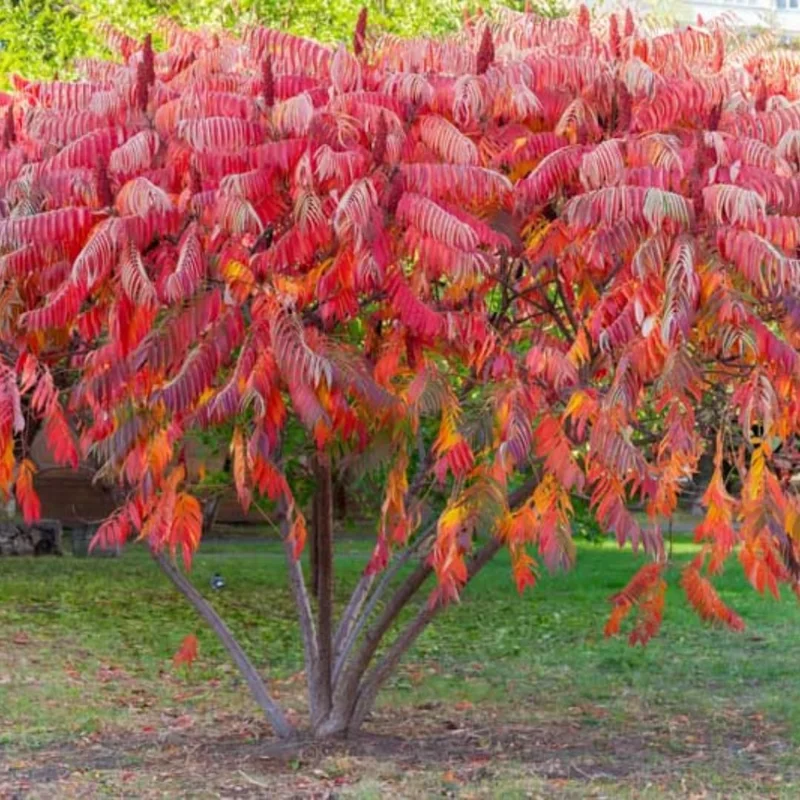
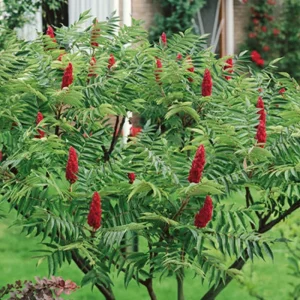
Introduce a touch of natural elegance and robust growth to your landscape with this offering of a smooth sumac live plant. You will receive two young, bare-root specimens, each standing 1-2 feet tall, poised to establish themselves and thrive in your outdoor environment. The smooth sumac, scientifically known as Rhus glabra, is a fascinating and resilient native North American shrub renowned for its striking fall foliage, attractive fruit clusters, and unique branching structure. Unlike some of its relatives, the smooth sumac is non-poisonous and a fantastic choice for naturalizing areas, providing erosion control, or adding a vibrant splash of color to your garden. These plants arrive dormant in winter, a natural and healthy state for bare-root deciduous plants, ensuring they are ready to burst into life with the warmth of spring. This smooth sumac live plant is an excellent addition for gardeners seeking a low-maintenance yet high-impact perennial.
Key Benefits
Cultivating a smooth sumac live plant in your garden offers a multitude of advantages, from ecological benefits to aesthetic appeal. These hardy shrubs are a testament to nature’s resilience and beauty, providing year-round interest and contributing positively to local ecosystems.
- Stunning Seasonal Display: Enjoy spectacular fall colors ranging from brilliant reds to oranges and purples, transforming your landscape into a vibrant masterpiece. The foliage provides a dramatic visual impact that is truly unmatched by many other plants.
- Low Maintenance & Drought Tolerant: Once established, these hardy sumac shrub plants require minimal care. They are highly tolerant of various soil conditions and can withstand periods of drought, making them an ideal choice for busy gardeners or those in arid regions.
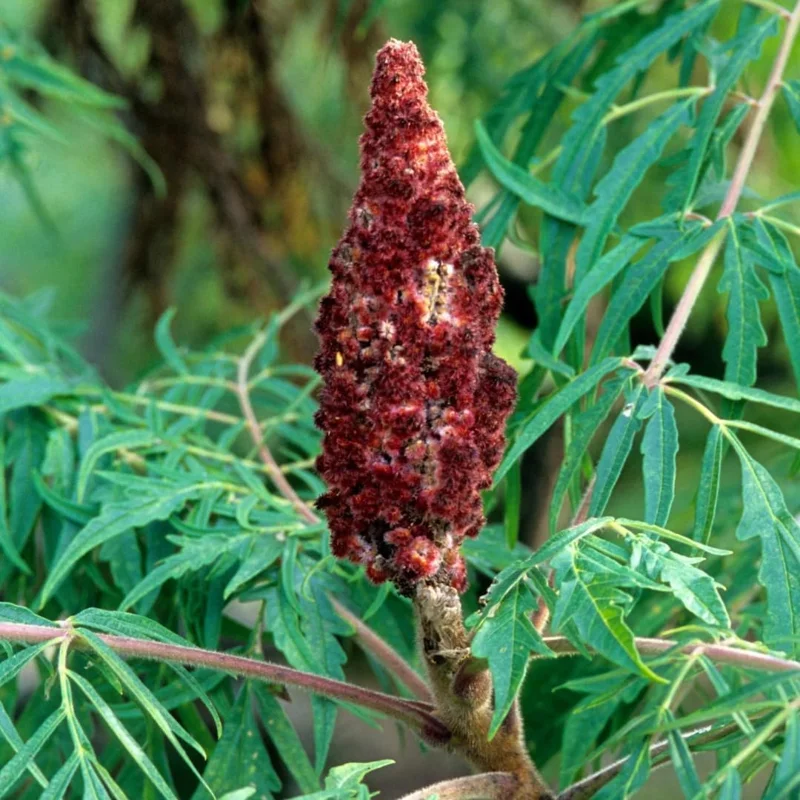
- Wildlife Attraction: The distinctive red fruit clusters (drupes) that appear in late summer and persist through winter provide a crucial food source for various bird species, enhancing biodiversity in your garden. This makes them a valuable asset for supporting local wildlife.
- Erosion Control: With their robust root systems, smooth sumac live plant specimens are excellent for stabilizing slopes and preventing soil erosion, particularly in naturalized areas or on banks where other plants might struggle.
- Adaptable & Fast Growing: Thriving in a wide range of climates (USDA Zones 3-8), sumac adapts easily to different soil types and can establish quickly. This rapid growth means you won’t have to wait long to see the benefits and beauty of your new planting.
- Fragrant Foliage: While not overly showy, the leaves of the smooth sumac emit a mild, pleasant fragrance when bruised, adding another sensory dimension to your garden experience.
- Architectural Interest: Even in winter, the bare branches with their velvety texture and persistent fruit clusters offer unique architectural appeal, adding structure and visual interest to the dormant landscape.
Plant Care & Growing Tips
Caring for your smooth sumac live plant is remarkably straightforward, making it a favorite among both novice and experienced gardeners. These plants are known for their resilience and ability to thrive with minimal intervention, especially when planted in suitable conditions. When you receive your bare root sumac, it’s important to plant it as soon as possible. Dig a hole wide enough to accommodate the roots spread out, and deep enough so the crown (where the roots meet the stem) is at soil level. Backfill with soil, gently firming it around the roots to remove air pockets, and water thoroughly.
For optimal growth, the smooth sumac prefers full sun exposure, meaning at least 6 hours of direct sunlight per day. While it can tolerate partial shade, full sun will encourage the best growth, most vibrant fall color, and abundant fruit production. When it comes to soil, this adaptable shrub is not particular. It thrives in various soil types, including sandy, loamy, or clay, as long as it is well-draining. Avoid consistently waterlogged conditions, as this can lead to root rot. Once established, your grow sumac outdoor plant is quite drought-tolerant and will only require supplemental watering during prolonged dry spells. During its first year, consistent moisture will help establish a strong root system. Fertilization is generally not necessary for smooth sumac, especially in fertile soils. If your soil is very poor, a balanced, slow-release granular fertilizer applied in early spring can be beneficial. Pruning is typically done in late winter or early spring to remove any dead, damaged, or crossing branches, and to manage its size if desired. Understanding sumac tree care is simple: provide adequate sunlight, well-draining soil, and minimal watering once established, and it will reward you with years of beauty.
Size & Details
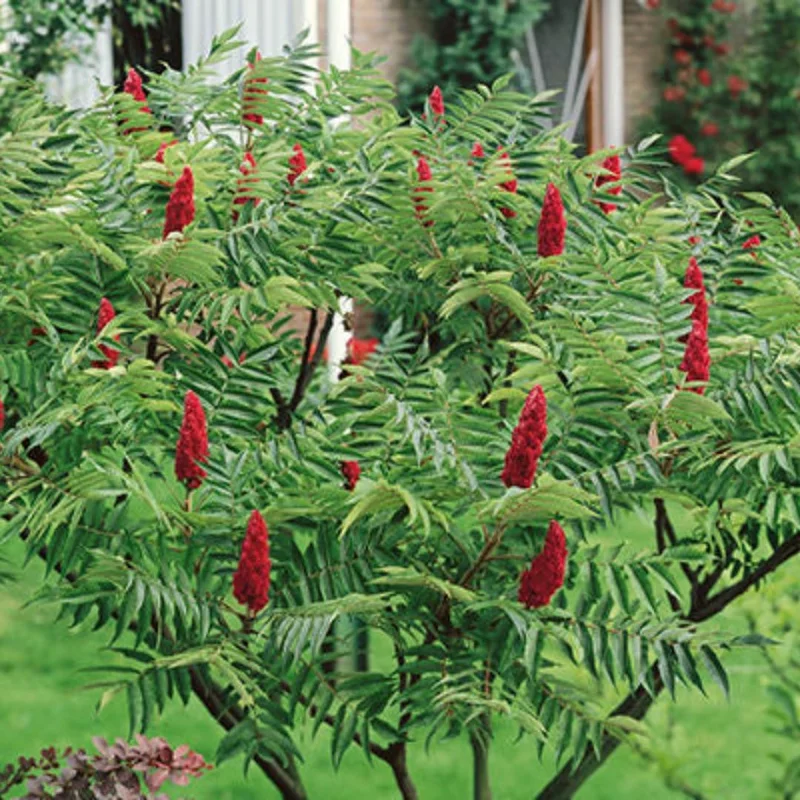
This offering includes two individual smooth sumac live plant specimens, each carefully selected as a 1-year-old seedling. Upon arrival, these bare root plants will measure approximately 1-2 feet tall, representing a healthy starting point for your garden. Smooth sumac is known for its relatively fast growth rate, and with proper care, these young plants will quickly establish themselves and begin to expand. In maturity, a hardy sumac shrub can reach a height of 10-15 feet with a similar spread, often forming colonies through suckering. The plants are shipped in a dormant state, which is ideal for bare-root deciduous plants, ensuring they transplant with minimal shock. Expect vibrant green foliage to emerge in spring, followed by the distinctive red fruit clusters in late summer, and a spectacular display of fiery fall colors. The plants will arrive ready for immediate planting, ideally in spring to early summer for best establishment, though fall planting is also possible in milder climates.
Frequently Asked Questions
- Q: How big does this smooth sumac live plant get? A: These plants are 1-2 feet tall upon arrival. Mature smooth sumac shrubs typically reach heights of 10-15 feet with a similar spread, often forming attractive colonies over time.
- Q: Is this an indoor or outdoor plant? A: The smooth sumac is a hardy deciduous shrub, specifically meant for outdoor planting. It requires ample space and sunlight to thrive and is not suitable as an indoor houseplant.
- Q: How much sunlight does the smooth sumac need? A: For the best growth, fall color, and fruit production, your fragrant sumac plant requires full sun, meaning at least 6 hours of direct sunlight per day. It can tolerate partial shade but may have less vibrant coloring.
- Q: Is this plant easy to care for? A: Yes, smooth sumac is renowned for its low maintenance. Once established, it is very drought-tolerant and adaptable to various soil conditions, making it an excellent choice for beginner gardeners or those seeking an easy-care landscape addition.
- Q: What condition will it arrive in? A: Your sumac plants will arrive as bare root seedlings, approximately 1-2 feet tall, in a dormant state. This is a common and effective way to ship deciduous plants, ensuring they are ready to plant and grow in your garden.
- Q: When is the best time to plant this sumac? A: The ideal time to plant your bare root grow sumac outdoor plant is in the spring, after the last frost, or in early summer. Fall planting is also possible in areas with mild winters, allowing the roots to establish before deep freezes.
- Q: Will it survive winter in my zone? A: Yes, smooth sumac is extremely cold hardy, thriving in USDA Zones 3–8. It is well-adapted to surviving cold winters and will enter dormancy, losing its leaves, before returning in spring.
- Q: Does this hardy sumac shrub produce flowers? A: Yes, smooth sumac produces inconspicuous greenish-yellow flowers in late spring to early summer, which then develop into the distinctive red, conical fruit clusters that persist through fall and winter.
- Q: What kind of soil does this plant prefer? A: This adaptable shrub is not particular about soil type and can grow in sandy, loamy, or clay soils. The most important factor is good drainage; it does not tolerate consistently wet or waterlogged conditions.
- Q: Is this plant considered invasive? A: While smooth sumac can spread by suckering and form colonies, it is generally considered a naturalizing plant rather than aggressively invasive, especially in its native range. It can be managed through occasional pruning if spread is a concern.


Reviews
There are no reviews yet.