Overview
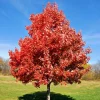
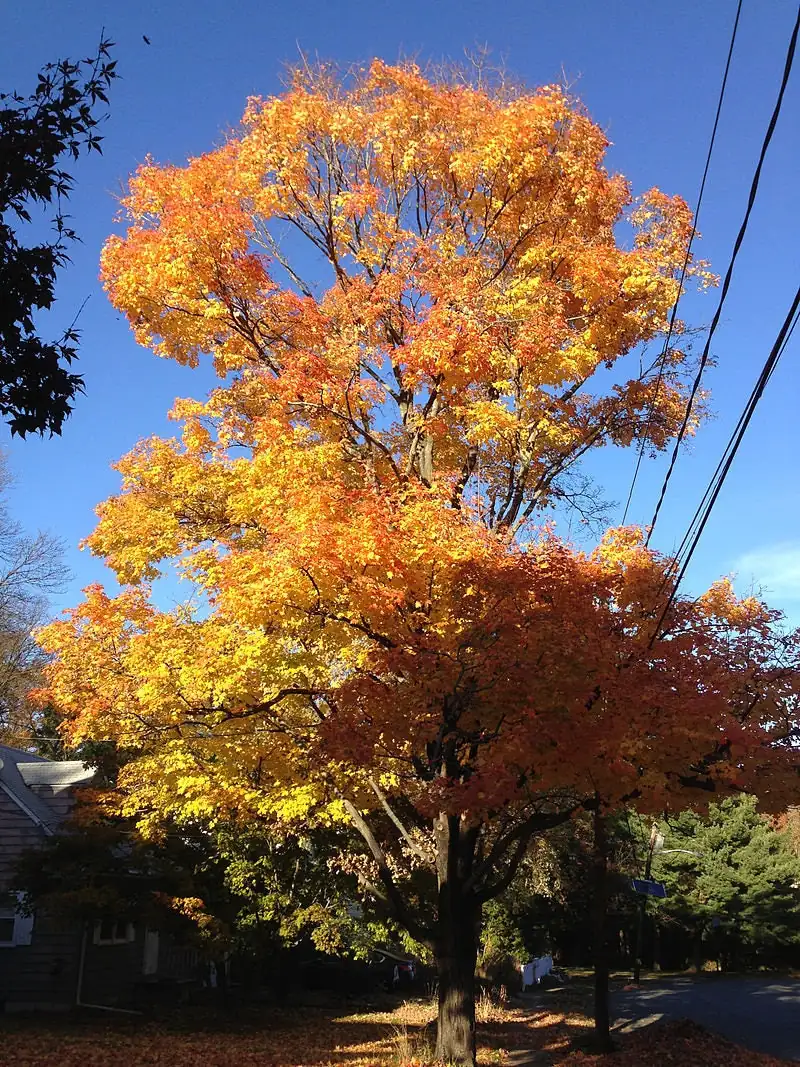
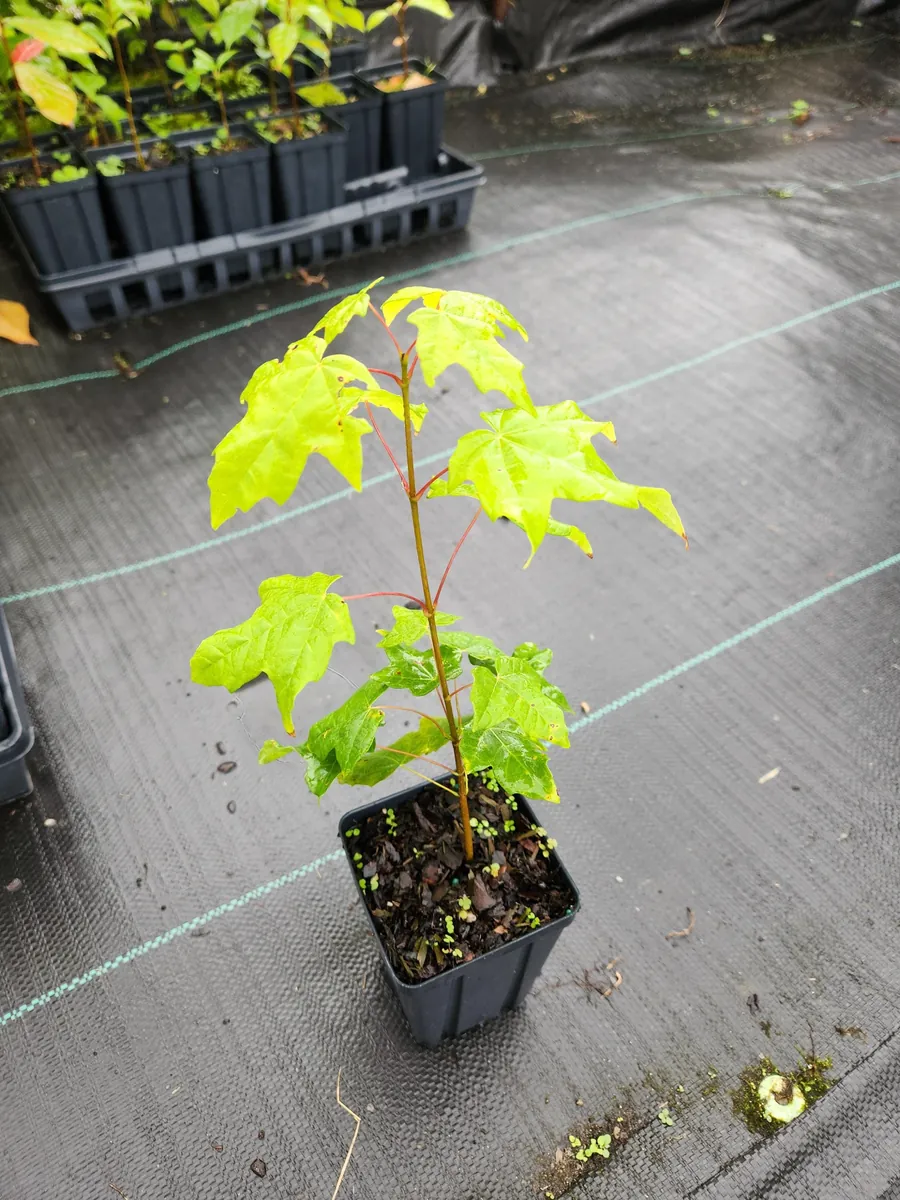
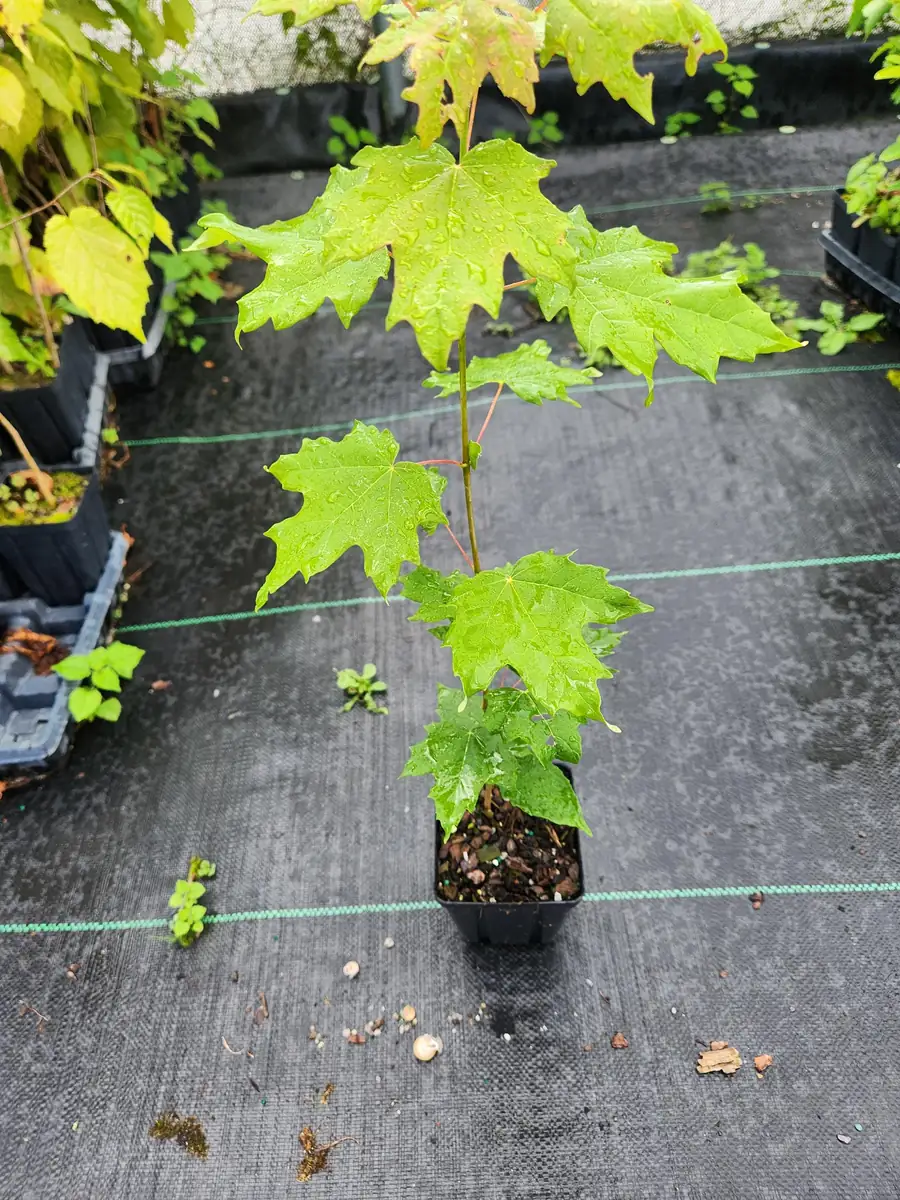
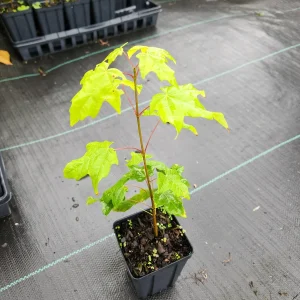
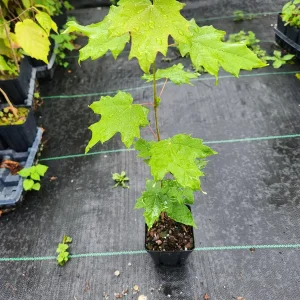
Introduce classic American beauty to your landscape with these 2 Sugar Maple trees (Acer Saccharum). Revered for their spectacular fall color, ranging from brilliant gold to fiery red and orange, these iconic deciduous trees are a cherished addition to any yard or park. The Acer Saccharum live plant is not only a source of delicious maple syrup but also provides valuable lumber, making it a versatile and rewarding choice for homeowners. Each tree is carefully cultivated and rooted in a 4-inch container, standing approximately 6 inches in height, ready for planting. These young trees are perfect for establishing a new shade canopy or adding a touch of natural splendor to your property, growing into magnificent specimens over time.
The Sugar Maple trees are a symbol of endurance and natural elegance, thriving across a wide range of climates. Their robust nature and aesthetic appeal make them a popular choice for both urban and rural settings. Whether you’re looking to create a stunning autumn display, provide ample shade, or simply enjoy the presence of a majestic tree, these maple tree for yard options are an excellent investment in your property’s future. With proper care, they will become a focal point of your garden for decades.
Key Benefits
Owning a Sugar Maple tree offers a multitude of advantages, enhancing both the aesthetic and ecological value of your outdoor space. These trees are celebrated for their distinctive characteristics and long-term contributions to the environment:
- Stunning Fall Foliage: Experience a breathtaking display of vibrant reds, oranges, and yellows each autumn, transforming your landscape into a picturesque scene. The Acer Saccharum live plant is renowned for its unparalleled seasonal beauty.
- Excellent Shade Provider: As these trees mature, their dense canopy offers significant shade, reducing cooling costs for your home and creating comfortable outdoor living areas during hot summer months.
- Wildlife Habitat: Sugar Maples provide food and shelter for various wildlife, including birds and squirrels, contributing to local biodiversity.
- Commercial Value: Beyond their ornamental appeal, these trees are the primary source of maple syrup and valuable hardwood, offering a unique connection to nature’s bounty.
- Long Lifespan: With proper care, Sugar Maple trees can live for hundreds of years, becoming a lasting legacy for generations to enjoy. They are a true investment in your landscape.
- Adaptable to Various Soils: While they prefer well-drained loamy soil, they can adapt to a range of soil conditions, making them a relatively forgiving choice for different garden settings.
- Adds Property Value: Mature trees significantly increase property value due to their aesthetic appeal, shade benefits, and environmental contributions, making a maple tree for yard a smart choice.
Plant Care & Growing Tips
Caring for your Sugar Maple trees is straightforward, ensuring they grow into strong, healthy specimens that will grace your landscape for years. These trees thrive in USDA hardiness zones 3-8, indicating their excellent cold tolerance. When selecting a planting site, choose an area with full sun to partial shade, meaning at least 4-6 hours of direct sunlight daily for optimal growth and fall color development. While tolerant of some shade, more sun generally leads to more vibrant autumn hues. Ensure the planting location has adequate space for the tree to reach its mature size, both in height and spread.
The ideal soil for a Sugar Maple live plant is well-draining, moist, and slightly acidic to neutral (pH 5.5-7.3). Loamy soils are preferred, but they can adapt to clay or sandy soils if drainage is improved. Avoid excessively wet or compacted soils, as these can lead to root rot. When planting, dig a hole twice as wide as the root ball and just as deep. Gently remove the tree from its 4-inch container, loosen any circling roots, and place it in the hole so that the top of the root ball is level with the surrounding ground. Backfill with soil, gently tamping to remove air pockets, and water thoroughly. Consistent moisture is crucial during the first few years after planting to establish a strong root system. Water deeply once or twice a week, especially during dry periods, ensuring the soil remains consistently moist but not waterlogged. Once established, they are moderately drought tolerant but will benefit from supplemental watering during prolonged dry spells.
Fertilization is generally not necessary for young, healthy Sugar Maple trees if planted in fertile soil. However, if your soil is poor or the tree shows signs of nutrient deficiency, a balanced, slow-release tree fertilizer can be applied in early spring. Follow product instructions carefully. Pruning should be done in late winter or early spring before new growth emerges, or in mid-summer after the leaves have fully developed, to remove dead, damaged, or crossing branches. Avoid pruning in late winter/early spring when sap is rising, as this can cause ‘bleeding’. Monitor for common pests like aphids or scale and diseases such as powdery mildew, treating promptly with appropriate organic or chemical solutions if necessary. Proper site selection and consistent care will ensure your deciduous tree zones 3-8 thrives.
Size & Details
This offering includes 2 Sugar Maple trees (Acer Saccharum), each a live plant specimen. They are currently approximately 6 inches in height, measured from the soil line, and are rooted in sturdy 4-inch nursery containers. These young trees are shipped as actively growing plants, ready for transplanting into your garden. Sugar Maples typically exhibit a slow to medium growth rate, with height increases ranging from less than 12 inches to 24 inches per year, depending on growing conditions and care. At maturity, a Sugar Maple tree can reach an impressive height of 60-80 feet with a spread of 40-50 feet, forming a broad, rounded canopy. They are long-lived trees, often exceeding 200 years. The trees are typically shipped in their nursery containers to protect the root system and ensure a smooth transition to your landscape.
Frequently Asked Questions
- Q: How big do these Sugar Maple trees get? A: At maturity, Sugar Maple trees can reach heights of 60-80 feet with a spread of 40-50 feet, providing substantial shade and presence in your landscape. They are a significant long-term addition.
- Q: What size pot do they come in? A: Each of the 2 Sugar Maple trees is shipped rooted in a 4-inch nursery container, ensuring the root system is protected and ready for planting upon arrival.
- Q: Is this an indoor or outdoor plant? A: These Acer Saccharum live plant specimens are outdoor trees, best suited for planting directly in the ground where they can grow to their full potential and provide shade and fall color.
- Q: How much sunlight does a Sugar Maple tree need? A: Sugar Maple trees thrive in full sun to partial shade, ideally receiving at least 4-6 hours of direct sunlight per day for optimal growth and the most vibrant fall foliage.
- Q: Is this tree easy to care for? A: Yes, once established, Sugar Maple trees are relatively low-maintenance. The most critical care involves consistent watering during their initial establishment period and proper site selection.
- Q: What condition will the trees arrive in? A: Your 2 Sugar Maple trees will arrive as healthy, actively growing young plants in their nursery containers, carefully packaged to minimize stress during transit.
- Q: When is the best time to plant Sugar Maple trees? A: The best time to plant Sugar Maple trees is in early spring or early fall, allowing them time to establish their root systems before the extremes of summer heat or winter cold.
- Q: Will it survive winter in my zone? A: Yes, Sugar Maple trees are very hardy and are suitable for USDA zones 3-8, meaning they can tolerate significant winter cold in these regions. This makes them an excellent deciduous tree zones 3-8 option.
- Q: How fast do these trees grow? A: Sugar Maple trees have a slow to medium growth rate, typically adding between 12 to 24 inches in height per year, depending on environmental conditions and care.
- Q: Can I tap my own maple syrup from these trees? A: Yes, as these Sugar Maple trees mature, they are the ideal species for tapping to produce your own delicious maple syrup, a unique benefit of this specific maple tree.


Reviews
There are no reviews yet.