
Overview
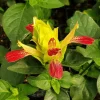
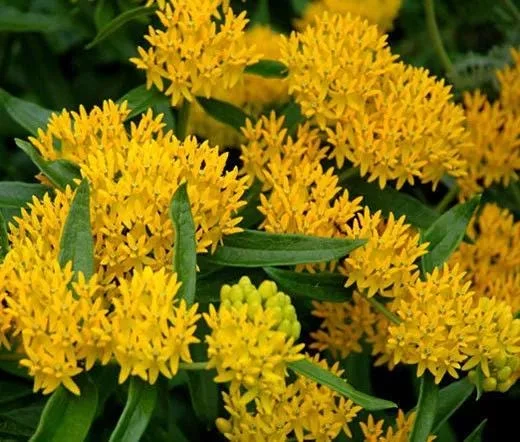
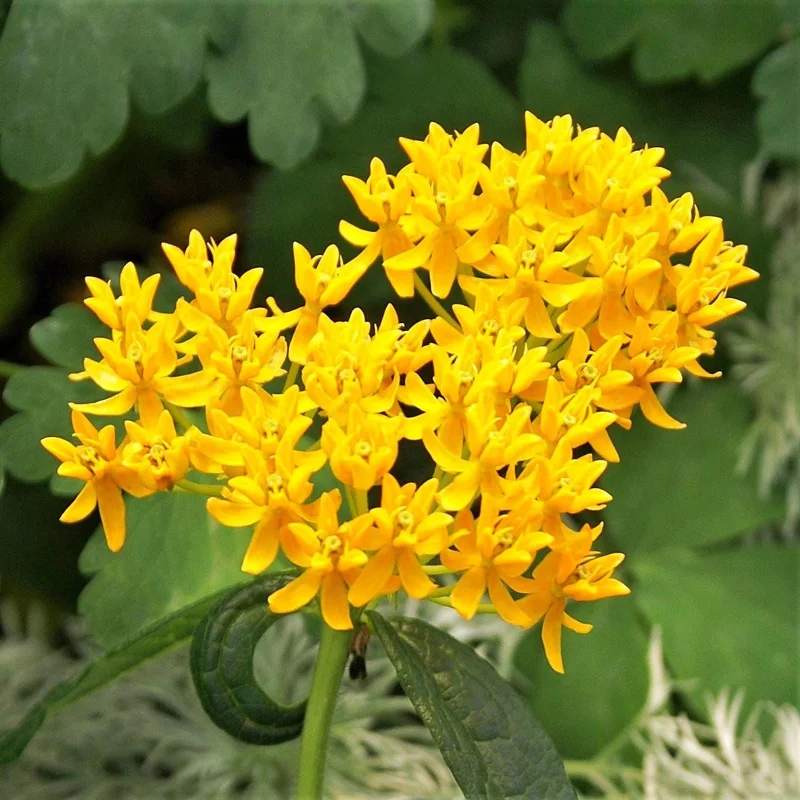
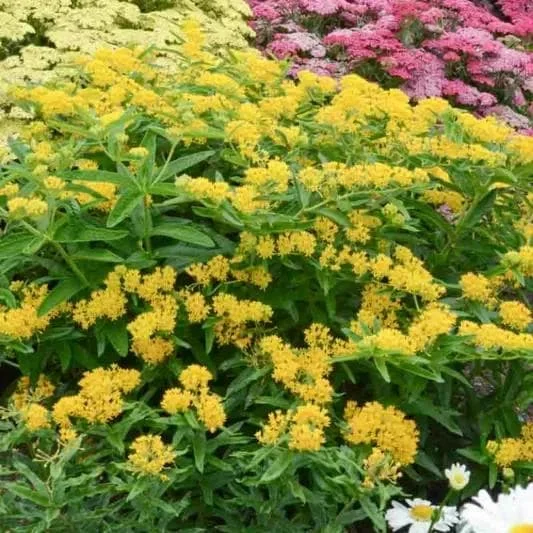
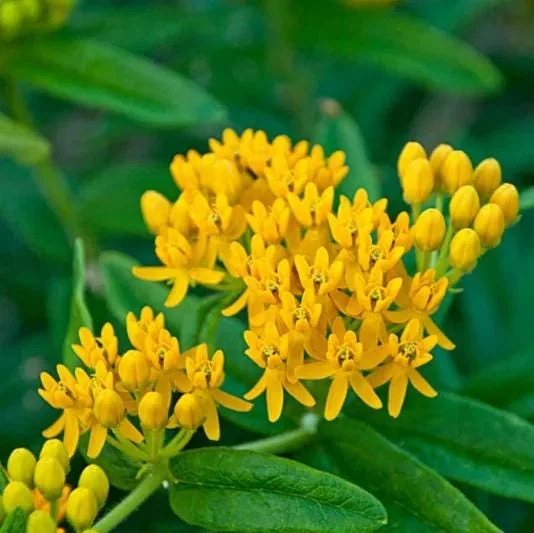
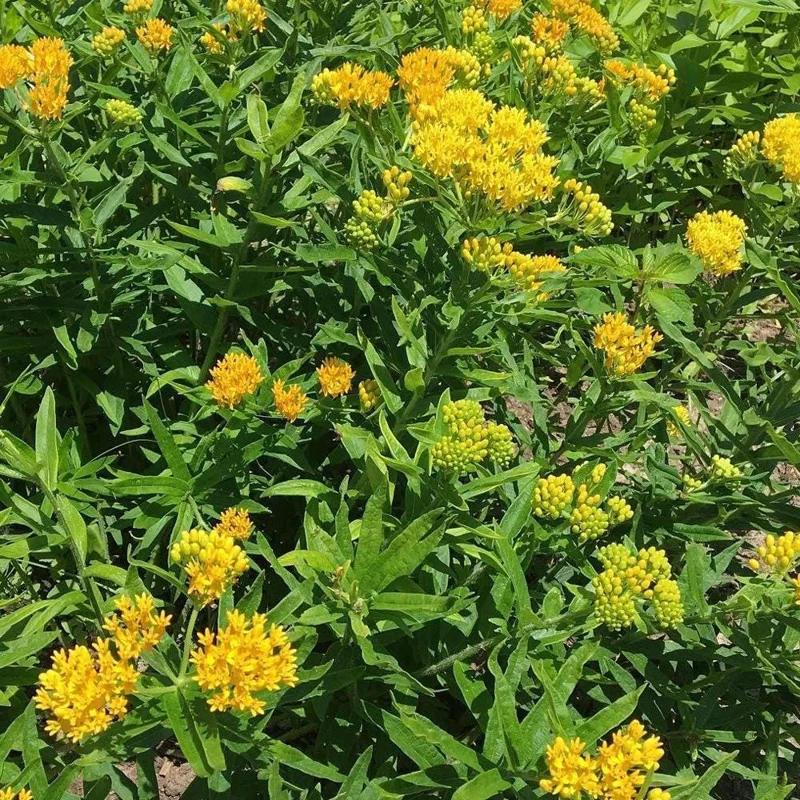
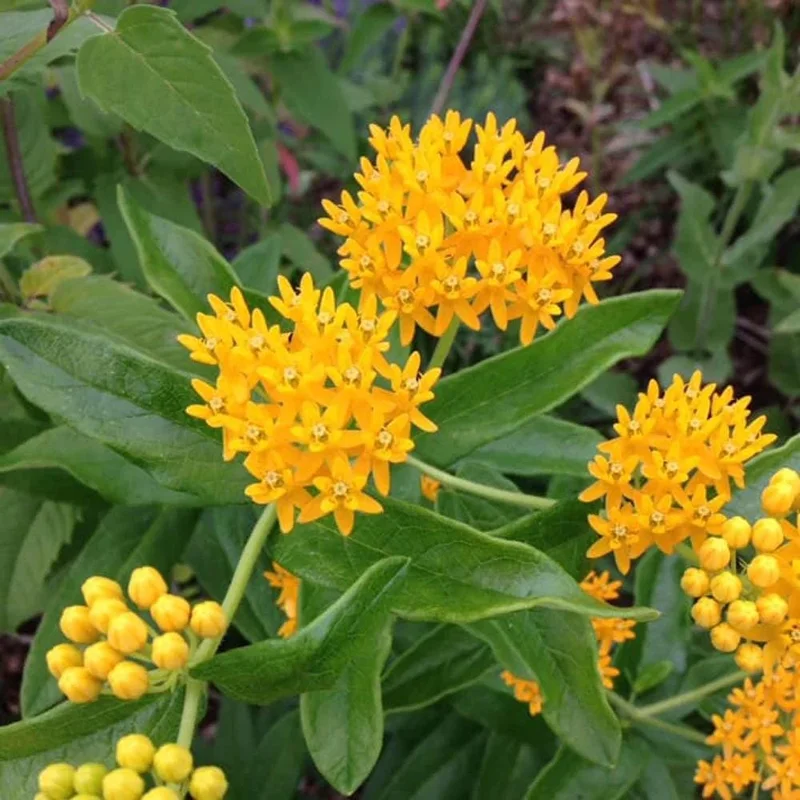
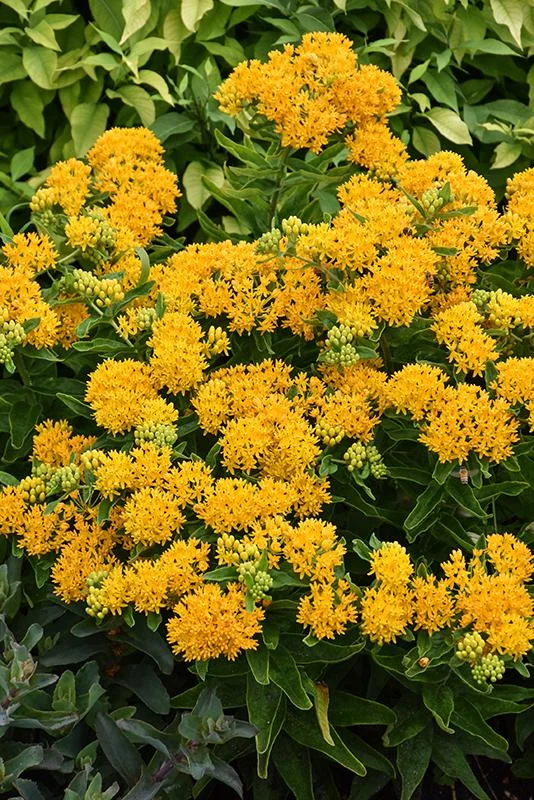
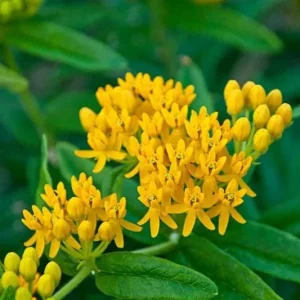
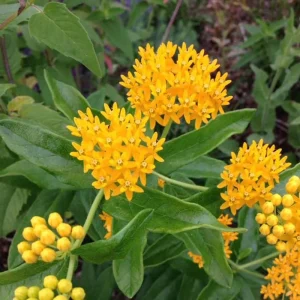
Transform your garden into a vibrant haven for pollinators with these beautiful yellow milkweed live plants. You will receive a pack of 2 vigorous starter plants, each standing 5-9 inches tall, ready to be transplanted and establish quickly. Known scientifically as Asclepias tuberosa, this specific variety of milkweed features radiant yellow flowers, offering a unique and cheerful alternative to the more common orange types. These plants are not just ornamental; they are crucial for the lifecycle of the Monarch butterfly, serving as the sole host plant where Monarchs lay their eggs and where their caterpillars feed. By adding these yellow milkweed live plants to your landscape, you’re directly contributing to the conservation of these magnificent insects, while enjoying a continuous display of sunny blooms from spring until the first frost. Our healthy, rooted plugs are cultivated for robust growth and easy establishment, ensuring you can quickly create an effective butterfly sanctuary. Whether you’re a seasoned gardener or just starting out, these plants provide an unparalleled opportunity to observe the magical metamorphosis of the Monarch butterfly up close. Make your garden a true monarch magnet plant with these indispensable additions. These plants are a perfect choice for anyone looking to create a thriving ecosystem.
Key Benefits
Investing in these yellow milkweed live plants brings a multitude of benefits to your garden and local ecosystem. They are an essential addition for any eco-conscious gardener.
- Monarch Butterfly Habitat: These yellow milkweed live plants are the only host plant for Monarch butterflies, providing critical food for caterpillars and nectar for adult butterflies. Create a thriving environment for these iconic pollinators, establishing a true milkweed for butterflies.
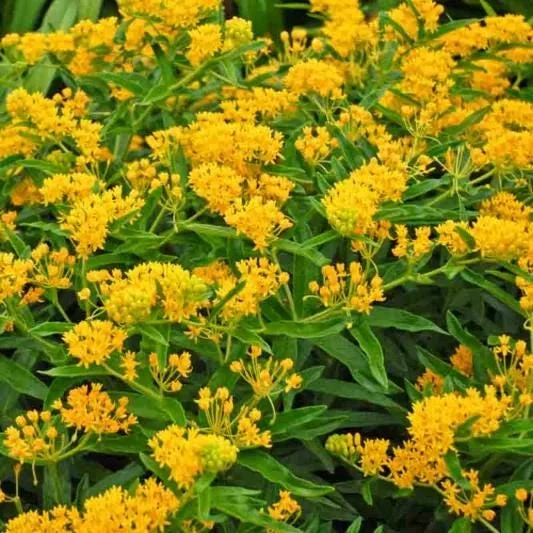
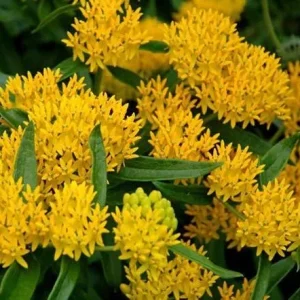
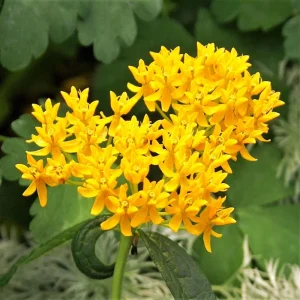
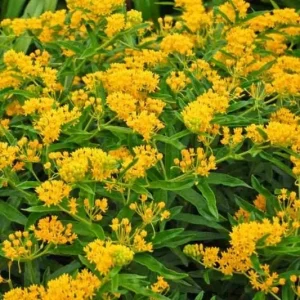
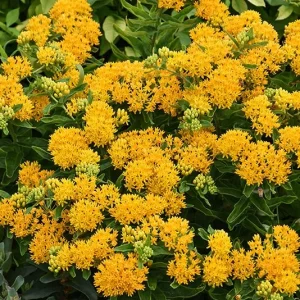
- Vibrant Yellow Blooms: Enjoy clusters of sunny yellow flowers that stand out in any garden. This unique color offers a striking contrast to green foliage and blooms continuously from spring through fall, adding cheerful color for months and making your garden pop.
- Low Maintenance & Drought Tolerant: Once established, these milkweed plants are incredibly tough. They are heat-loving, drought-tolerant, and deer-resistant, requiring minimal watering and care, making them ideal for busy gardeners or xeriscaping projects. This truly is a drought tolerant milkweed, saving you time and effort.
- Attracts Diverse Pollinators: Beyond Monarchs, the nectar-rich flowers attract a wide array of other beneficial pollinators, including various bees and other butterfly species, enhancing your garden’s biodiversity and overall health.
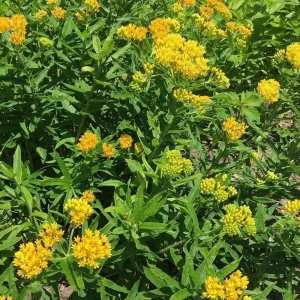
- Versatile Garden Use: Adaptable to various settings, these plants thrive in containers on patios, as stunning border plants, or integrated into mixed flower beds and pollinator gardens. Their upright, bushy growth habit fits well in many designs, making them a flexible choice.
- Eco-Friendly Gardening: By planting a monarch magnet plant like milkweed, you are supporting environmental health and promoting sustainable gardening practices, helping to restore natural habitats and contribute to ecological balance.
- Educational Opportunity: Witness the full lifecycle of the Monarch butterfly from egg to caterpillar to chrysalis to adult, providing an incredible educational experience for all ages. It’s truly a fascinating milkweed for butterflies that offers continuous learning.
Plant Care & Growing Tips
Caring for your yellow milkweed live plants is straightforward, especially once they are established. Upon arrival, unbox your plants immediately. If the roots appear dry, soak them in water for about 20 minutes before planting. Dig a hole twice the width of the root ball and plant so the crown is level with the soil surface. These plants thrive in full sun (6+ hours); adequate sunlight is crucial for abundant blooms and healthy growth. Plant them in a location that receives at least six hours of direct sunlight daily. Insufficient light will reduce flowering and overall vigor. For the first two weeks after planting, keep the soil consistently moist to help the roots establish. After this initial period, yellow milkweed live plants become remarkably drought-tolerant, requiring water only when the top 2 inches of soil are dry. Overwatering should be avoided as it can lead to root rot. They are adaptable to various well-draining soil types, including loam, sandy, and well-draining clay soils. Avoid using pesticides, as these will harm the very Monarch caterpillars you are trying to attract and support. Remember, a few nibbled leaves are a sign of a healthy butterfly habitat. In late fall, cut back the spent foliage to encourage fresh growth the following spring. These plants are perennial in USDA zones 8-11 and can be grown as annuals in zones 3-7. The asclepias tuberosa yellow variety is known for its resilience and ability to thrive in various conditions, making it a reliable choice for your garden. This drought tolerant milkweed requires minimal intervention once settled.
Size & Details
Each order includes a pack of 2 vigorous yellow milkweed live plants, currently standing between 5 and 9 inches tall. These are shipped as healthy, rooted plugs, ready for immediate transplanting into your garden or containers. When grown in containers, expect a mature height of 18-24 inches, while plants in the ground can reach 2-3 feet tall. They exhibit an upright, bushy growth habit. The blooming period extends from spring through fall, and in tropical zones, continuous blooming can occur year-round. These plants are shipped bare-root or semi-bare root with moisture gel to ensure safe and eco-friendly transit. It is normal for milkweed to experience some leaf drop due to shipping stress; this is a natural survival mechanism and the plants will recover quickly once planted and watered. The drought tolerant milkweed nature means less fuss for you, making it an excellent choice for a low-maintenance garden that supports a variety of pollinators. These yellow milkweed live plants will quickly become a focal point.
Frequently Asked Questions
- Q: How big do these yellow milkweed live plants get? A: In containers, these yellow milkweed live plants typically reach 18-24 inches tall. When planted in the ground, they can grow to a mature height of 2-3 feet, forming a bushy, upright plant, providing ample space for Monarchs.
- Q: Is this an indoor or outdoor plant? A: This milkweed variety is primarily an outdoor plant, thriving in full sun exposures. While it can be started indoors, its ideal environment for robust growth and blooming is outdoors in a garden or on a sunny patio, making it a perfect monarch magnet plant for your yard.
- Q: How much sunlight does this milkweed for butterflies need? A: These plants require full sun, meaning at least 6 hours of direct sunlight per day, to produce abundant flowers and support healthy caterpillar development. Less sunlight will result in fewer blooms and less vigorous growth, so choose a sunny spot.
- Q: Is this plant easy to care for? A: Yes, once established, yellow milkweed live plants are considered low-maintenance. They are heat-loving, drought-tolerant, and deer-resistant, making them a great choice for both novice and experienced gardeners looking for a hassle-free addition.
- Q: What condition will the plants arrive in? A: Your asclepias tuberosa yellow plants will arrive as healthy, rooted starter plugs, shipped bare-root or semi-bare root with moisture gel. Some leaf drop due to shipping stress is normal, and the plants will quickly recover after planting with proper care.
- Q: When is the best time to plant these yellow milkweed live plants? A: The best time to plant is in spring or early summer after the last frost. This allows the plants ample time to establish their root systems before the hottest part of the year, ensuring strong growth.
- Q: Will this drought tolerant milkweed survive winter in my zone? A: These plants are perennial in USDA Hardiness Zones 8-11. In cooler zones (3-7), they are typically grown as annuals, though they may self-seed for next season, offering a chance for new growth each year.
- Q: Can I use pesticides on my milkweed plants? A: No, it is strongly advised not to use any pesticides on your milkweed. Pesticides will harm Monarch butterfly eggs and caterpillars, defeating the purpose of growing this essential monarch magnet plant and supporting the ecosystem.
- Q: What type of soil is best for yellow milkweed? A: These plants are adaptable to various well-draining soil types, including loam, sandy, and well-draining clay soils. Good drainage is key to preventing root issues and ensuring healthy growth for your milkweed for butterflies.
- Q: How often should I water my established milkweed? A: Once established, water your milkweed for butterflies only when the top 2 inches of soil feel dry to the touch. They are quite drought-tolerant and prefer not to be overwatered, making them easy to maintain.


Reviews
There are no reviews yet.