Overview
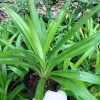
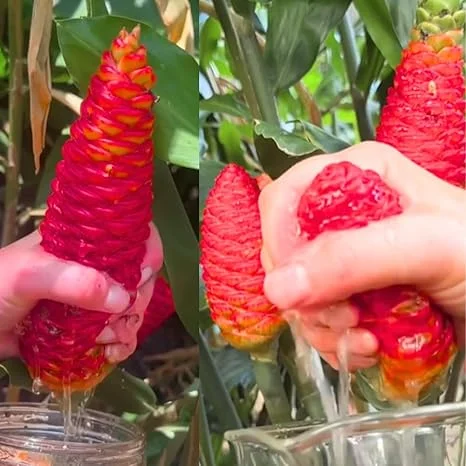
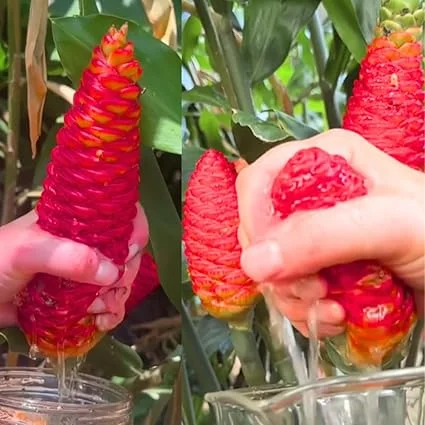
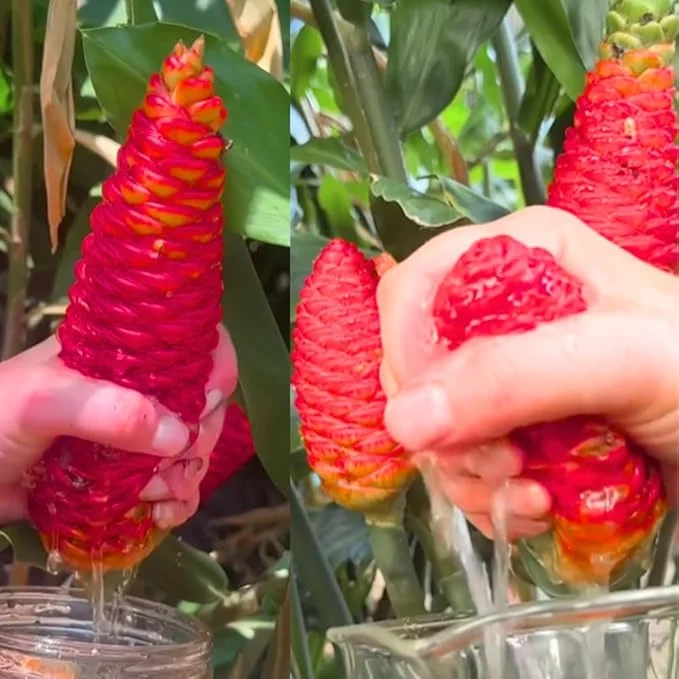
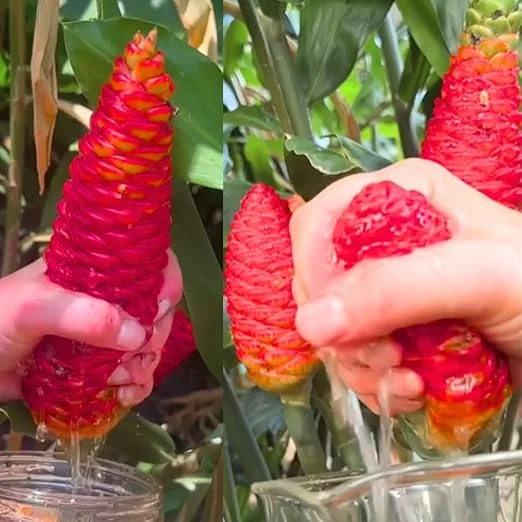
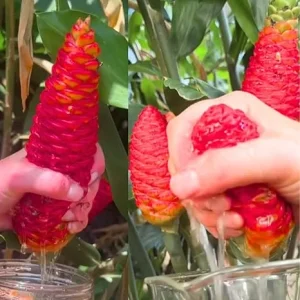
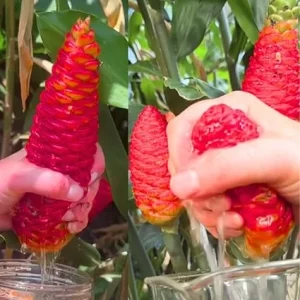
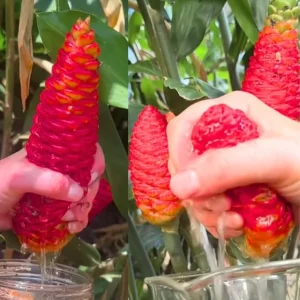
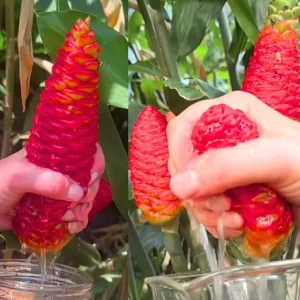
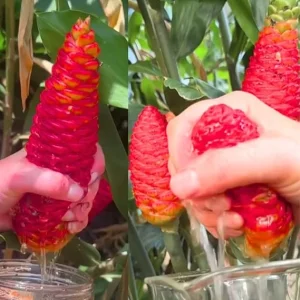
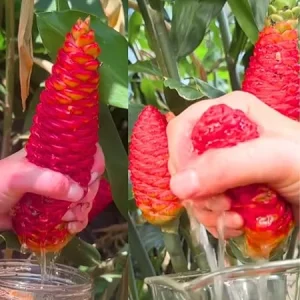
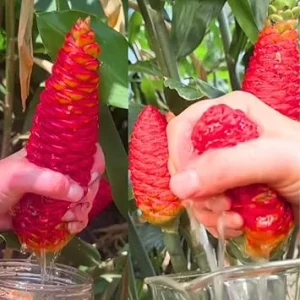
Bring the exotic beauty and unique aroma of the tropics to your garden with 20 live roots of Awapuhi Shampoo Ginger plants. Scientifically known as Zingiber Zerumbet, and commonly referred to as Pinecone Ginger or Bitter Ginger, this remarkable perennial is cherished for its distinctive pinecone-shaped inflorescence that produces a fragrant, conditioning liquid. Whether you’re an experienced gardener or just starting, these ready-to-grow roots offer an exciting opportunity to cultivate a plant with both ornamental appeal and practical uses. The Zingiber Zerumbet live roots are ideal for creating a lush, tropical ambiance in your outdoor spaces, adaptable to various growing conditions and promising a rewarding gardening experience.
These vigorous roots are perfect for establishing a new patch of this fascinating ginger. The Awapuhi plant is celebrated not only for its striking appearance but also for the natural ‘shampoo’ found within its mature cones, a tradition passed down through generations. Easy to plant and quick to establish, these roots will transform your garden into a vibrant paradise, providing both visual interest and a touch of natural luxury. Discover the joy of growing your own Awapuhi Shampoo Ginger plants.
Key Benefits
Cultivating Awapuhi Shampoo Ginger plants offers a multitude of benefits, from enhancing your garden’s aesthetic to providing natural, useful extracts:
- Unique Ornamental Value: The striking, pinecone-like flower heads add an exotic and tropical touch to any garden or landscape. Their vibrant color and unusual shape make them a focal point, attracting attention and admiration.
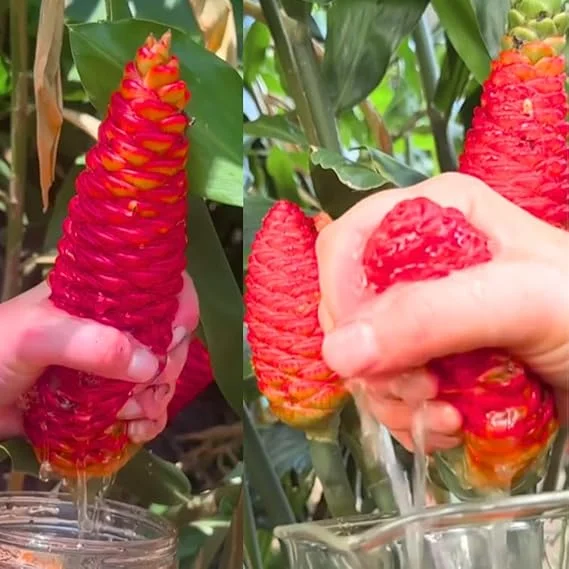
- Natural Hair Conditioner: The mature cones produce a clear, fragrant liquid often used as a natural shampoo or hair conditioner. This traditional use highlights the plant’s practical benefits, allowing you to enjoy a natural, chemical-free product directly from your garden.
- Versatile Growing Conditions: These plants are highly adaptable, thriving in both partial sun and full sun exposures. This flexibility makes them suitable for a variety of garden spots, from shaded areas to brighter, more open locations, ensuring successful growth for your Awapuhi Shampoo Ginger plants.
- Fast-Growing Perennial: As a fast-growing perennial, the Awapuhi Ginger quickly establishes itself and returns year after year, providing continuous beauty and utility with minimal effort. This makes it an excellent long-term investment for your garden.
- Aromatic Fragrance: The plant, especially its mature cones, emits a pleasant, ginger-like fragrance that can enhance the sensory experience of your garden. Enjoy the subtle, refreshing scent as you tend to your plants.
- Adaptable to Various Soil Types: The Bitter Ginger for garden adapts well to a variety of soil types, reducing the need for specialized soil preparation. As long as the soil is well-draining, these plants are likely to thrive.
- Container Growing Potential: For those with limited garden space or in colder climates, these plants can be successfully grown in containers, allowing you to enjoy their beauty and benefits on patios, balconies, or even indoors during winter months.
Plant Care & Growing Tips
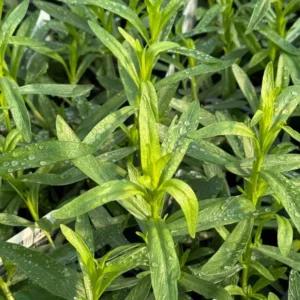
Caring for your Awapuhi Shampoo Ginger plants is straightforward, ensuring a bountiful harvest of their unique ‘shampoo’ and beautiful foliage. These plants thrive in USDA Zones 8-11, making them suitable for many outdoor gardens. They prefer a location with partial sun to full sun exposure, meaning they can handle direct morning sun but appreciate some afternoon shade in hotter climates to prevent scorching. While adaptable, consistent moisture is key during their active growing season. Ensure the soil remains evenly moist but not waterlogged, as good drainage is crucial to prevent root rot. The Pinecone Ginger outdoor variety will flourish with regular watering, especially during dry spells.
For optimal growth, plant your Zingiber Zerumbet live roots in rich, well-draining soil. Amending your garden soil with compost or other organic matter will provide essential nutrients and improve soil structure. Fertilize monthly during the growing season with a balanced liquid fertilizer to support vigorous growth and flower production. In colder zones, these plants can be grown in containers and brought indoors before the first frost, or treated as annuals. Protect them from strong winds, which can damage their large leaves. Watch out for common garden pests, though Awapuhi is generally quite resilient. Proper care will ensure your Awapuhi plant care routine yields healthy, productive plants.
Size & Details
This offering includes 20 Awapuhi Shampoo Ginger plants as live roots, ready for immediate planting. Each root is carefully selected to ensure viability and vigorous growth. While specific dimensions of individual roots may vary, they are typically robust enough to establish quickly. Once planted, these fast-growing perennials can reach an average height of 3 to 5 feet, with a spread of 2 to 3 feet, creating a substantial and attractive clump over time. The distinctive pinecone-like inflorescences typically emerge in late summer or early fall, changing color from green to vibrant red as they mature and fill with the natural ‘shampoo’ liquid.
These Zingiber Zerumbet live roots are shipped without soil or pots, allowing for flexible planting upon arrival. They are best planted in spring or early summer to give them ample time to establish before cooler weather. Expect to see initial foliage growth within a few weeks of planting, with the plant reaching its mature size and producing cones within one to two growing seasons. For gardening enthusiasts looking to add a unique and functional plant to their collection, these 20 live roots provide an excellent starting point for cultivating your own Bitter Ginger for garden.
Frequently Asked Questions
- Q: How big do these Awapuhi Shampoo Ginger plants get? A: Once established, Awapuhi Shampoo Ginger plants typically grow to be about 3 to 5 feet tall with a spread of 2 to 3 feet. Their size can vary slightly depending on growing conditions and climate.
- Q: Are these suitable for indoor or outdoor planting? A: These Awapuhi Shampoo Ginger plants are primarily intended for outdoor planting in USDA Zones 8-11. However, in colder climates, they can be grown in containers and brought indoors during winter months.
- Q: How much sunlight does Awapuhi Shampoo Ginger need? A: Pinecone Ginger outdoor plants thrive in partial sun to full sun. They perform best with several hours of direct sunlight, but appreciate some afternoon shade in very hot climates to prevent leaf scorch.
- Q: Is this plant easy to care for? A: Yes, Awapuhi plant care is generally considered easy. They are fast-growing and adaptable, making them suitable for gardeners of all experience levels. Consistent watering and well-draining soil are key.
- Q: What condition will the roots arrive in? A: You will receive 20 live, healthy roots, ready for planting. They are shipped bare root, meaning without soil or pots, to ensure safe transit and easy planting.
- Q: When is the best time to plant these Awapuhi Ginger roots? A: The best time to plant these Zingiber Zerumbet live roots is in the spring or early summer, after the last frost. This gives the plants ample time to establish themselves before the cooler temperatures of fall and winter.
- Q: Can I use the liquid from the cones for my hair? A: Yes, the clear, fragrant liquid that develops in the mature, red cones of the Awapuhi plant is traditionally used as a natural shampoo and hair conditioner. It is known for its moisturizing properties.
- Q: What kind of soil is best for Bitter Ginger? A: Bitter Ginger for garden prefers rich, well-draining soil. Amending your garden soil with compost or other organic matter will help provide the nutrients and drainage they need to thrive.
- Q: How long until the plants produce the ‘shampoo’ cones? A: You can typically expect the Awapuhi Shampoo Ginger plants to produce their distinctive cones in late summer or early fall, usually within one to two growing seasons after planting, once the plants are well-established.
- Q: Will these plants survive winter in my zone? A: These plants are hardy in USDA Zones 8-11. In these zones, they will typically die back to the ground in winter and re-emerge in spring. In colder zones, they should be brought indoors or protected from freezing temperatures.


Reviews
There are no reviews yet.