Overview
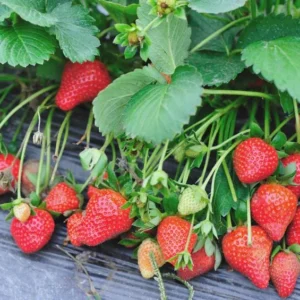
Embark on a rewarding gardening journey with 20 Blakemore strawberry bare roots. The Blakemore strawberry, scientifically known as Fragaria × ananassa, is a celebrated June-bearing variety that brings a piece of horticultural history to your garden. Developed by the USDA in Maryland and introduced in 1931, this specific strawberry type quickly gained immense popularity, particularly across the southern and eastern United States. Its fame stemmed from its exceptional fruit firmness, a crucial attribute for shipping in its era. Today, it remains a beloved choice for home gardeners seeking a reliable and productive strawberry plant. These Blakemore strawberry bare roots are ready to establish, promising a bountiful harvest of classic, flavorful berries. Whether you’re a seasoned gardener or just starting, these bare roots offer an excellent foundation for a thriving strawberry patch.
The Blakemore strawberry is a robust and adaptable plant, known for its resilience and consistent yields. It’s an excellent choice for those looking to grow their own fruit, providing fresh, sweet berries right from the garden. These June-bearing strawberry plants produce a concentrated crop over a few weeks in early summer, making them perfect for large-batch preserving or family enjoyment. Their historical significance and proven performance make them a compelling addition to any edible landscape.
Key Benefits
Investing in Fragaria x ananassa Blakemore strawberry bare roots offers numerous advantages for the home gardener. These plants are not only productive but also possess characteristics that make them a joy to cultivate:
- High Yields of Firm Fruit: The Blakemore variety is celebrated for producing abundant, firm berries that are ideal for fresh consumption, canning, freezing, or making jams and jellies. The firmness was historically important for shipping, and it translates to excellent shelf life and texture for home use.
- Historic & Reliable Variety: With a legacy dating back to 1931, the Blakemore strawberry is a time-tested variety known for its consistent performance and classic strawberry flavor. You’re planting a piece of agricultural heritage.
- Adaptable Growth: These strawberries thrive in a wide range of climates, optimally grown in USDA Zones 3 through 8. This broad adaptability makes them suitable for many regions across the United States.
- Disease Resistance: Blakemore strawberries are notably resistant to certain common strawberry diseases, contributing to easier maintenance and healthier plants. This resilience helps ensure a successful harvest with less effort.
- Drought Tolerance: While they prefer consistent moisture, these plants are relatively hardy and can tolerate moderate drought conditions once established, making them more forgiving for busy gardeners.
- Heat & Humidity Resistance: The variety shows good resistance to rotting in hot, humid weather, which is a significant advantage for growers in warmer climates, particularly in the southern and eastern US.
- Versatile Use: Beyond fresh eating, the berries are excellent for pies, smoothies, and other culinary creations. Growing your own June-bearing strawberry plants provides a fresh, organic source of fruit.
Plant Care & Growing Tips
Caring for your Blakemore strawberry bare roots is straightforward, leading to a rewarding harvest. These plants thrive with proper attention to their environmental needs. Upon arrival, plant your bare roots as soon as possible. If immediate planting isn’t feasible, store them in a cool, dark place, keeping the roots slightly moist. When planting, ensure the crown (the point where the roots meet the leaves) is level with the soil surface. Dig a hole wide enough to spread the roots out naturally, then backfill with soil, gently firming it around the roots to remove air pockets.
Sunlight Requirements: Blakemore strawberries require full sun for optimal fruit production. This means at least 6-8 hours of direct sunlight per day. Choose a planting site in your garden that receives ample sun throughout the day. While they can tolerate partial shade, fruit yield and quality may decrease. Strawberry plant care is greatly influenced by adequate light.
Watering & Soil Moisture: These plants prefer consistently moist, but not waterlogged, soil. Water deeply, especially during dry spells and when the plants are fruiting. Good drainage is crucial to prevent root rot. Avoid overhead watering if possible, as this can encourage fungal diseases; drip irrigation or soaker hoses are ideal. Monitor soil moisture regularly, especially during the hottest parts of summer.
Soil Type & Drainage: Blakemore strawberries thrive in well-drained, fertile soil with a slightly acidic pH (between 5.5 and 6.5). Amending heavy clay soils with organic matter like compost or aged manure will improve drainage and fertility. For sandy soils, organic matter will help retain moisture and nutrients. Raised beds are an excellent option for ensuring optimal drainage and soil conditions for these Fragaria x ananassa plants.
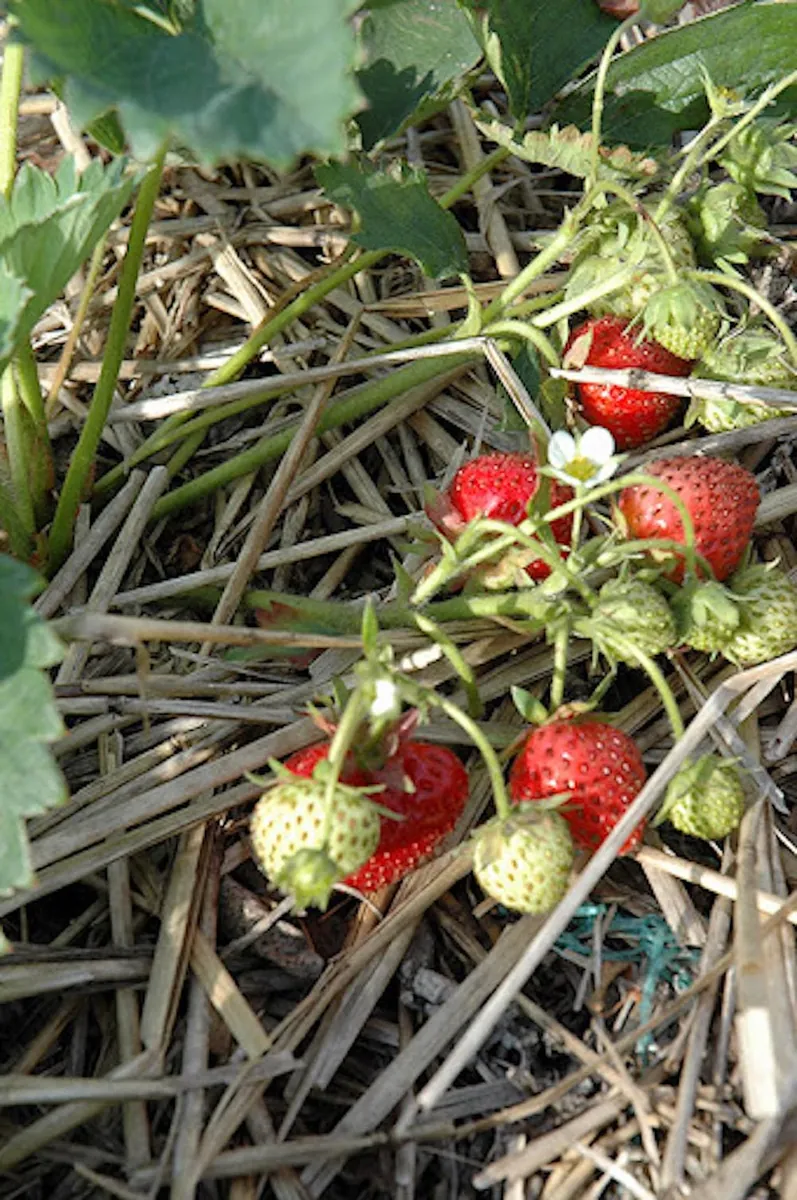
Temperature & USDA Hardiness Zone: These strawberries are optimally grown in USDA Zones 3 through 8. They are cold-hardy but benefit from winter protection in colder zones, such as a layer of straw mulch after the ground freezes. In warmer zones, ensure they receive adequate water during hot periods. They are known for their resistance to rotting in hot, humid weather.
Fertilization: Fertilize your strawberry plants in early spring before new growth begins and again after the June harvest. Use a balanced fertilizer or one formulated for fruiting plants. Avoid excessive nitrogen, which can lead to lush foliage but reduced fruit production. A soil test can help determine specific nutrient deficiencies.
Common Problems & Solutions: Watch out for common pests like slugs, birds, and various insects. Companion planting, netting, or organic pest control methods can be effective. Fungal diseases can be managed by ensuring good air circulation, proper watering techniques, and resistant varieties. Proper strawberry plant care helps prevent many issues.
Size & Details
This offering includes 20 Blakemore strawberry bare roots. These bare roots are dormant plants, meaning they have no soil attached and are ready for planting upon arrival. Each bare root is a young, viable plant, typically consisting of a crown and a healthy root system, poised for growth once planted in favorable conditions. When mature, Blakemore strawberry plants generally form clumps up to 6-8 inches tall and spread to about 12-18 inches wide through runners. The exact size will vary based on planting conditions, soil fertility, and care.
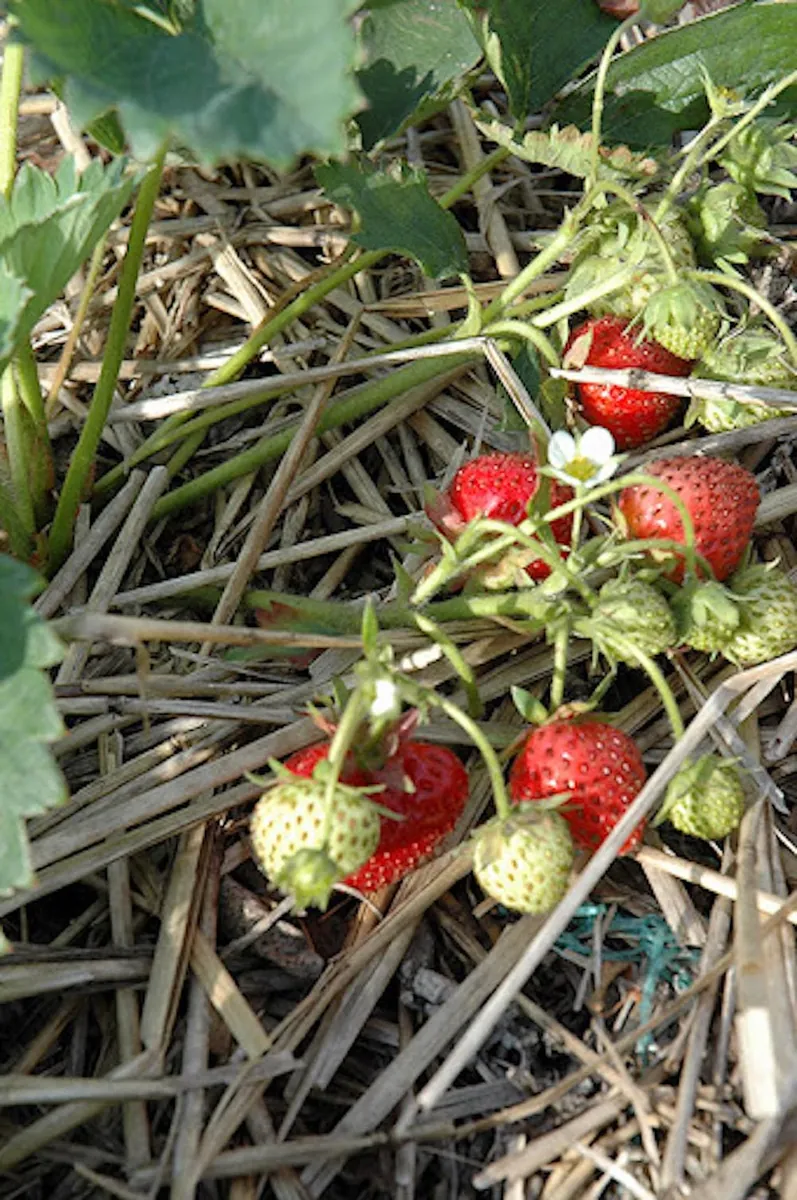
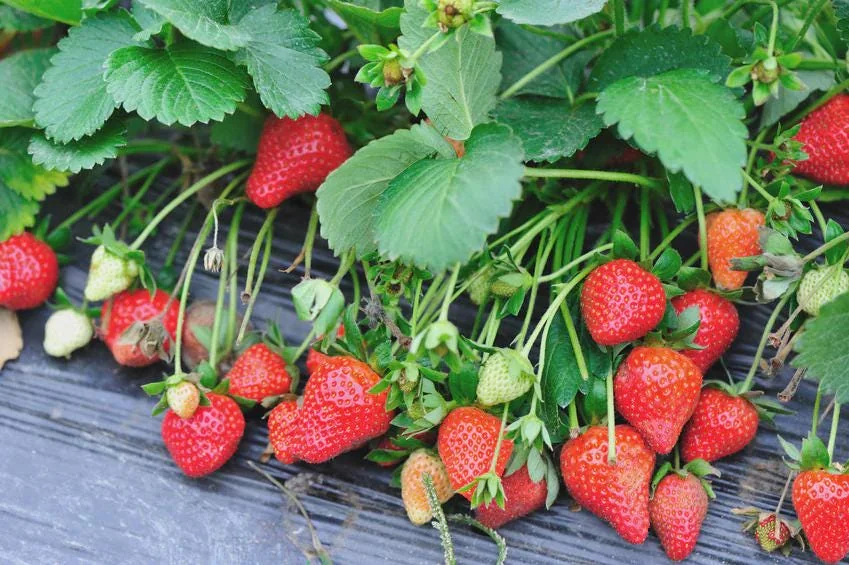
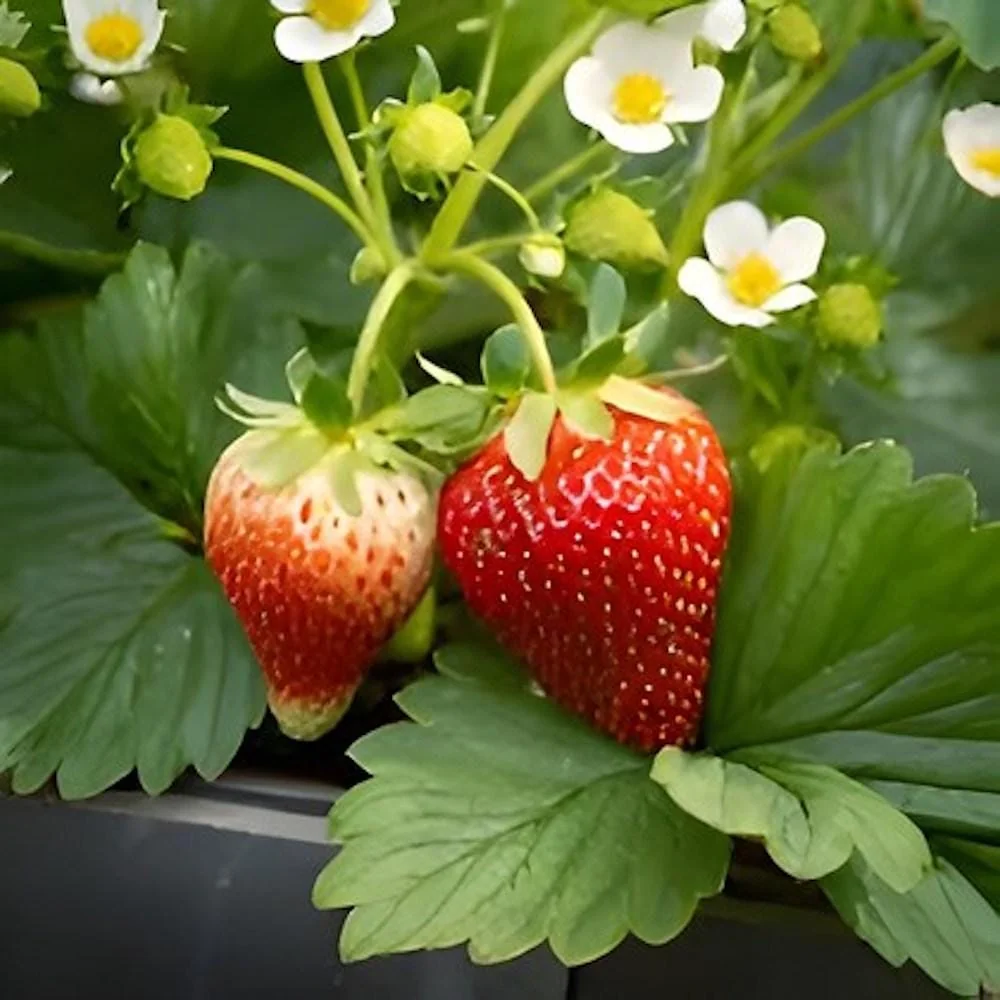
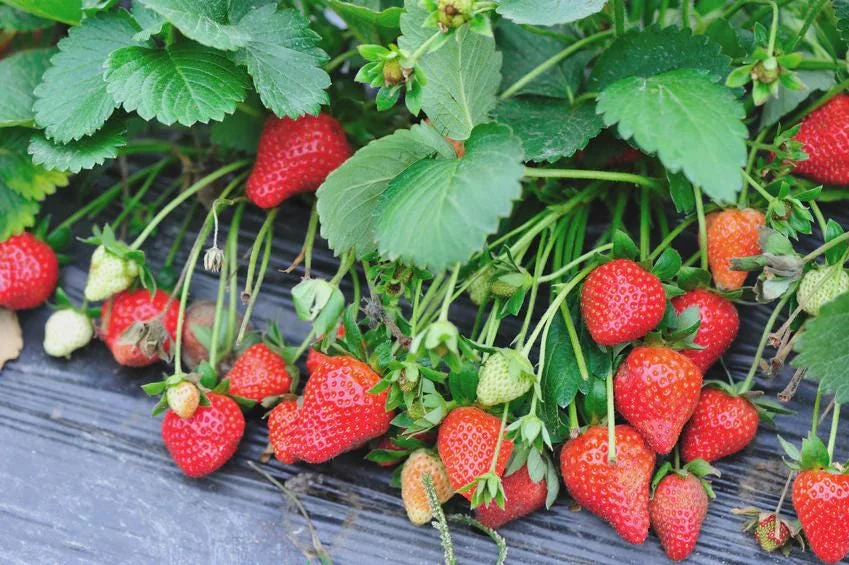
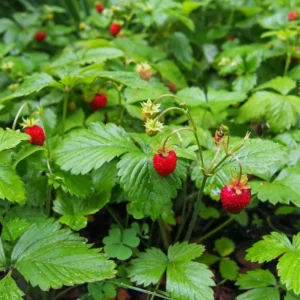
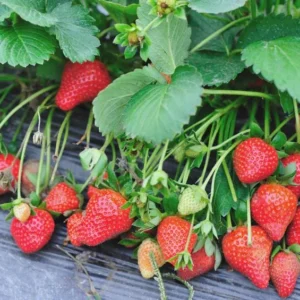
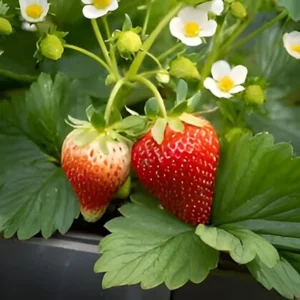
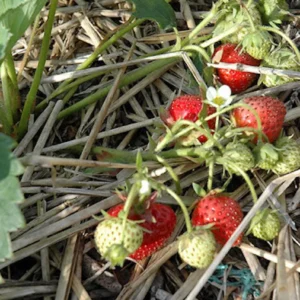
As a June-bearing strawberry, these plants will produce their main crop of berries over a concentrated period of 2-3 weeks in late spring to early summer, depending on your climate zone. The berries themselves are medium-sized, conical, and known for their bright red color and firm texture. Expect the first significant harvest in the year following planting, though some fruit may appear in the initial growing season if planted early and cared for diligently. These bare roots provide an economical and effective way to establish a productive strawberry patch.
Frequently Asked Questions
- Q: How big do these Blakemore strawberry plants get? A: Mature Blakemore strawberry plants typically grow about 6-8 inches tall and spread 12-18 inches wide. Their size can vary depending on growing conditions and the care they receive, but they generally maintain a manageable size for garden beds or containers.
- Q: What condition will the 20 Blakemore strawberry bare roots arrive in? A: Your 20 Blakemore strawberry bare roots will arrive dormant, without any soil. They will be carefully packaged to ensure their roots remain healthy and viable for planting. It’s best to plant them as soon as possible after arrival.
- Q: Is this an indoor or outdoor plant? A: Blakemore strawberries are primarily outdoor plants, best suited for garden beds, raised beds, or large outdoor containers. They require full sun and cold dormancy to produce fruit effectively, making them unsuitable for typical indoor growing conditions.
- Q: How much sunlight does a Blakemore strawberry plant need? A: For optimal fruit production and plant health, Blakemore strawberries require at least 6-8 hours of direct sunlight per day. Choose a sunny location in your garden that receives abundant light throughout the growing season.
- Q: Is this strawberry plant easy to care for? A: Yes, the Blakemore strawberry is considered a relatively easy-to-care-for plant, especially given its hardiness and resistance to certain common issues. It’s a good choice for both beginner and experienced gardeners looking for a reliable firm strawberry fruit producer.
- Q: When is the best time to plant Blakemore strawberry bare roots? A: The best time to plant Blakemore strawberry bare roots is in early spring as soon as the soil can be worked. This allows the plants to establish a strong root system before the heat of summer and ensures a good harvest in subsequent years.
- Q: How long until these plants produce fruit? A: As a June-bearing variety, you can expect your first significant harvest of June-bearing strawberry fruit in the year following planting. Some plants may produce a small amount of fruit in their first growing season if planted early and given excellent care.
- Q: Will it survive winter in my zone? A: Blakemore strawberries are hardy in USDA Zones 3 through 8. In colder zones, they will survive winter, but applying a layer of straw mulch after the ground freezes can provide extra protection and improve overwintering success for your Fragaria x ananassa plants.
- Q: What’s the minimum temperature these plants can tolerate? A: Once established and properly mulched for winter, Blakemore strawberry plants can tolerate temperatures well below freezing, consistent with their hardiness in USDA Zone 3. Young plants are more vulnerable and benefit from protection.
- Q: What kind of soil is best for Blakemore strawberries? A: Strawberry plant care is optimized in well-drained, fertile soil with a slightly acidic pH (5.5-6.5). Amending the soil with organic matter like compost improves both drainage and nutrient content, which is crucial for healthy growth and abundant fruit.


Reviews
There are no reviews yet.