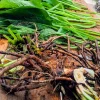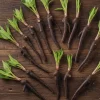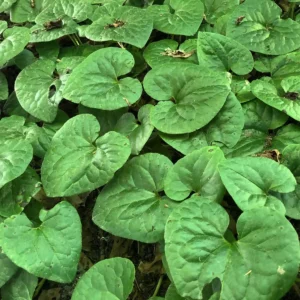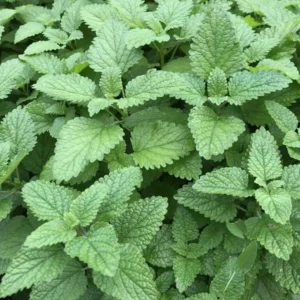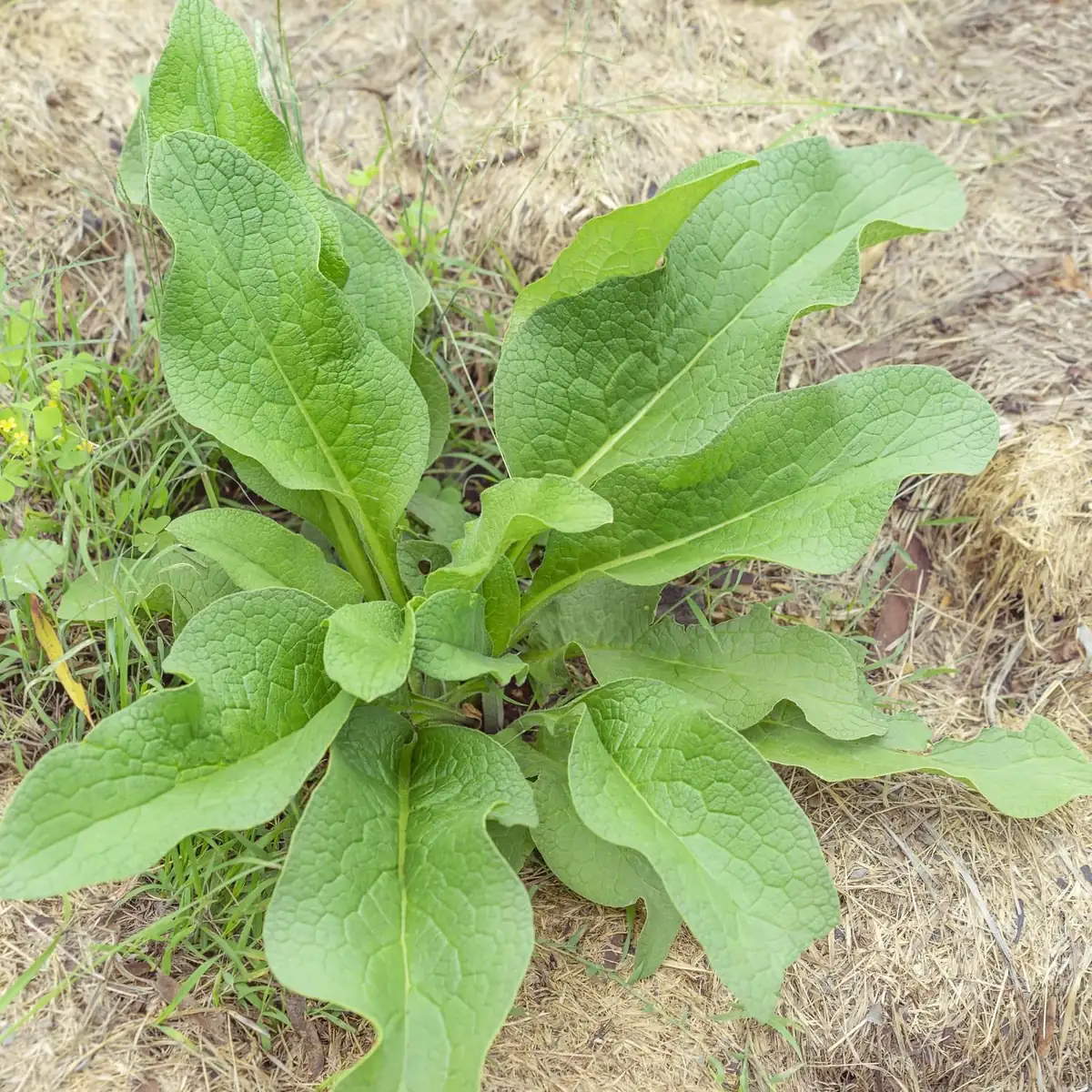
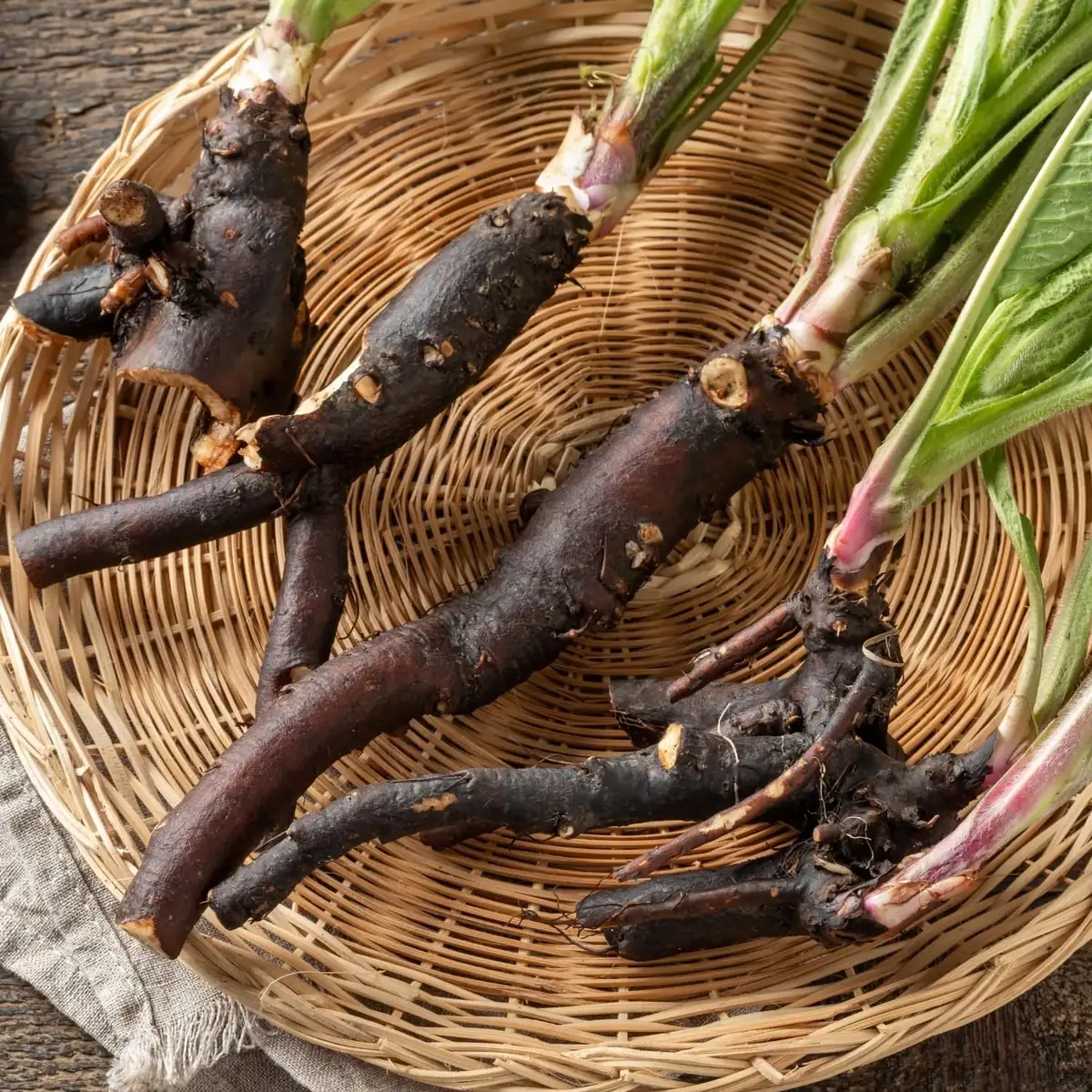
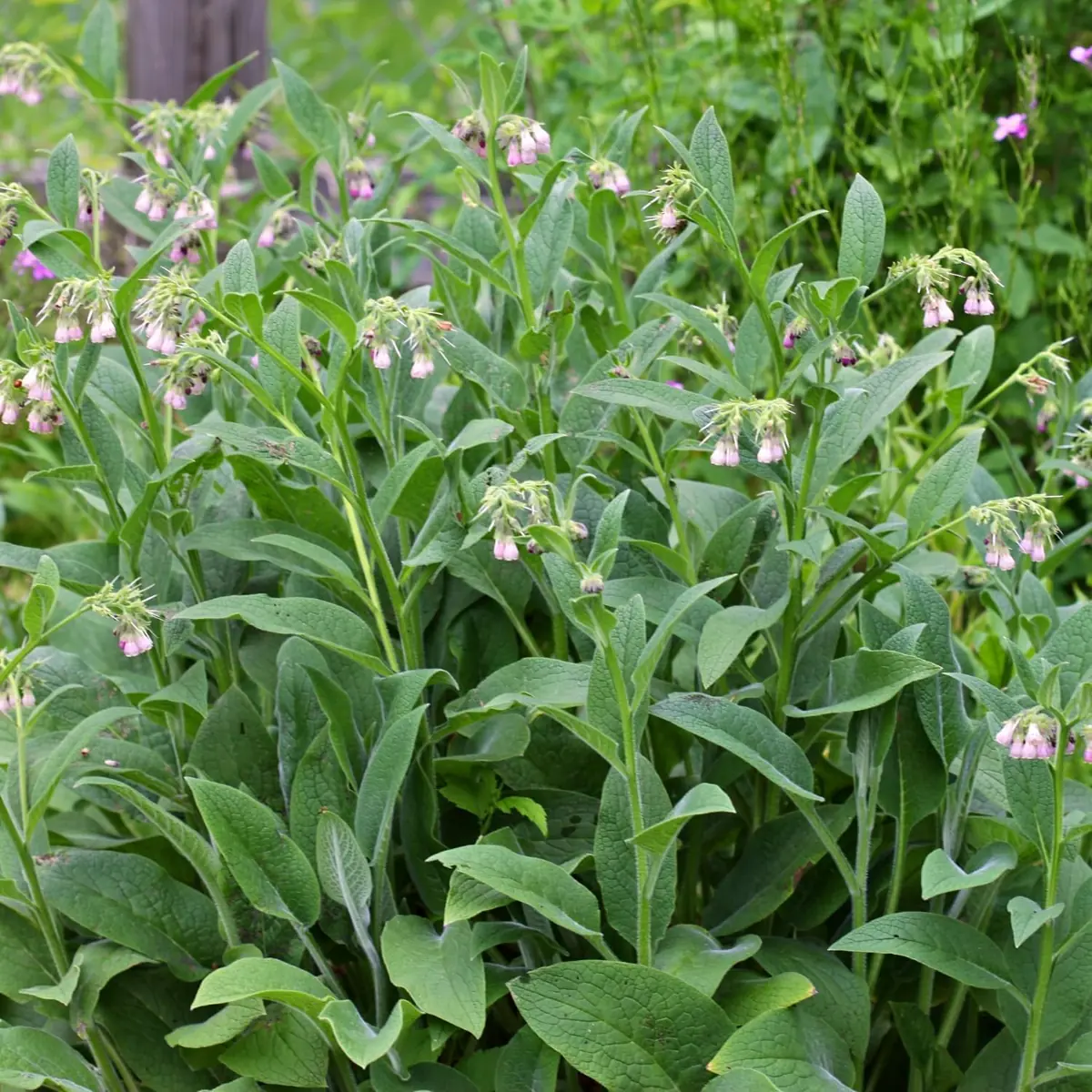

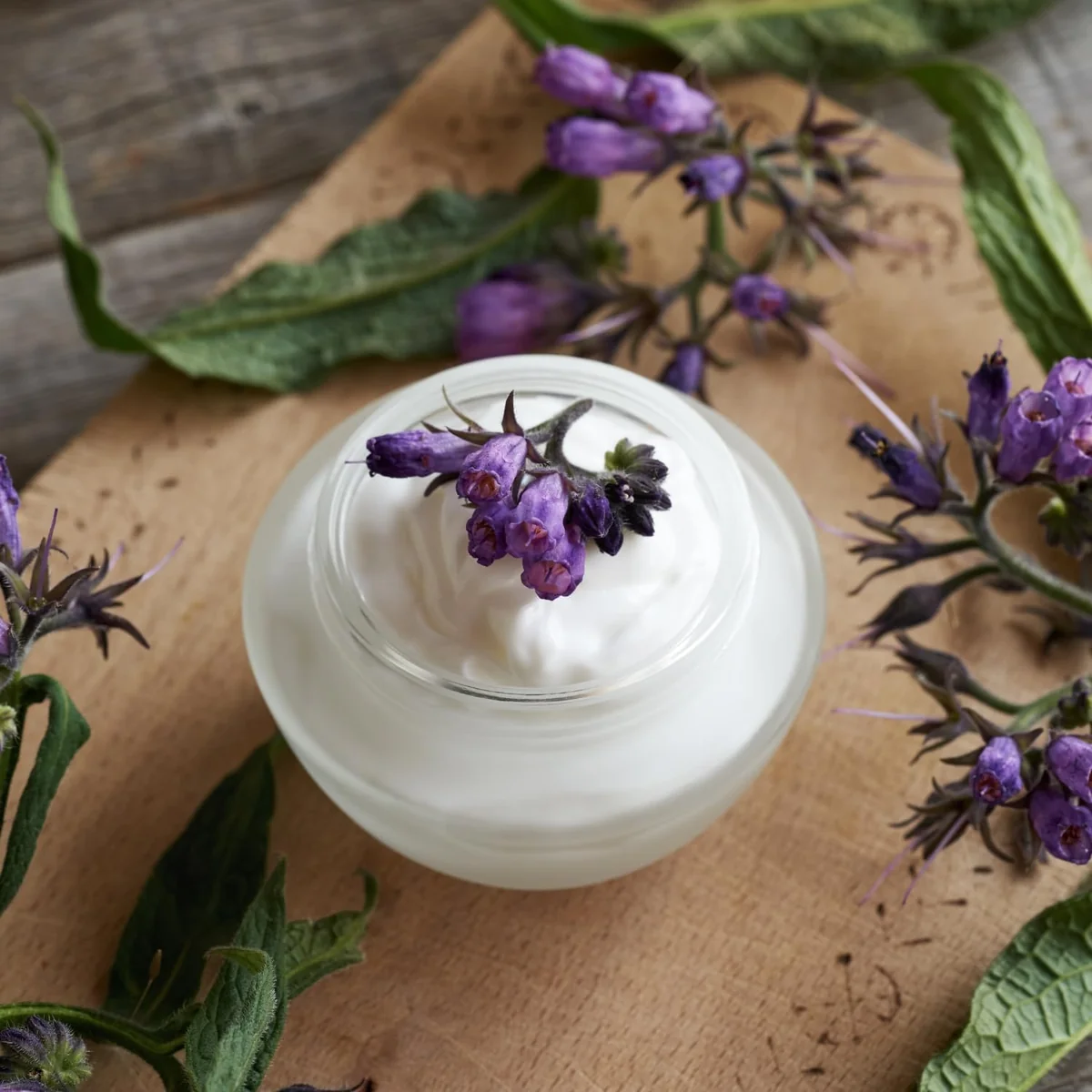
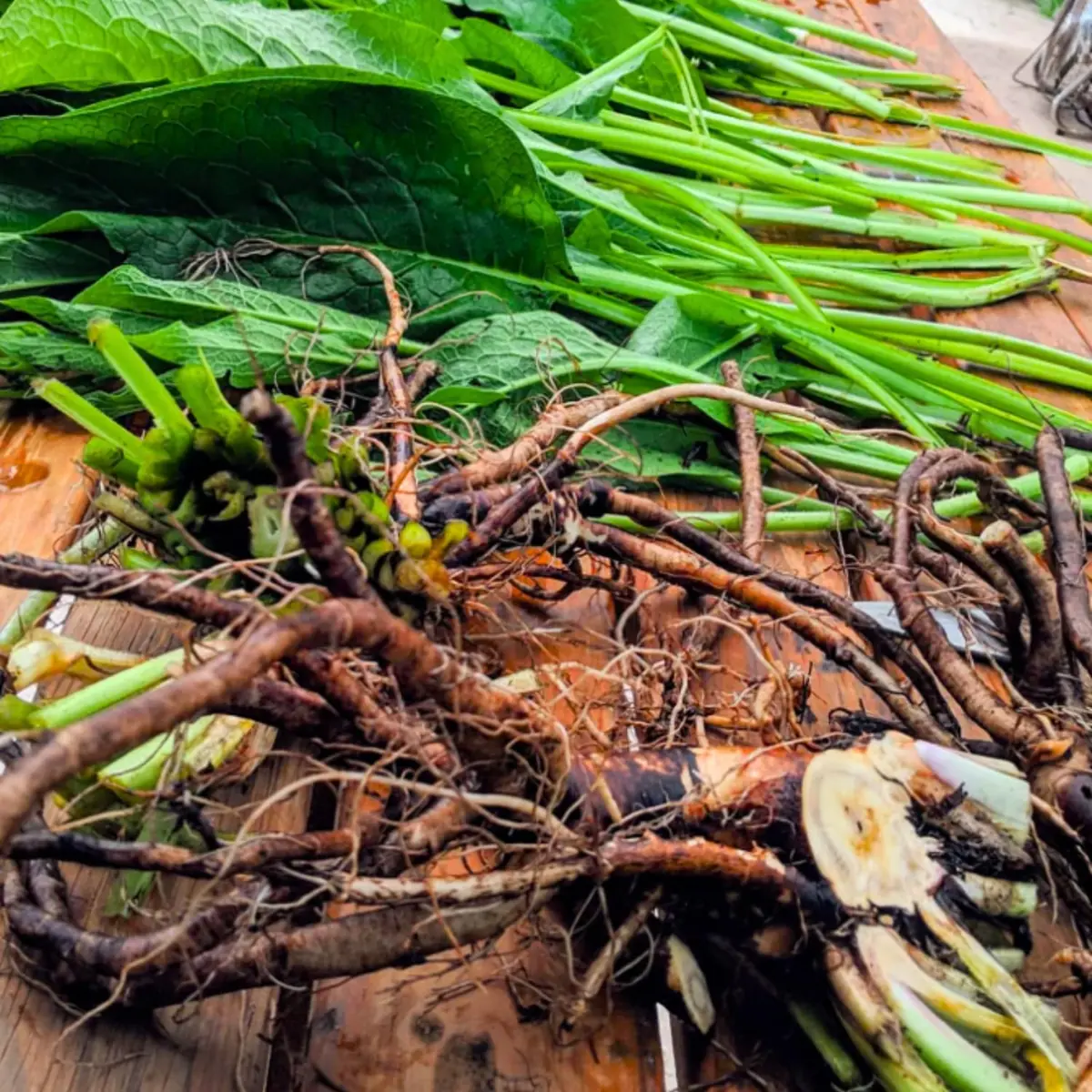
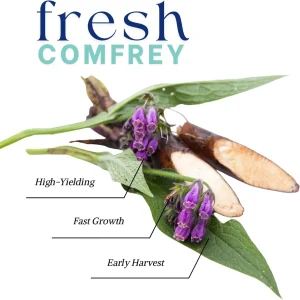
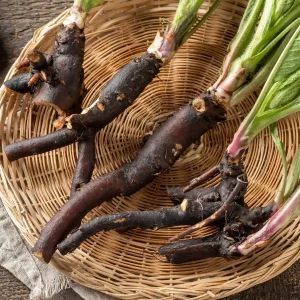
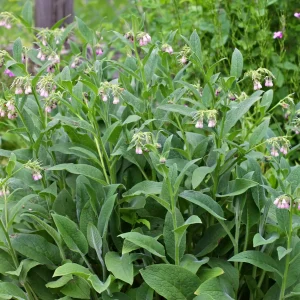


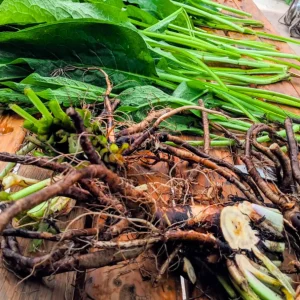
Transform your garden into a productive haven with our high-quality comfrey bocking 14 roots. This offering includes 20 robust bare root rhizomes, each measuring 3-6 inches, ready for planting. Comfrey, scientifically known as Symphytum officinale, is a remarkable perennial herb renowned for its vigorous growth and numerous benefits. The ‘Bocking 14’ variety is particularly prized for its sterile nature, meaning it won’t spread by seed, making it an excellent choice for controlled garden environments. These bare roots are designed for easy establishment, quickly forming dense clumps of large, hairy leaves that are perfect for creating nutrient-rich compost, mulching, or even for use as animal fodder. Whether you’re an experienced gardener or just starting, these comfrey bare roots provide a reliable and rewarding planting experience, promising to enhance your outdoor space for years to come.
Comfrey is a resilient plant, thriving in a variety of conditions once established, making it a low-maintenance addition to your outdoor space. Its deep taproots draw up essential minerals from the subsoil, enriching the topsoil as its leaves decompose. This makes it an invaluable companion plant in permaculture systems and organic gardens. Our bocking 14 rhizomes ensure you get a consistent, high-performing strain of comfrey, known for its ability to produce abundant biomass. Get ready to grow comfrey bocking 14 and enjoy a plant that gives back to your garden year after year.
Key Benefits
Our comfrey bocking 14 roots offer a multitude of advantages for any gardener looking to enhance their outdoor environment. These benefits extend beyond simple aesthetics, providing practical and ecological value, making it an indispensable addition to any sustainable garden.
- Exceptional Soil Enrichment: Comfrey’s deep taproots mine nutrients from the subsoil, bringing them to the surface. When chopped and dropped or added to compost, the leaves decompose rapidly, releasing these valuable nutrients back into the topsoil, acting as a dynamic accumulator. This process naturally improves soil fertility and structure, supporting healthier surrounding plants.
- Vigorous Perennial Growth: Once planted, these bocking 14 rhizomes establish quickly and return year after year. As a perennial comfrey herb, it provides a continuous supply of biomass without the need for replanting, offering consistent yields and reducing garden labor for seasons to come.
- Sterile Variety for Controlled Spreading: The ‘Bocking 14’ cultivar is sterile, meaning it does not produce viable seeds. This ensures that the plant stays where you put it, preventing unwanted spread and making it easier to manage in your garden or farm, unlike other more aggressive comfrey types.
- Low Maintenance & Hardy: Comfrey is known for its resilience and ability to thrive with minimal care. It’s tolerant of various soil types and conditions, making it an ideal choice for gardeners seeking robust and easy-to-grow plants. It is hardy in USDA Zones 3-9, ensuring its survival in a wide range of climates.
- Versatile Garden Use: Beyond soil improvement, comfrey leaves can be used to make nutrient-rich liquid feeds for other plants, as a mulch around fruit trees and shrubs to suppress weeds and retain moisture, or even as a fodder crop for livestock due to its high protein content. This makes comfrey bocking 14 roots incredibly versatile.
- Fast Establishment & High Yields: These 3-6 inch bare roots are selected for their ability to establish quickly, leading to rapid growth and a high yield of lush foliage throughout the growing season. You’ll soon have plenty of material to harvest for your gardening needs within the first year.
Plant Care & Growing Tips
Caring for your comfrey bocking 14 roots is straightforward, ensuring a bountiful harvest season after season. Comfrey is a remarkably hardy and forgiving plant, making it suitable for gardeners of all experience levels. To ensure the best start for your bocking 14 rhizomes, plant them in the spring after the last frost, or in early fall in warmer climates. Dig a hole large enough to accommodate the root horizontally, about 2-3 inches deep, and cover with soil. Space individual roots about 2-3 feet apart to allow for their mature spread, giving them ample room to develop their dense clumps.
Comfrey thrives in full sun to partial shade. While it can tolerate some shade, it will produce more vigorous growth and higher yields in a location that receives at least 6 hours of direct sunlight daily. The plant prefers well-drained soil that is rich in organic matter. While adaptable to various soil types, adding compost or well-rotted manure before planting will significantly benefit its growth. Once established, comfrey is relatively drought-tolerant but will perform best with moderate watering, especially during dry spells. Avoid waterlogging, as this can lead to root rot. The plant is hardy in USDA Hardiness Zones 3-9, tolerating a wide range of temperatures.
Fertilization is generally not heavily required for comfrey, as it is a dynamic accumulator, drawing nutrients from deep within the soil. However, an annual top-dressing of compost in spring can boost production and support vigorous growth. For harvesting, cut the leaves back to about 2 inches from the ground three to four times a year. This encourages new growth and maximizes biomass production. Common problems are rare with comfrey, but slugs and snails may occasionally feed on young leaves. Good garden hygiene and appropriate pest control methods can manage this. Understanding proper comfrey plant care will lead to a thriving patch that supports your garden’s health for many years.
Size & Details
This offering includes 20 Comfrey Bocking 14 Roots, carefully selected for optimal growth and vitality. Each bare root rhizome measures approximately 3-6 inches in length, providing a substantial start for your comfrey patch. When mature, these vigorous plants typically grow to a height of 2-4 feet and spread 2-4 feet wide, forming dense, productive clumps. The mature plant size ensures a significant yield of nutrient-rich foliage for various garden uses throughout the growing season. The roots are shipped dormant and ready for planting, designed to establish quickly once placed in the ground, minimizing transplant shock.
Comfrey exhibits a fast growth rate, especially after the first year, providing multiple harvests throughout the growing season. You can expect to begin harvesting leaves within the first growing season, with production increasing in subsequent years. The ‘Bocking 14’ variety is known for its high biomass production and is an excellent choice for gardeners focused on soil improvement, compost creation, and mulching. These durable bocking 14 rhizomes are a long-term investment in your garden’s health and productivity, offering continuous benefits with minimal effort.
Frequently Asked Questions
- Q: How big do these comfrey plants get? A: Once mature, your perennial comfrey herb plants will typically reach a height of 2-4 feet and spread 2-4 feet wide, forming substantial clumps that are highly productive. This ample size allows for significant biomass production for various garden applications.
- Q: Is this an indoor or outdoor plant? A: Comfrey is primarily an outdoor plant. It thrives in garden beds, permaculture systems, and larger containers outdoors, preferring full sun to partial shade. It is not generally suitable for indoor cultivation due to its size and growth habits.
- Q: How much sunlight does comfrey need? A: For the best growth and highest yields from your comfrey bocking 14 roots, they should be planted in a location that receives at least 6 hours of direct sunlight per day. It can tolerate partial shade, but growth may be less vigorous.
- Q: Is this plant easy to care for? A: Yes, comfrey is known for being very easy to grow and maintain. Once established, it is a resilient plant that requires minimal attention, making it suitable even for beginner gardeners. Proper comfrey plant care ensures its longevity and productivity.
- Q: What condition will the comfrey roots arrive in? A: The bocking 14 rhizomes will arrive as bare roots, dormant and ready for planting. This is the ideal condition for shipping and ensures successful establishment in your garden, as they quickly awaken once planted.
- Q: When is the best time to plant these comfrey roots? A: The optimal time to plant your comfrey bocking 14 roots is in the spring after the danger of the last frost has passed, or in early fall in regions with milder winters. Planting during these times allows for optimal root establishment.
- Q: Will comfrey survive winter in my zone? A: These comfrey roots are hardy in USDA Zones 3-9, meaning they are well-suited to survive winter temperatures in a wide range of climates and will return each spring, often stronger than the previous year.
- Q: Can I use comfrey for making compost tea? A: Absolutely! Comfrey is highly prized for making nutrient-rich compost tea or liquid fertilizer. Its leaves break down quickly and release a wealth of beneficial minerals for your other plants. This is a great way to utilize your perennial comfrey herb harvests.
- Q: How frequently should I water my comfrey plants? A: Once established, comfrey is relatively tolerant of dry conditions. However, for lush growth, provide moderate watering, especially during prolonged dry periods. Ensure the soil is well-drained to prevent root issues.
- Q: How many harvests can I get from comfrey in a season? A: With good growing conditions and proper comfrey plant care, you can typically get 3-4 harvests of leaves per growing season by cutting the plant back to a few inches above the ground, encouraging continuous new growth.


Reviews
There are no reviews yet.