Overview
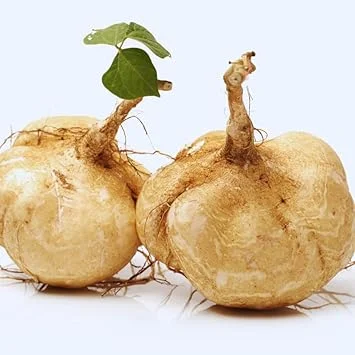
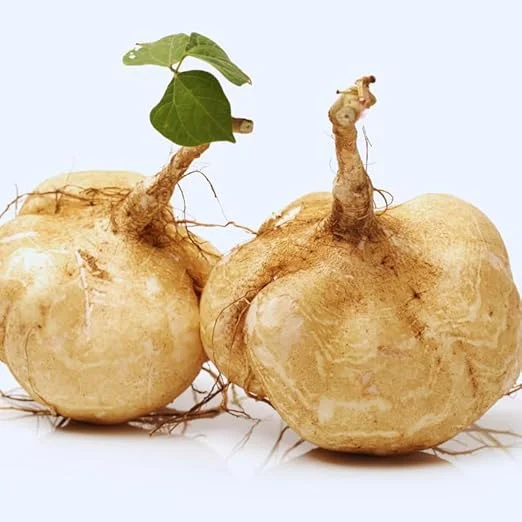
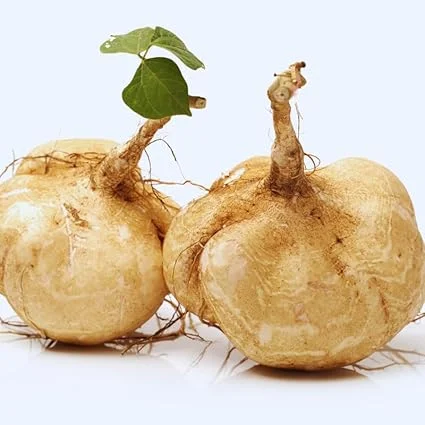
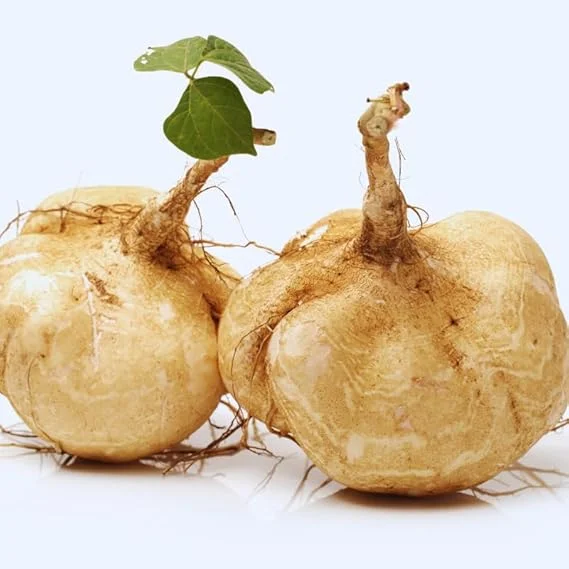
Embark on a delightful gardening journey with these premium jicama seeds, perfect for cultivating your own fresh, crispy jicama roots at home. Jicama, scientifically known as Pachyrhizus erosus, is a fascinating root vegetable prized for its sweet, nutty flavor and refreshing crunch. Originating from Mexico, this versatile plant is a wonderful addition to any garden, offering both a unique culinary experience and the satisfaction of growing your own produce. This pack contains 20 Jicama Seeds, providing a generous quantity to start your garden and ensure a bountiful harvest. Growing jicama from seed is a rewarding process, allowing you to control the growth conditions and enjoy organic, homegrown goodness. Whether you’re an experienced gardener or just starting out, these seeds offer an exciting opportunity to expand your edible garden.
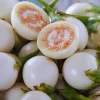
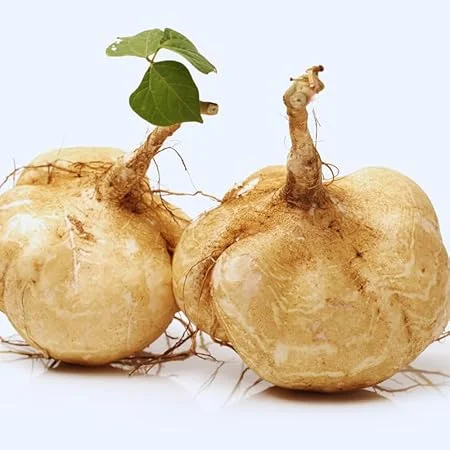
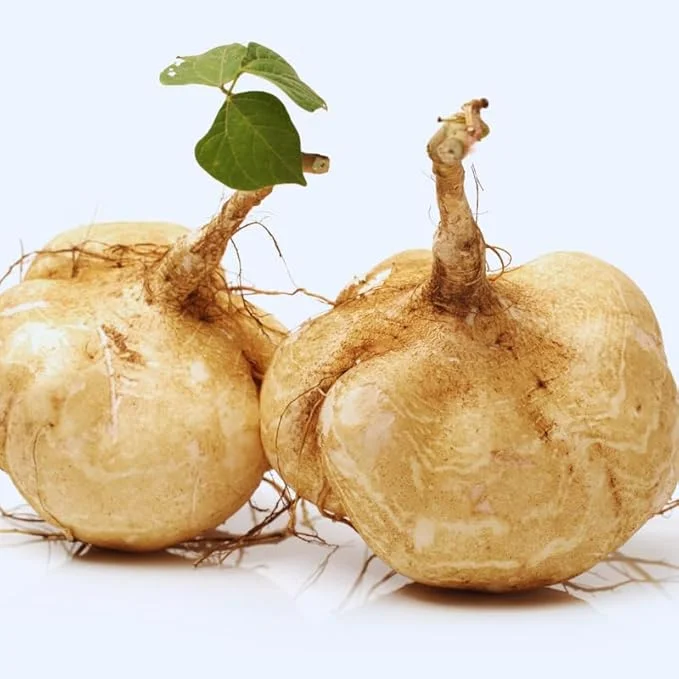
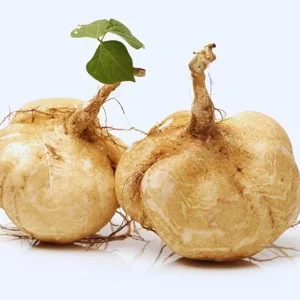
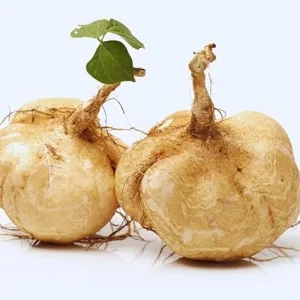
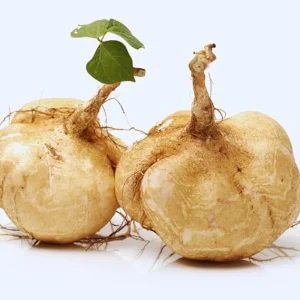
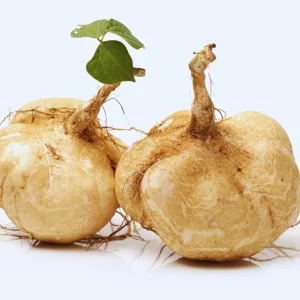
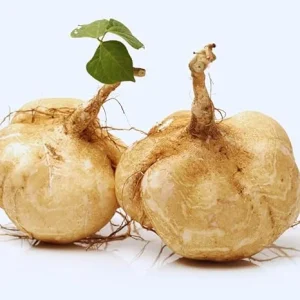
Jicama is often called the ‘Mexican potato’ or ‘yam bean’ due to its appearance and texture. It’s a vining plant that produces large, edible tubers underground. The crisp white flesh is delicious raw in salads, slaws, or as a healthy snack, and it can also be lightly cooked in stir-fries. These jicama seeds are selected for their viability and potential to produce robust plants, ensuring a successful harvest. Prepare to enjoy the unique taste and texture of fresh jicama, a healthy and delicious addition to countless dishes.
Key Benefits
Discover the many advantages of growing your own jicama seeds and enjoying this unique root vegetable:
-
Fresh, Homegrown Produce: Enjoy the unparalleled taste and texture of jicama harvested directly from your garden. Knowing exactly where your food comes from provides peace of mind and superior flavor compared to store-bought options.
-
Nutrient-Rich Vegetable: Jicama is a good source of fiber, Vitamin C, and other essential nutrients, making it a healthy addition to your diet. Incorporate it into salads, stir-fries, or enjoy it raw as a refreshing snack.
-
Unique Culinary Experience: Expand your culinary horizons with this versatile vegetable. Its crisp texture and subtly sweet flavor make it a fantastic ingredient for a variety of dishes, from Asian-inspired meals to fresh Mexican salsas.
-
Rewarding Gardening Project: The process of planting and nurturing these jicama seeds to maturity is incredibly satisfying. Witnessing the transformation from a tiny seed to a thriving plant and finally to a delicious root is a truly fulfilling experience.
-
Excellent for Outdoor Gardens: These jicama vegetable seeds are perfectly suited for outdoor planting, thriving in warm climates. They are a great choice for gardeners looking to grow interesting and productive vegetables in their backyard.
-
Generous Seed Quantity: With 20 Jicama Seeds included, you have ample opportunity to start multiple plants, experiment with different growing locations, or share with fellow gardening enthusiasts.
Plant Care & Growing Tips
Successfully growing jicama requires attention to specific conditions, primarily warmth and sunlight. Jicama is a tropical plant, so it thrives in long, warm growing seasons. In most regions of the US, it’s best to start seeds indoors 6-8 weeks before the last frost date, or plant directly outdoors once all danger of frost has passed and soil temperatures consistently remain above 60°F (15°C). Choose a location that receives full sun, meaning at least 6-8 hours of direct sunlight per day. Adequate sunlight is crucial for the development of large, healthy tubers.
The ideal soil for jicama is well-draining, loose, and rich in organic matter. A sandy loam is often recommended. Amend heavy clay soils with compost or peat moss to improve drainage and aeration. Plant seeds about 1 inch deep and 4-6 inches apart, in rows spaced 2-3 feet apart. Once seedlings emerge and are a few inches tall, thin them to 8-12 inches apart to give each plant enough space to develop its roots. Jicama plants are vines, so providing a trellis or sturdy support system is essential for them to climb. This not only keeps the vines tidy but also helps to promote better air circulation and tuber development. Water regularly, especially during dry spells, ensuring the soil remains consistently moist but not waterlogged. Overwatering can lead to root rot, while underwatering can stunt tuber growth. Fertilize every 3-4 weeks with a balanced organic fertilizer to support vigorous growth.
Jicama is generally harvested in late fall, before the first hard frost, typically 4-5 months after planting. The edible part is the root, not the leaves or flowers, which are toxic. While the plant can produce beautiful purple or white flowers, it is recommended to pinch off the flowers to encourage the plant to put all its energy into developing larger tubers. This strategy is key to maximizing your harvest when you plant jicama. Protect young plants from pests by regularly inspecting them and using organic pest control methods if necessary. With proper care, your outdoor vegetable seeds will yield a delicious and abundant harvest of jicama.
Size & Details
This package contains 20 Jicama Seeds, providing a good quantity for starting your own jicama patch. Each seed has the potential to grow into a robust vining plant, producing a single large, edible tuber. Individual jicama roots typically grow to be 4-6 inches in diameter and can weigh anywhere from 2 to 5 pounds, sometimes even larger under optimal conditions. The vining plants themselves can reach lengths of 10-20 feet if left unsupported, making a trellis or strong support system essential for organized growth and easier harvesting. Jicama has a moderate growth rate, with tubers usually ready for harvest 120-150 days (4-5 months) after planting. The seeds are shipped in a protective packet to ensure their viability upon arrival, ready for you to begin the process of growing jicama in your garden.
Frequently Asked Questions
-
Q: How many jicama seeds are included in this pack? A: This pack contains 20 Jicama Seeds, offering a good start for your garden. This quantity allows for multiple plantings or sharing with fellow gardeners.
-
Q: Are these jicama seeds suitable for outdoor planting? A: Yes, these jicama seeds are specifically intended for outdoor planting. Jicama thrives in warm, sunny outdoor conditions and requires a long growing season to produce its edible roots.
-
Q: What kind of sunlight does jicama need? A: Jicama plants require full sun, meaning at least 6-8 hours of direct sunlight per day, to develop large and healthy tubers. Insufficient sunlight can lead to smaller harvests.
-
Q: When is the best time to plant jicama seeds? A: The best time to plant jicama seeds is in the spring, after all danger of frost has passed and soil temperatures are consistently warm, ideally above 60°F (15°C). In colder climates, starting seeds indoors is recommended.
-
Q: How big do jicama plants get? A: Jicama plants are vigorous vines that can grow 10-20 feet long. The edible tubers typically reach 4-6 inches in diameter and can weigh several pounds, making them substantial additions to your harvest.
-
Q: Is jicama easy to grow for beginners? A: While jicama requires a long, warm growing season, it can be relatively easy for beginners if the right conditions are met. Providing adequate sun, water, and support are key to successful growing jicama.
-
Q: What type of soil is best for jicama? A: Jicama prefers well-draining, loose, and fertile soil rich in organic matter. A sandy loam is ideal, but amending heavy soils with compost can significantly improve growing conditions for these outdoor vegetable seeds.
-
Q: Can I grow jicama in a container? A: Growing jicama in containers is possible but challenging due to its extensive root system and vining nature. If attempting, use a very large container (at least 20-gallon) and provide strong support for the vines.
-
Q: How long does it take for jicama to be ready for harvest? A: Jicama tubers are typically ready for harvest 4-5 months (120-150 days) after planting. They should be harvested before the first hard frost in late fall.
-
Q: Are other parts of the jicama plant edible? A: No, only the tuberous root of the jicama plant is edible. The leaves, stems, and seeds (except for planting) are toxic and should not be consumed.


Reviews
There are no reviews yet.