Overview
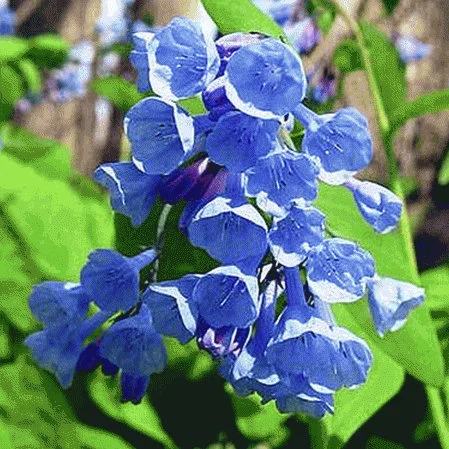
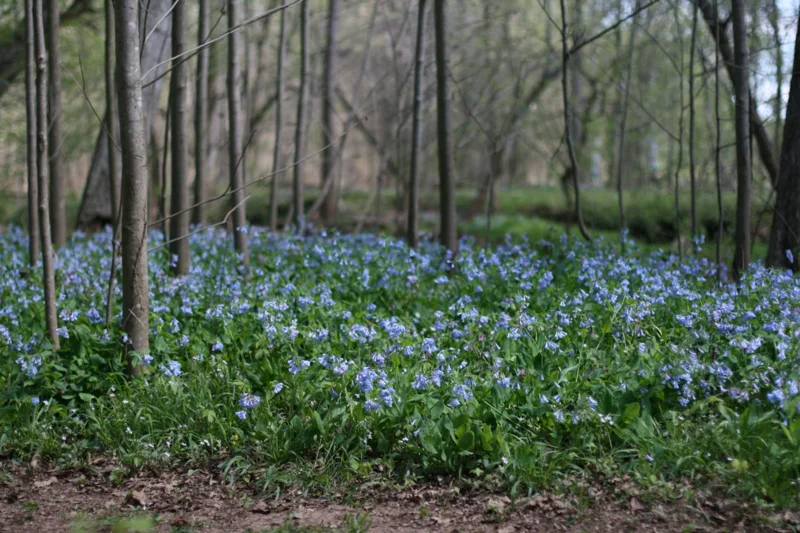
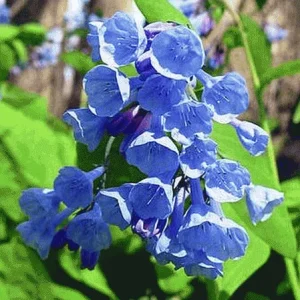
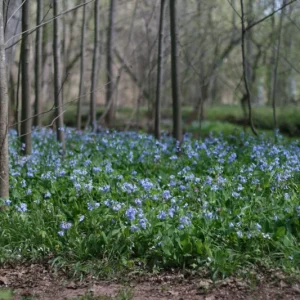
Introduce a touch of natural elegance to your shaded landscapes with our offering of 20 Virginia Bluebell bare root plants. These captivating perennials, scientifically known as Mertensia virginica plant, are celebrated for their ethereal beauty and ease of growth in less-than-sunny spots. Beginning as charming pink buds, their blooms gracefully unfurl into exquisite bell-shaped blue flowers, transforming your garden into a springtime haven. Blooming from March through June, these plants provide a vital early-season nectar source for pollinators and a delightful visual spectacle for garden enthusiasts. Perfect for woodland gardens, shaded borders, or naturalized areas, the Virginia Bluebell bare root is a resilient and enchanting choice for anyone looking to add unique flora to their outdoor space. They are particularly known for their ability to spread gently, forming lovely colonies over time, creating a lush carpet of blue.
The Mertensia virginica plant is a true harbinger of spring, emerging with fresh green foliage before bursting into its iconic display of flowers. Its delicate appearance belies a robust nature, making it a reliable perennial that returns year after year. As summer progresses, the foliage will naturally die back, allowing space for other shade-loving plants to take center stage. This ephemeral quality adds to its charm, marking the transition of seasons in your garden. Our bare roots provide an excellent starting point for establishing a thriving patch of these beautiful flowers, ensuring a strong foundation for future growth and enjoyment.
Key Benefits
Investing in Virginia Bluebell bare root plants offers numerous advantages for your garden and local ecosystem. These beautiful flowers are not just a visual delight but also contribute to a healthier environment:
- Stunning Spring Blooms: Enjoy a spectacular display of pink-to-blue bell-shaped flowers from March to June, providing early color when other plants are just beginning to emerge. This vibrant show is a true highlight of the spring season, bringing life and beauty to shaded areas.
- Pollinator Friendly: The delicate blossoms of the Mertensia virginica plant are a crucial early food source for bees, butterflies, and other beneficial insects, supporting local biodiversity and garden health. Attracting these pollinators helps other plants in your garden thrive.
- Shade Adaptability: Thrives in partial to full shade, making it an ideal choice for challenging garden spots where many other flowering plants struggle. This adaptability allows you to create vibrant floral displays even in low-light conditions.
- Low Maintenance Perennial: Once established, Virginia Bluebell bare root plants require minimal care, returning year after year with increasing vigor. They are a resilient addition to any garden, offering long-term beauty without constant attention.
- Naturalizes Easily: These plants readily self-seed and spread to form charming colonies, creating a lush, naturalized look in woodland gardens or shaded borders. This natural expansion helps fill out your garden over time, creating a cohesive and beautiful landscape.
- Deer Resistant: Generally unpalatable to deer, offering a reliable flowering option for gardens in areas prone to deer browsing. You can enjoy their beauty without worrying about common garden pests.
- Ephemeral Beauty: Its unique ephemeral nature means the foliage dies back in summer, allowing space for other shade-loving plants to shine later in the season. This creates dynamic interest in your garden throughout the year.
Plant Care & Growing Tips
Caring for your Virginia Bluebell bare root plants is relatively straightforward, making them a rewarding addition to both novice and experienced gardeners. These plants flourish in conditions that mimic their natural woodland habitat. For optimal growth, plant your bare roots in a location that receives partial to full shade. While they can tolerate some morning sun, intense afternoon sun can scorch their delicate foliage. Aim for a spot under deciduous trees, where they receive sunlight in early spring before the canopy fills in, and then dappled shade through late spring. This also helps with establishing a strong shade garden perennial.
When it comes to soil, Virginia Bluebell bare root plants prefer moist, well-draining soil that is rich in organic matter. A slightly acidic to neutral pH is ideal. Incorporating compost or leaf mold into your planting site will greatly benefit their establishment and health. Ensure the soil is consistently moist, especially during their active growth period in spring, but avoid waterlogging, which can lead to root rot. Once the foliage dies back in summer, the plants are largely dormant and require less moisture. These conditions are key for a thriving bluebell plant care routine.
These resilient perennials are hardy in USDA Zones 4-9. Fertilization is generally not heavily required if planted in rich soil; however, a light application of a balanced, slow-release granular fertilizer in early spring can promote vigorous growth and abundant blooms. Pests and diseases are rarely a significant issue for Mertensia virginica plant. Slugs and snails may occasionally nibble on young foliage, but serious damage is uncommon. Allowing fallen leaves to accumulate around the plants in fall can provide natural mulch, protecting the roots and enriching the soil as they decompose, further supporting the long-term health of your shade garden perennial.
Size & Details
You will receive 20 Virginia Bluebell bare root plants, ready for planting upon arrival. These bare roots are dormant and carefully packaged to ensure their vitality during transit. Once established, these charming perennials typically grow to a mature height of 24-30 inches (60-75 cm) and spread approximately 12-18 inches (30-45 cm) wide, forming attractive clumps. The growth rate is moderate, with plants establishing well in their first year and beginning to spread more noticeably in subsequent seasons. Expect the first pink-to-blue bell-shaped flowers to appear in the spring following planting, offering a delightful display from March to June. The ephemeral nature of the Mertensia virginica plant means its foliage will naturally die back by mid-summer, making way for other shade-loving plants to provide continuous interest in your garden space. This natural cycle is an important aspect of bluebell plant care and should not be mistaken for the plant dying.
Frequently Asked Questions
- Q: How big do these Virginia Bluebell bare root plants get? A: Once mature, these plants typically reach a height of 24-30 inches and spread about 12-18 inches wide. They will form lovely clumps over time, enhancing your shade garden.
- Q: What condition will the Virginia Bluebell bare root plants arrive in? A: Your order will contain 20 Virginia Bluebell bare root plants, which are dormant and carefully packaged to ensure they arrive healthy and ready for planting. They will not be in soil.
- Q: Is this an indoor or outdoor plant? A: The Mertensia virginica plant is an outdoor perennial, perfectly suited for shade gardens, woodland settings, or shaded borders. It is not recommended for indoor cultivation.
- Q: How much sunlight does it need? A: These plants thrive in partial to full shade. They prefer locations with morning sun and afternoon shade, or dappled light throughout the day, which is crucial for a healthy shade garden perennial.
- Q: Is this plant easy to care for? A: Yes, Virginia Bluebell bare root plants are considered low-maintenance once established. They are resilient and return year after year with minimal intervention, making bluebell plant care quite simple.
- Q: When is the best time to plant Virginia Bluebell bare root? A: The best time to plant Virginia Bluebell bare root is in the fall or early spring, allowing them to establish their root systems before the heat of summer.
- Q: Will it survive winter in my zone? A: Yes, these plants are hardy in USDA Zones 4-9, meaning they are well-equipped to survive winter dormancy and return vigorously in spring within these zones.
- Q: What type of soil does a Virginia Bluebell prefer? A: They prefer moist, well-draining soil rich in organic matter. Amending your soil with compost or leaf mold will provide ideal conditions for your Virginia Bluebell flowers to thrive.
- Q: How long until the Virginia Bluebell bare root blooms? A: You can expect the first beautiful pink-to-blue blooms to appear in the spring following planting, typically from March to June.
- Q: Are Virginia Bluebells deer resistant? A: Yes, Mertensia virginica plant is generally considered deer resistant, making it a good choice for gardens where deer might be a concern.


Reviews
There are no reviews yet.