Overview
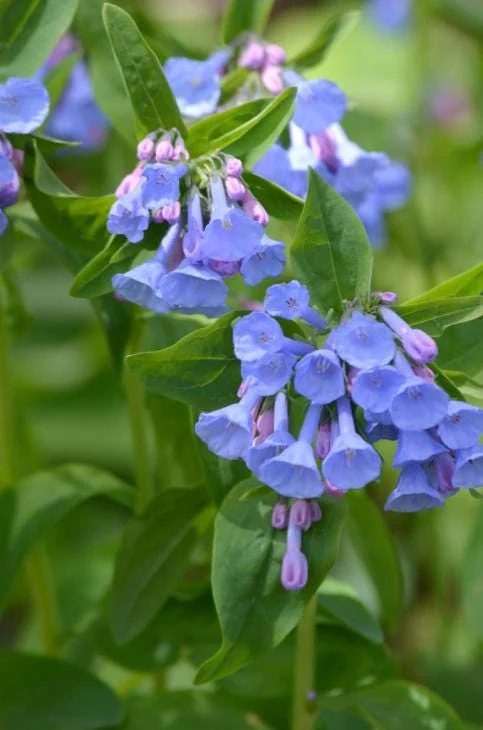
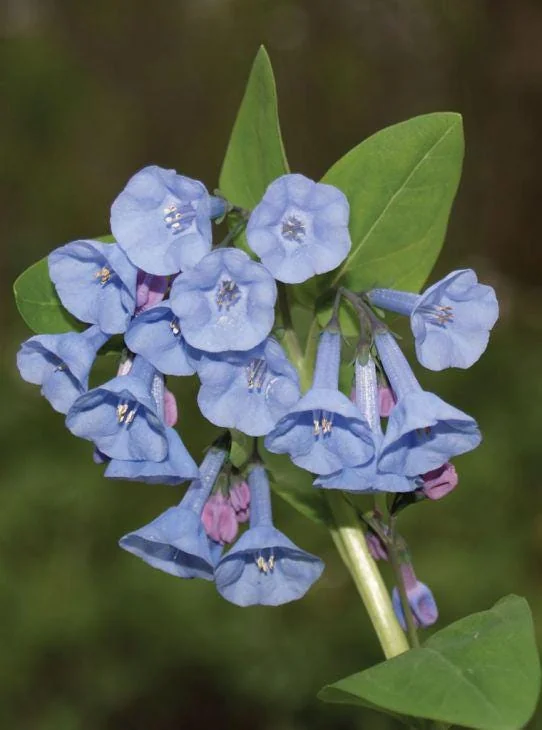
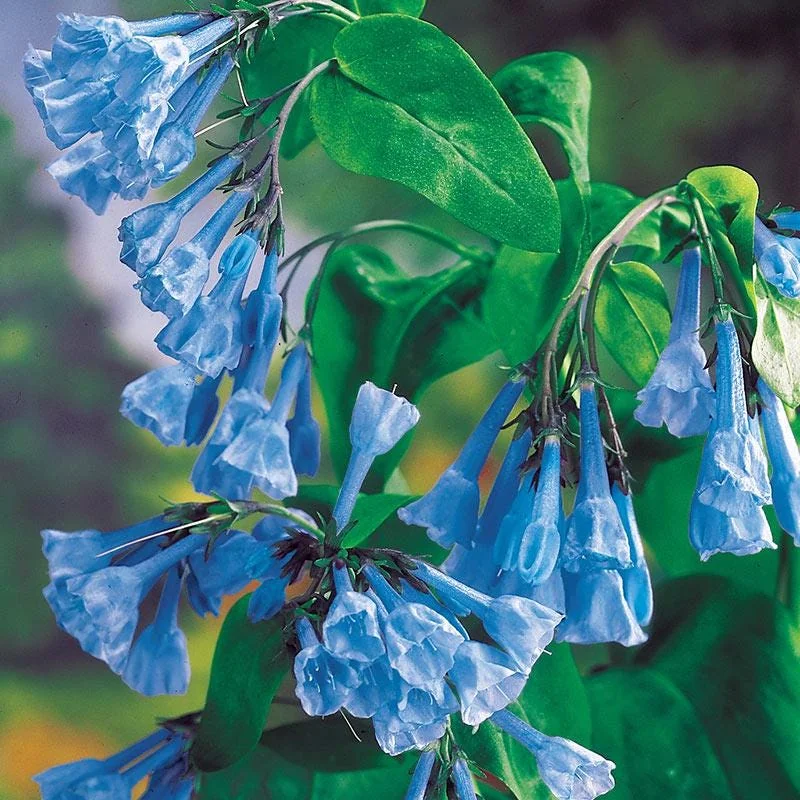
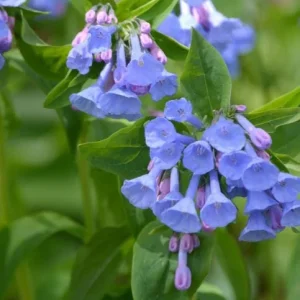
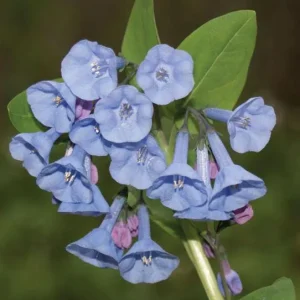
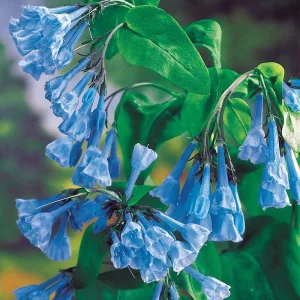
Introduce a touch of native charm to your garden with these Virginia Bluebell bulbs. Known scientifically as Mertensia virginica, these exquisite plants promise a breathtaking display of bell-shaped blue flowers each spring. Often called Virginia Cowslip, Oysterleaf, or Roanoke Leaf, this hardy perennial wildflower is a garden favorite, celebrated for its delicate beauty and ability to naturalize and spread, creating spectacular drifts of color. Planting Mertensia Virginica planting bulbs is an excellent way to establish a vibrant, low-maintenance garden feature that returns year after year, transforming shaded and woodland areas into enchanting spring sanctuaries. These bulbs are ideal for gardeners seeking a resilient and visually striking addition that thrives with minimal intervention, offering a burst of early-season color.
These Virginia Bluebell bulbs are a testament to nature’s resilience, capable of withstanding harsh winter temperatures down to -24 Fahrenheit, making them a superb choice for a wide range of climates. They are typically planted during their dormancy in the fall or spring, allowing them to establish roots before their spectacular emergence. The unique, nodding blue flowers are not only beautiful but also play a vital role in supporting local ecosystems, attracting a variety of pollinators. When considering hardy wildflower bulbs for your landscape, the Virginia Bluebell stands out for its robust nature and the serene elegance it brings to any setting.
Key Benefits
Incorporating Virginia Bluebell bulbs into your garden offers a multitude of advantages, enhancing both its aesthetic appeal and ecological value. Their ease of care and natural beauty make them a highly desirable choice for gardeners of all experience levels.
- Spectacular Spring Display: When planted in masses, these Virginia Bluebell bulbs create an unforgettable carpet of blue, transforming your garden into a spring wonderland. Their unique bell-shaped flowers are a true spectacle.
- Attracts Pollinators: The delicate flowers of the Virginia Bluebell are a magnet for pollinators, especially butterflies, which are the most common visitors. Bees also frequent these blooms, contributing to a healthy garden ecosystem.
- Exceptional Hardiness: These wildflowers are incredibly resilient, capable of enduring temperatures as low as -24 Fahrenheit. This makes them a reliable choice for gardens in many USDA zones, ensuring a consistent bloom season after season.
- Low Maintenance: Once established, Mertensia Virginica planting requires very little ongoing care. They are known for their ability to naturalize and spread, forming beautiful colonies with minimal effort from the gardener.
- Shade Tolerant: Virginia Bluebells thrive in partially shaded to fully shaded areas, making them perfect for woodland gardens, under deciduous trees, or in other spots where many sun-loving plants struggle.
- Self-Seeding for Expansion: Each flower produces nuts containing seeds, allowing the plants to naturally propagate and expand their presence over time, further enhancing your garden’s beauty effortlessly.
- Native Wildflower Appeal: As a native North American wildflower, Virginia Bluebell bulbs contribute to biodiversity and offer an authentic, natural look to your landscape, blending seamlessly with existing flora.
Plant Care & Growing Tips
Ensuring the successful growth of your Virginia Bluebell bulbs involves understanding their preferred environmental conditions and providing basic care. These hardy plants are relatively low-maintenance, but a good start ensures a robust and vibrant display for years to come. For optimal Mertensia Virginica planting, choose a site with partial to full shade. While they can tolerate some morning sun, intense afternoon sun can scorch their delicate foliage. They are ideal for woodland gardens or under deciduous trees, where they receive spring sun before the tree canopy fills in, then shade during the hotter months.
When it comes to watering, Virginia Bluebells prefer consistently moist, but not waterlogged, soil. They are not drought-tolerant, so ensure they receive adequate moisture, especially during dry spells in spring. A well-draining, rich, organic soil is best. Incorporating compost or leaf mold will enhance soil structure and fertility, providing the ideal environment for these hardy wildflower bulbs. The bulbs can be planted anytime during their dormant period, typically in the fall or early spring, about 3-4 inches deep and 4-6 inches apart. Mulching around the plants can help retain soil moisture and regulate soil temperature.
Virginia Bluebells are quite adaptable and generally free from serious pests or diseases. They are hardy in USDA Zones 3-8, making them a versatile choice for many regions. Fertilization is not usually necessary in rich soil, but if your soil is poor, a light application of balanced, slow-release fertilizer in early spring can be beneficial. After blooming, the foliage will naturallyYellow and die back, and the plant will enter dormancy until the next spring. This natural process is part of their life cycle, so don’t be alarmed when they disappear.
Size & Details
This offering includes 20 Virginia Bluebell bulbs (Mertensia Virginica), ready to plant and establish in your garden. These bulbs are typically shipped in a dormant state, ensuring they are prepared for successful planting and growth in your chosen location. Once established, Virginia Bluebells typically grow to a height of 12 to 24 inches, with a similar spread, forming attractive clumps. They are known for their moderate growth rate and their ability to naturalize over time, creating larger patches of beautiful blue blooms.
The plants emerge in early spring, bloom for several weeks, and then their foliage yellows and disappears by early summer as they enter dormancy. This ephemeral nature makes them excellent companions for other shade-loving perennials that emerge later in the season. These hardy wildflower bulbs are a fantastic investment for creating a dynamic and evolving garden landscape, providing early season color and attracting beneficial wildlife. They are perfect for woodland settings, shade gardens, or naturalized areas where their beauty can be truly appreciated.
Frequently Asked Questions
- Q: How big do Virginia Bluebells get, and how many bulbs are included? A: Virginia Bluebells typically grow 12-24 inches tall and wide. This package includes 20 Virginia Bluebell bulbs, providing a good start for a beautiful display.
- Q: Is this an indoor or outdoor plant? How much sunlight does it need? A: Virginia Bluebells are outdoor plants, primarily suited for garden beds. They thrive in partial to full shade, making them ideal for woodland areas or under deciduous trees.
- Q: Is this plant easy to care for? Is it good for beginners? A: Yes, Mertensia Virginica planting is considered easy. Once established, they are very low-maintenance and are an excellent choice for beginners looking for hardy, beautiful wildflowers.
- Q: What condition will the bulbs arrive in? When is the best time to plant them? A: The Virginia Bluebell bulbs will arrive dormant and ready for planting. They can be planted anytime during dormancy, typically in the fall or early spring, for best results.
- Q: What are some other names for Virginia Bluebells? A: Besides Virginia Bluebells, they are also commonly known as Virginia Cowslip, Oysterleaf, and Roanoke Leaf.
- Q: How long until these bulbs bloom, and when is the best time to plant? A: After planting, the bulbs will typically bloom the following spring. The best time for Mertensia Virginica planting is in the fall or very early spring while the bulbs are dormant.
- Q: Will Virginia Bluebells survive winter in my zone? What’s their minimum temperature tolerance? A: Yes, these are very hardy wildflower bulbs. They can withstand temperatures down to -24 Fahrenheit, making them suitable for USDA Zones 3-8.
- Q: Are Virginia Bluebells good for attracting pollinators? A: Absolutely! These plants are excellent for attracting pollinators. Butterflies are the most common visitors, but bees also frequent the beautiful blue flowers, making them a great addition to a butterfly garden plants initiative.
- Q: What kind of soil do Virginia Bluebells prefer? A: Virginia Bluebells prefer rich, moist, well-draining soil. Amending the soil with organic matter like compost or leaf mold will help them thrive.
- Q: What happens to the plant after it finishes blooming? A: After blooming, the foliage of the Virginia Bluebell bulbs will yellow and die back by early summer. The plant then enters dormancy until the next spring, which is a natural part of its life cycle.


Reviews
There are no reviews yet.