Overview
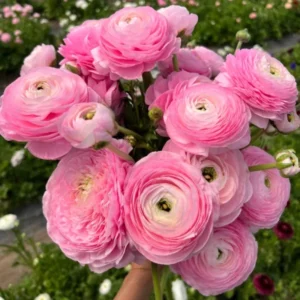
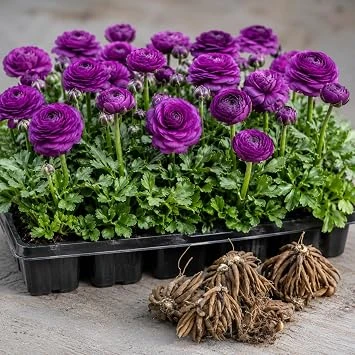
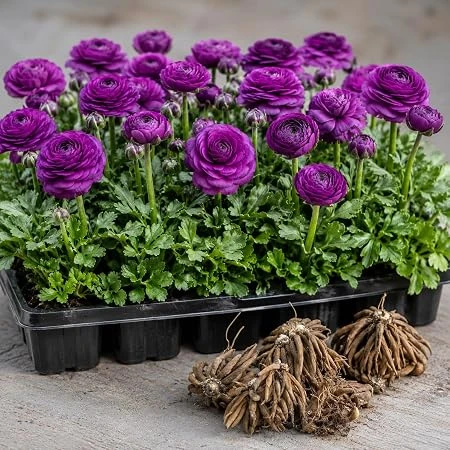
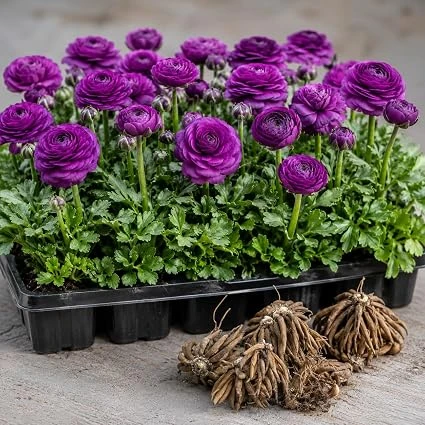
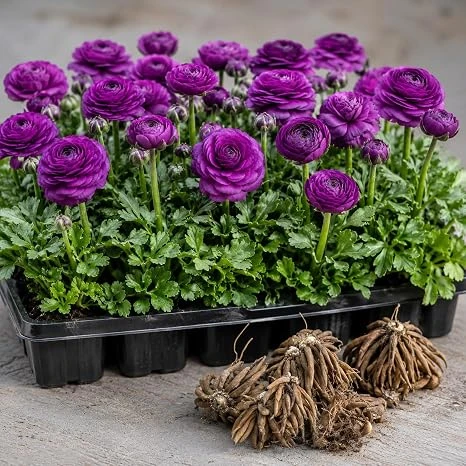
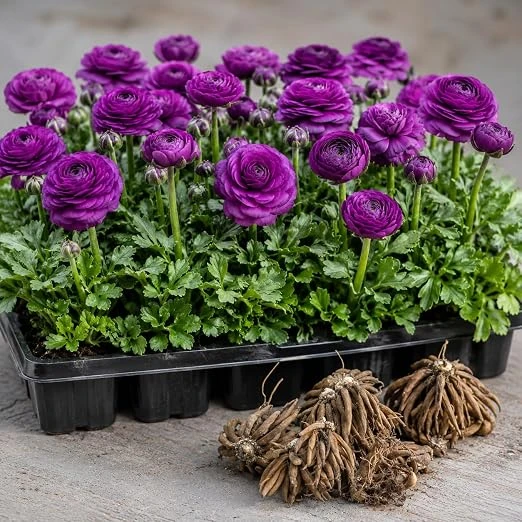
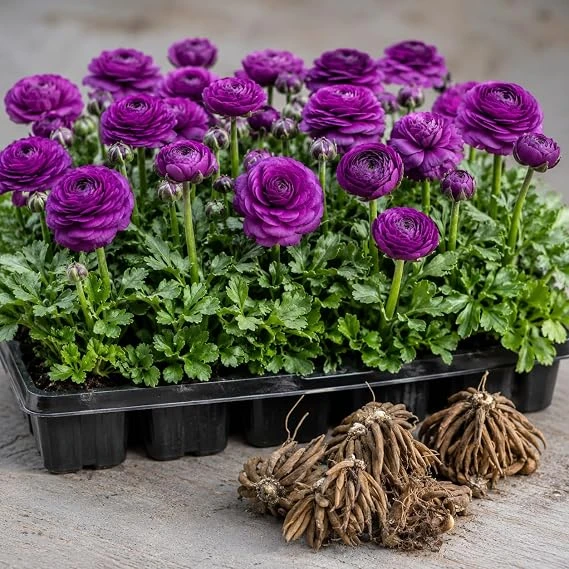
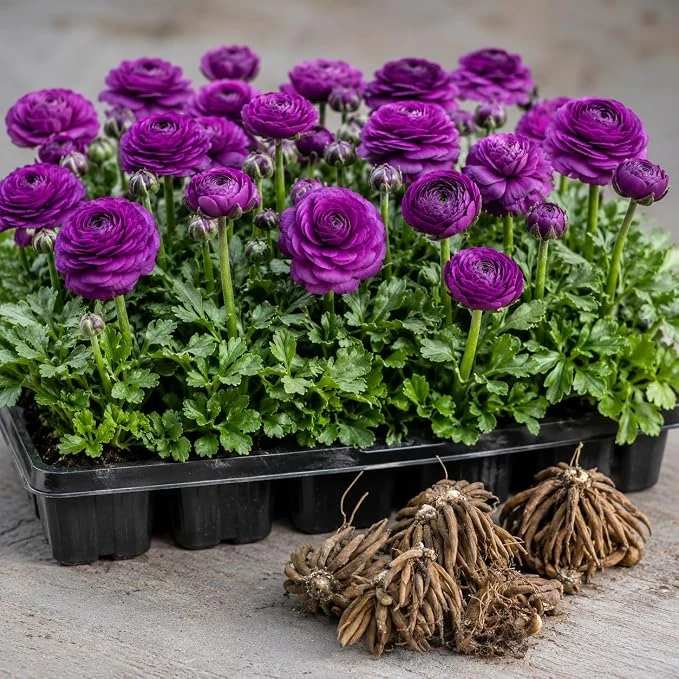
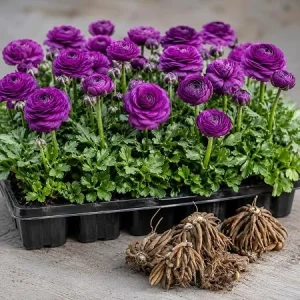
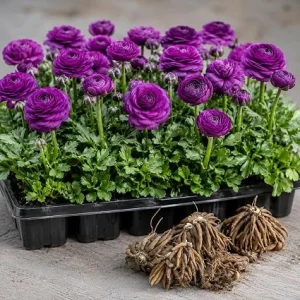
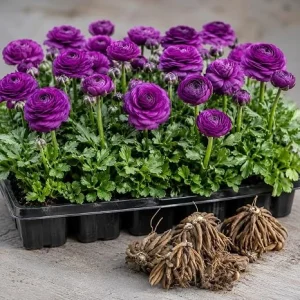
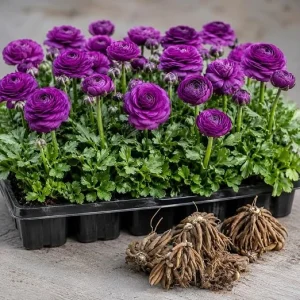
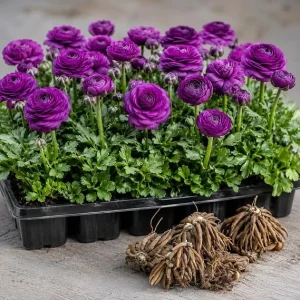
Transform your garden into a vibrant paradise with our exquisite pink ranunculus bulbs. These captivating buttercup perennial roots are renowned for producing breathtaking, multi-layered blooms that strikingly resemble delicate peonies. Ideal for any outdoor space, these bulbs promise to deliver a spectacle of rich, vibrant color throughout the warmer months. As summer-flowering plants, they are a fantastic choice for gardeners seeking continuous beauty and elegance in their landscapes. Each bulb is carefully selected to ensure vigorous growth and abundant flowering, making them a superb addition to both new and established gardens.
The allure of ranunculus buttercup roots lies in their unique flower structure and diverse color palette. While these are specifically pink ranunculus bulbs, their charm is universal. They are a favored choice for cut flower arrangements due to their long vase life and intricate petal formations. Easy to plant and relatively low-maintenance, these bulbs are suitable for gardeners of all experience levels, offering a rewarding growing experience with stunning results. Prepare to be enchanted by the luxurious display these perennial beauties will bring to your home.
Key Benefits
Our pink ranunculus bulbs offer a multitude of benefits, making them a highly desirable choice for any garden. They provide not only visual splendor but also ease of cultivation and lasting enjoyment, ensuring your outdoor areas remain beautiful season after season.
- Stunning Floral Display: These bulbs produce lush, multi-layered buttercup-style flowers in a vibrant pink hue, creating a dramatic and beautiful focal point in your garden. The peony-like blooms are truly captivating.
- Summer Flowering: Enjoy continuous blooms throughout the summer season, providing long-lasting color and beauty when many other plants might be fading. They are excellent for extending your garden’s peak appeal.
- Perennial Growth: As perennial ranunculus plants, these roots return year after year, offering consistent beauty without the need for annual replanting. This makes them a cost-effective and sustainable choice for your landscape.
- Versatile Planting: Perfect for garden beds, borders, and containers, these ranunculus bulbs adapt well to various planting locations, allowing for creative garden designs and arrangements.
- Excellent Cut Flowers: The elegant blooms are highly sought after for fresh floral arrangements, bringing the beauty of your garden indoors. Their sturdy stems and long vase life make them ideal for bouquets.
- Easy to Grow: With straightforward planting and care requirements, these ranunculus buttercup roots are suitable for both novice and experienced gardeners. Simply plant in well-drained soil with adequate sunlight.
- Attracts Pollinators: While specific details vary, the vibrant blooms can attract beneficial pollinators to your garden, contributing to a healthy ecosystem.
Plant Care & Growing Tips
Ensuring the success of your pink ranunculus bulbs involves understanding their specific needs for optimal growth and bloom production. These plants thrive with the right balance of sunlight, soil, and water, leading to a spectacular display of flowers.
For ideal growth, plant your pink ranunculus bulbs in a location that receives full to partial sun exposure. Full sun (at least 6 hours of direct sunlight daily) is best for maximizing bloom production and ensuring robust plant health. In hotter climates, some afternoon shade can help protect the flowers from scorching. The soil is critical; these bulbs require well-drained soil to prevent rot. A rich, loamy soil amended with organic matter is ideal. Avoid heavy clay soils that retain too much moisture. Good drainage is paramount for healthy ranunculus care.
Watering should be consistent, especially during dry spells and when the plants are actively growing and flowering. Keep the soil consistently moist but never waterlogged. Overwatering is a common cause of bulb rot. Once established, ranunculus can tolerate slightly drier conditions, but regular watering will promote better blooms. These plants generally prefer cooler temperatures, thriving in USDA zones where winters are mild. If you are in a colder zone, you might need to lift the bulbs in the fall or treat them as annuals. Fertilize with a balanced, slow-release granular fertilizer at planting time, or use a liquid feed every few weeks during the growing season to support vigorous flowering. Watch out for common pests like aphids and slugs, and treat with organic solutions if necessary to maintain healthy summer flowering ranunculus.
Size & Details
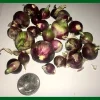
This offering includes 25 high-quality pink ranunculus bulbs, providing an abundant supply to create stunning displays in your garden. Each bulb is carefully inspected to ensure viability and readiness for planting. When mature, these perennial ranunculus plants typically grow to a height of 12-18 inches (30-45 cm) with a similar spread, forming attractive mounds of foliage topped with glorious blooms. The exact size of the flowers can vary but generally range from 2-4 inches (5-10 cm) in diameter, showcasing their intricate, multi-layered petals.
These bulbs are shipped dormant, ready for planting upon arrival. They are designed to bloom in the summer season, providing a vibrant spectacle several weeks after planting, depending on local conditions and planting time. With proper ranunculus care, these plants will return year after year, establishing a lasting presence in your garden. Expect a robust growth habit and prolific flowering from these carefully selected bulbs, perfect for adding a touch of elegance and vivid color to your outdoor spaces.
Frequently Asked Questions
- Q: How big do these ranunculus plants get? A: These pink ranunculus bulbs typically grow into plants that reach 12-18 inches (30-45 cm) in height and spread, forming beautiful clumps of foliage and flowers. The blooms themselves are usually 2-4 inches across.
- Q: Are these an indoor or outdoor plant? A: These ranunculus are primarily outdoor plants, thriving in garden beds, borders, and containers where they can receive adequate sunlight and air circulation. While some grow them indoors for short periods, they perform best outside.
- Q: How much sunlight do these bulbs need? A: For optimal growth and flowering, summer flowering ranunculus require full sun exposure, meaning at least 6 hours of direct sunlight per day. In very hot climates, partial afternoon shade can be beneficial.
- Q: Is this plant easy to care for? A: Yes, with the right conditions, ranunculus are relatively easy to care for. They need well-drained soil, consistent watering, and sufficient sunlight. Following basic ranunculus care guidelines will ensure a successful bloom.
- Q: What condition will the bulbs arrive in? A: Your pink ranunculus bulbs will arrive dormant, which is their natural state for planting. They will be ready to be planted directly into your garden or containers.
- Q: How long until it blooms? A: After planting, ranunculus bulbs typically take several weeks to begin growing and then bloom in the summer season. The exact timing can depend on planting date, climate, and specific growing conditions.
- Q: Will it survive winter in my zone? A: These perennial ranunculus are hardy in USDA zones with mild winters (typically zone 8 and above). In colder zones, the bulbs may need to be lifted and stored indoors over winter, or treated as annuals.
- Q: What type of soil is best for ranunculus? A: Ranunculus thrive in well-drained, rich, loamy soil. It’s crucial to avoid heavy, waterlogged soils as this can lead to bulb rot. Amending the soil with organic matter can improve drainage and fertility.
- Q: Can I use these flowers in bouquets? A: Absolutely! The vibrant, multi-layered blooms of these ranunculus are highly prized as cut flowers and are excellent for creating stunning bouquets and floral arrangements due to their beauty and good vase life.
- Q: What is the best time to plant these ranunculus buttercup roots? A: The best time to plant ranunculus bulbs is typically in the fall in mild winter climates for spring blooms, or in early spring after the last frost for summer blooms in colder regions.


Reviews
There are no reviews yet.