Overview
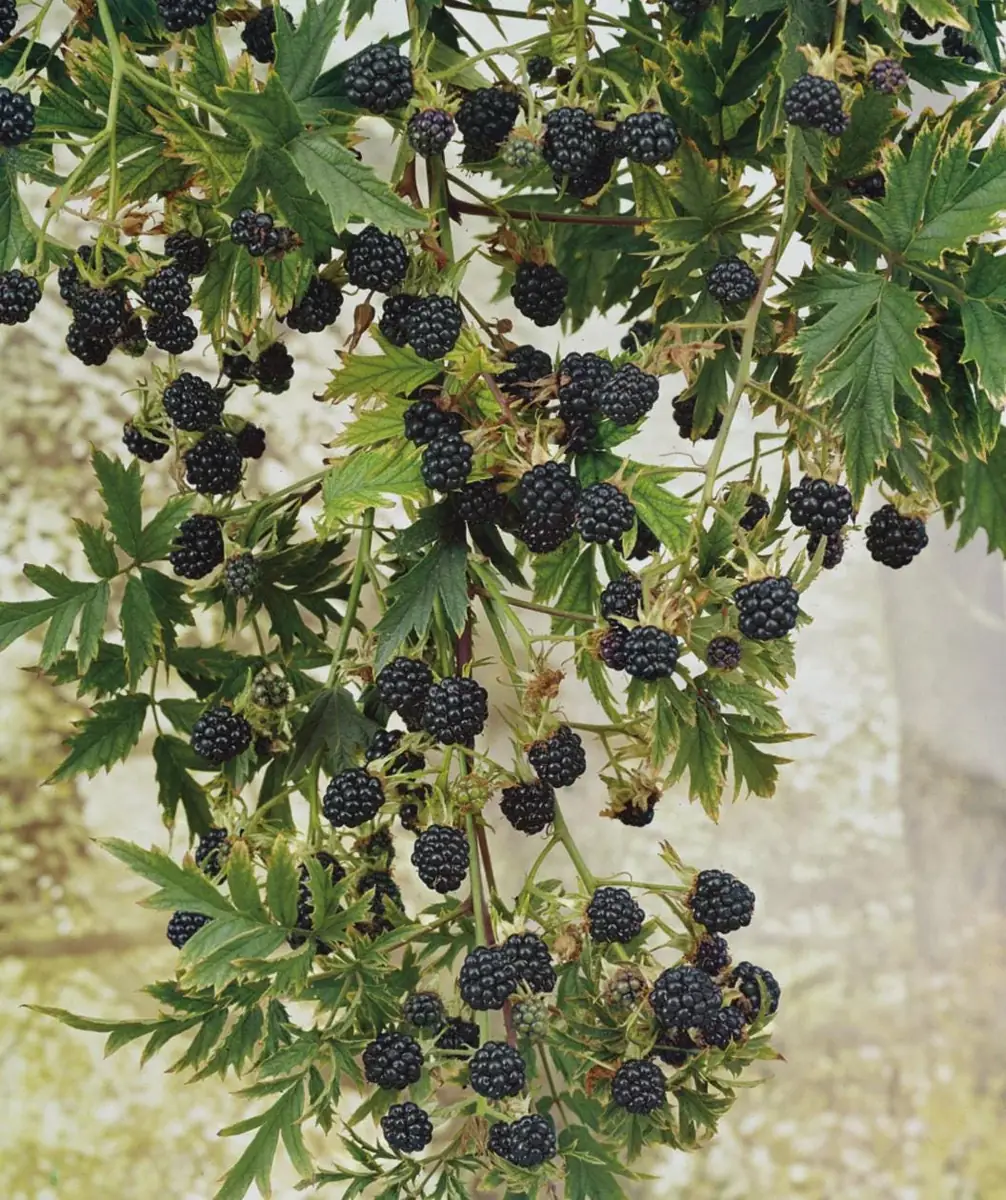
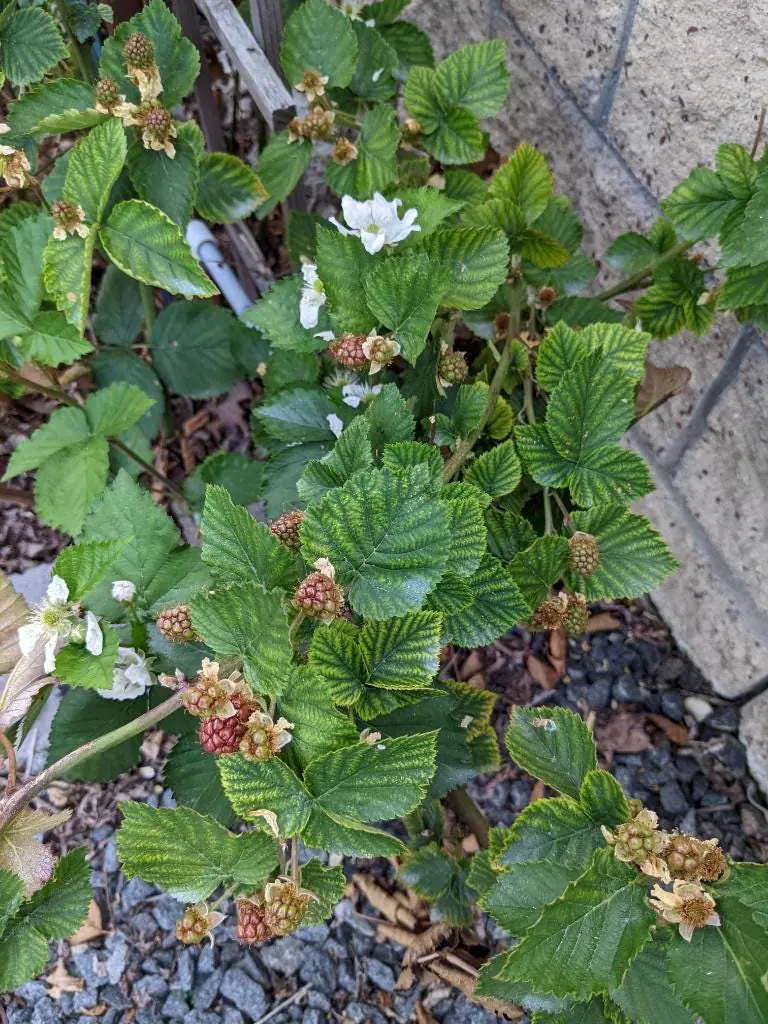
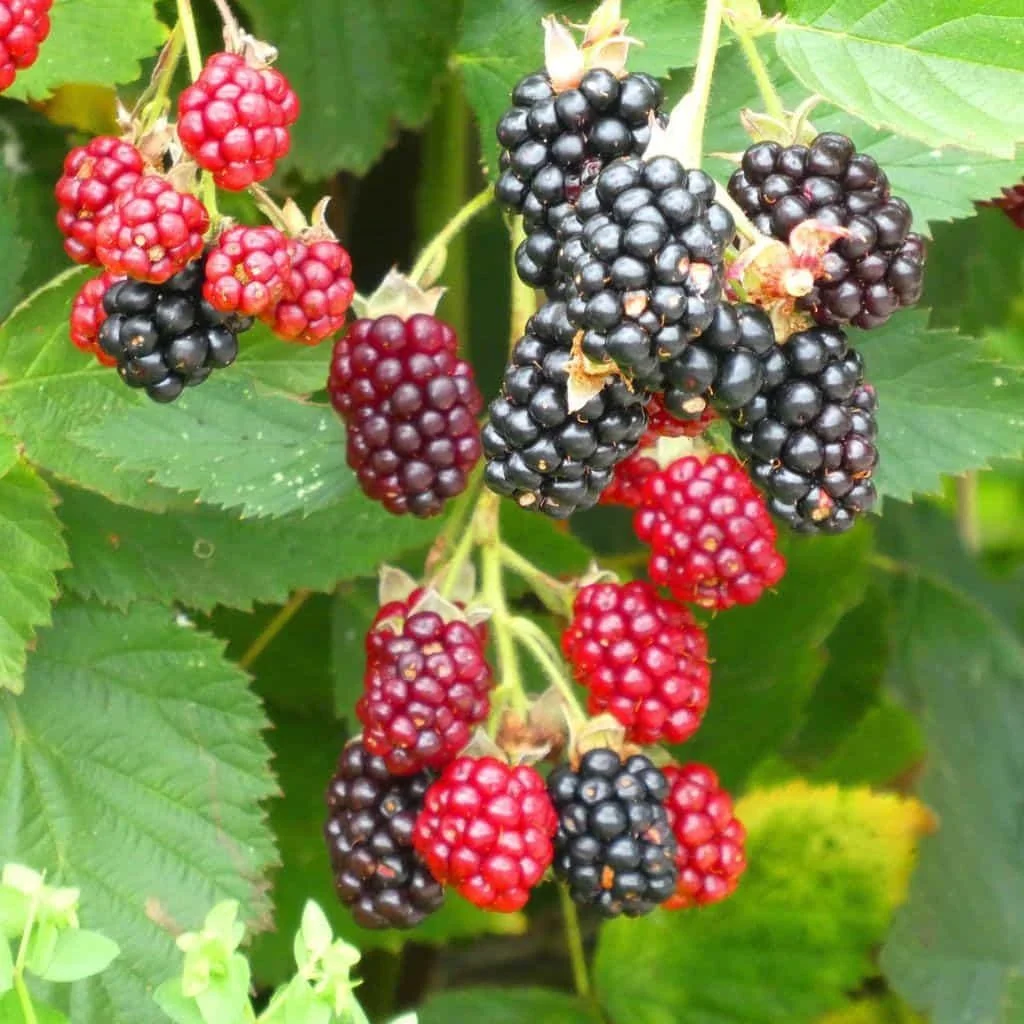
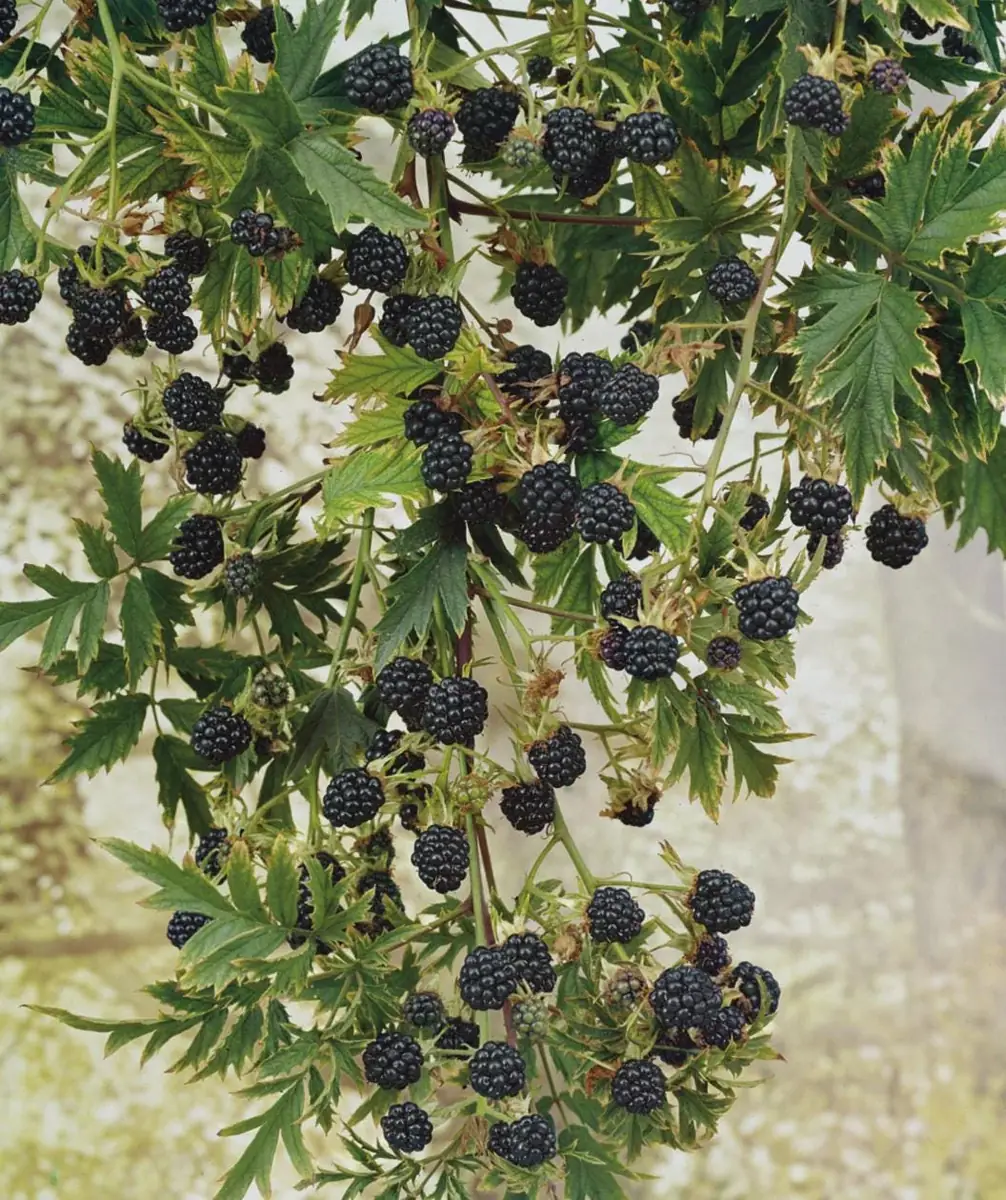
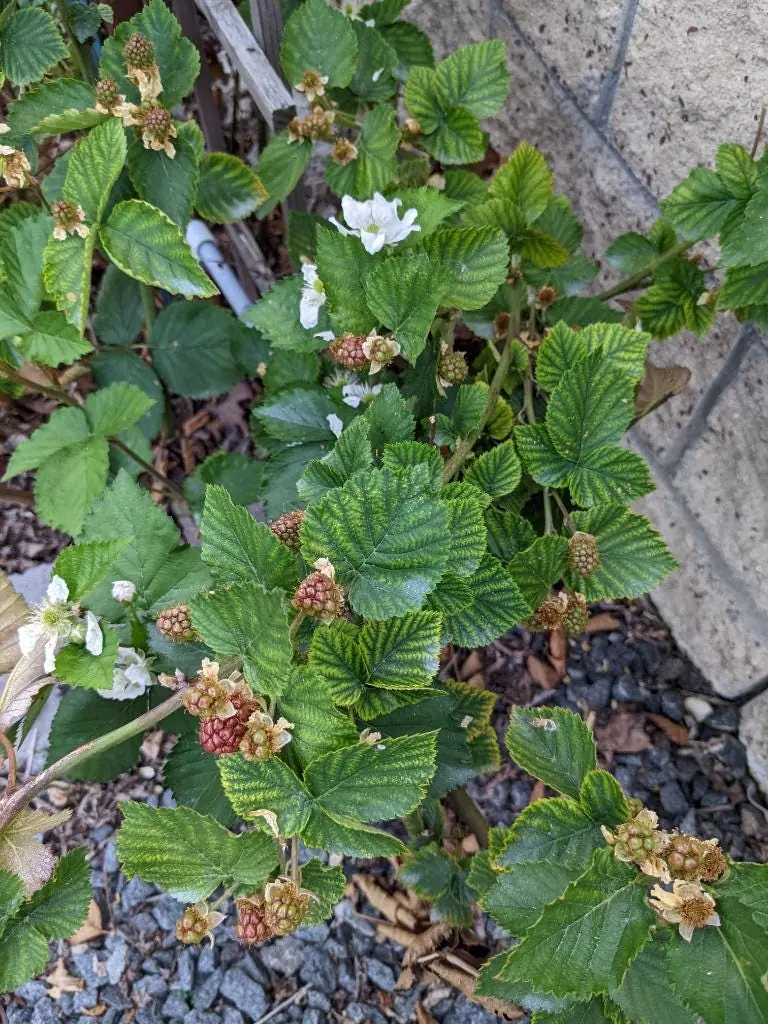
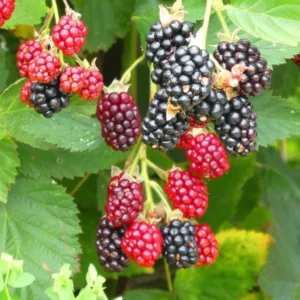
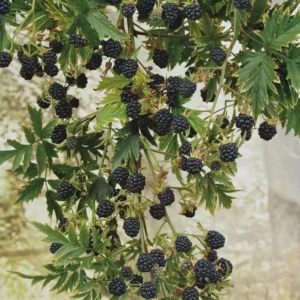
Bring the joy of fresh, homegrown berries to your garden with the Arapaho thornless blackberry starter plugs. These live plants, scientifically known as Rubus fruticosus ‘Arapaho’, are a highly sought-after cultivar celebrated for their exceptional qualities. Developed by the University of Arkansas, the ‘Arapaho’ variety stands out as a popular choice for both novice and experienced gardeners. Its defining characteristic is the absence of thorns, making harvesting a significantly more pleasant and injury-free experience. These plants are known for their early-ripening cycle, providing sweet and firm berries that are perfect for eating fresh, baking, or making preserves. The erect, self-supporting canes eliminate the need for extensive trellising, simplifying cultivation. This robust variety also boasts impressive disease resistance, ensuring a healthier and more productive yield for your efforts.
The Arapaho thornless blackberry is a cold-hardy plant, thriving across a wide range of climates, specifically USDA Hardiness Zones 4-9. This adaptability makes it suitable for many regions across the United States. Whether you’re looking to establish a new berry patch or add to an existing edible landscape, these starter plugs provide an excellent foundation for growing a successful crop. Each plug represents a young, vigorous plant ready to establish quickly in your garden, promising a rewarding harvest in the seasons to come. Discover the ease and satisfaction of growing your own delicious blackberries with these reliable and productive plants.
Key Benefits
The Arapaho thornless blackberry offers a multitude of advantages for the home gardener, making it a truly rewarding addition to any edible landscape. Its unique characteristics contribute to a low-maintenance yet highly productive growing experience.
- Thornless Canes: One of the most significant benefits is the complete absence of thorns, which dramatically improves the ease and comfort of harvesting. No more scratched hands or torn clothing when picking your delicious berries. This feature also makes pruning and general plant maintenance much safer and simpler.
- Early Ripening: The ‘Arapaho’ variety is known for its early fruiting season, allowing you to enjoy fresh blackberries sooner than many other cultivars. This extended harvest period means more opportunities to savor your homegrown fruit.
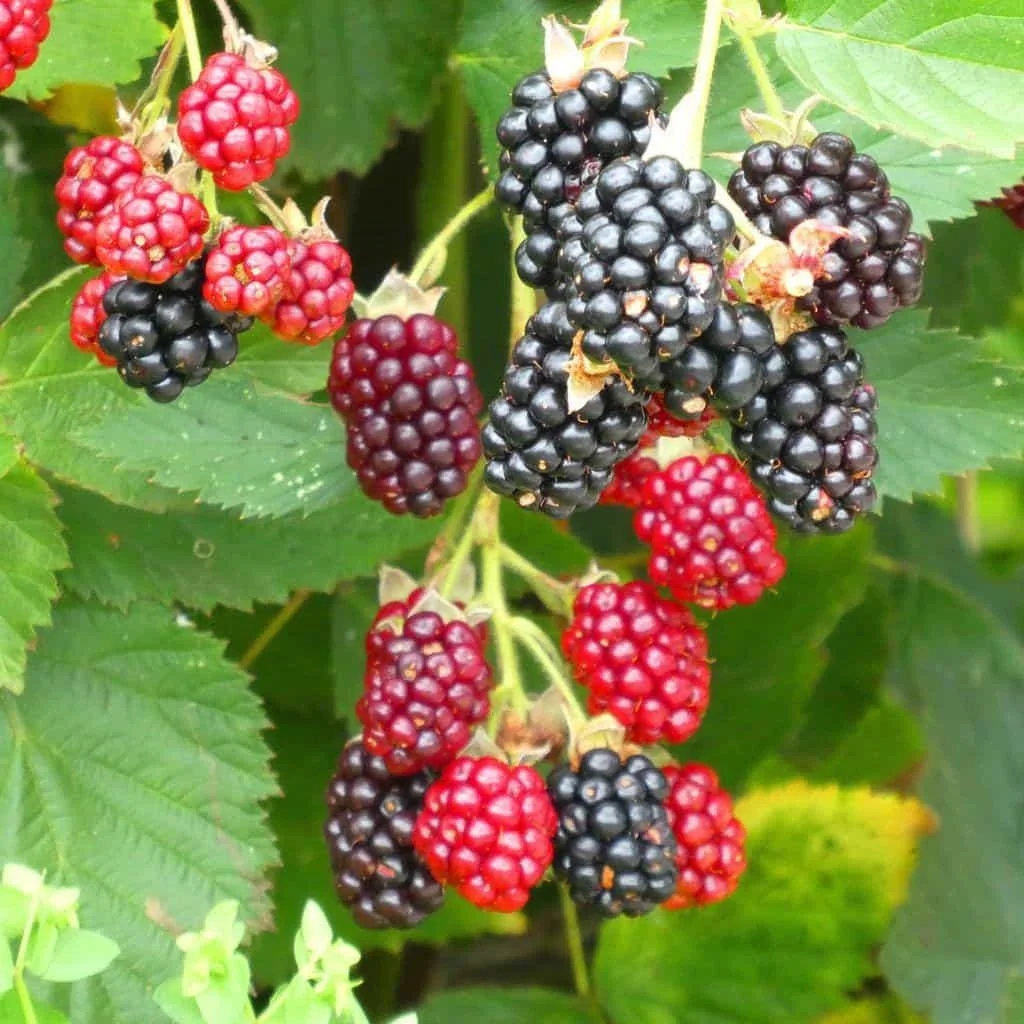
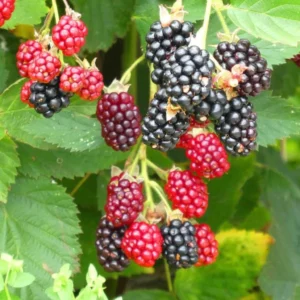
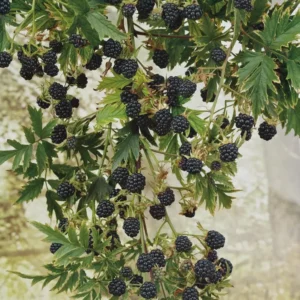
- Sweet & Firm Berries: The fruit produced by the Arapaho thornless blackberry is consistently sweet, juicy, and firm. These high-quality berries are excellent for fresh consumption, as well as for use in pies, jams, jellies, and other culinary creations.
- Erect & Self-Supporting Canes: Unlike many other blackberry varieties that require extensive support, the ‘Arapaho’ produces erect, sturdy canes that are largely self-supporting. This reduces the need for trellising and makes garden management more straightforward.
- Disease Resistance: This cultivar exhibits good resistance to common blackberry diseases, contributing to a healthier plant and more reliable yields. This inherent resilience minimizes the need for chemical interventions, promoting organic gardening practices.
- Cold Hardiness: Thriving in USDA Zones 4-9, the Arapaho thornless blackberry is well-suited for a broad range of climates, tolerating colder temperatures better than many other varieties. This ensures its viability and productivity in diverse garden settings.
- Versatile Use: Beyond fresh eating, these berries are perfect for freezing, canning, or dehydrating, allowing you to enjoy the taste of summer long after the season ends. The robust nature of the plant also makes it a great choice for edible landscaping.
Plant Care & Growing Tips
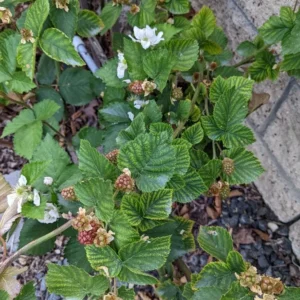
Proper care is essential to ensure a bountiful harvest from your Arapaho thornless blackberry plants. These robust plants are relatively easy to grow, but understanding their specific needs will help them thrive and produce delicious fruit. When considering how to grow Arapaho blackberries, start with site selection. Blackberries prefer a location that receives full sun, meaning at least 6-8 hours of direct sunlight per day. Adequate sunlight is crucial for fruit development and overall plant health. While they can tolerate partial shade, fruit production may be reduced.
The ideal soil for the Arapaho thornless blackberry is well-draining, slightly acidic (pH 5.5-6.5), and rich in organic matter. Before planting, amend your soil with compost or other organic materials to improve fertility and drainage. Consistent moisture is vital, especially during the fruiting period. Water deeply and regularly, aiming for about 1 inch of water per week, either from rainfall or irrigation. Avoid overwatering, as soggy soil can lead to root rot. Mulching around the base of the plants with a 2-4 inch layer of straw, wood chips, or shredded leaves will help retain soil moisture, suppress weeds, and regulate soil temperature. Fertilize in early spring with a balanced slow-release fertilizer or a granular fertilizer formulated for berries, following package directions.
Pruning is an important aspect of caring for your Rubus fruticosus Arapaho. Blackberries produce fruit on floricanes (second-year canes). After a cane has fruited, it will die back and should be removed at ground level. In late winter or early spring, prune out any dead, damaged, or weak canes. Thin remaining canes to 4-6 strong canes per foot of row to ensure good air circulation and light penetration, which helps prevent disease and promotes healthy fruit development. The ‘Arapaho’ variety is known for its erect habit, but some support, like a simple wire trellis, can still be beneficial to keep canes tidy and facilitate easier harvesting. Keep an eye out for pests like Japanese beetles or diseases like anthracnose, though this variety is noted for its good disease resistance. Prompt removal of affected plant parts and good garden hygiene can prevent most issues. Learning how to grow Arapaho blackberries successfully means understanding these key cultural practices.
Size & Details
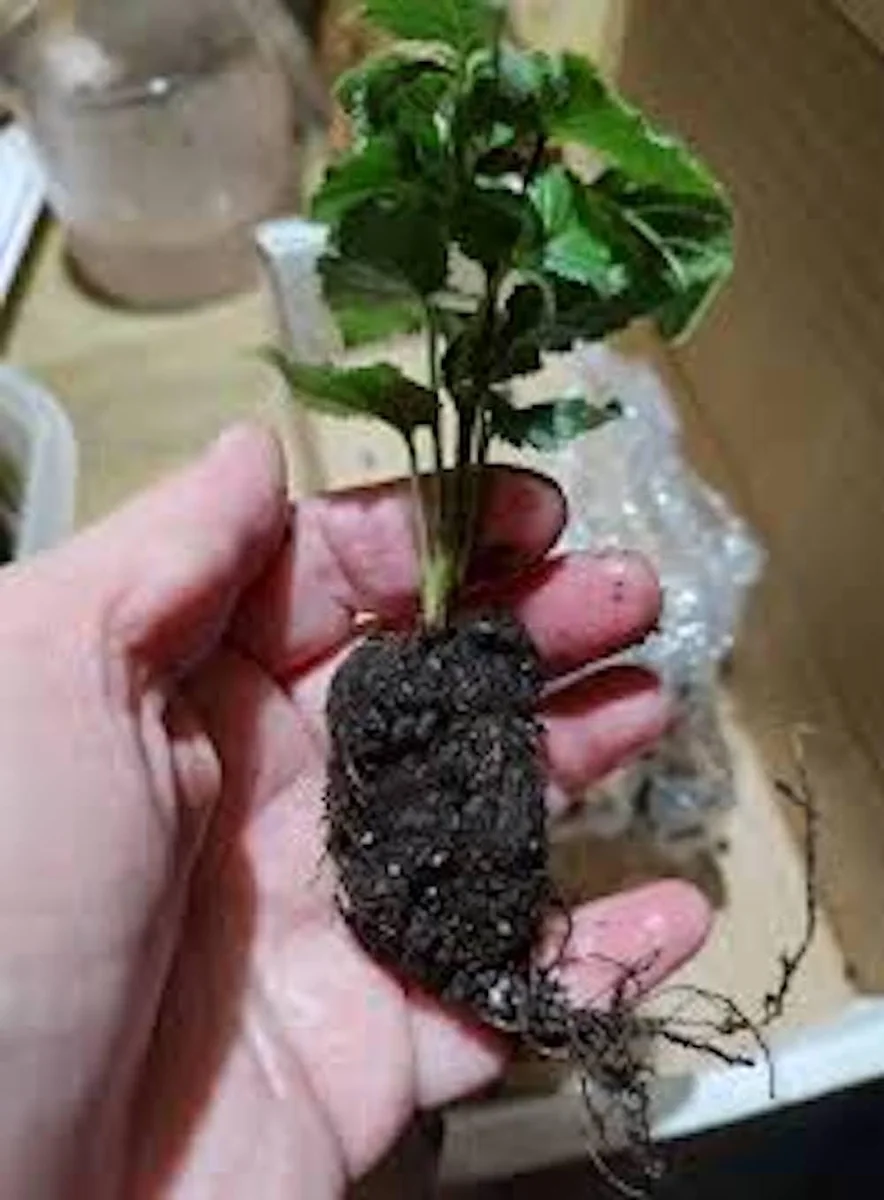
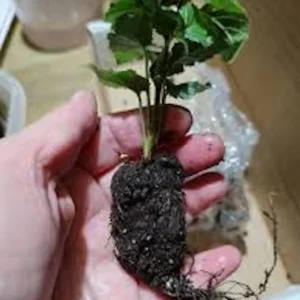
These 3 Arapaho thornless blackberry starter plugs arrive as vigorous young plants, ready for transplanting into your garden. Each plug is a well-rooted specimen, providing a strong foundation for rapid growth and fruit production. When mature, the ‘Arapaho’ blackberry plants typically reach a height of 4-6 feet with a similar spread, forming an upright, self-supporting bush. The canes are robust and erect, making them easier to manage than trailing varieties. These plants are cold-hardy and best suited for outdoor cultivation in USDA Hardiness Zones 4-9, where they can thrive in various climates.
Expect these plants to begin producing fruit in their second year after planting, with full production achieved in subsequent years. The berries are known for being early-ripening, usually in late June to early July, and are medium to large in size, firm, and exceptionally sweet. The starter plug format ensures a high success rate upon planting, allowing the young plants to quickly establish their root systems in your garden soil. With proper care, these early ripening blackberry plants will provide abundant harvests for many years.
Frequently Asked Questions
- Q: How big do these Arapaho thornless blackberry plants get? A: Mature Arapaho thornless blackberry plants typically reach a height of 4 to 6 feet with a similar spread. Their erect, self-supporting canes contribute to a tidy growth habit, making them manageable in most garden settings.
- Q: Is this an indoor or outdoor plant? A: The Arapaho thornless blackberry is an outdoor plant that thrives in full sun conditions. It is cold-hardy and best suited for cultivation in USDA Hardiness Zones 4 through 9, producing fruit directly in the garden.
- Q: How much sunlight does it need? A: For optimal fruit production and plant health, this thornless blackberry plant requires at least 6-8 hours of direct sunlight per day. While it can tolerate some partial shade, full sun is highly recommended.
- Q: Is this plant easy to care for? Is it good for beginners? A: Yes, the Arapaho thornless blackberry is considered relatively easy to care for and is an excellent choice for beginners. Its thornless nature, disease resistance, and self-supporting canes simplify maintenance and harvesting.
- Q: What condition will the starter plugs arrive in? A: The 3 Arapaho thornless blackberry starter plugs will arrive as healthy, well-rooted young plants, carefully packaged to ensure their safe journey. They will be ready to be transplanted into your garden upon arrival.
- Q: How long until it produces fruit? A: You can typically expect your early ripening blackberry plants to begin producing a light crop of fruit in their second year after planting. Full production will generally occur in the third year and beyond.
- Q: When is the best time to plant Arapaho blackberries? A: The best time to plant Arapaho thornless blackberry starter plugs is in early spring after the last danger of frost has passed, or in early fall in milder climates. This allows the plants to establish their root systems before extreme temperatures.
- Q: Will it survive winter in my zone? A: The Rubus fruticosus Arapaho is cold-hardy and designed to survive winters in USDA Hardiness Zones 4-9. In colder parts of this range, providing a layer of mulch around the base in late fall can offer additional protection.
- Q: What type of soil does this blackberry prefer? A: This blackberry prefers well-draining, slightly acidic soil with a pH between 5.5 and 6.5. Enriching the soil with organic matter such as compost before planting will greatly benefit its growth.
- Q: Can I grow these in containers? A: While primarily suited for in-ground planting, Arapaho thornless blackberry can be grown in very large containers (20-gallon or larger) with excellent drainage. Container-grown plants may require more frequent watering and feeding.


Reviews
There are no reviews yet.