Overview
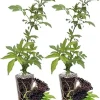
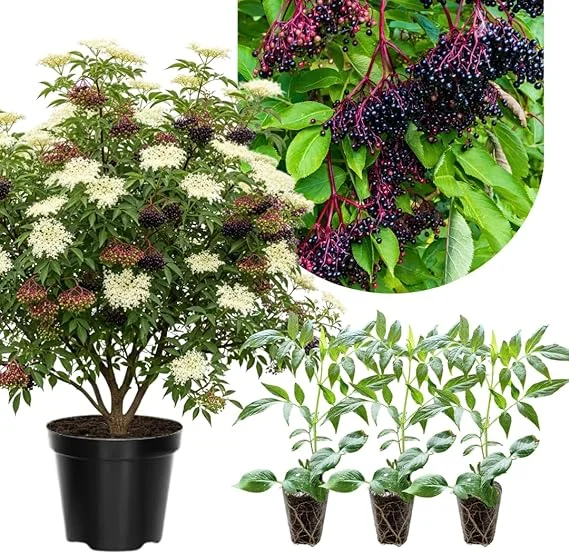
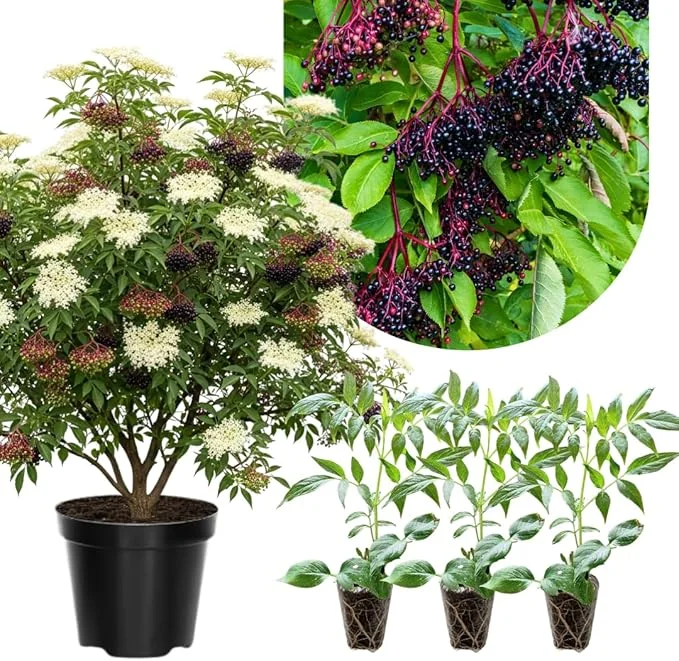
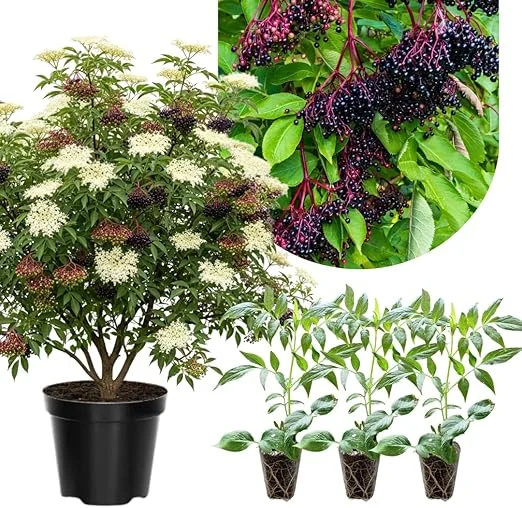
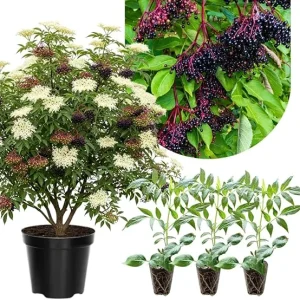
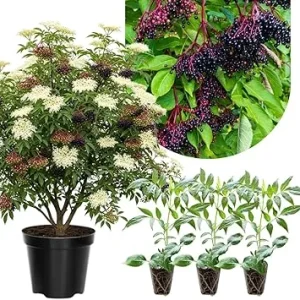
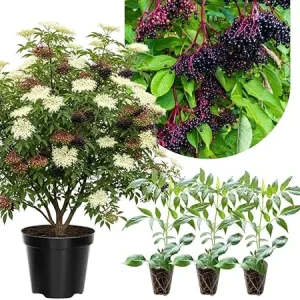
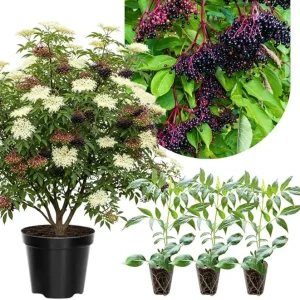
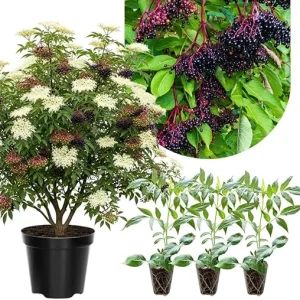
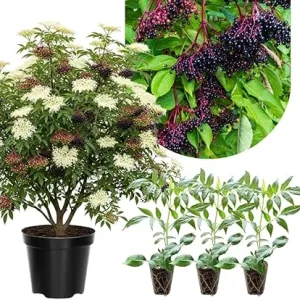
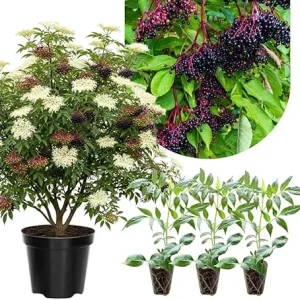
Embark on a rewarding gardening journey with our premium set of black elderberry live plant. These robust plants are an excellent addition to any garden, offering both ornamental beauty and a bounty of delicious and healthful fruit. Elderberries, scientifically known as Sambucus canadensis, are native to North America and are celebrated for their vibrant purple-black berries, which are perfect for making jams, jellies, pies, and elderberry syrup. This offering includes three live, well-rooted plants, each standing 6-12 inches tall, ready to thrive in your landscape. Growing your own American elderberry bush is a sustainable and satisfying way to enjoy fresh, organic produce right from your backyard. They are hardy, fast-growing perennial shrubs that can reach a mature height of 6-12 feet, providing a lush, spreading growth habit that enhances any outdoor space.
Our black elderberry live plant selection is ideal for gardeners looking to establish a productive and attractive edible landscape. These plants are carefully cultivated to ensure strong root systems, promoting vigorous growth once planted. Whether you’re an experienced gardener or just starting, these elderberries offer an accessible entry into fruit growing. The ease of elderberry plant care makes them a popular choice for home gardens across various climates, particularly within their recommended USDA hardiness zones. Prepare to enjoy the beauty of their delicate white flowers in spring, followed by the rich clusters of sweet elderberry fruit in late summer.
Key Benefits
Adding black elderberry live plant to your garden provides a multitude of advantages, from aesthetic appeal to culinary and health benefits. These versatile shrubs are a garden powerhouse, delivering value year after year.
- Abundant Fruit Production: Enjoy a generous harvest of dark, nutrient-rich elderberries perfect for culinary creations like jams, jellies, wines, and health-boosting syrups.
- Ornamental Garden Beauty: These shrubs feature attractive foliage, clusters of fragrant white flowers in late spring, and striking dark berries in summer, adding visual interest to your landscape.
- Pollinator Friendly: The elderberry flowers attract beneficial pollinators like bees and butterflies, contributing to a healthy garden ecosystem.
- Hardy and Resilient: Known for their toughness, these American elderberry bush plants are highly adaptable to various soil conditions and are relatively pest and disease resistant, making them low-maintenance.
- Fast Growing: Establish quickly in your garden, providing a substantial shrub within a few seasons and yielding fruit relatively soon after planting.
- Supports Wildlife: The berries are a food source for birds and other wildlife, enhancing biodiversity in your backyard.
- Health Benefits: Elderberries are packed with antioxidants, vitamins, and minerals, making them a popular choice for natural wellness remedies. Learning about elderberry plant care will ensure a healthy, productive shrub.
Plant Care & Growing Tips
Proper elderberry plant care is crucial for a thriving and productive shrub. These plants are relatively forgiving, making them suitable for gardeners of all experience levels. Elderberries prefer a location that receives full sun to partial shade. For optimal fruit production, aim for at least 6 hours of direct sunlight per day. While they can tolerate some shade, too little sun may result in fewer berries. Ensure the planting site has good air circulation to prevent fungal diseases.
When it comes to watering, consistent moisture is key, especially during the first year of establishment and during dry spells. The soil should be kept consistently moist but not waterlogged. Once established, elderberries are reasonably drought-tolerant but will produce more fruit with regular watering. A well-draining soil is essential; elderberries prefer rich, loamy soil with a pH between 5.5 and 6.5. Amending heavy clay soils with organic matter can improve drainage and fertility. They are cold hardy and suitable for USDA Hardiness Zones 3-9, meaning they can withstand significant winter temperatures.
Fertilization can be done in early spring with a balanced slow-release fertilizer or compost to support vigorous growth and fruit development. Pruning is best done in late winter or early spring while the plant is dormant. Remove any dead, damaged, or weak canes. Elderberries produce fruit on one-year-old wood, so a good pruning strategy involves allowing new canes to grow while removing older, less productive ones. Common problems are rare, but watch for aphids or powdery mildew, which can usually be managed with organic sprays or good cultural practices. By following these simple elderberry plant care guidelines, your black elderberry live plant will flourish.
Size & Details
This offering includes three live black elderberry live plant specimens, each carefully grown to be 6-12 inches tall upon arrival. These plants are well-rooted and ready for immediate planting in your garden. They are shipped in a manner that protects their delicate roots and foliage, ensuring they arrive healthy and ready to establish. With proper care, these young plants will grow quickly, reaching a mature height of 6-12 feet tall, with a spreading growth habit that can be managed through pruning. Expect your plants to begin producing sweet elderberry fruit within 1-2 years after planting, with full production typically achieved by the third to fourth year. They are robust deciduous shrubs that will provide years of enjoyment and harvest. If you’re looking to buy elderberry plants, this set provides a great start for a productive edible landscape.
Frequently Asked Questions
- Q: How big will these elderberry plants get? A: These black elderberry live plant specimens are 6-12 inches tall when shipped. With proper care, they can grow to a mature height of 6-12 feet tall and have a spreading growth habit.
- Q: Is this an indoor or outdoor plant? A: The American elderberry bush is an outdoor plant, best suited for garden landscapes. It is hardy in USDA Zones 3-9.
- Q: How much sunlight does the black elderberry live plant need? A: Elderberries thrive in full sun to partial shade. For the best fruit production, they should receive at least 6 hours of direct sunlight per day.
- Q: Is this plant easy to care for? A: Yes, elderberries are known for being relatively easy to care for, making them suitable for beginners. They are hardy and adaptable to various conditions, especially with good elderberry plant care practices.
- Q: What condition will the plants arrive in? A: The plants are shipped as live, well-rooted specimens, typically 6-12 inches tall, and carefully packaged to ensure they arrive healthy and ready for planting.
- Q: When is the best time to plant these elderberry plants? A: The best time to plant black elderberry live plant is in spring after the last frost, or in early fall before the ground freezes. This allows them to establish their root systems.
- Q: How long until it produces fruit? A: You can typically expect your elderberry plants to start producing some sweet elderberry fruit within 1-2 years after planting, with a more substantial harvest usually by the third year.
- Q: Will it survive winter in my zone? A: Yes, these elderberry plants are very cold hardy and are suitable for USDA Hardiness Zones 3-9, meaning they can tolerate a wide range of winter temperatures.
- Q: What type of soil do these elderberry plants prefer? A: Elderberries prefer rich, loamy, well-draining soil with a slightly acidic to neutral pH (5.5-6.5). Amending with organic matter is beneficial.
- Q: Why should I buy elderberry plants? A: You should buy elderberry plants to enjoy delicious and healthy fruit, attract pollinators, enhance your garden’s beauty, and benefit from a hardy, low-maintenance shrub.


Reviews
There are no reviews yet.