Overview
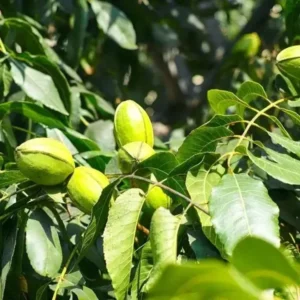
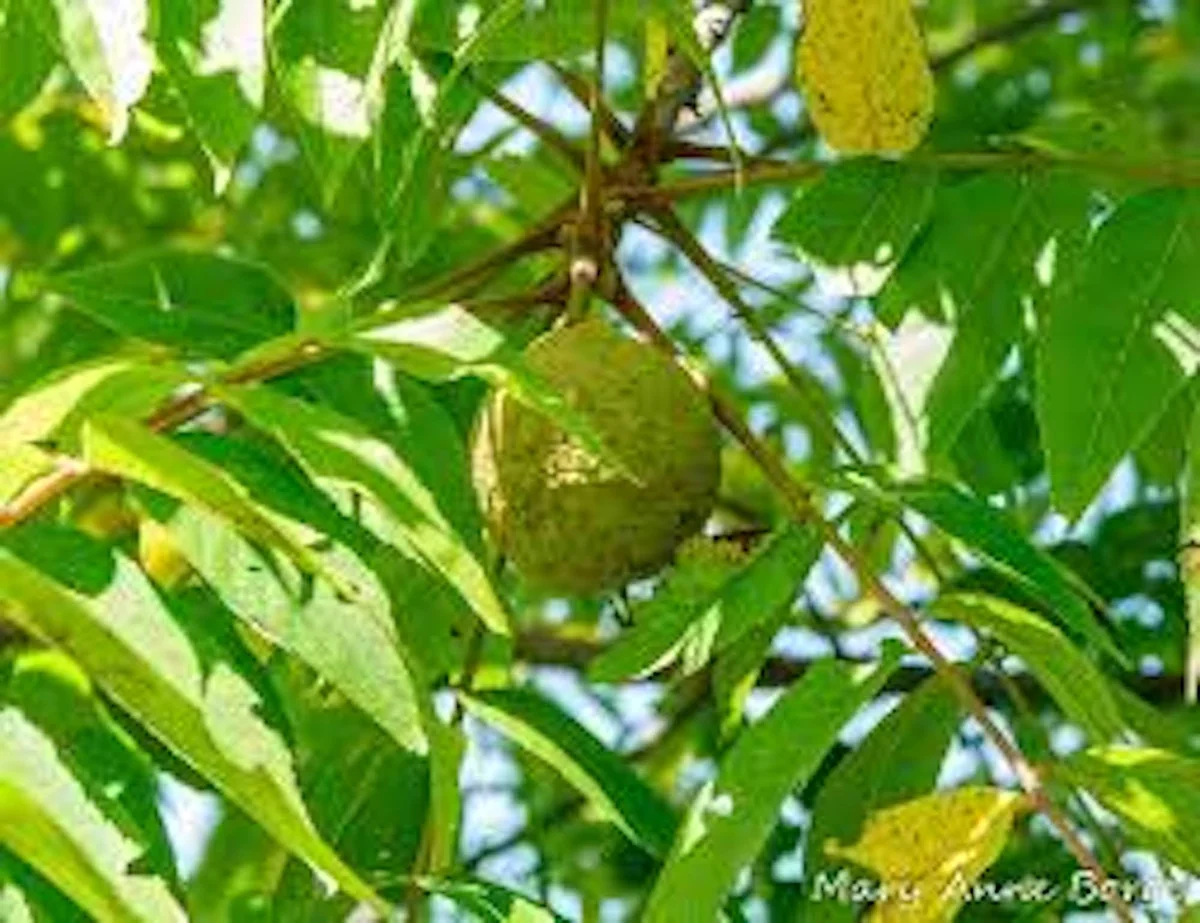
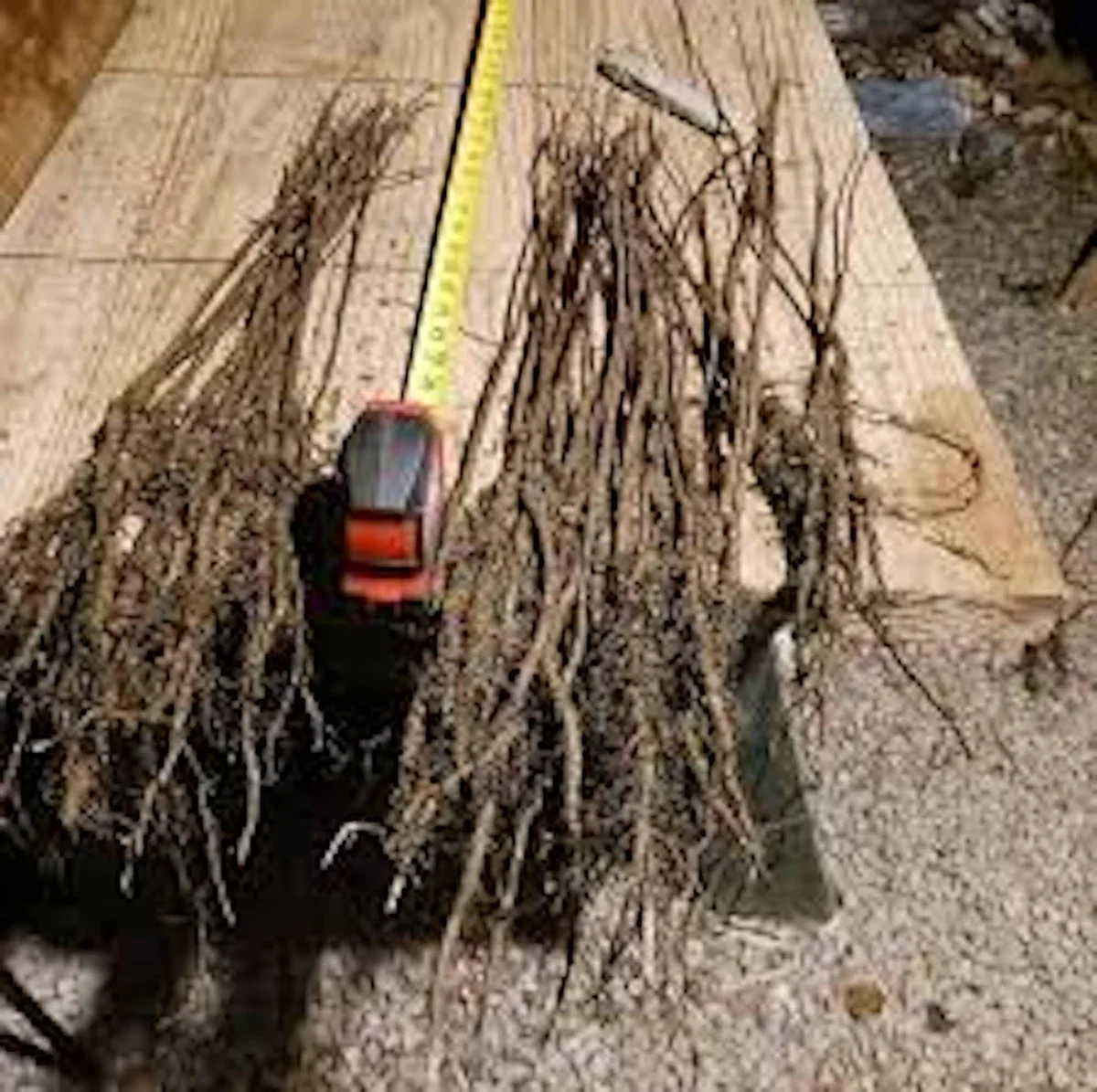
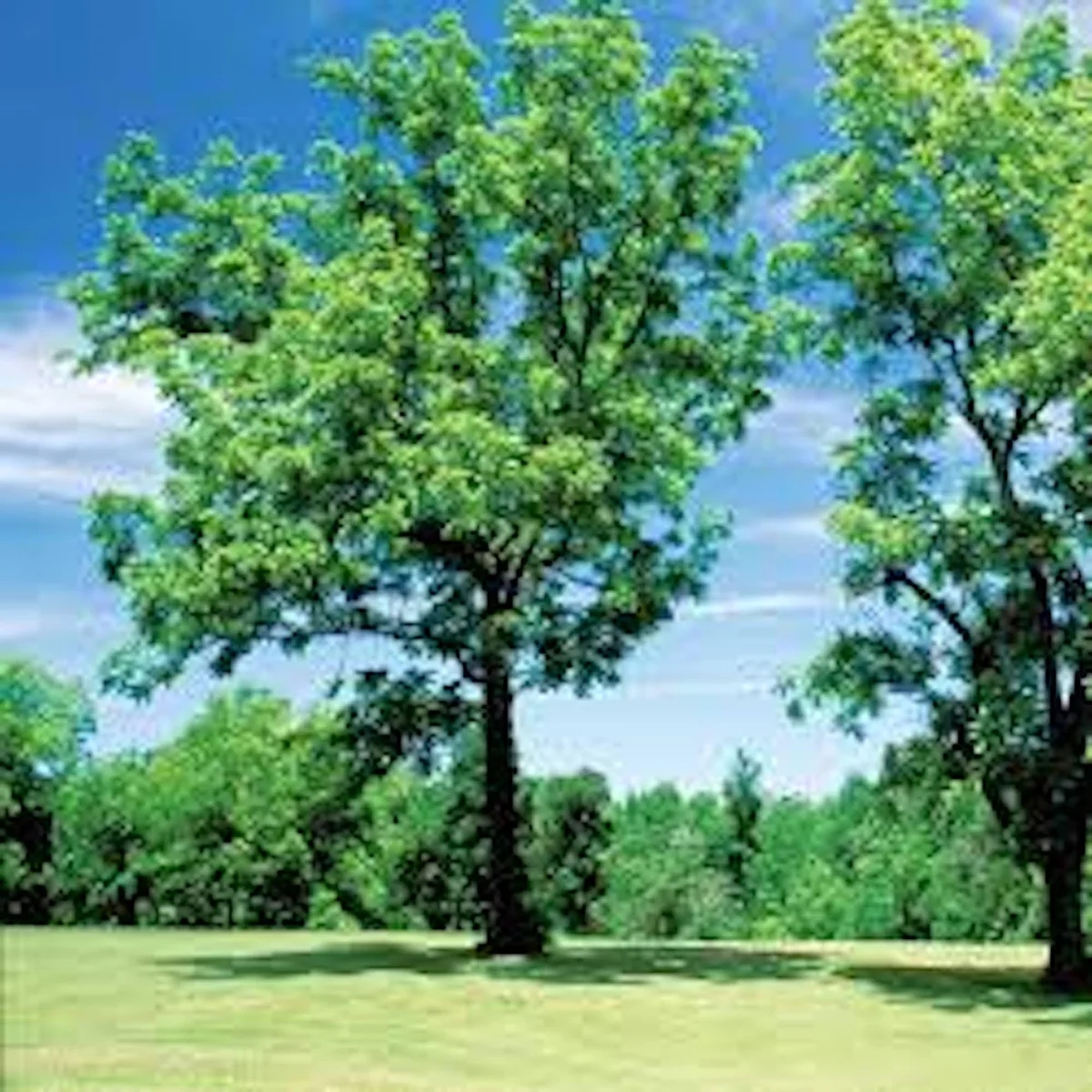
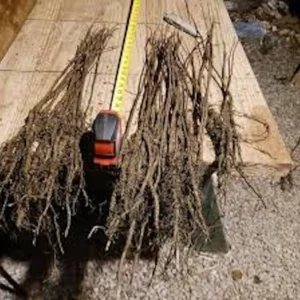
Embark on a rewarding journey of growing your own timber and nut-producing trees with these premium black walnut tree seedlings. This offering includes three vigorous Juglans nigra specimens, also widely known as the American walnut tree or Eastern Black Walnut. Each seedling measures between 12-24 inches tall, providing a significant start for your planting efforts. These deciduous trees are highly valued for their rich, dark timber, which is prized in furniture making, and their edible, flavorful nuts. Native to eastern North America, the Black Walnut is a stately tree that can become a prominent feature in any landscape, offering shade, wildlife habitat, and long-term investment. They are shipped as bare root walnut plants when dormant, ensuring they establish well in their new environment.
The Juglans nigra tree is a fascinating species, known for its deep taproot system and impressive mature size. These young trees are ready to be planted in their permanent location, where they will begin their journey towards maturity. With proper care, these seedlings will grow into majestic trees, providing beauty and bounty for generations to come. They are a fantastic choice for reforestation projects, homesteads, or simply enhancing a large garden space with a native, beneficial species.
Key Benefits
Investing in black walnut tree seedlings brings a multitude of benefits, both aesthetic and practical. These trees offer a unique combination of ecological value and economic potential, making them a wise choice for many landowners and gardeners:
-
Valuable Timber Production: The primary benefit of growing Juglans nigra tree is its highly sought-after timber. Black Walnut wood is renowned for its strength, rich color, and beautiful grain, making it one of the most valuable hardwoods for fine furniture, cabinetry, and flooring. Planting these seedlings is a long-term investment that can yield significant returns.
-
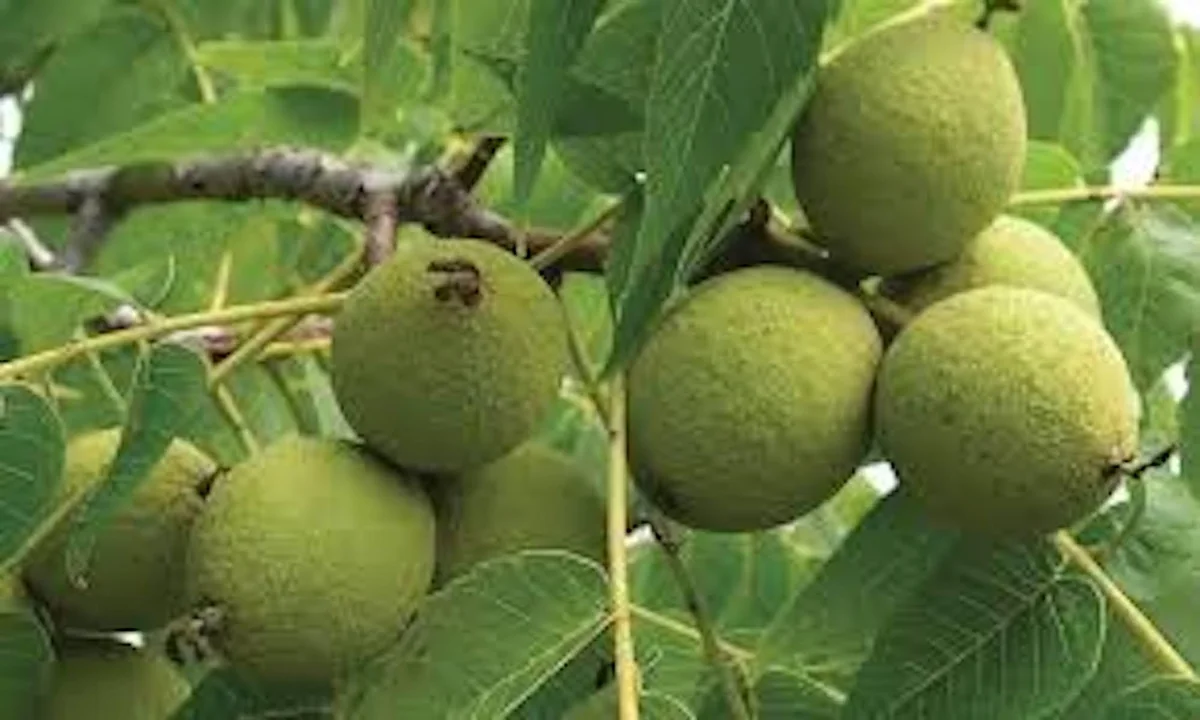
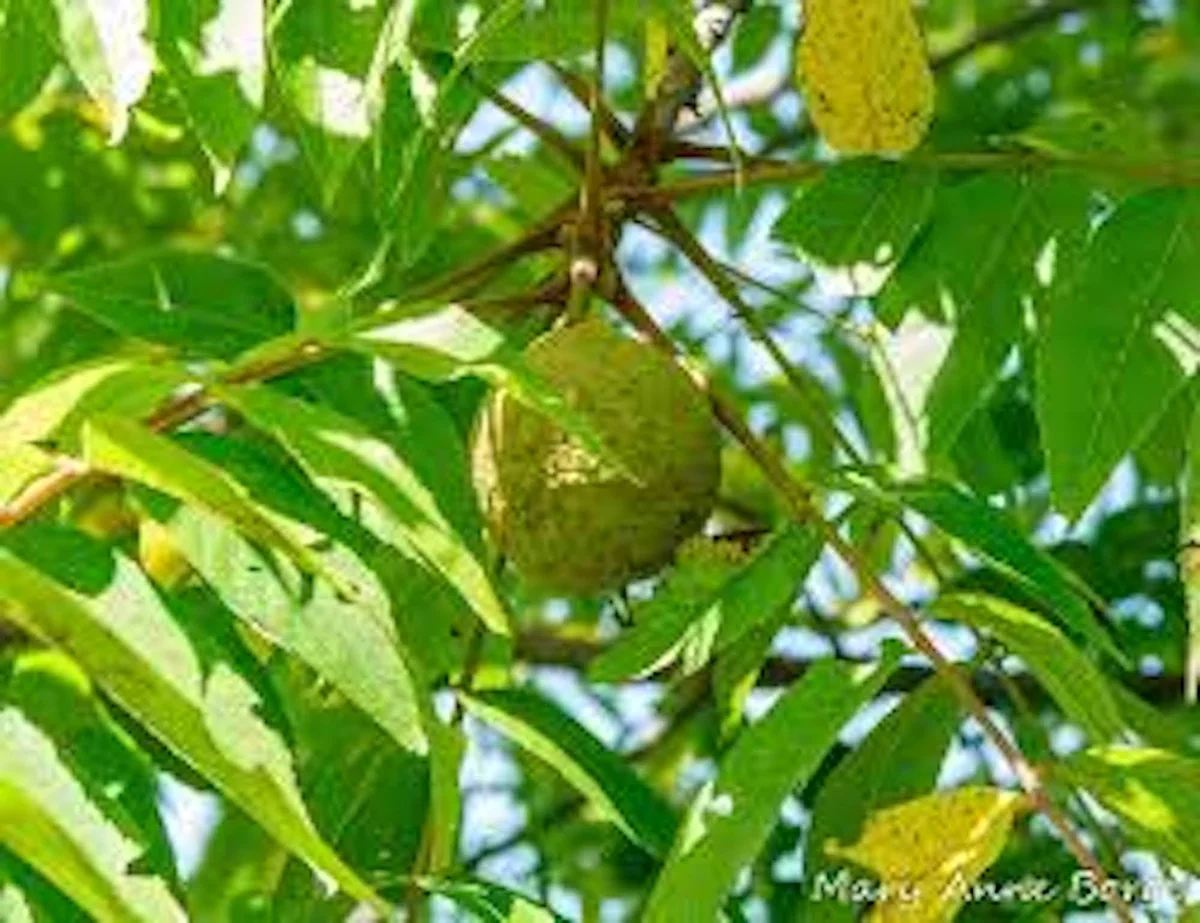
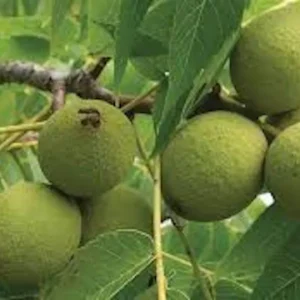
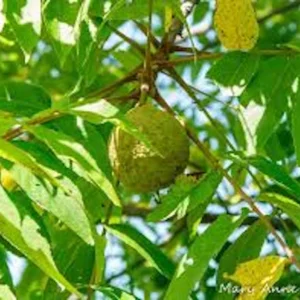
Edible Nuts: Beyond timber, these trees produce delicious and nutritious walnuts. Homegrown black walnuts offer a distinct, robust flavor superior to many commercial varieties, perfect for baking, snacking, or culinary use. The nuts provide a sustainable food source and an additional harvest.
-
Wildlife Support: Black Walnut trees provide essential food and habitat for various wildlife, including squirrels, birds, and other small mammals that feed on the nuts. They contribute significantly to local biodiversity and ecosystem health, making them an excellent choice for a naturalized landscape.
-
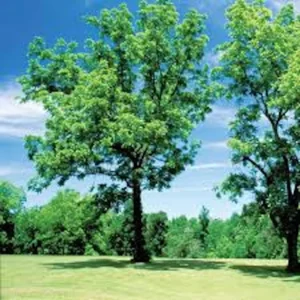
Shade and Aesthetic Appeal: With their broad, rounded crowns at maturity, American walnut tree specimens provide excellent shade during hot summer months. Their attractive foliage and commanding presence make them a beautiful addition to any large property or park setting, enhancing the overall landscape design.
-
Erosion Control: The deep taproot system of the bare root walnut helps to stabilize soil, making these trees effective in preventing erosion, especially on slopes or along waterways. This natural function contributes to healthier soil and water quality in your area.
-
Adaptable and Hardy: These seedlings are hardy in USDA Zones 4-9, indicating their resilience across a wide range of climates. They are native to a diverse region and, once established, can tolerate various environmental conditions, making them a robust choice for many gardeners.
Plant Care & Growing Tips
Caring for your black walnut tree seedlings is crucial for their successful establishment and long-term growth. These trees, including the Eastern black walnut, thrive in specific conditions that mimic their native habitats. They prefer well-drained, moist soils and require full sun to flourish. Ensure the planting site receives at least 6 hours of direct sunlight daily; shaded areas are not conducive to their growth. While relatively resilient, consistent care in their early years will lead to a stronger, healthier mature tree.
When planting your Juglans nigra tree, dig a hole that is wider and just as deep as the root system. Spread the roots out gently and backfill with soil, ensuring no air pockets. Water thoroughly after planting. During the first few years, regular watering is essential, especially during dry spells, to help the deep taproot establish. Once mature, these trees are quite drought-tolerant. Fertilization is generally not required in rich soils, but a balanced slow-release fertilizer can be applied in spring if soil nutrients are lacking. Monitor for common pests and diseases, though Black Walnuts are generally robust. Note that Black Walnuts produce juglone, a natural herbicide, which can inhibit the growth of certain sensitive plants nearby; plan your companion planting accordingly.
Size & Details
This offering includes three individual black walnut tree seedlings, each measuring between 12-24 inches in height. These are live plants that are shipped as bare root walnut during their dormant season, which is the optimal time for transplanting to ensure successful establishment. During the growing season, they may be shipped in pots. At maturity, a Juglans nigra tree typically reaches an impressive height of 70-100 feet (21-30 meters) and can spread nearly as wide, forming a magnificent oval or round crown. They are self-pollinating, meaning a single tree can produce nuts. The growth rate is moderate to fast, depending on ideal growing conditions.
These seedlings are suitable for USDA Hardiness Zones 4-9. They prefer rich, well-drained, moist soil and full sun exposure. The deep taproot system that characterizes the American walnut tree allows it to access water and nutrients from deep within the soil, contributing to its resilience. Expect the trees to begin producing nuts within 10-15 years, with optimal production occurring after 20-30 years. These young trees represent the beginning of a long-lived and highly beneficial addition to your property.
Frequently Asked Questions
-
Q: How big do these black walnut tree seedlings get? A: These seedlings are 12-24 inches tall at shipment. At maturity, a black walnut tree can reach 70-100 feet in height and nearly as wide, developing a large, stately crown.
-
Q: Is this an indoor or outdoor plant? A: The Juglans nigra tree is an outdoor plant. It requires space to grow to its mature size and thrives in full sun exposure in a garden or landscape setting.
-
Q: How much sunlight does a bare root walnut need? A: Black Walnut trees require full sun, meaning at least 6 hours of direct sunlight per day. They do not perform well in shaded areas and need ample light to develop properly.
-
Q: Is this plant easy to care for? A: Once established, the American walnut tree is relatively low-maintenance. However, consistent watering and protection during its first few years are crucial for successful establishment. It’s a good choice for those willing to provide initial care for a long-term reward.
-
Q: What condition will the black walnut tree seedlings arrive in? A: These seedlings ship as bare root walnut plants when dormant, meaning they will arrive without soil around their roots, carefully packaged to maintain moisture. During the growing season, they may ship in pots.
-
Q: Can I use the nuts from the Eastern Black Walnut for cooking? A: Yes, the nuts produced by the Eastern black walnut are highly prized for their rich, distinctive flavor and are excellent for baking, cooking, and snacking. They are a delicious and natural food source.
-
Q: When is the best time to plant these seedlings? A: The best time to plant bare root walnut trees is typically in early spring or late fall when the trees are dormant. This allows them to establish their root system before the stress of summer heat or winter cold.
-
Q: Will these black walnut tree seedlings survive winter in my zone? A: These seedlings are hardy in USDA Zones 4-9, indicating they are well-suited to tolerate winter conditions within this range. Ensure proper planting and mulching for best winter protection in colder zones.
-
Q: What kind of soil does the Juglans nigra tree prefer? A: The Juglans nigra tree thrives in well-drained, moist, deep, and fertile soils. It is adaptable but performs best in loamy soil types. Avoid overly wet or compacted soils.
-
Q: Do I need more than one tree for nuts? A: Black walnut tree seedlings are self-pollinating, so a single tree can produce nuts. However, planting multiple trees can often lead to a greater yield of nuts due to cross-pollination.


Reviews
There are no reviews yet.