Overview
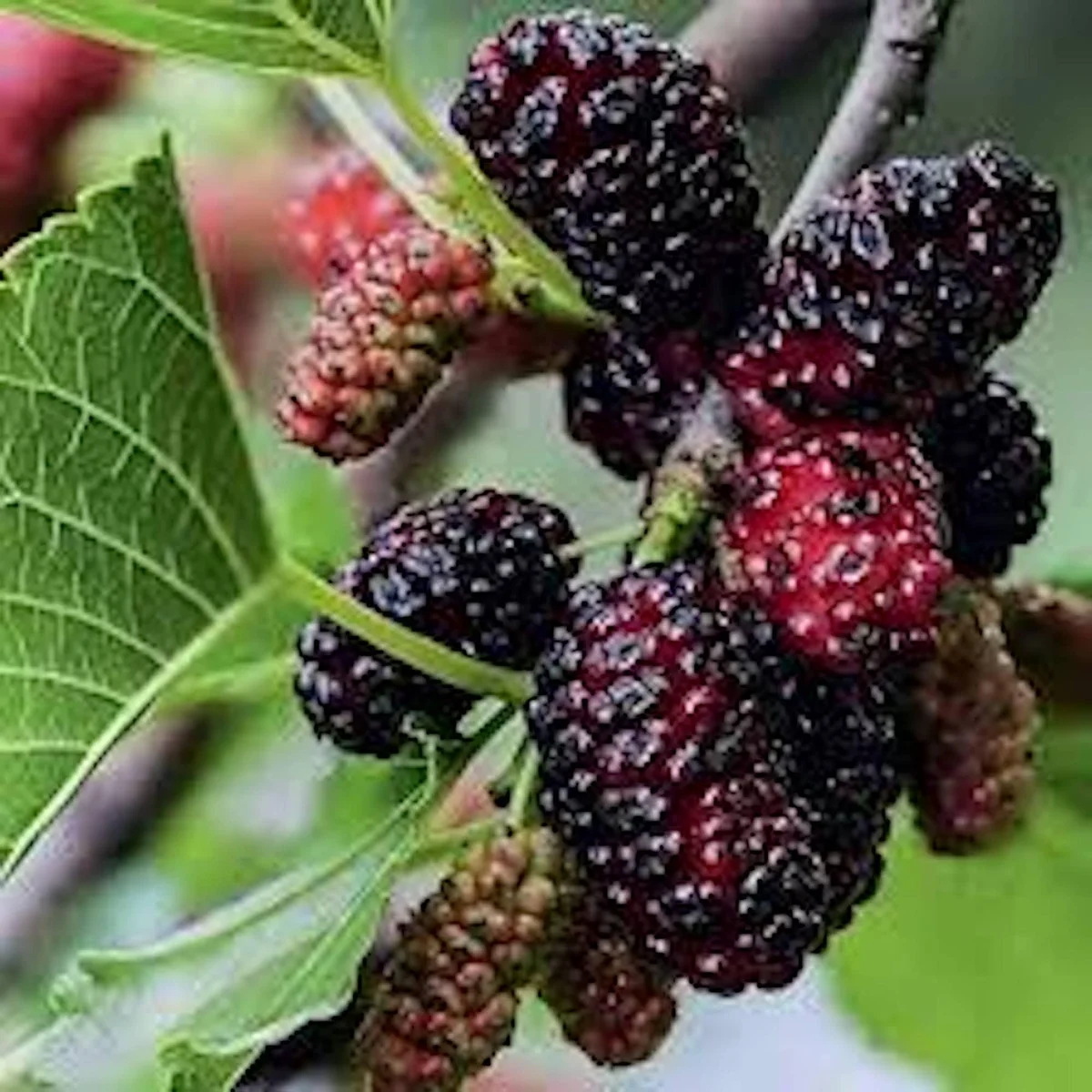
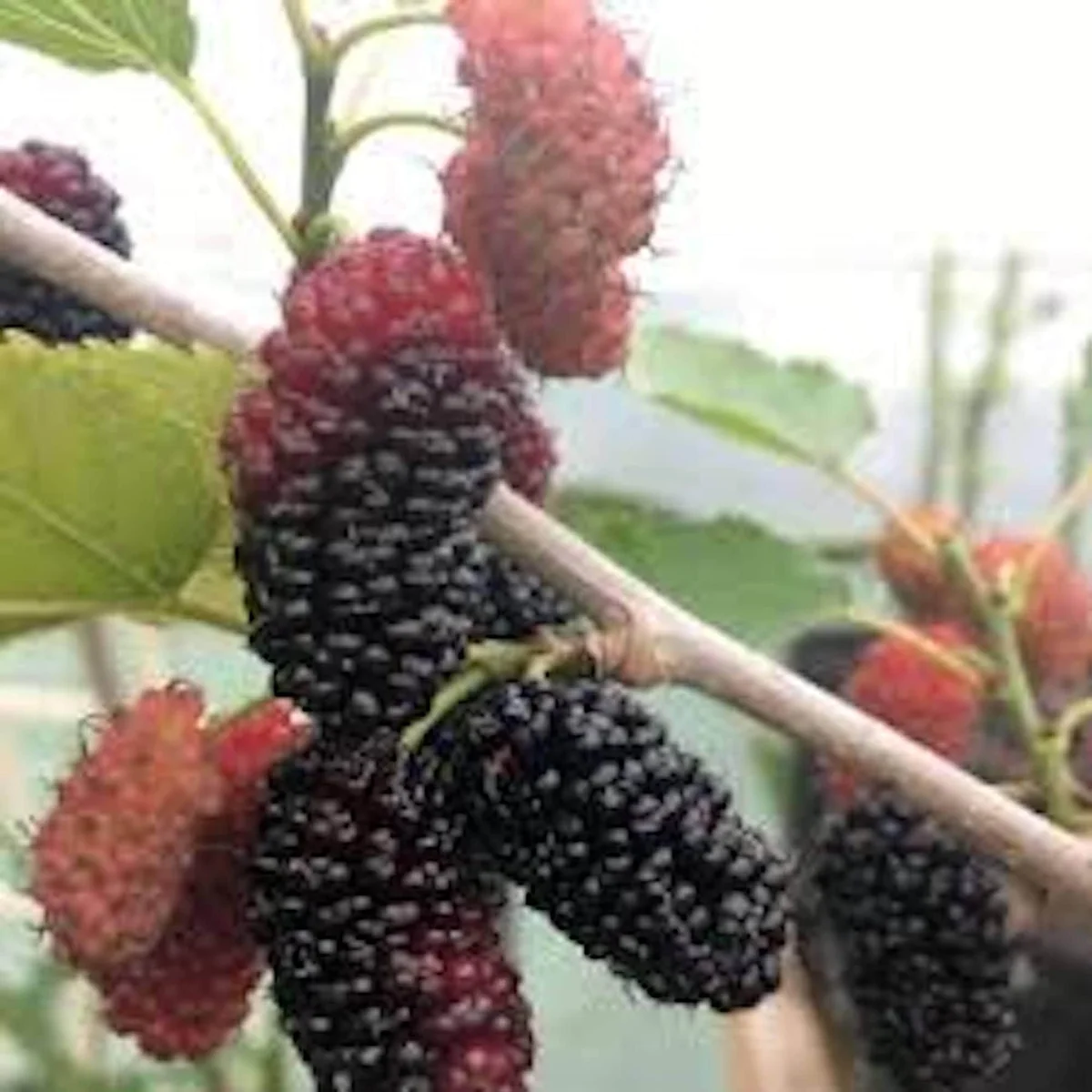
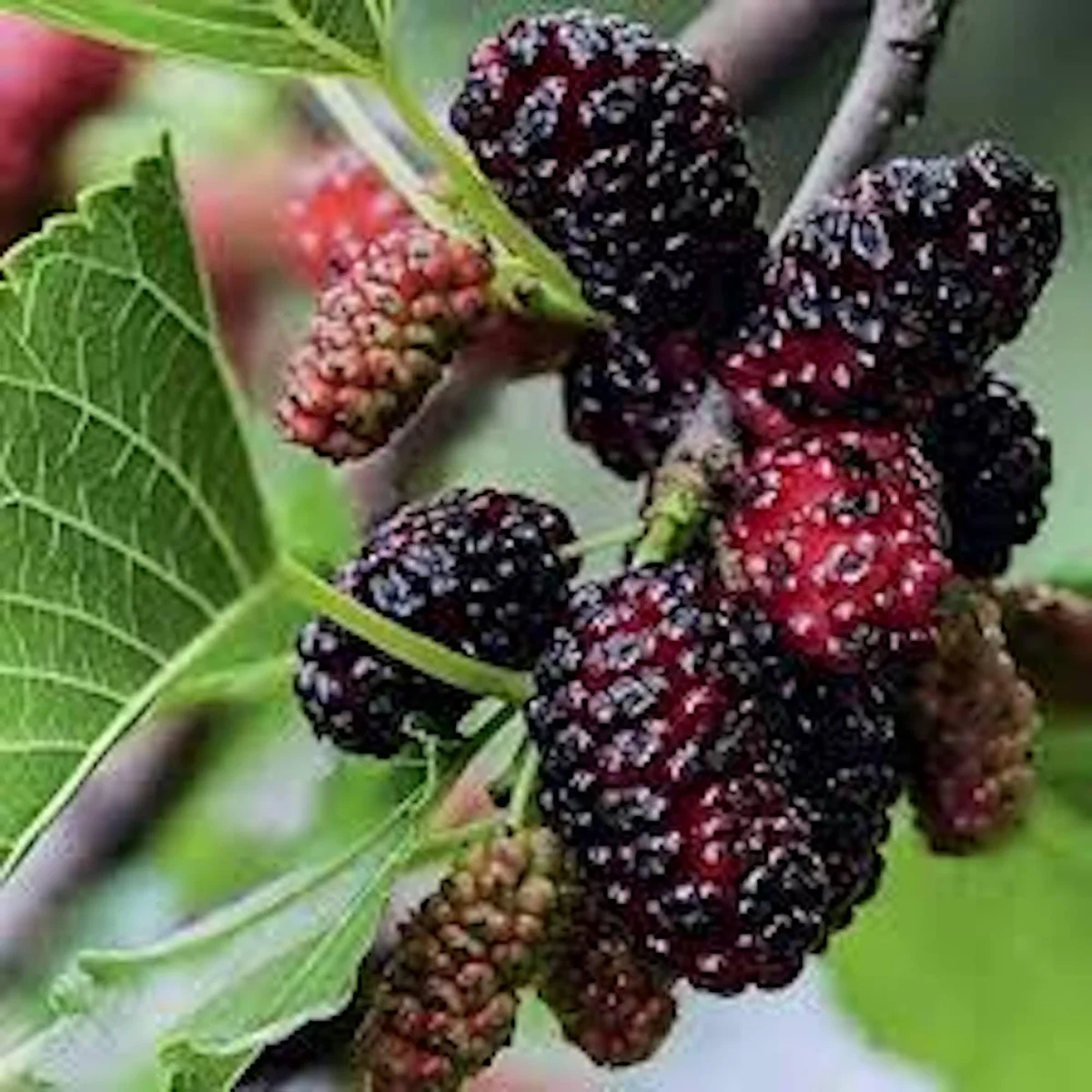
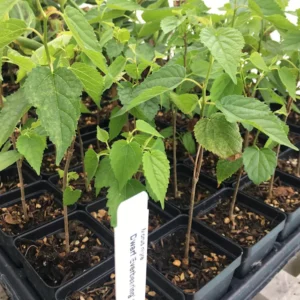
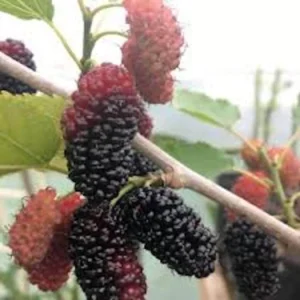
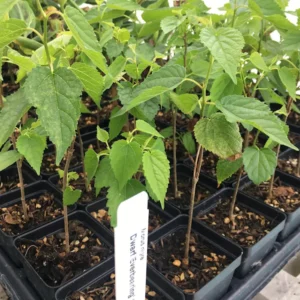
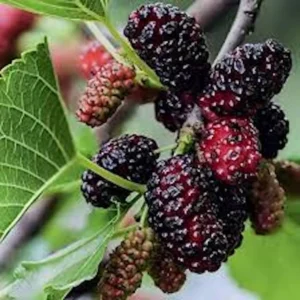
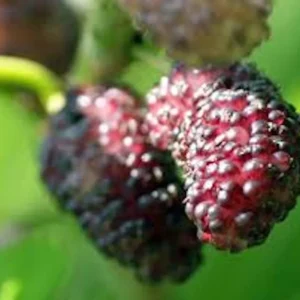
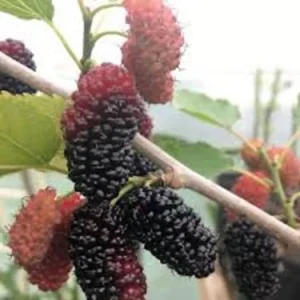
Transform your garden into a berry haven with these 3 Dwarf Everbearing Mulberry Tree Starters. These robust bare root plants offer an excellent opportunity to grow your own delicious fruit. Known for their continuous fruiting season and adaptability, dwarf everbearing mulberry tree (Morus spp.) is a fantastic choice for both novice and experienced gardeners. Unlike larger varieties, these trees maintain a manageable size, making them suitable for smaller gardens or even large containers. Prepare to enjoy an abundance of sweet, reddish-black berries directly from your own backyard, often within the first few years of planting.
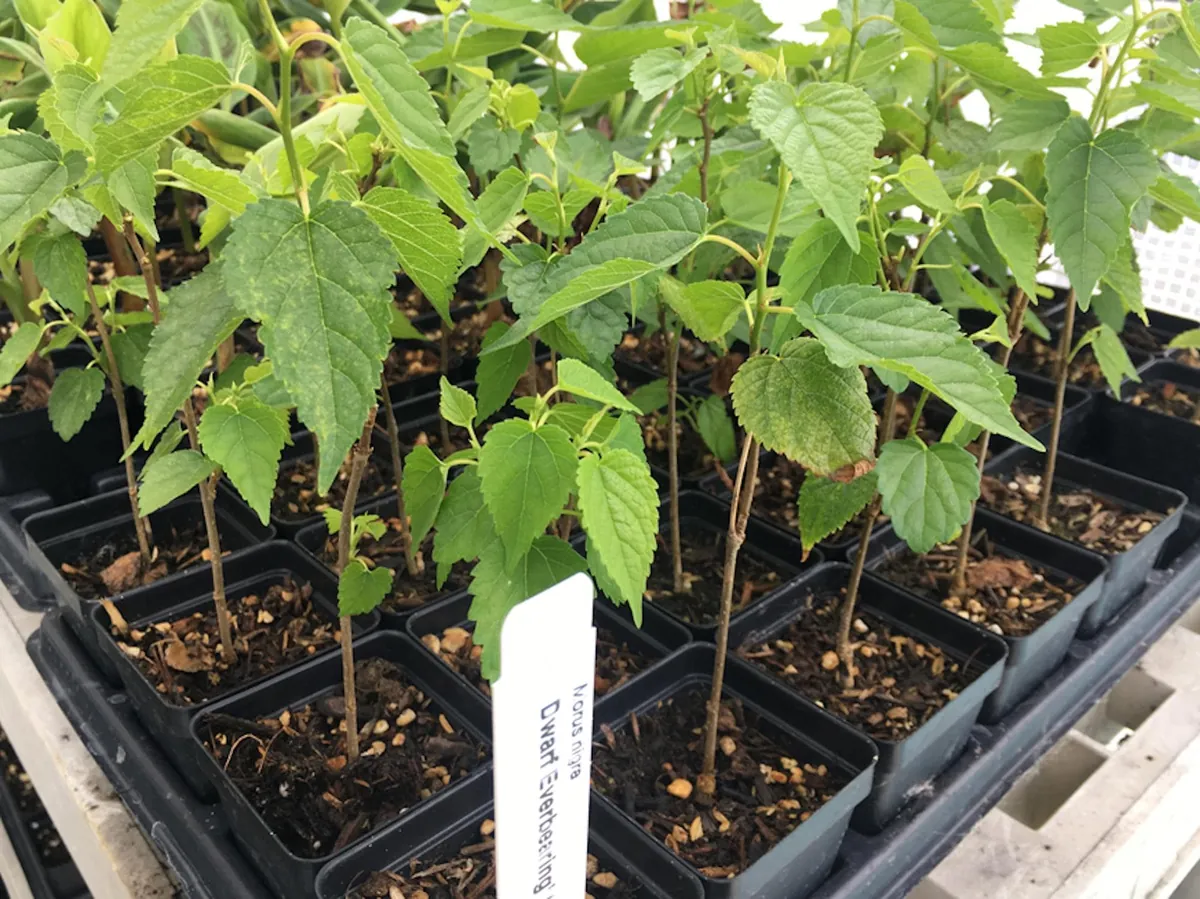
The Everbearing Mulberry is celebrated for its prolific production and resilience. These bare root mulberry starters are carefully prepared for shipping, ensuring they arrive ready for planting. The term “bare root” means the plant is shipped without soil around its roots, which is a common and effective method for deciduous trees and shrubs during their dormant season. This method allows for easier transport and often helps the plant establish quickly once planted in its new environment. With proper mulberry tree care, these starters will flourish into healthy, fruit-bearing trees.
Key Benefits
Adding a dwarf everbearing mulberry tree to your landscape brings numerous advantages, providing both ornamental beauty and a bountiful harvest. These trees are a rewarding investment for any home gardener.
- Continuous Harvest: Enjoy juicy, reddish-black berries over an extended season, typically from late June to early fall, ensuring a steady supply of fresh fruit for weeks.
- Self-Pollinating: These self-pollinating mulberry trees do not require a companion plant to produce fruit, making them a hassle-free addition for any gardener, even if you only have space for one tree.
- Pest-Resistant: Known for their natural hardiness, Everbearing Mulberries are generally resistant to many common pests, reducing the need for chemical treatments and making mulberry tree care simpler.
- Versatile Growth Habit: Easily trained as a single-stemmed tree or allowed to grow as a multi-stemmed shrub, offering flexibility to fit your garden design and space constraints.
- Early Fruiting: Many of these trees can begin bearing fruit within the first 1-3 years after planting, rewarding your efforts relatively quickly.
- Cold Hardy: These cold hardy fruit tree starters are resilient and can withstand colder temperatures, making them suitable for a wide range of climates (USDA zones 4-8).
- Low Maintenance: Once established, the dwarf everbearing mulberry tree requires minimal intervention, preferring natural conditions and thriving with basic care.
Plant Care & Growing Tips
Proper mulberry tree care is essential for ensuring your 3 Dwarf Everbearing Mulberry Tree Starters thrive and produce abundant fruit. As bare root mulberry plants, they need immediate attention upon arrival to prevent root desiccation. Unpack them promptly and either plant them directly or temporarily heel them into moist soil or sawdust if immediate planting isn’t possible. Ensure the roots remain moist until planting. Dig a hole twice as wide as the root spread and just as deep, making sure the graft union (if present) is above the soil line. Spread the roots evenly and backfill with soil, gently tamping to remove air pockets. Water thoroughly after planting.
These cold hardy fruit tree varieties prefer full sun, meaning at least 6-8 hours of direct sunlight per day is ideal for optimal fruit production and healthy growth. They are adaptable to a range of soil types but thrive best in well-draining, fertile soil with a pH between 6.0 and 7.0. While relatively drought-tolerant once established, consistent moisture is crucial during the first year of growth and during fruit development. Water deeply once or twice a week, depending on rainfall and soil conditions. Mulching around the base of the tree will help retain soil moisture and suppress weeds. Fertilization can begin in the second year, using a balanced slow-release fertilizer in early spring.
Pruning should be done in late winter or early spring while the tree is dormant. Focus on removing any dead, damaged, or crossing branches. You can also prune to maintain a desired shape or size. Remember that the root systems of mulberry trees can be extensive; plant them away from utility lines or foundations. These self-pollinating mulberry trees are generally robust, but monitoring for common issues like powdery mildew or leaf spot and addressing them early can help maintain plant health. With consistent and attentive mulberry tree care, your dwarf everbearing mulberry tree will provide years of delicious harvests.
Size & Details
This offering includes 3 Dwarf Everbearing Mulberry Tree Starters, shipped as healthy bare root mulberry plants. These starters are in their dormant state, which is the ideal time for transplanting to ensure successful establishment. Upon planting, these trees will begin to develop their root systems and foliage, growing into mature, fruit-bearing specimens. The dwarf everbearing mulberry tree typically reaches a maximum height of 10-15 feet with a spread of 15-20 feet, making it a more compact option compared to standard mulberry varieties. This size makes them suitable for a variety of garden settings, including urban spaces or smaller yards where larger trees might be impractical.
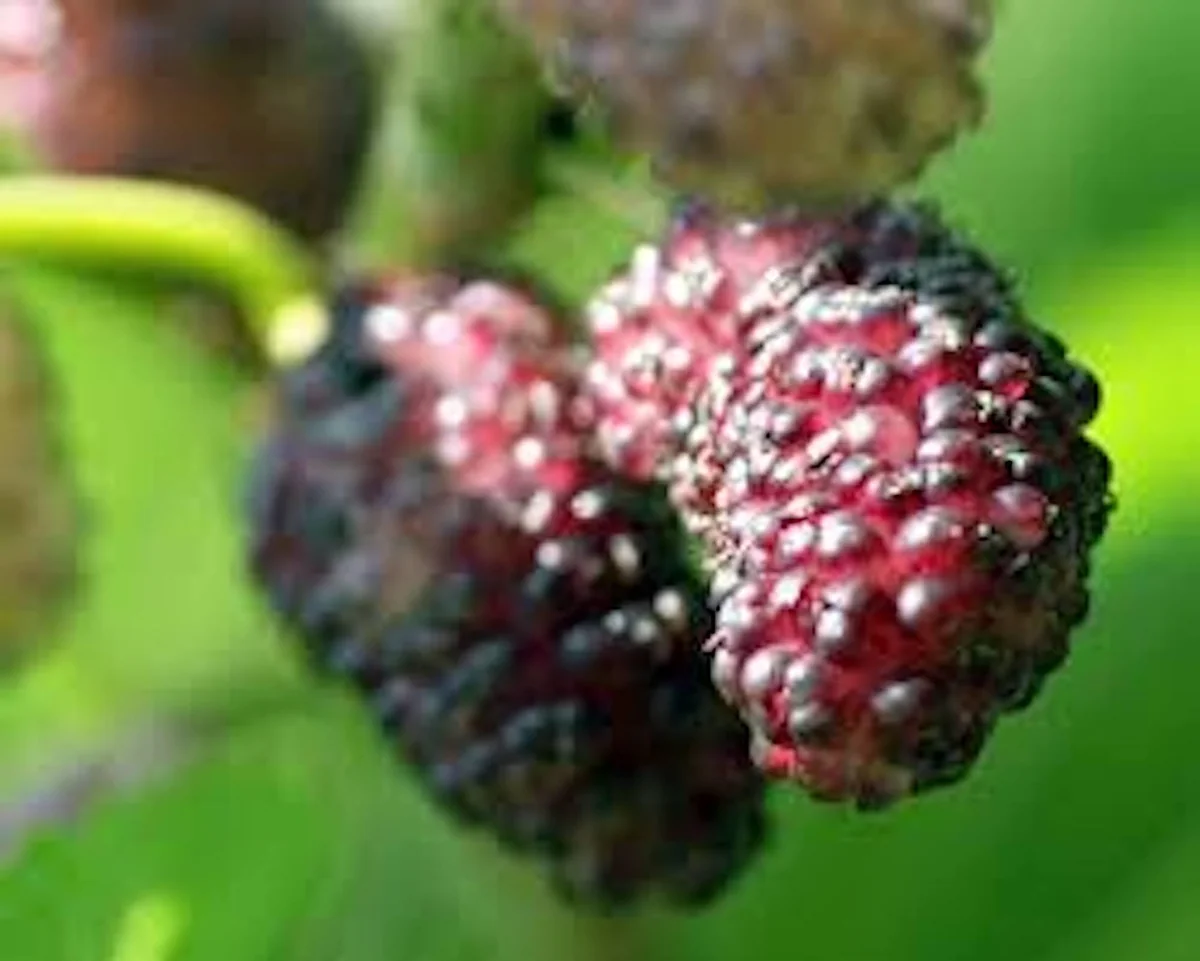
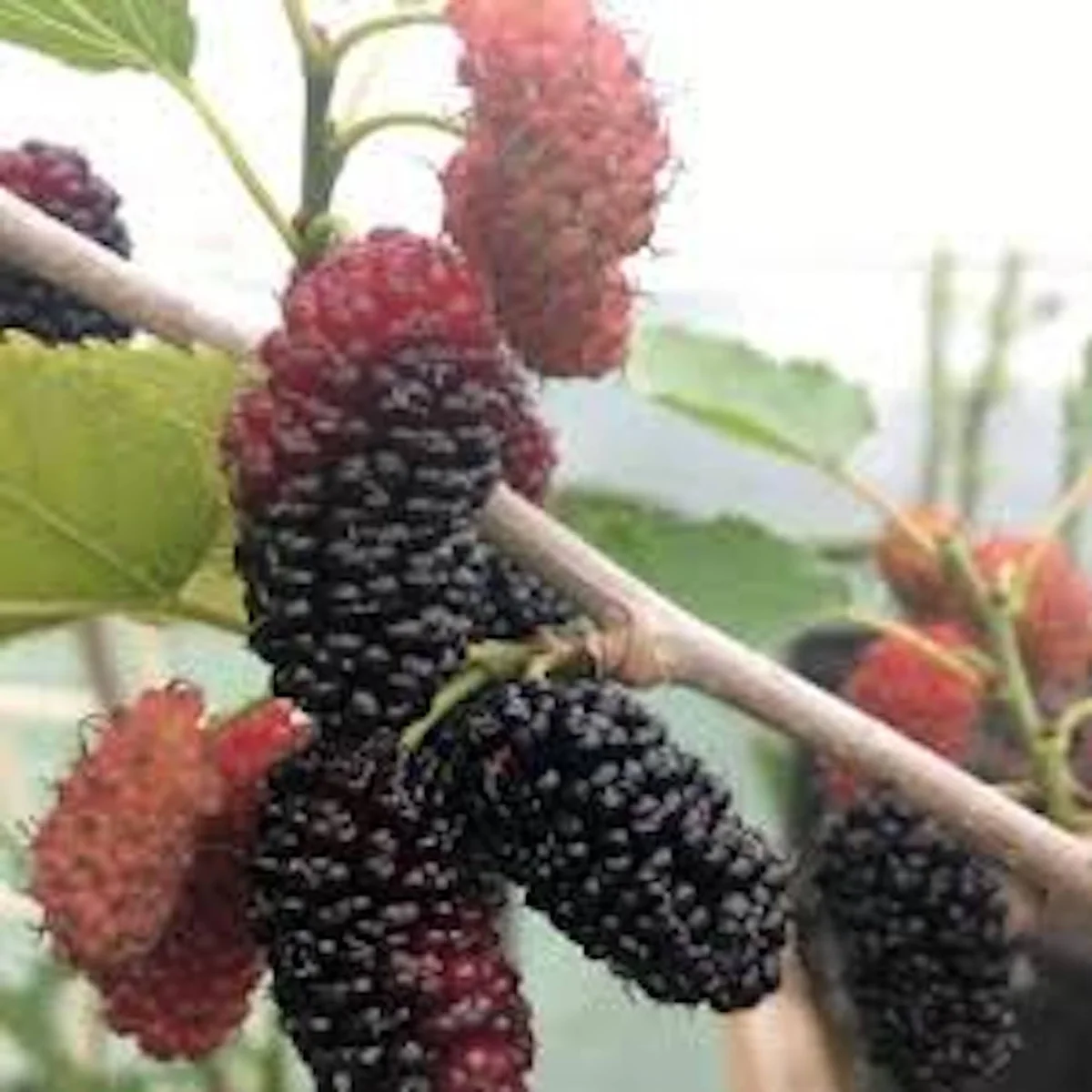
These cold hardy fruit tree varieties can begin to produce fruit within 1 to 3 years after planting, depending on growing conditions and care. The berries are typically about 1.5 inches long, dark reddish-black, and very juicy, ripening from late June to early fall. They are known for dropping their fruit when ripe, which can be a convenient feature for harvesting. Each starter is a robust, young plant ready to establish quickly in your garden, offering the promise of fresh, home-grown mulberries. The dwarf everbearing mulberry tree is a long-lived plant, providing many seasons of enjoyment and delicious fruit.
Frequently Asked Questions
- Q: How big does this dwarf everbearing mulberry tree get? A: A dwarf everbearing mulberry tree typically grows to a maximum height of 10-15 feet tall with a spread of 15-20 feet. It is a more compact variety suitable for many garden sizes.
- Q: What condition will the bare root mulberry plants arrive in? A: Your bare root mulberry starters will arrive dormant, without soil or a pot, with their roots protected for transit. They will be ready for immediate planting upon arrival to ensure successful establishment.
- Q: Is this an indoor or outdoor plant? A: The dwarf everbearing mulberry tree is an outdoor plant, celebrated as a cold hardy fruit tree. It thrives in various climates and requires outdoor conditions for proper growth and fruiting.
- Q: How much sunlight does a mulberry tree care require for light? A: These mulberry trees require full sun, meaning at least 6-8 hours of direct sunlight per day, to produce the best fruit yields and maintain strong, healthy growth.
- Q: Is this plant easy to care for? Is it good for beginners? A: Yes, the dwarf everbearing mulberry tree is generally considered easy to care for, especially after establishment. Its natural pest resistance and self-pollinating nature make it an excellent choice for beginner gardeners interested in fruit trees.
- Q: How long until it blooms and bears fruit? A: These trees can begin to bear fruit within the first 1-3 years after planting, depending on growing conditions and specific care. The berries typically ripen from late June to early fall.
- Q: Will this cold hardy fruit tree survive winter in my zone? A: Yes, the Everbearing Mulberry is a cold hardy fruit tree, generally suitable for USDA zones 4-8. This means it can tolerate winter temperatures down to approximately -30°F (-34°C).
- Q: Is the self-pollinating mulberry truly self-pollinating? A: Yes, this variety is a self-pollinating mulberry, meaning you only need one tree to get fruit. You do not need to plant multiple trees for cross-pollination.
- Q: What kind of soil is best for these mulberry trees? A: They prefer well-draining, fertile soil with a neutral to slightly acidic pH (6.0-7.0). Good drainage is crucial to prevent root rot.
- Q: Can I train this tree as a shrub? A: Absolutely. The dwarf everbearing mulberry tree is versatile and can be trained as a single-stemmed tree or allowed to grow in a rounded shape as a multi-stemmed bush, depending on your preference and garden space.


Reviews
There are no reviews yet.