Overview
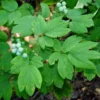
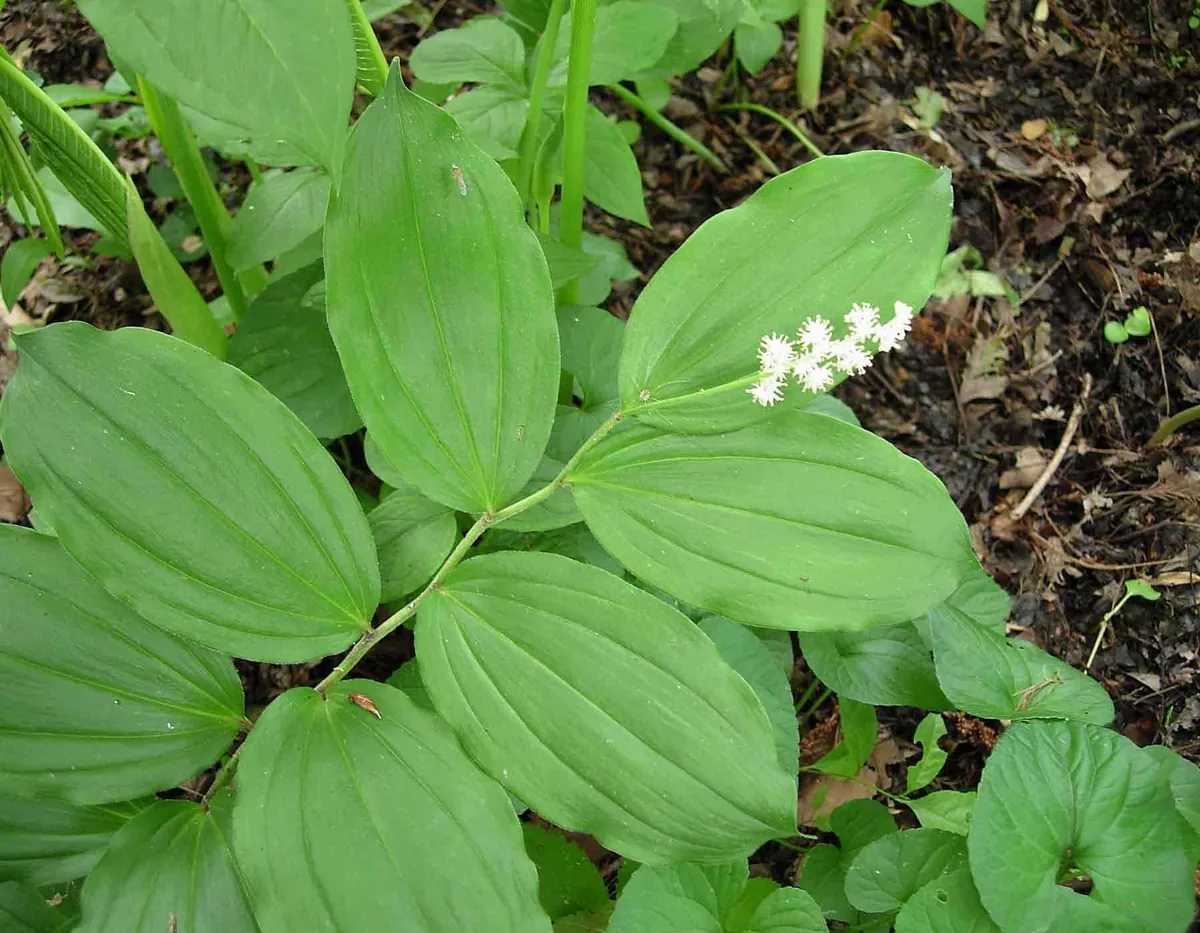
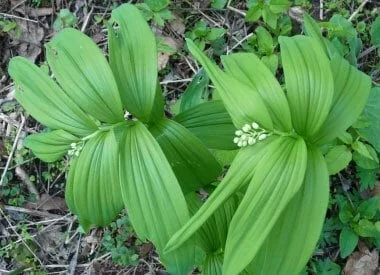
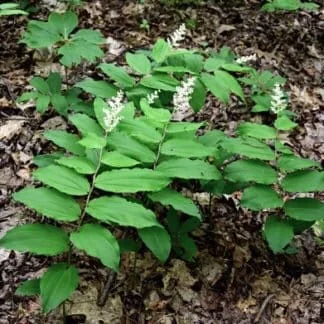
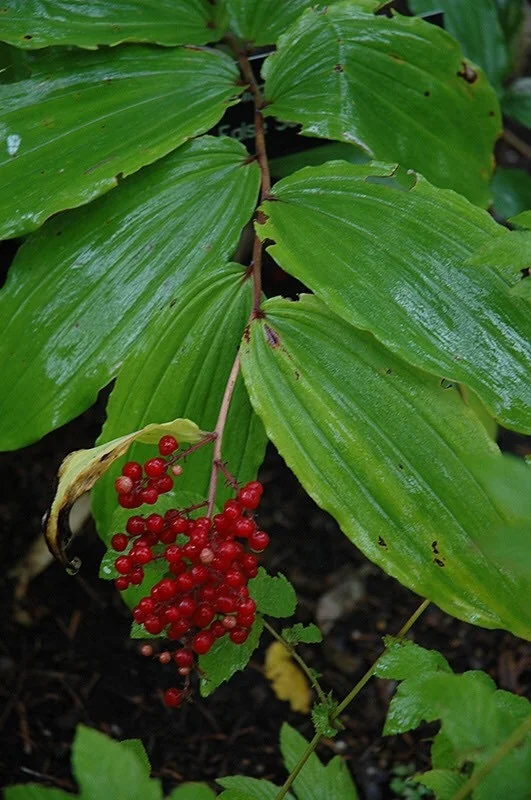
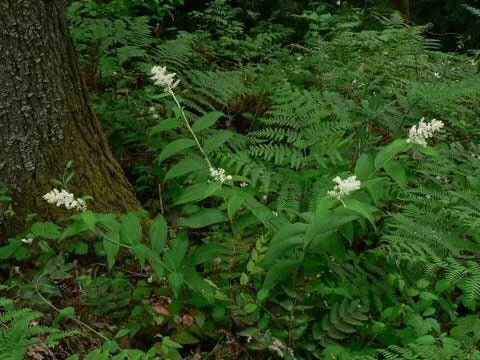
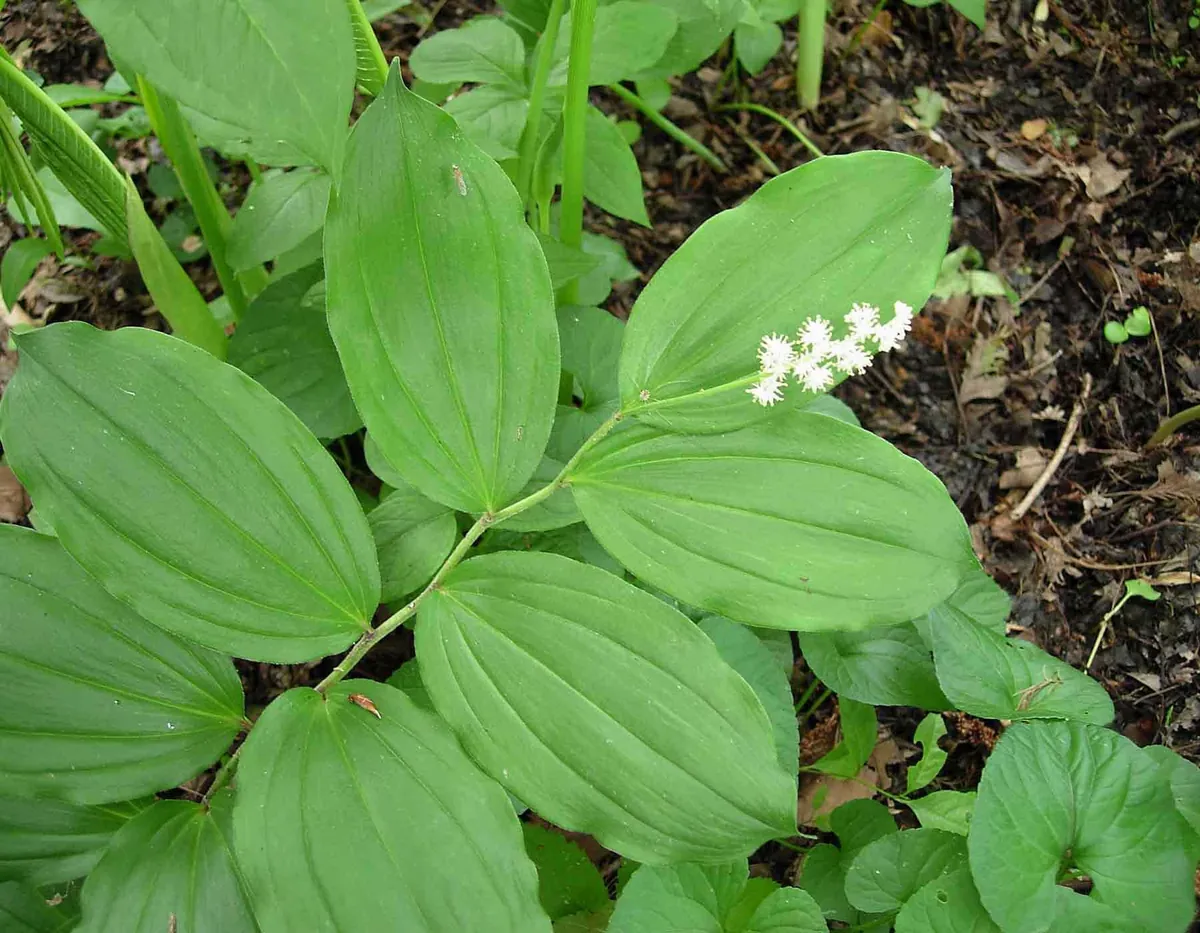
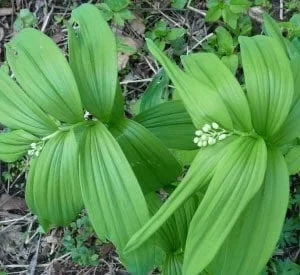
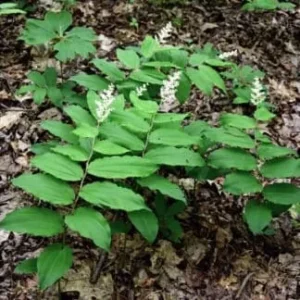
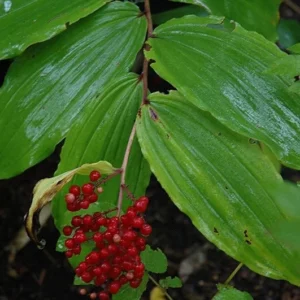
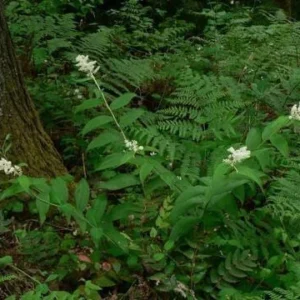
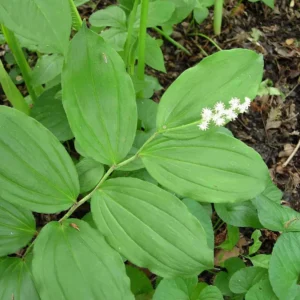
Transform your garden into a serene woodland retreat with our pack of 3 False Solomon’s Seal bare root plants. These exquisite perennial wildflowers, scientifically known as Maianthemum racemosum, are organically grown and shipped as vigorous bare roots, ready to establish quickly in your landscape. False Solomon’s Seal is renowned for its arching stems adorned with attractive, lance-shaped leaves and terminal clusters of fragrant, creamy-white flowers in late spring to early summer. Following the blooms, vibrant red berries develop, providing seasonal interest and a food source for local wildlife. This plant is a fantastic choice for gardeners seeking resilient, native organic wildflowers that thrive in shaded or partially shaded areas, adding elegance and ecological value to their outdoor spaces. Discover the joy of growing false solomon’s seal bare root and watch your garden come alive with its understated charm.
Key Benefits
Cultivating false solomon’s seal bare root plants offers numerous advantages for both the gardener and the environment. Their natural beauty and resilience make them a superb choice for various garden settings.
- Aesthetic Appeal: False Solomon’s Seal provides year-round visual interest with its graceful arching stems, lush green foliage, delicate white flowers, and striking red berries. It creates a beautiful, naturalistic look in woodland gardens or shaded borders.
- Low Maintenance: Once established, these organic wildflowers require minimal care, making them ideal for busy gardeners. They are drought-tolerant and pest-resistant, reducing the need for constant attention.
- Pollinator Friendly: The fragrant white flowers attract a variety of pollinators, including bees and butterflies, contributing to a healthy garden ecosystem. The berries are also a valuable food source for birds.
- Shade Tolerance: Unlike many flowering plants, False Solomon’s Seal thrives in partial to full shade, making it a perfect solution for illuminating darker areas of your garden where other plants struggle.
- Native Wildflower: As a native species, it is well-adapted to local conditions, promoting biodiversity and requiring fewer resources to flourish. It integrates seamlessly into naturalized landscapes.
- Erosion Control: Its spreading root system can help stabilize soil on slopes or in areas prone to erosion, making it a functional and beautiful groundcover.
- Seasonal Interest: From spring foliage to summer blooms and autumn berries, false solomon’s seal bare root provides continuous interest across multiple seasons, ensuring your garden remains vibrant.
Plant Care & Growing Tips
Growing false solomon’s seal is a rewarding experience, especially when provided with the right conditions. These adaptable plants prefer a site with partial to full shade. While they can tolerate some morning sun, protection from intense afternoon sun is crucial to prevent leaf scorch. They thrive in rich, moist, well-draining soil that mimics their natural woodland habitat. Incorporating organic matter like compost or leaf mold into the soil before planting will significantly benefit their growth and establishment. Aim for a soil pH between 5.5 and 7.0, which is slightly acidic to neutral.
Watering should be consistent, especially during dry spells and in their first year of establishment. The soil should remain evenly moist but never waterlogged, as this can lead to root rot. Once mature, False Solomon’s Seal becomes more drought-tolerant, but supplemental watering during prolonged dry periods will encourage healthier growth and more abundant berries. Fertilization is generally not necessary in rich garden soil, but a light application of a balanced, slow-release organic fertilizer in spring can boost vigor, particularly in poorer soils. These plants are hardy in USDA Zones 3-8, tolerating a wide range of climates. Pests and diseases are rarely an issue, making false solomon’s seal plant care relatively straightforward. Division can be done in early spring or fall if the clumps become too dense or you wish to propagate more plants.
Size & Details
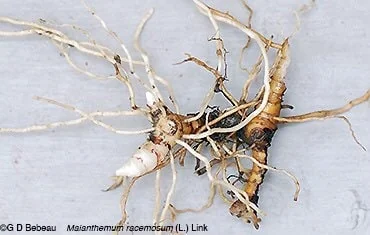
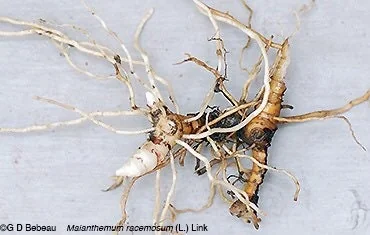
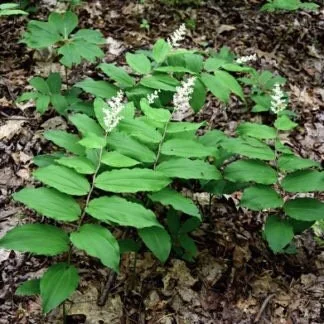
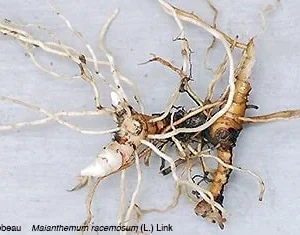
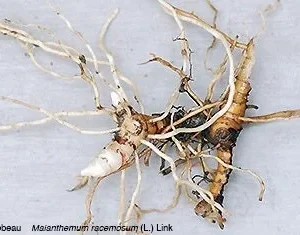
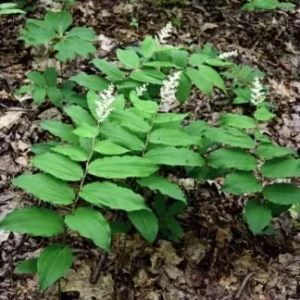
Each order includes 3 False Solomon’s Seal bare root plants, carefully harvested to ensure viability upon arrival. These bare roots are dormant and will begin to sprout new growth as temperatures warm. False Solomon’s Seal typically grows to a height of 2-3 feet (60-90 cm) and spreads similarly, forming attractive clumps over time. The growth rate is moderate, establishing well within the first season and reaching mature size within 2-3 years. Shipped without foliage or pots, these bare roots are lightweight and easy to plant directly into your garden. They are well-suited for mass plantings, woodland gardens, or as an understory plant in shaded borders. Expect beautiful white flowers to appear in late spring to early summer, followed by distinctive red berries in late summer and fall, adding a splash of color to your landscape.
Frequently Asked Questions
- Q: How big does this plant get? A: False Solomon’s Seal typically grows to a height of 2 to 3 feet (60-90 cm) and can spread similarly, forming a lovely clump over time.
- Q: Is this an indoor or outdoor plant? A: This is an outdoor perennial plant, best suited for gardens, woodland settings, and shaded borders. It is not recommended for indoor cultivation.
- Q: How much sunlight does it need? A: False Solomon’s Seal bare root thrives in partial to full shade. It should be protected from intense afternoon sun to prevent leaf scorch.
- Q: What condition will it arrive in? A: You will receive 3 False Solomon’s Seal bare root plants, dormant and ready for planting. They are shipped without foliage or pots to ensure healthy transit.
- Q: Is it good for beginners? A: Yes, False Solomon’s Seal is a relatively easy-care plant, making it a great choice for beginner gardeners looking to add native wildflowers to their shade gardens.
- Q: When is the best time to plant? A: Bare root False Solomon’s Seal is best planted in early spring or fall when the plants are dormant.
- Q: Will it survive winter in my zone? A: False Solomon’s Seal is hardy in USDA Zones 3-8, meaning it is well-equipped to survive winter in a wide range of temperate climates.
- Q: What kind of soil does it prefer? A: It prefers rich, moist, well-draining soil with plenty of organic matter, mimicking its natural woodland habitat.
- Q: Are the berries edible? A: The berries of False Solomon’s Seal are generally considered mildly toxic to humans if ingested in large quantities, though they are a food source for birds.
- Q: How long until it blooms? A: Once established, False Solomon’s Seal typically blooms in late spring to early summer, usually within the first year or two after planting.


Reviews
There are no reviews yet.