Overview
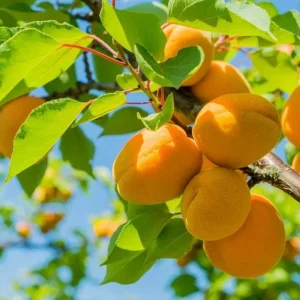
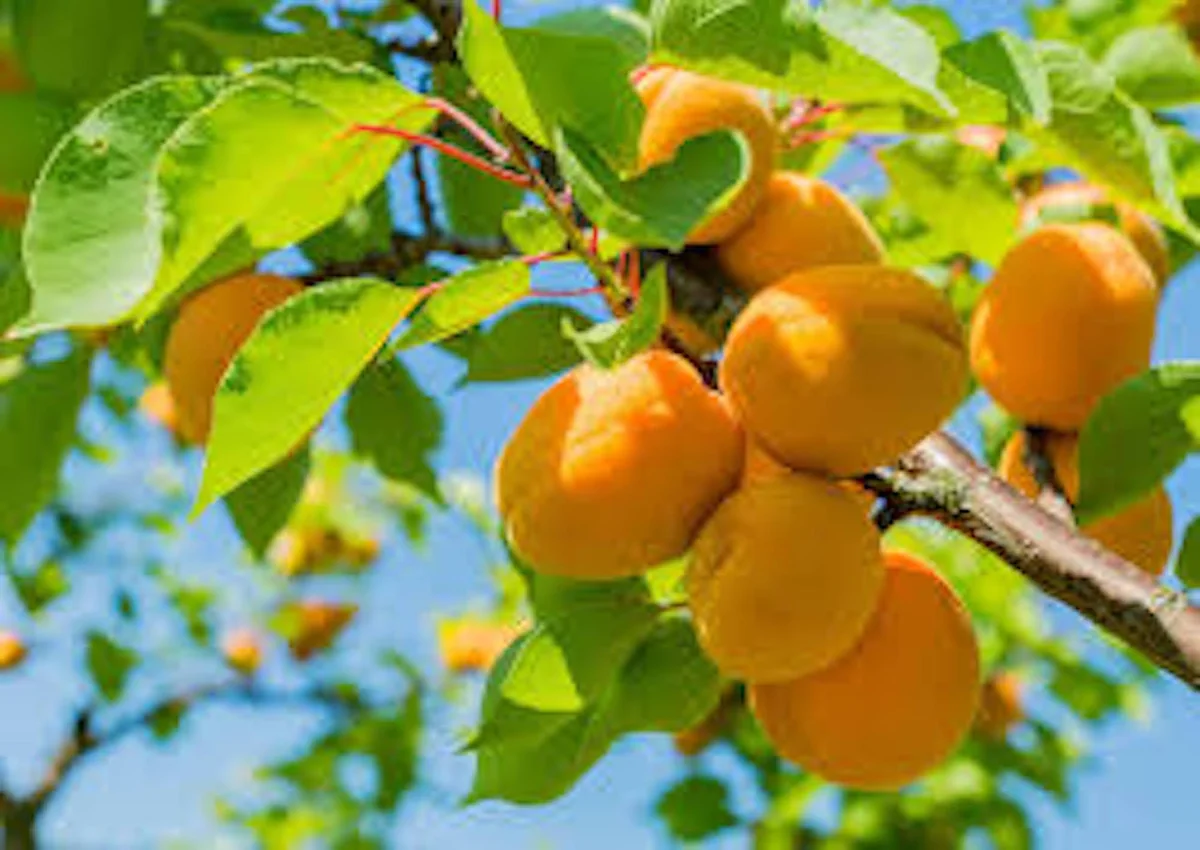
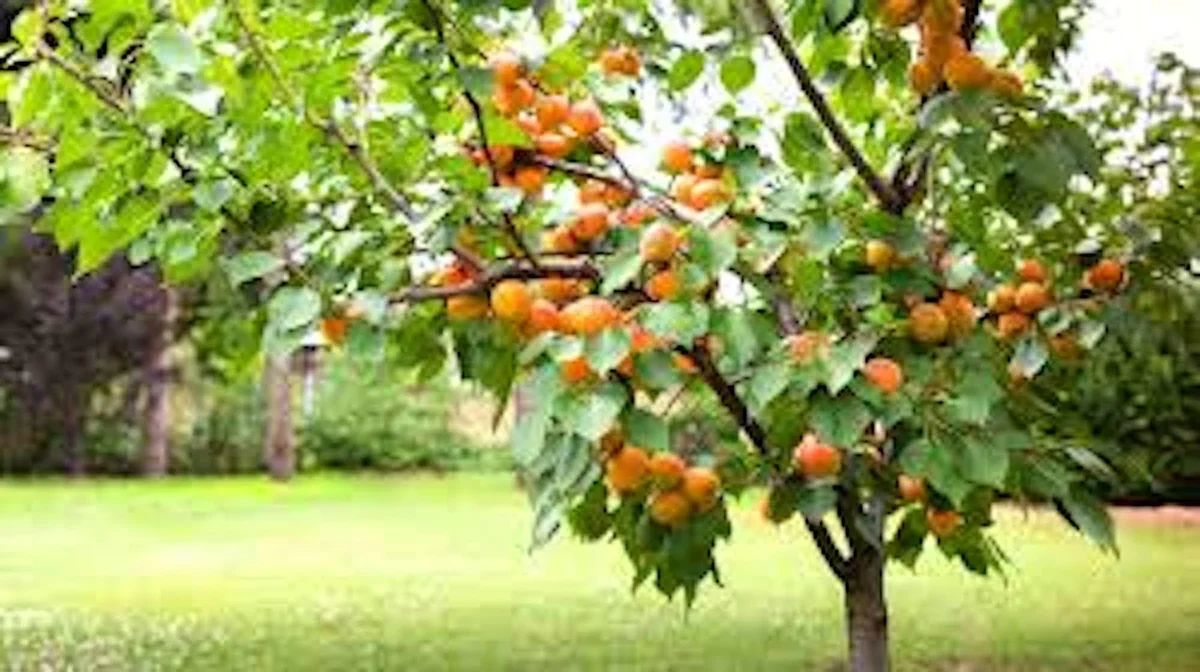
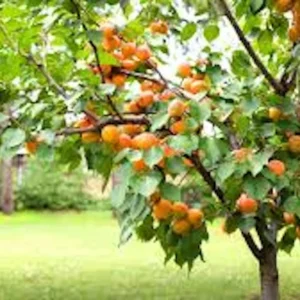
Embark on a rewarding gardening journey with our apricot tree starter plant set. This offering includes three robust Prunus armeniaca specimens, ready to establish themselves in your garden. The apricot tree, scientifically known as Prunus armeniaca, is a cherished deciduous tree celebrated for its stunning white or pink flowers that herald the arrival of spring, followed by its succulent yellow-orange fruit. These starter plants provide an excellent foundation for establishing your own productive apricot orchard, bringing both ornamental beauty and a bountiful harvest to your outdoor space. Growing your own apricots allows for a fresh, organic supply of this beloved fruit, perfect for eating fresh, baking, or preserving. Our bare root apricot tree plants are carefully prepared for shipping, ensuring they arrive in optimal condition for successful planting and growth.
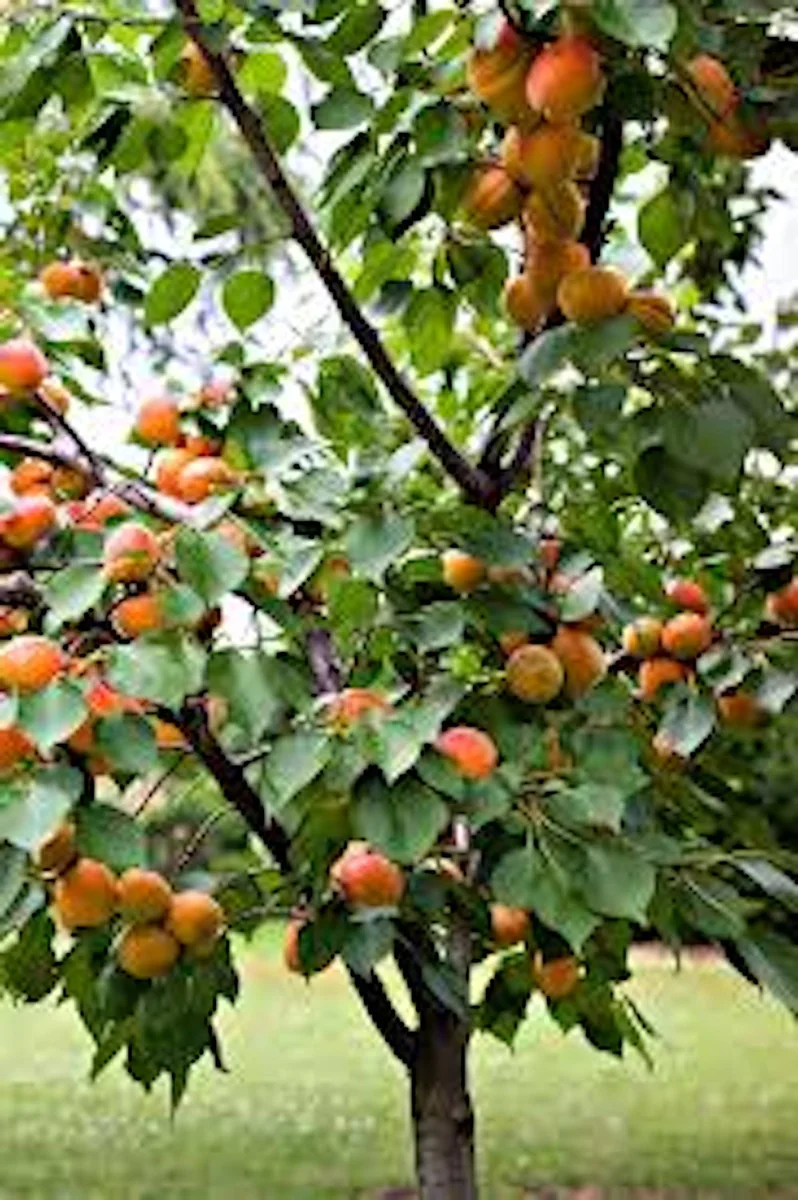
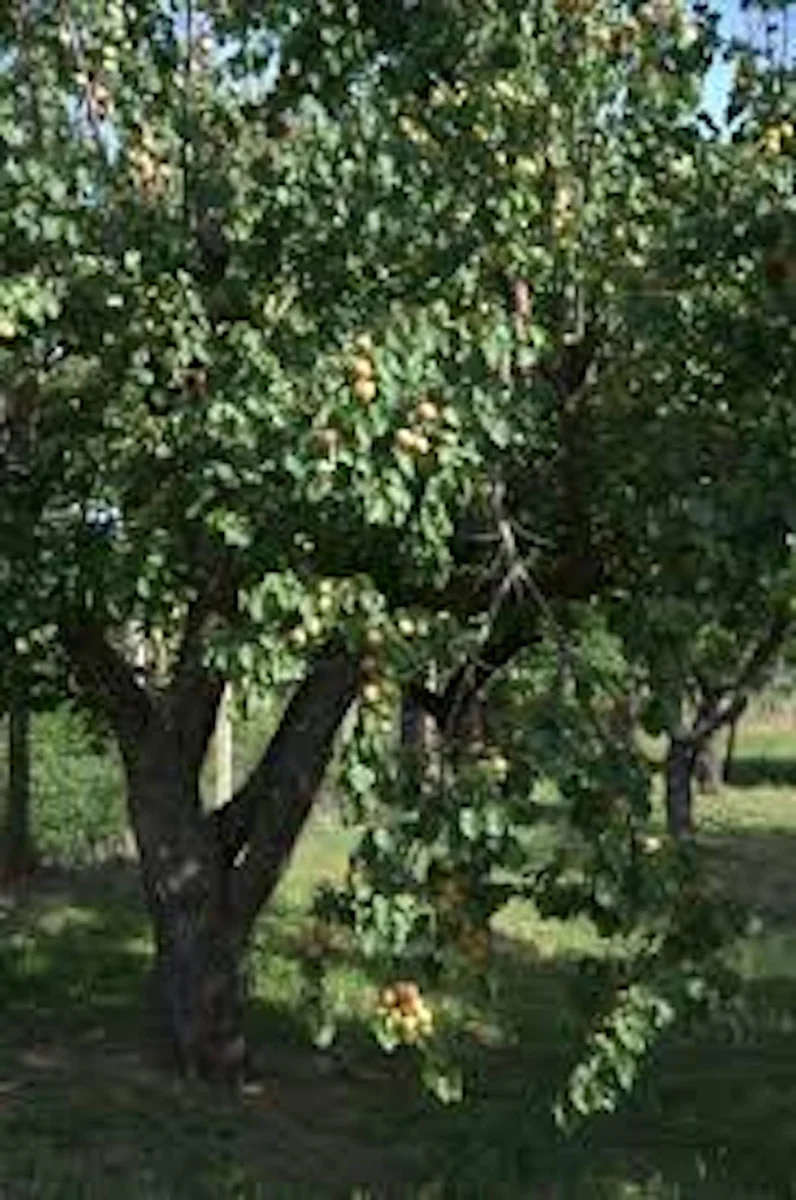
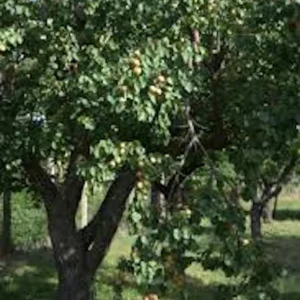
Each apricot tree starter plant is a young, vigorous specimen, poised to grow into a mature, fruit-bearing tree. Apricot trees are relatively small, typically reaching heights of 15-40 feet with a spreading canopy, making them suitable for various garden sizes. Their oval-shaped, pointed leaves with serrated edges and reddish stems add to their aesthetic appeal throughout the growing season. With proper care and attention, these starter plants will quickly mature, providing years of enjoyment and delicious homegrown fruit. For those interested in growing apricot trees, these starter plants offer a convenient and cost-effective way to begin.
Key Benefits
Adding an apricot tree starter plant to your garden offers numerous advantages, from aesthetic appeal to culinary delights. These trees are not only productive but also contribute significantly to the beauty and biodiversity of your landscape.
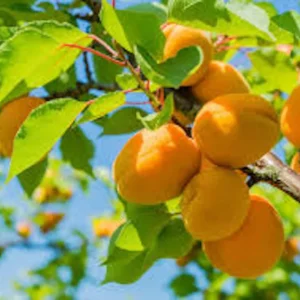
- Delicious Homegrown Fruit: Enjoy a fresh supply of sweet, juicy yellow-orange apricots directly from your garden. Homegrown fruit often surpasses store-bought varieties in flavor and freshness, and you control the growing conditions.
- Beautiful Spring Blooms: Witness a spectacular display of white or pink blossoms in early spring, an early indicator of warmer weather and a magnet for pollinators. These flowers create a stunning visual focal point in your garden.
- Ornamental Value: Beyond its fruit, the Prunus armeniaca tree itself is an attractive addition to any landscape, with its elegant form, spreading canopy, and interesting foliage. It provides shade and visual interest throughout the seasons.
- Attracts Pollinators: The early spring flowers are crucial for local bee populations and other beneficial insects, supporting a healthy ecosystem in your garden. This contributes to overall garden health and productivity.
- Relatively Compact Size: As a relatively small fruit tree, the apricot tree fits well into many garden designs, even those with limited space. It typically reaches a manageable height of 15-40 feet, making harvesting easier than with larger fruit trees.
- Rewarding Gardening Experience: The process of nurturing a bare root apricot tree from a starter plant to a fruit-bearing tree is incredibly satisfying and educational. It connects you with nature and the joy of producing your own food.
- Hardy and Adaptable: With proper siting and care, these hardy fruit trees can thrive in a range of climates, offering resilience and consistent production. Understanding Prunus armeniaca care is key to this adaptability.
Plant Care & Growing Tips
Successful cultivation of your apricot tree starter plant begins with understanding its specific needs. Apricot trees are generally hardy, but providing optimal conditions will ensure robust growth and abundant fruit production. When considering growing apricot trees, attention to detail in these areas will yield the best results.
Sunlight Requirements: Apricot trees thrive in full sun, requiring at least 6-8 hours of direct sunlight per day. Choose a planting location that receives ample morning sun, which helps to dry dew from the leaves and reduce the risk of fungal diseases. Good air circulation around the tree is also beneficial. Proper sunlight is crucial for fruit development and ripening, ensuring sweet and flavorful apricots. Without sufficient light, fruit production may be sparse and the quality reduced.
Watering Schedule and Soil Moisture: During their first few years, young apricot tree starter plant specimens require consistent moisture to establish a strong root system. Water deeply once or twice a week, especially during dry periods, ensuring the soil is moist but not waterlogged. Once established, apricot trees are moderately drought-tolerant but will benefit from supplemental watering during prolonged dry spells, particularly when fruit is developing. Overwatering can lead to root rot, so ensure good drainage. Monitoring soil moisture regularly by feeling a few inches down will help you determine the best watering frequency.
Soil Type and Drainage Requirements: Apricot trees prefer well-draining, fertile loamy soil with a pH between 6.0 and 7.0. Heavy clay soils that retain too much water can lead to root problems. If your soil is heavy clay, amend it with organic matter like compost to improve drainage and aeration. For sandy soils, organic matter will help improve water retention. Good drainage is paramount for the health of your Prunus armeniaca, preventing standing water around the roots. When planting your bare root apricot tree, prepare a wide hole and backfill with a mix of native soil and compost to give it the best start.
Temperature Range and USDA Hardiness Zone: Apricot trees are relatively cold-hardy but require specific chilling hours (a period of cold temperatures below 45°F or 7°C) to set fruit. Most varieties are suitable for USDA Hardiness Zones 5-8, though some newer cultivars can tolerate Zone 4 or 9. They are susceptible to late spring frosts, which can damage flowers and young fruit, so choose a planting site that offers some protection from cold winds if possible. Understanding apricot tree starter plant cold tolerance is essential for success.
Fertilization Schedule and Type: Fertilize your apricot tree starter plant annually in early spring before new growth begins. Use a balanced slow-release fertilizer or a fruit tree specific formula. Avoid over-fertilizing, especially with high nitrogen fertilizers, as this can promote excessive leafy growth at the expense of fruit production. For young trees, a lighter application is sufficient. As the tree matures, adjust fertilizer amounts based on soil test results and tree vigor. Compost can also be incorporated into the soil around the base of the tree to provide a slow release of nutrients.
Common Problems and Solutions: Apricot trees can be susceptible to pests like aphids, peach tree borers, and diseases such as brown rot and bacterial canker. Regular inspection of your Prunus armeniaca for signs of pests or disease is crucial for early intervention. Good sanitation practices, such as removing fallen fruit and diseased branches, help prevent disease spread. Pruning for good air circulation also reduces disease risk. If problems arise, consult local extension services for recommended organic or chemical treatments for your specific region and issue. Proper Prunus armeniaca care helps prevent many common issues.
Size & Details
This offering includes 3 apricot tree starter plants, each a vigorous young specimen ready for planting. These are typically shipped as bare root apricot tree plants, meaning they arrive without soil around their roots, which is a common and effective method for shipping dormant fruit trees. Upon arrival, it’s important to plant them promptly to ensure successful establishment. The exact size of the bare root plants can vary but they are generally young trees, often 1-2 feet in height, with a well-developed root system ready to take hold in your garden.
Once planted, these apricot tree starter plant trees will begin to grow, typically reaching a mature height of 15-40 feet with a spreading canopy of similar width, depending on the variety and pruning practices. Expect to see initial growth in the first season, with fruit production usually beginning within 3-5 years after planting. The growth rate is moderate, allowing the tree to establish itself well. These hardy fruit trees are designed to provide a lifetime of delicious fruit with proper care and attention, making growing apricot trees a truly rewarding endeavor.
Frequently Asked Questions
- Q: How big does this apricot tree starter plant get? A: Apricot trees are relatively small fruit trees, typically reaching a mature height of 15-40 feet with a spreading canopy. The final size can depend on the specific variety and how it is pruned.
- Q: What condition will the bare root apricot tree arrive in? A: Your apricot trees will arrive as bare root plants, meaning they are dormant and shipped without soil around their roots. This is a standard and effective method for shipping fruit trees, ensuring they are ready for planting upon arrival.
- Q: Is this an indoor or outdoor plant? A: The Prunus armeniaca is an outdoor fruit tree. It requires specific chilling hours and ample sunlight to produce fruit and thrive, making it unsuitable for indoor cultivation.
- Q: How much sunlight does the apricot tree starter plant need? A: Apricot trees require full sun, meaning at least 6-8 hours of direct sunlight per day. This is crucial for both healthy growth and abundant fruit production.
- Q: Is this tree easy to care for? A: While apricot trees require consistent care, especially during their establishment phase, they are considered moderately easy to care for once mature. Understanding Prunus armeniaca care is key to success.
- Q: When is the best time to plant a bare root apricot tree? A: The best time to plant bare root apricot trees is in early spring, as soon as the soil can be worked and after the danger of severe frost has passed. This allows the tree to establish its root system before the heat of summer.
- Q: How long until it produces fruit? A: Typically, an apricot tree starter plant will begin to bear fruit within 3-5 years after planting, depending on growing conditions and variety.
- Q: Will it survive winter in my zone? A: Most apricot varieties are hardy in USDA Zones 5-8, with some tolerating Zone 4 or 9. Ensure you choose a variety suitable for your specific hardiness zone to ensure winter survival and fruit production. These are considered hardy fruit trees.
- Q: How do I ensure my apricot tree starter plant gets good drainage? A: To ensure good drainage, plant your apricot tree in well-draining, loamy soil. If your soil is heavy clay, amend it with plenty of organic matter like compost to improve its structure. Avoid planting in areas where water tends to collect.
- Q: What are the main benefits of growing apricot trees at home? A: The main benefits include enjoying fresh, delicious fruit, the beauty of spring blossoms, attracting pollinators to your garden, and the satisfaction of growing your own food.


Reviews
There are no reviews yet.