Overview
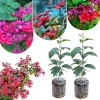
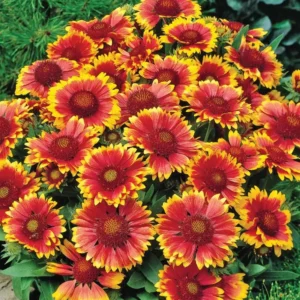
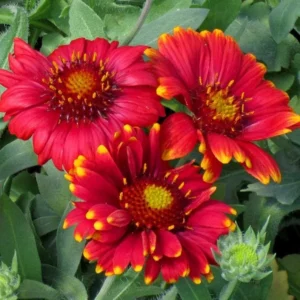
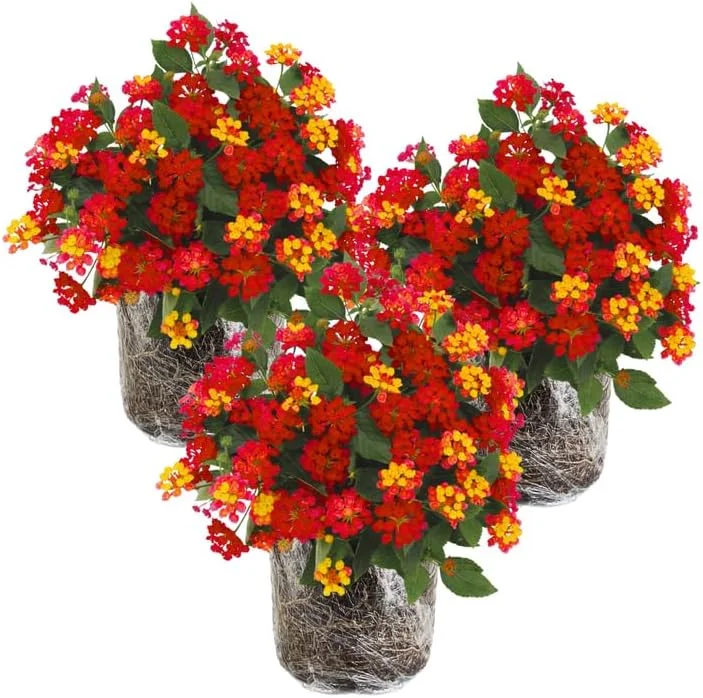
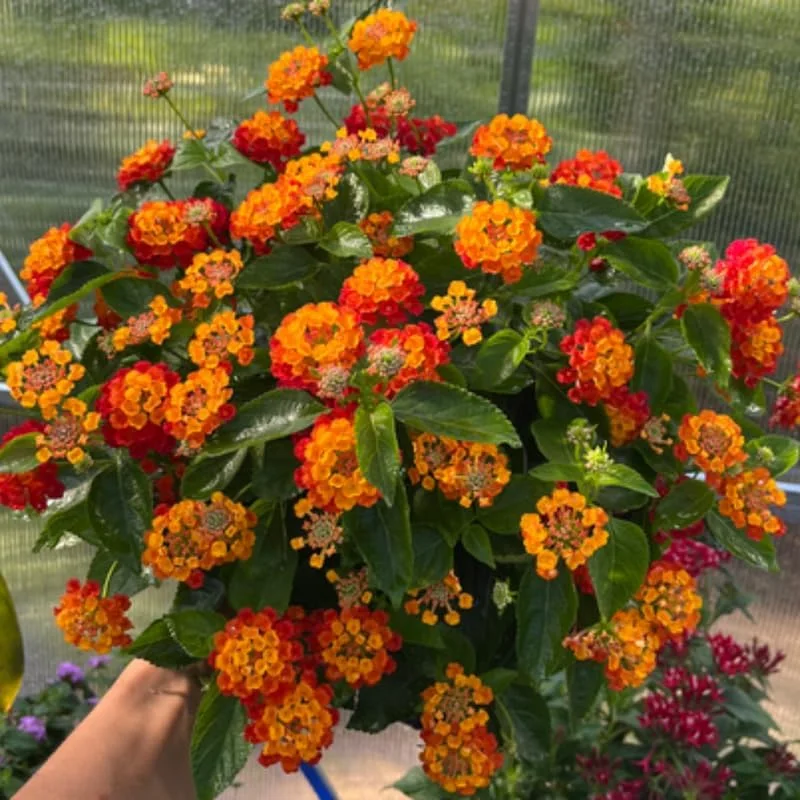
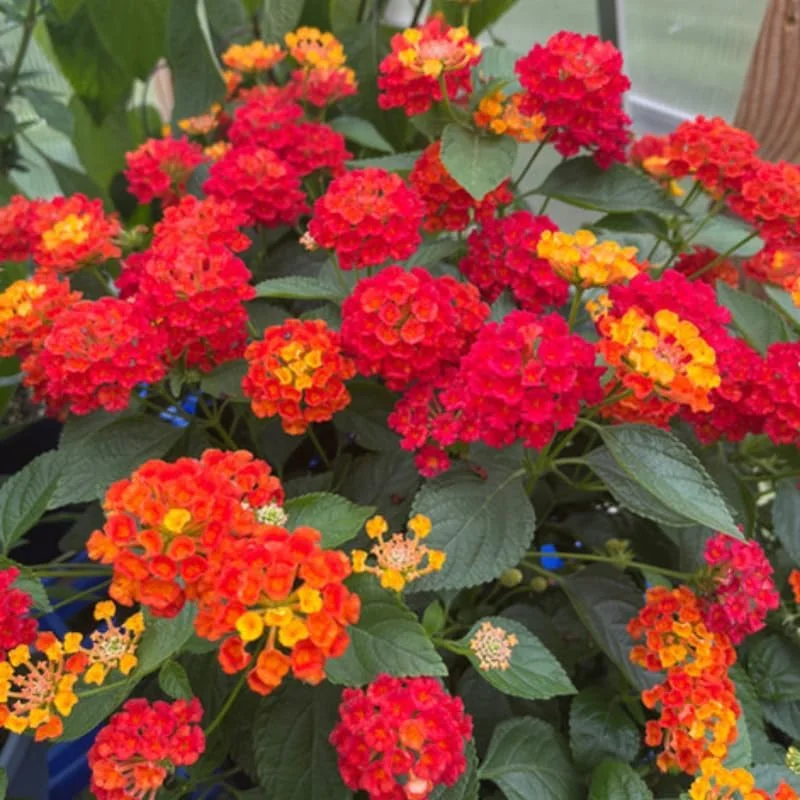
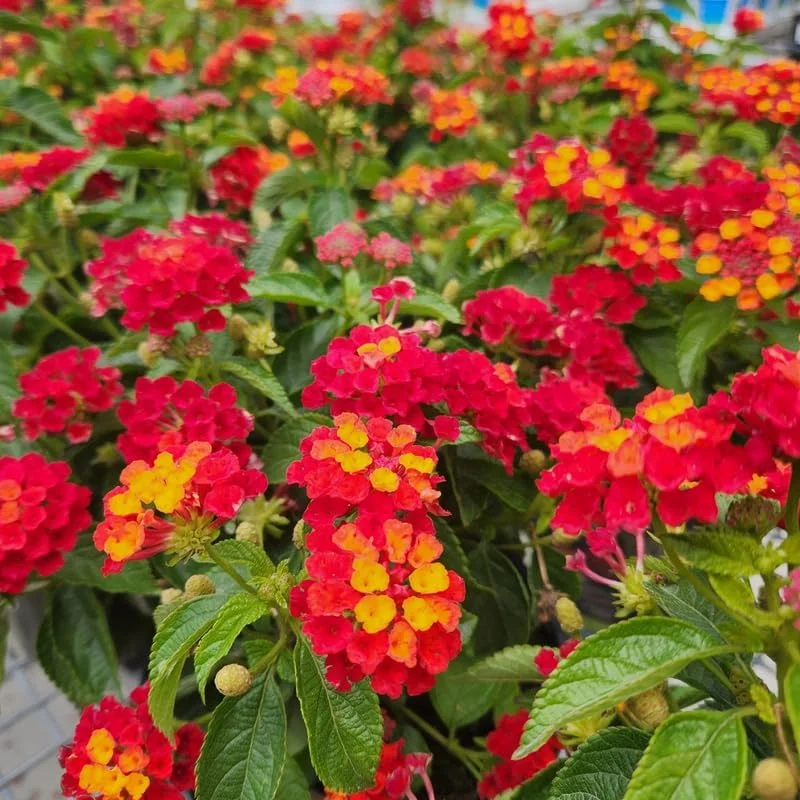
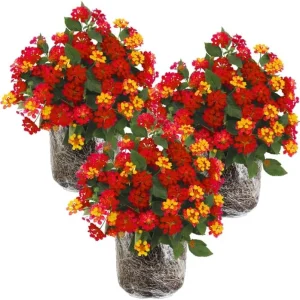
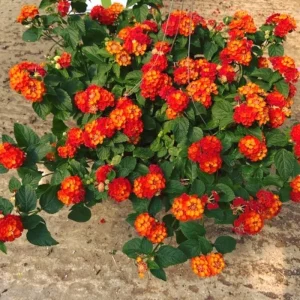
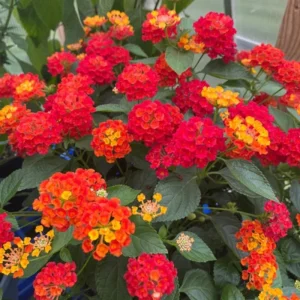
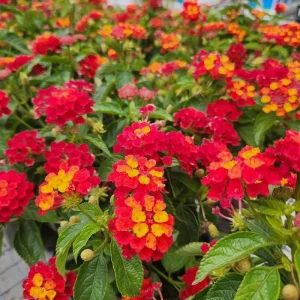
Transform your outdoor space with this stunning set of lantana plants live. These vibrant flowering shrubs are renowned for their continuous blooms and ability to attract butterflies and hummingbirds, making them a fantastic addition to any garden or patio. You will receive three healthy plants, each measuring 4-7 inches tall, well-rooted and ready to establish in their new home. Lantana, scientifically known as Lantana camara, is a popular choice for its hardiness, drought tolerance, and kaleidoscope of colors. The specific variety offered here features beautiful yellow and red blooms, creating a striking visual impact. Whether you’re looking to fill a flower bed, create a colorful border, or add a pop of color to containers, these yellow red lantana plants are an excellent choice for gardeners seeking low-maintenance yet high-impact flora.
Often grown as a perennial in warmer climates and an annual in cooler regions, perennial lantana provides season-long interest. Its clusters of small, tubular flowers form dense, rounded heads, constantly renewing themselves throughout the growing season. This plant is celebrated not only for its aesthetic appeal but also for its resilience, thriving in conditions where many other plants might struggle. These compact plants are perfect for adding vibrant texture and attracting beneficial insects, contributing to a healthy and lively garden ecosystem. Get ready to enjoy an explosion of color with these easy-to-grow, beautiful lantana plants.
Key Benefits
Investing in lantana plants live for your garden brings a multitude of advantages, from aesthetic appeal to ecological benefits. These plants are designed to thrive and provide continuous beauty with minimal fuss.
- Vibrant, Long-Lasting Blooms: Enjoy a spectacular display of yellow and red flowers from spring until frost. The continuous blooming habit ensures your garden remains colorful and lively throughout the growing season, making them truly colorful garden flowers.
- Attracts Pollinators: Lantana flowers are a magnet for local wildlife, including butterflies, hummingbirds, and bees. This helps support local ecosystems and enhances the biodiversity of your garden.
- Drought Tolerant & Low Maintenance: Once established, these plants require minimal watering and care, making them an ideal choice for busy gardeners or those in drier climates. This makes perennial lantana a very forgiving plant.
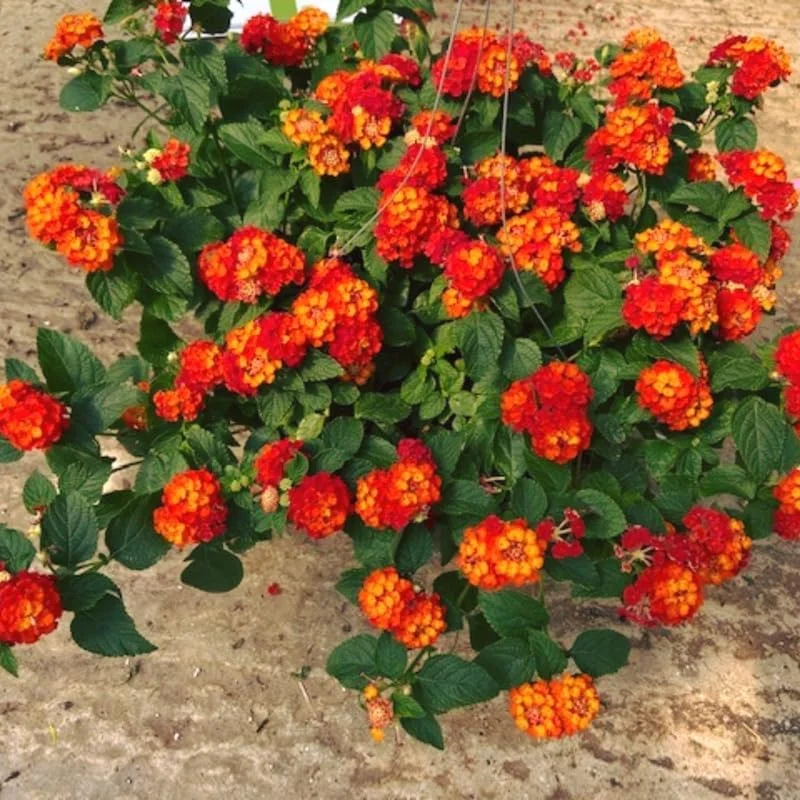
- Versatile Landscaping: Perfect for garden beds, borders, containers, hanging baskets, or as ground cover. Their compact size and spreading habit allow for flexible use in various garden designs.
- Heat & Humidity Resistant: These plants thrive in hot and humid conditions, maintaining their vigor and bloom production even during the peak of summer, showcasing the resilience of yellow red lantana.
- Deer Resistant: Lantana is generally ignored by deer, offering peace of mind for gardeners in areas prone to deer browsing.
- Hardy in Warm Zones: Performs well as a perennial in USDA Zones 8-11, returning year after year to grace your garden with its beauty.
Plant Care & Growing Tips
Caring for your lantana plants live is straightforward, making them an excellent choice for both novice and experienced gardeners. These plants are known for their resilience and ability to thrive with minimal intervention, especially when given the right conditions from the start. To ensure your yellow red lantana flourishes, understanding its basic needs is key.
Sunlight Requirements: Lantana absolutely loves the sun. For the best flowering performance, plant your lantana in a location that receives full sun, meaning at least six to eight hours of direct sunlight per day. While it can tolerate partial shade, flowering will be significantly reduced, and the plant may become leggy. In extremely hot climates, some afternoon shade can be beneficial to prevent scorching, but generally, more sun equals more blooms for your colorful garden flowers.
Watering Schedule & Soil Moisture: Once established, lantana is remarkably drought-tolerant. Water newly planted lantana regularly until it shows signs of new growth, typically for the first few weeks. After that, deep watering once a week during dry periods is usually sufficient. Allow the soil to dry out completely between waterings to prevent root rot. Overwatering is a common mistake that can harm lantana, so err on the side of underwatering rather than overwatering. This is crucial for maintaining a healthy perennial lantana.
Soil Type & Drainage: Lantana is not particularly fussy about soil type but thrives best in well-draining soil. It can tolerate a range of soil pH levels, from slightly acidic to slightly alkaline. If your soil is heavy clay, amending it with organic matter like compost or sand will improve drainage. Good drainage is paramount to prevent waterlogging, which can lead to fungal diseases and root issues. A general-purpose potting mix works well for container-grown plants.
Temperature Range & USDA Hardiness Zone: Lantana is a tropical plant, performing as a perennial in USDA Hardiness Zones 8-11. In these zones, it will typically die back to the ground in winter and re-emerge in spring. In colder zones (7 and below), it is usually grown as an annual or can be brought indoors for winter protection. It thrives in warm temperatures and tolerates heat and humidity exceptionally well. Protect from frost, as cold temperatures can damage or kill the plant.
Fertilization: Lantana is not a heavy feeder. For in-ground plants, a light application of a balanced, slow-release fertilizer in early spring is usually sufficient. For container-grown lantana, a liquid fertilizer applied every 4-6 weeks during the growing season can encourage continuous blooming. Avoid over-fertilizing, as this can lead to more foliage production at the expense of flowers.
Pruning: Pruning is beneficial for maintaining a compact shape and encouraging more blooms. Lightly prune your lantana in early spring to remove any dead or leggy growth and to shape the plant. Deadheading (removing spent flowers) is not strictly necessary as many varieties are self-cleaning, but it can encourage a tidier appearance and potentially more blooms.
Size & Details
This offering includes three individual lantana plants live, each carefully grown to ensure a strong start in your garden. Upon arrival, each plant will measure between 4 to 7 inches in height, providing a robust foundation for rapid growth. These are young, well-rooted plants, ideal for transplanting directly into your garden beds, borders, or decorative containers. With proper care and optimal growing conditions, these yellow red lantana plants can grow to a mature size of up to 2 feet tall and spread equally wide, creating a dense, bushy display of colorful garden flowers. The growth rate is moderate to fast, allowing you to enjoy a substantial presence in your landscape within the first growing season.
Each plant is shipped in a nursery pot with soil, ensuring minimal transplant shock and providing the necessary nutrients for its journey. While they are ready to grow upon arrival, giving them a good watering and immediate planting will help them establish quickly. Expect your perennial lantana to begin flowering profusely once settled into its new environment, typically within a few weeks, continuing to produce its vibrant blooms throughout the warmer months. These plants are hardy and resilient, designed to provide long-lasting beauty with their spectacular floral show.
Frequently Asked Questions
- Q: How big do these 3 lantana plants get? A: Each of these lantana plants live will arrive 4-7 inches tall. With optimal conditions, they can mature to approximately 2 feet tall and spread up to 2 feet wide, forming a beautiful, bushy plant.
- Q: Is this an indoor or outdoor plant? A: Lantana is primarily an outdoor plant. It thrives in full sun and warm temperatures. In USDA Zones 8-11, it can be grown as a perennial lantana; in colder zones, it is typically grown as an annual or can be overwintered indoors.
- Q: How much sunlight does this yellow red lantana need? A: For the best blooming performance, your yellow red lantana requires full sun, meaning at least 6-8 hours of direct sunlight per day. Less sun will result in fewer flowers.
- Q: Is this plant easy to care for? A: Yes, lantana is known for being very easy to care for and is an excellent choice for beginners. It’s drought-tolerant once established and requires minimal maintenance, making it a low-hassle option for colorful garden flowers.
- Q: What condition will the plants arrive in? A: Your lantana plants live will arrive well-rooted in nursery pots with soil, carefully packaged to ensure they are healthy and ready for planting. We recommend planting them as soon as possible after arrival.
- Q: When is the best time to plant lantana? A: The best time to plant lantana is in spring after all danger of frost has passed. This allows the plants ample time to establish before the peak summer heat.
- Q: Will it survive winter in my zone? A: If you are in USDA Zones 8-11, your perennial lantana should survive the winter and return in spring. In colder zones, it will likely need to be treated as an annual or brought indoors before the first frost.
- Q: What type of soil is best for lantana? A: Lantana prefers well-draining soil. It is not particular about soil type but good drainage is crucial to prevent root rot. Amending heavy clay soils with compost will help.
- Q: Do these plants attract pollinators? A: Absolutely! The vibrant blooms of yellow red lantana are highly attractive to butterflies, hummingbirds, and bees, making them a fantastic addition for supporting local pollinator populations.
- Q: Do I need to deadhead the spent flowers? A: Many modern lantana varieties are self-cleaning, meaning they don’t require deadheading to continue blooming. However, removing spent flowers can encourage a tidier appearance and potentially stimulate even more blooms.


Reviews
There are no reviews yet.