

Overview
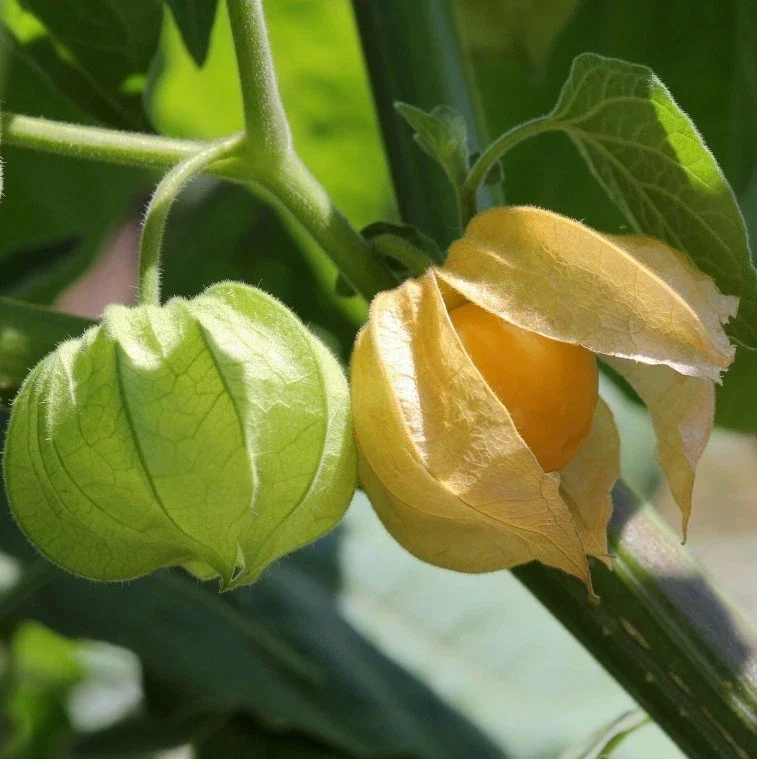
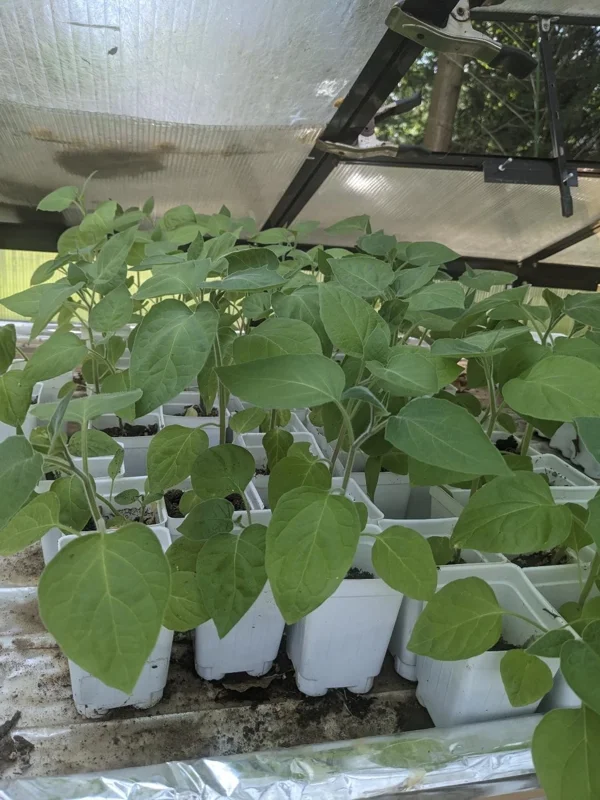
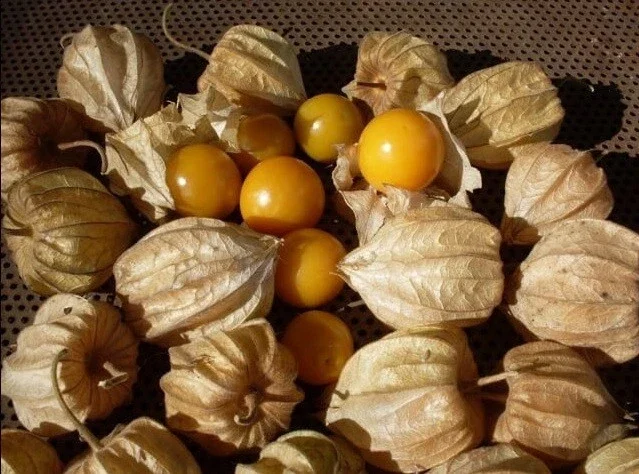
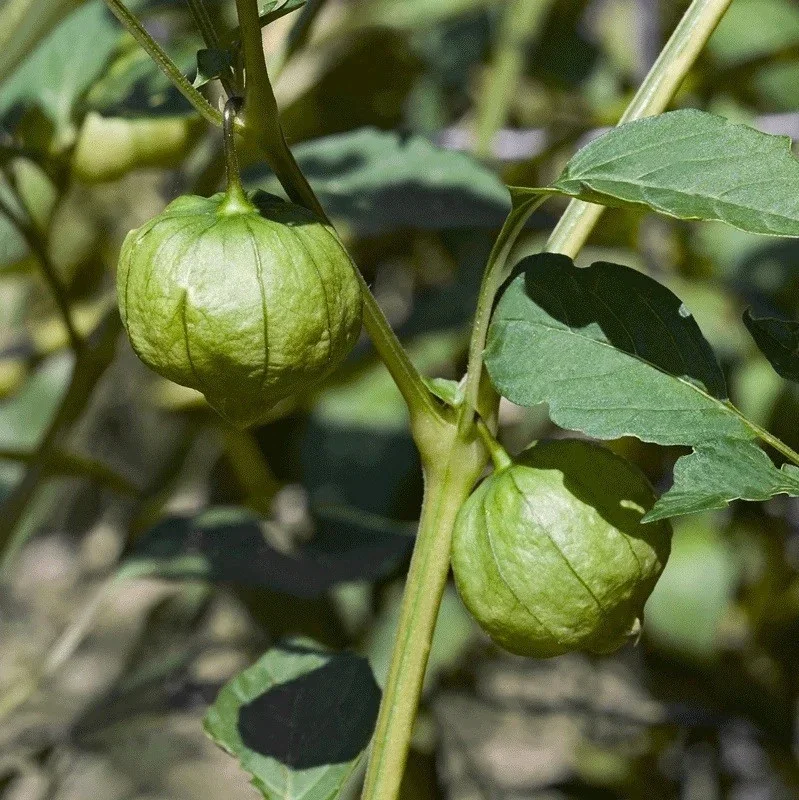
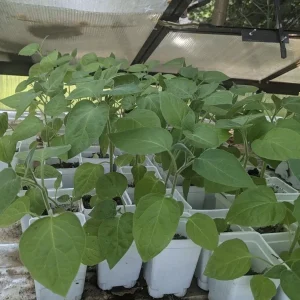
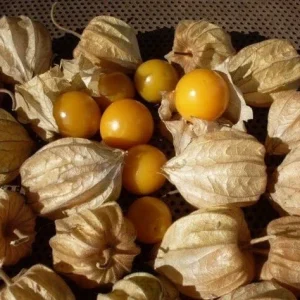
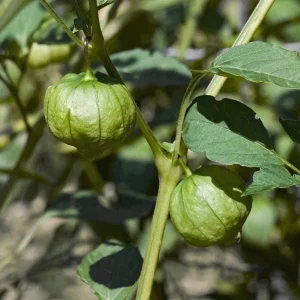
Bring the joy of home gardening to your space with this offering of ground cherry live plant seedlings. You will receive three healthy, vibrant plants, each measuring between 6 and 10 inches tall, ready to be transplanted into your garden or larger containers. Ground cherries, scientifically known as Physalis peruviana, are also commonly referred to as Cape Gooseberry, Husk Cherry, or Goldenberry. These delightful plants are cherished for their unique, sweet-tart fruits encased in a papery husk, resembling miniature tomatillos. They are a fantastic addition for both seasoned gardeners and beginners looking to grow something distinctive and delicious. These versatile plants can flourish in a variety of settings, providing a bountiful harvest of these sought-after superfood berries.
Our cape gooseberry seedlings are carefully nurtured to ensure they arrive in prime condition, ready to establish quickly. The ease of growing ground cherries makes them an attractive option for edible landscaping or container gardening. Their golden-orange fruits are not only tasty but also packed with nutrients, making them a true garden treasure. Prepare to enjoy fresh ground cherries straight from your plant, or incorporate them into your favorite recipes for a gourmet touch.
Key Benefits
Growing your own ground cherries offers a multitude of rewards, from fresh, healthy produce to the satisfaction of nurturing plants. These ground cherry live plant specimens provide continuous enjoyment and a healthful harvest.
- Nutrient-Rich Superfood: Ground cherries are a fantastic source of vitamins A and C, antioxidants, and phytonutrients, making them a beneficial addition to any diet. Enjoy these tart superfood berries for their health benefits.
- Unique Flavor Profile: The fruits boast a distinctive sweet-tart taste, often described as a blend of pineapple, tomato, and vanilla, perfect for fresh eating, jams, pies, or sauces.
- Versatile Growth: These plants thrive in both garden beds and containers, making them suitable for various garden sizes and types, including urban gardening.
- High Yielding: With proper care, each plant can produce a generous quantity of fruit throughout the growing season, ensuring a continuous supply of fresh ground cherries.
- Easy to Grow: Ground cherries are relatively low-maintenance once established, making them an excellent choice for gardeners of all experience levels. Understanding physalis peruviana care is straightforward.
- Pest Resistant: The papery husk that encases the fruit offers natural protection against many common garden pests, reducing the need for chemical interventions.
- Ornamental Appeal: Beyond their edible fruits, the plants themselves have attractive foliage and delicate flowers, adding beauty to your garden space.
Plant Care & Growing Tips
Ensuring the success of your ground cherry live plant involves providing the right conditions and consistent care. Ground cherries are generally resilient, but a little attention to detail will lead to a more abundant harvest. For optimal growth, these plants require a location that receives at least 6-8 hours of direct sunlight per day. If growing indoors, place them near a south-facing window or under grow lights to ensure adequate light exposure. Proper light is crucial for fruit development and ripening.
When it comes to watering, consistency is key. Keep the soil consistently moist, but not waterlogged. Allow the top inch of soil to dry out slightly between waterings, especially for container-grown plants. Overwatering can lead to root rot, while underwatering can stress the plant and reduce fruit production. These cape gooseberry seedlings prefer well-draining soil with a pH between 6.0 and 7.0. A good quality potting mix enriched with compost or organic matter will provide the necessary nutrients and drainage. Incorporating perlite or vermiculite can further improve soil structure. Regarding temperature, ground cherries are warm-season plants, thriving in temperatures between 65°F and 85°F (18°C-29°C). They are typically grown as annuals in most regions, but can be perennial in USDA zones 9-11. Protecting them from frost is essential.
Fertilize your ground cherry plants every 2-4 weeks with a balanced liquid fertilizer, or use a slow-release granular fertilizer at the time of planting. Avoid excessive nitrogen, which can promote leafy growth at the expense of fruit production. Common issues can include powdery mildew in humid conditions or occasional aphid infestations; ensuring good air circulation and using organic pest control methods can mitigate these problems. Understanding these aspects of physalis peruviana care will help you successfully cultivate a thriving crop of ground cherries.
Size & Details
This offering includes three individual ground cherry live plant seedlings. Each plant is carefully cultivated to reach a height of 6 to 10 inches at the time of shipping, providing a robust start for your garden. These young plants are shipped in a manner that ensures their health and vitality upon arrival, typically in small nursery pots or with their root ball protected. The growth rate of ground cherries is relatively quick, and they can reach a mature height of 2-3 feet tall and spread equally wide, depending on growing conditions and support. They form a bushy habit, and staking or caging may be beneficial as they grow and become laden with fruit to prevent branches from breaking.
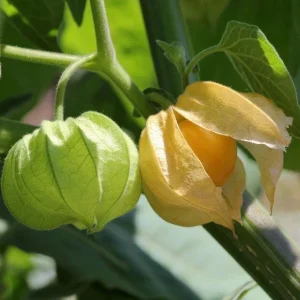
Expect your cape gooseberry seedlings to begin producing fruit within 70-85 days after transplanting, with harvests continuing until the first frost. The fruits, which are about the size of a marble, ripen to a golden-yellow color and naturally drop to the ground when ready for harvest. This makes growing ground cherries a rewarding experience as the plants signal when their delicious berries are ready to enjoy. With their charming papery husks, these fruits offer a unique visual and culinary appeal.
Frequently Asked Questions
- Q: How big do these ground cherry plants get? A: These ground cherry live plant seedlings are 6-10 inches tall when shipped. Mature plants typically grow to about 2-3 feet tall and wide, forming a bushy structure that may benefit from staking.
- Q: Is this an indoor or outdoor plant? A: Ground cherries can be grown both indoors and outdoors. They thrive outdoors in full sun during the warm season and can be grown indoors in a sunny location or under grow lights.
- Q: How much sunlight does a ground cherry plant need? A: For optimal fruiting, ground cherry plants require at least 6-8 hours of direct sunlight per day. Adequate light is essential for developing those delicious tart superfood berries.
- Q: Is this plant easy to care for? A: Yes, ground cherries are considered relatively easy to care for, making them suitable for gardeners of all skill levels. Consistent watering and adequate sunlight are the main requirements for successful growing ground cherries.
- Q: What condition will the plants arrive in? A: Your cape gooseberry seedlings will arrive healthy and carefully packaged to ensure their vitality. They will be ready for immediate transplanting upon arrival.
- Q: When is the best time to plant ground cherries? A: The best time to plant ground cherries outdoors is after all danger of frost has passed in spring, when soil temperatures have warmed. For indoor growing, they can be started year-round.
- Q: What are the ideal soil conditions for ground cherries? A: Ground cherries prefer well-draining soil rich in organic matter. A slightly acidic to neutral pH (6.0-7.0) is ideal. Good drainage is crucial to prevent root issues.
- Q: Can I grow these in a container? A: Absolutely! Ground cherries are well-suited for container gardening. Choose a pot at least 5 gallons in size to allow for adequate root development and plant growth.
- Q: How long until these plants produce fruit? A: You can expect your ground cherry plants to start producing fruit within 70-85 days after transplanting. The fruits will ripen and drop to the ground when ready to harvest.
- Q: What is the USDA hardiness zone for ground cherries? A: Ground cherries are typically grown as annuals in most regions. They can be perennial in warmer climates, generally USDA zones 9-11, where they can survive mild winters.


Reviews
There are no reviews yet.