Overview
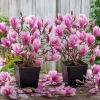
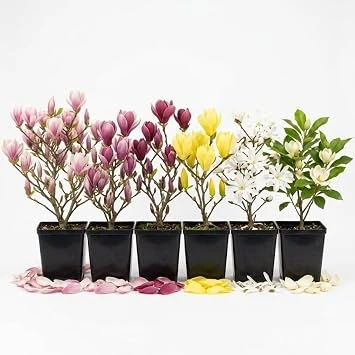
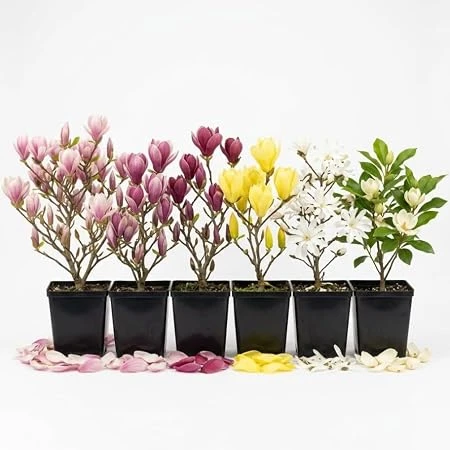
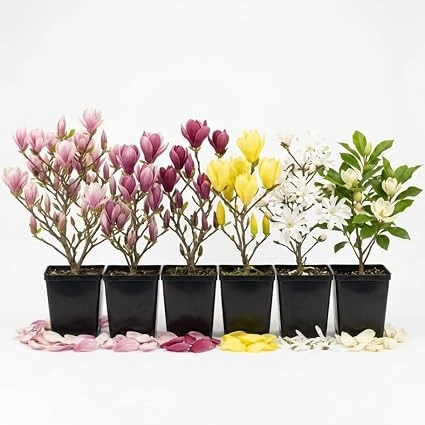
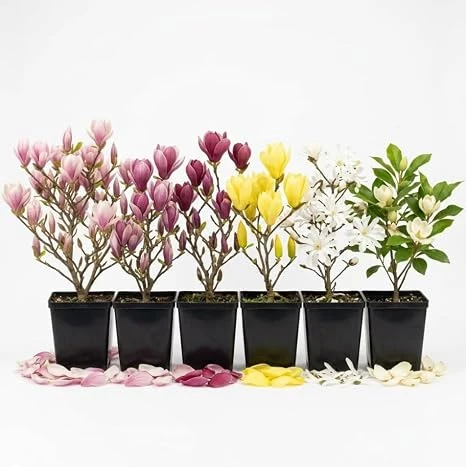
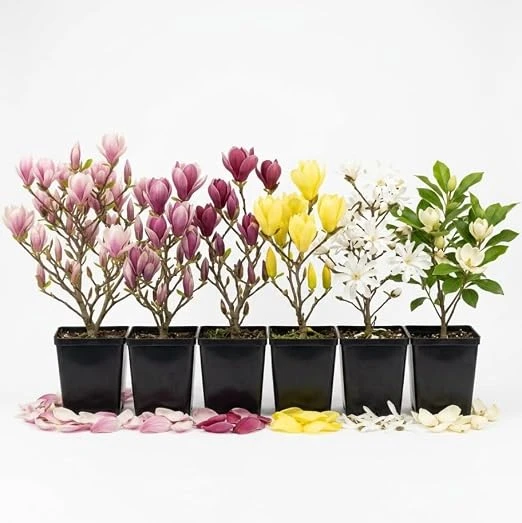
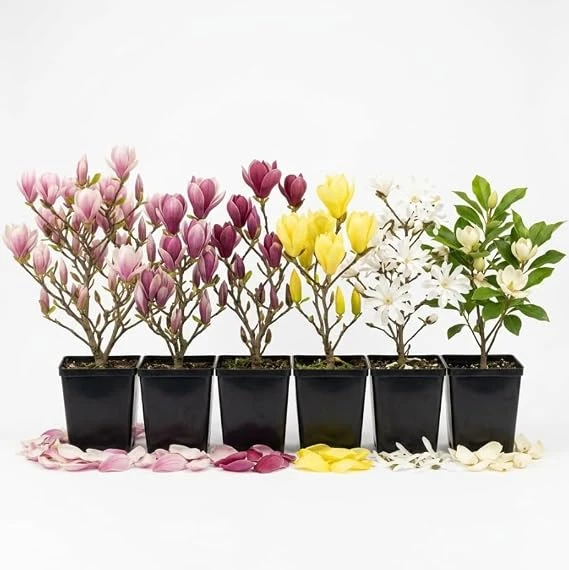
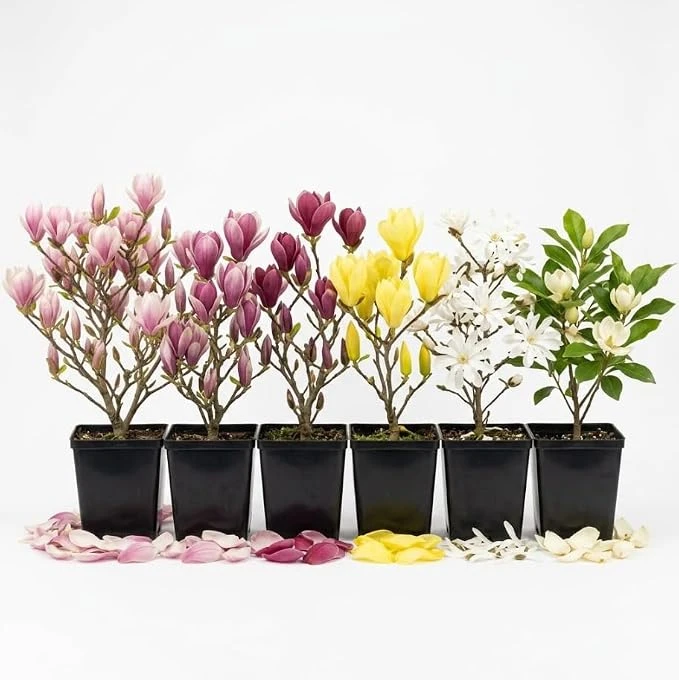
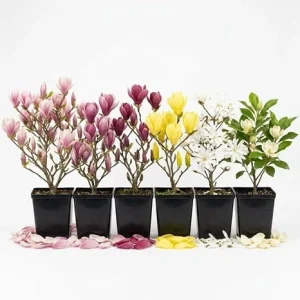
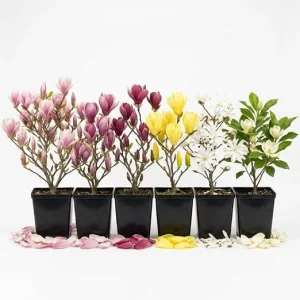
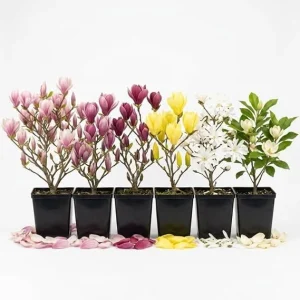
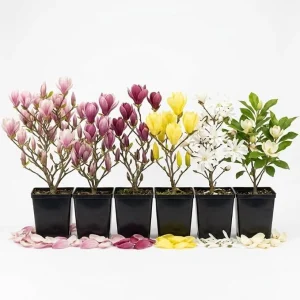
Transform your landscape with a collection of live magnolia trees. This special offering includes three vibrant young magnolia plants, each standing 6-12 inches tall and rooted in a 2.5-inch nursery pot. These starter plants are randomly selected from popular varieties such as Saucer Magnolia (Soulangeana), Jane Magnolia, Ann Magnolia, Yellow Bird Magnolia, Star Magnolia, or Sweetbay Magnolia. While duplicate varieties may be included based on availability, each plant promises to grow into a magnificent specimen, adding elegance and fragrance to your outdoor space. Known for their striking flowers and graceful form, magnolias are a timeless choice for any garden enthusiast looking to create a captivating focal point.
These resilient magnolia starter plants arrive ready for transplanting into your garden bed or a larger container. They are actively growing and prepared to establish themselves in your landscape, promising years of beauty. Depending on the specific variety you receive, you can anticipate spectacular blooms in shades of white, cream, yellow, pink, purple, or rosy pink during the appropriate growing season. Magnolias are versatile, capable of being grown as a multi-stemmed shrub or trained into a stately tree, making them a flexible addition to various garden designs.
Key Benefits
Bringing live magnolia trees into your garden offers a multitude of advantages, enhancing both the aesthetic appeal and ecological value of your outdoor environment. These beautiful plants provide visual interest and a sense of tranquility. Here are some key benefits:
- Stunning Floral Display: Enjoy breathtaking blooms in various colors, from pure white to vibrant pinks and yellows, creating a dramatic visual impact in spring or summer. These showy flowers are often fragrant, adding sensory delight to your garden.
- Versatile Growth Habit: Magnolias can be cultivated as elegant shrubs or trained into majestic trees, providing flexibility in landscape design to suit different spaces and preferences. This adaptability makes them ideal for various garden roles.
- Attracts Pollinators: The vibrant flowers of saucer magnolia and other varieties attract bees and other beneficial pollinators, contributing to the biodiversity and health of your garden ecosystem.
- Low Maintenance: Once established, these hardy plants require relatively little care, making them suitable for both experienced gardeners and those new to planting. They are generally resilient to common pests and diseases.
- Long-Lived Beauty: Magnolias are long-lived plants, providing decades of beauty and enjoyment as they mature and grow more impressive with each passing year. They become cherished fixtures in any landscape.
- Seasonal Interest: Beyond their spectacular flowers, magnolias offer attractive foliage throughout the growing season and interesting bark texture in winter, ensuring year-round garden appeal.
- Enhances Property Value: Mature flowering shrubs like magnolias can significantly enhance the curb appeal and overall value of your home, making them a wise investment for any homeowner.
Plant Care & Growing Tips
Caring for your live magnolia trees ensures they thrive and produce abundant blooms. Magnolias generally prefer a location with full sun to partial shade. Full sun (at least 6 hours of direct sunlight per day) promotes the best flowering, especially for many deciduous varieties. However, in hotter climates, some afternoon shade can protect the foliage from scorching. When planting, choose a site that offers good air circulation but is sheltered from strong winds, which can damage their large, often delicate flowers.
Magnolias thrive in fertile, well-drained soil that is slightly acidic (pH 5.5 to 6.5). Amend heavy clay soils with organic matter like compost or aged manure to improve drainage and aeration. For sandy soils, organic matter will help retain moisture and nutrients. Water your young magnolia starter plants regularly, especially during dry spells, to keep the soil consistently moist but not waterlogged. Once established, magnolias are more drought-tolerant, but supplemental watering during prolonged dry periods will benefit their health and bloom production. Fertilize in early spring with a balanced, slow-release granular fertilizer formulated for acid-loving plants. Avoid over-fertilizing, which can lead to excessive foliage growth at the expense of flowers.
These magnolias are generally hardy in USDA Zones 4-9, depending on the specific variety. Protect young plants from harsh winter winds and extreme cold with a layer of mulch around the base to insulate the roots. Pruning is typically minimal; remove any dead, damaged, or crossing branches in late winter or early spring before new growth begins. For shaping or size control, prune after flowering to avoid cutting off next season’s buds. Watch out for common pests like scale insects or aphids, and treat with horticultural oil or insecticidal soap if necessary. Fungal diseases are rare but can occur in overly wet conditions; ensure good air circulation and proper watering practices.
Size & Details
This offering includes three individual live magnolia trees, each provided as a vigorous young starter plant. Each plant measures approximately 6–12 inches in height from the soil line to the top of the foliage, offering a substantial beginning for your garden. They arrive actively growing in a 2.5-inch nursery pot, complete with an established root system, making them ideal for immediate transplanting. These are young plants that are focused on establishing in your landscape and will begin to flower after becoming settled with proper care and during their appropriate blooming season, typically within 1-3 years.
The selection of varieties is random, drawing from a diverse pool that includes Saucer Magnolia (Soulangeana), Jane Magnolia, Ann Magnolia, Yellow Bird Magnolia, Star Magnolia, or Sweetbay Magnolia. This ensures a delightful surprise and potential for varied bloom colors and forms in your garden. These outdoor plants are shipped without blooms, as flowering occurs after establishment and during the specific blooming season for each variety. They are ready to be planted in a larger container or directly into your garden bed, where they can grow into their full potential as beautiful flowering shrubs or elegant trees.
Frequently Asked Questions
- Q: How big do these magnolia plants get? A: These are young starter plants, 6-12 inches tall upon arrival. Depending on the variety and growing conditions, they can mature into large shrubs (10-15 feet tall and wide) or medium-sized trees (20-30 feet tall).
- Q: What size pot does it come in? A: Each live magnolia tree arrives growing in a 2.5-inch nursery pot, ready for transplanting into a larger container or directly into your garden.
- Q: Is this an indoor or outdoor plant? A: Magnolias are primarily outdoor plants, best suited for gardens, landscapes, or large patio containers. They are not typically grown as indoor houseplants.
- Q: How much sunlight does it need? A: Magnolias thrive in locations receiving full sun (at least 6 hours of direct sunlight daily) to partial shade. Full sun generally encourages the best flowering.
- Q: Is this plant easy to care for? A: Once established, magnolias are relatively low-maintenance. They require consistent watering when young, well-draining soil, and occasional fertilization. They are a good choice for gardeners of varying experience levels.
- Q: What condition will it arrive in? A: Your magnolia starter plant will arrive as a young, actively growing plant in its 2.5-inch nursery pot, healthy and ready for transplanting. It will not have blooms upon arrival.
- Q: How long until it blooms? A: As young starter plants, these magnolias typically begin flowering within 1-3 years after becoming established in your garden, given proper care and suitable growing conditions.
- Q: When is the best time to plant? A: The best time to plant magnolias is in spring or early fall, allowing the roots to establish before extreme summer heat or winter cold.
- Q: Will it survive winter in my zone? A: Magnolias are hardy in USDA Zones 4-9, depending on the specific variety. Most varieties included in this random selection are well-suited for a wide range of climates.
- Q: What types of flowers can I expect from these flowering shrubs? A: The flowers will vary by variety, potentially including white, cream, yellow, pink, purple, or rosy pink blooms, often fragrant and showy.


Reviews
There are no reviews yet.