Overview
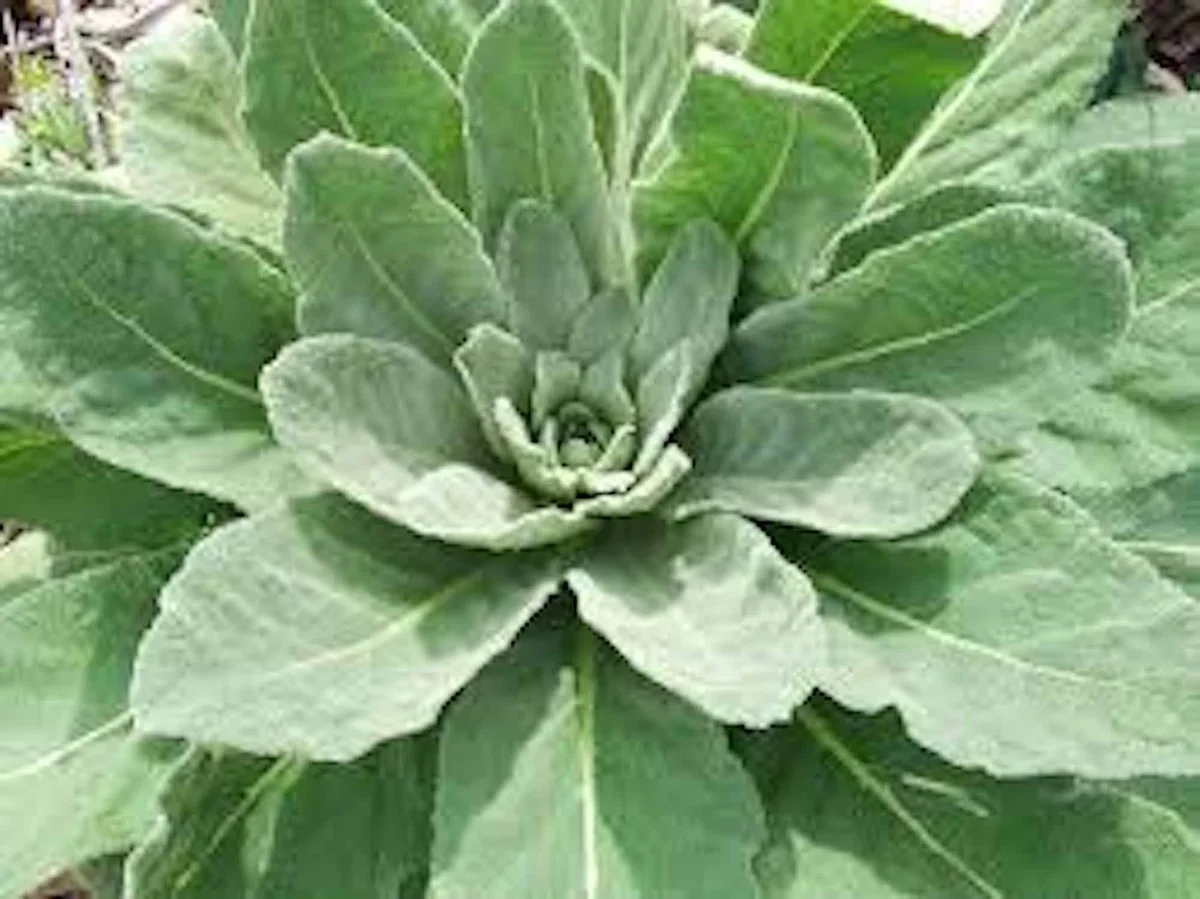
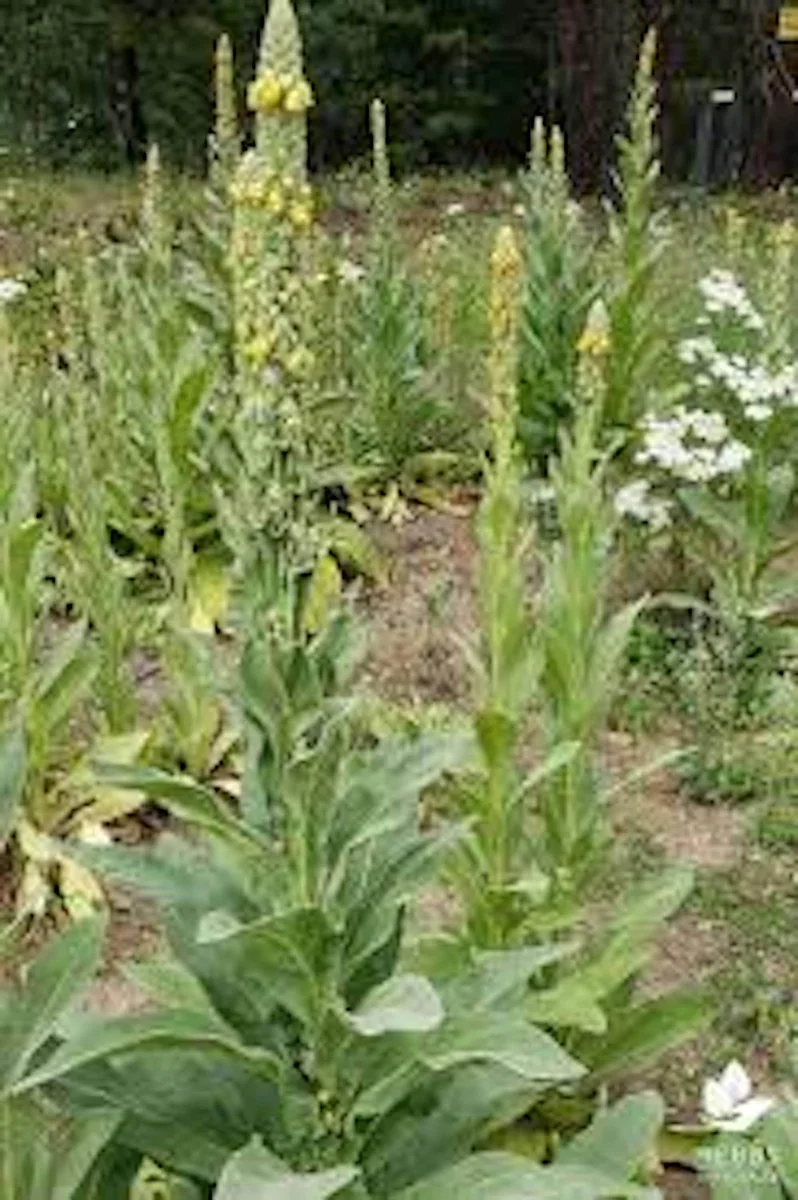
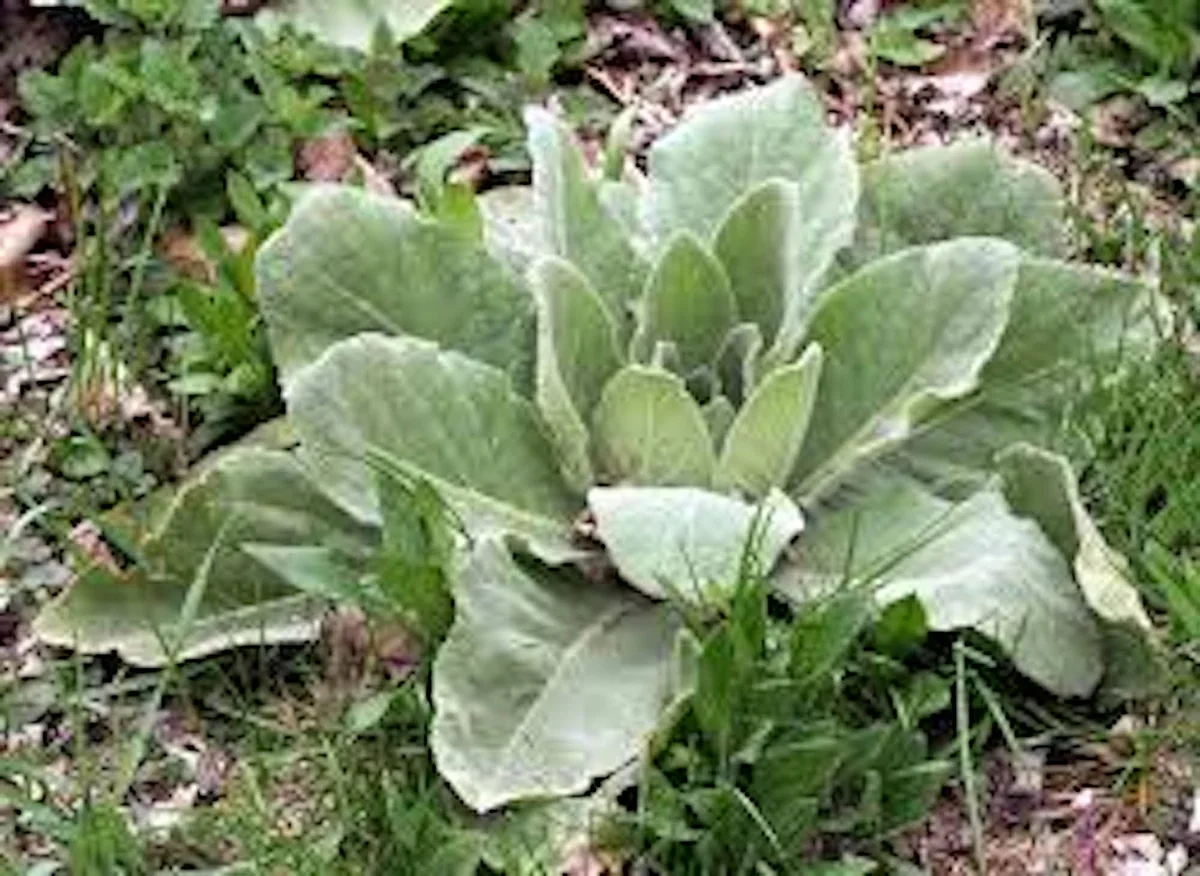
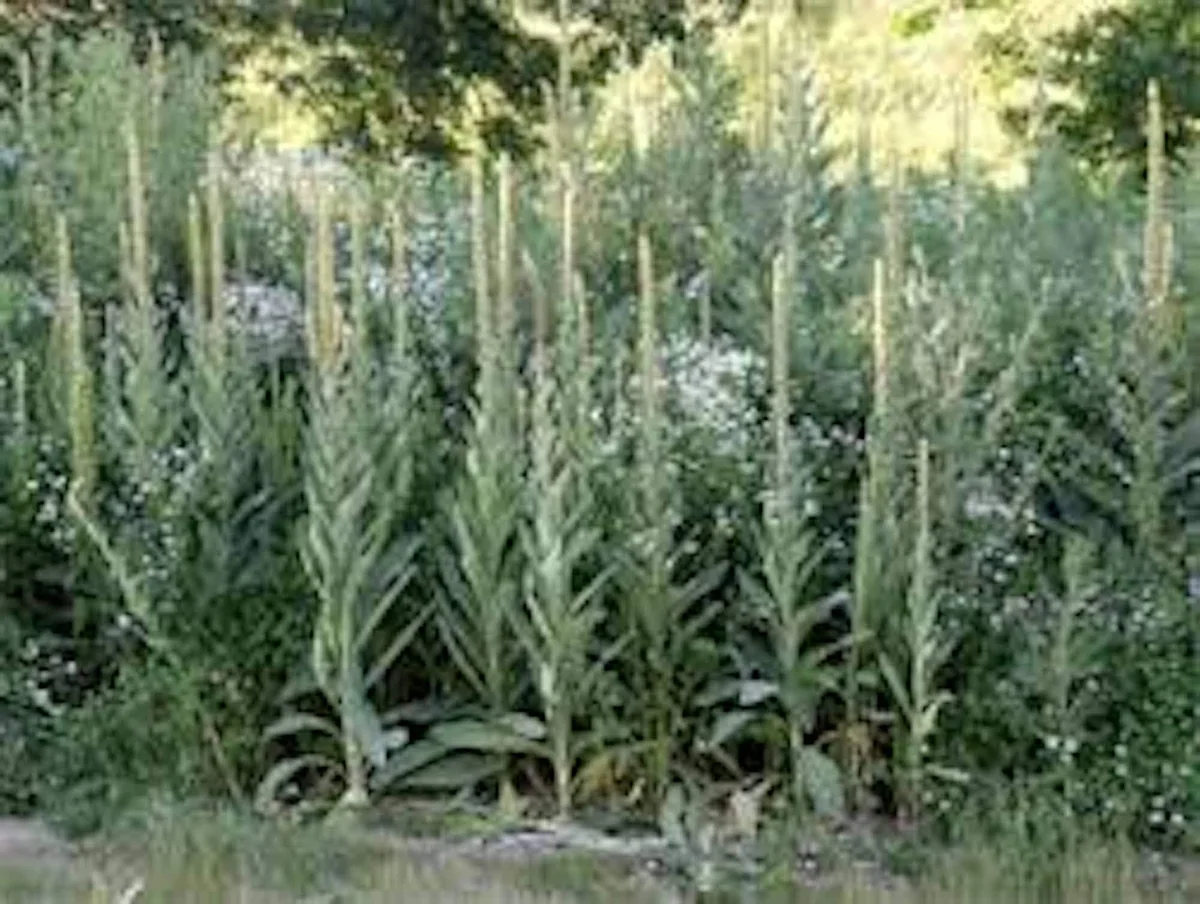
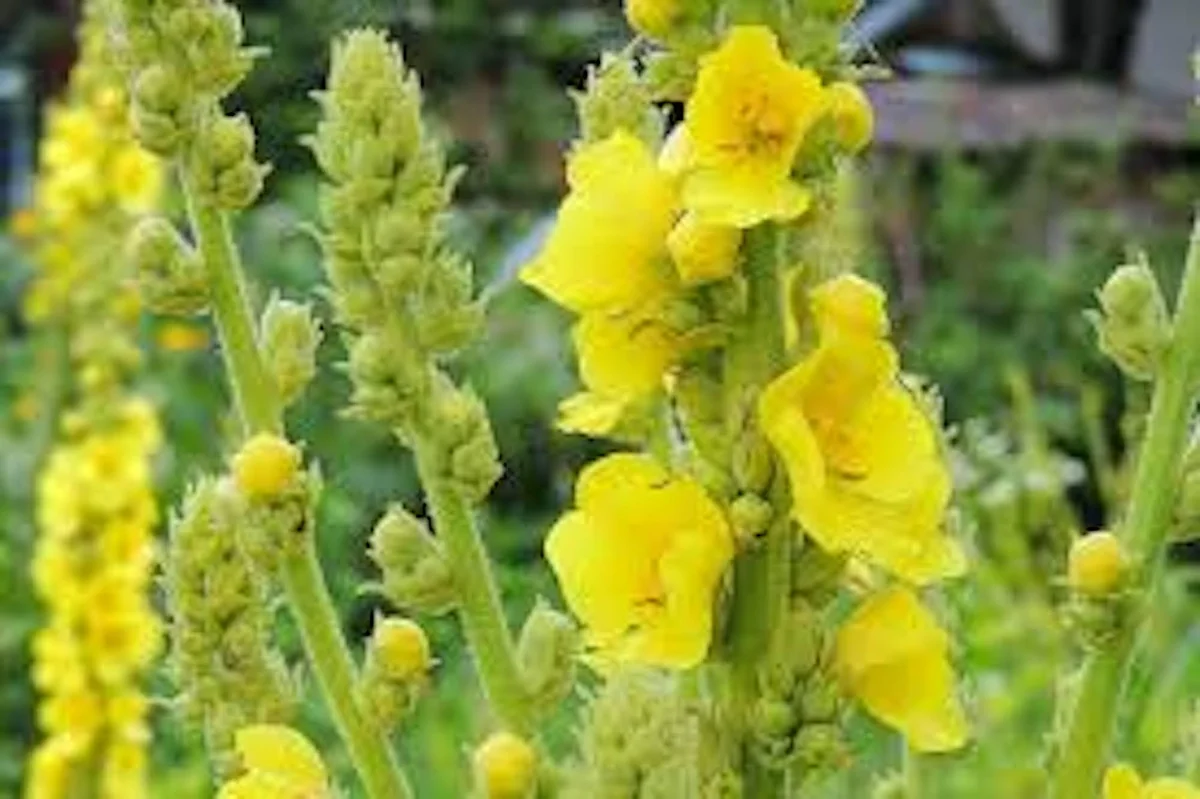
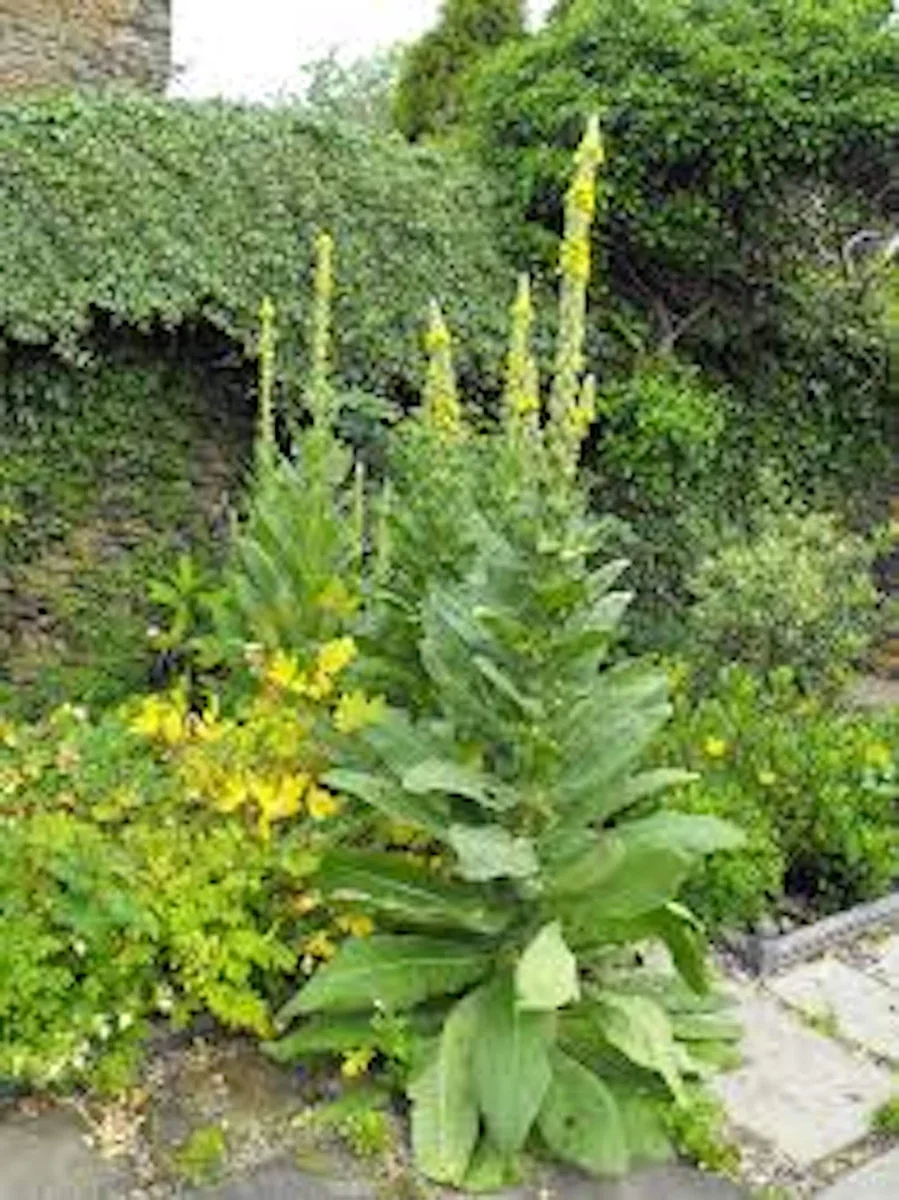
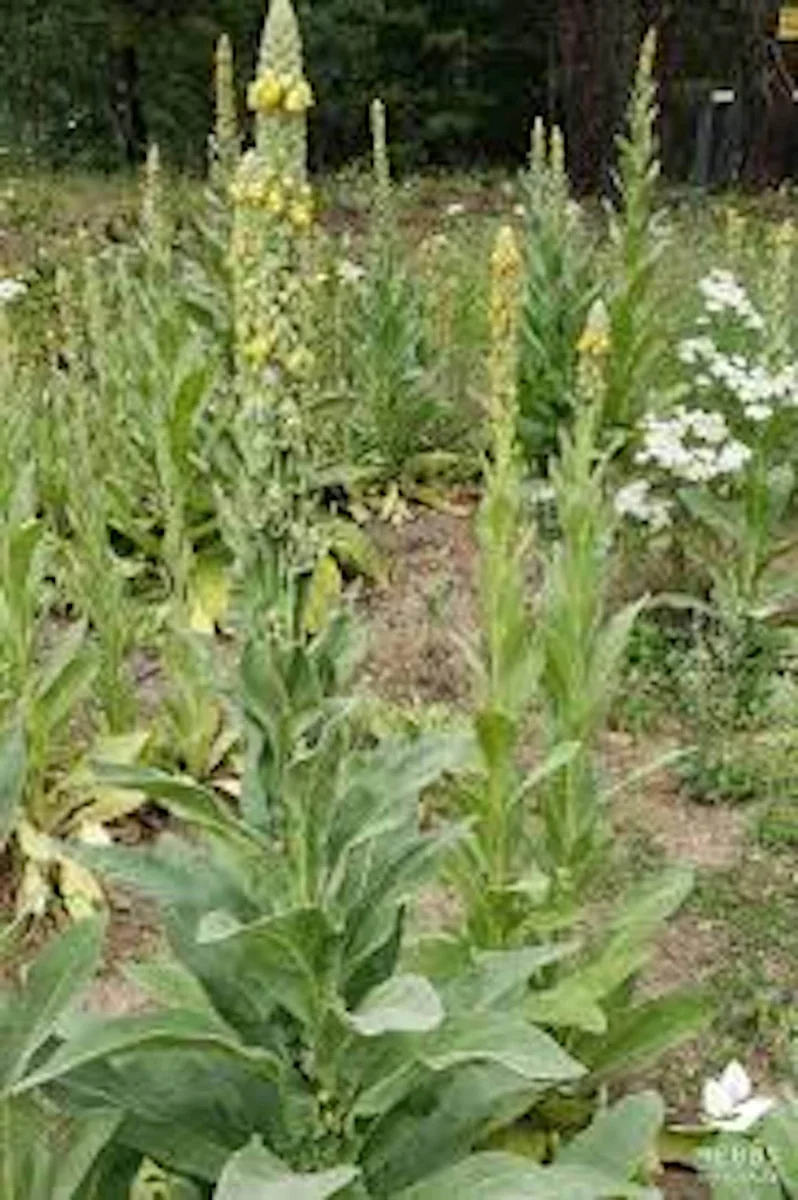
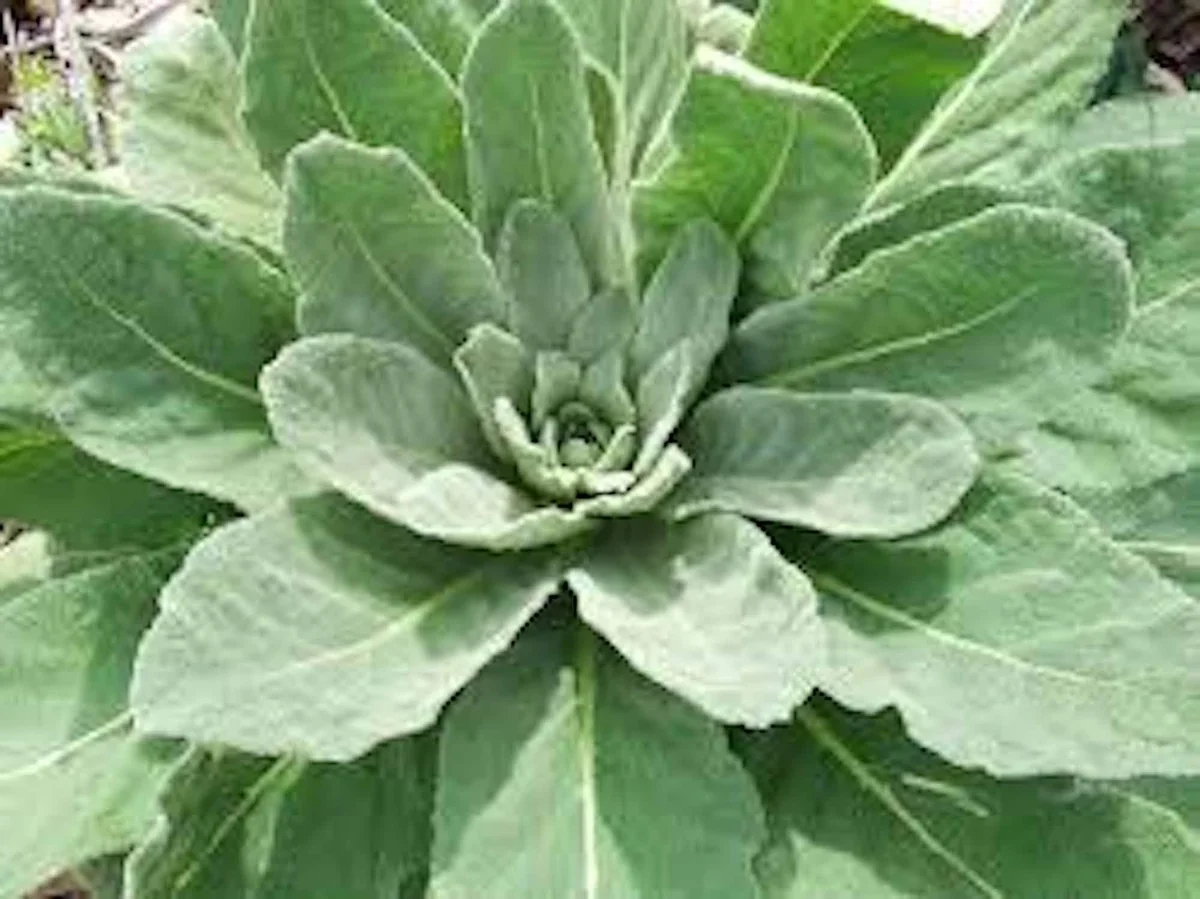
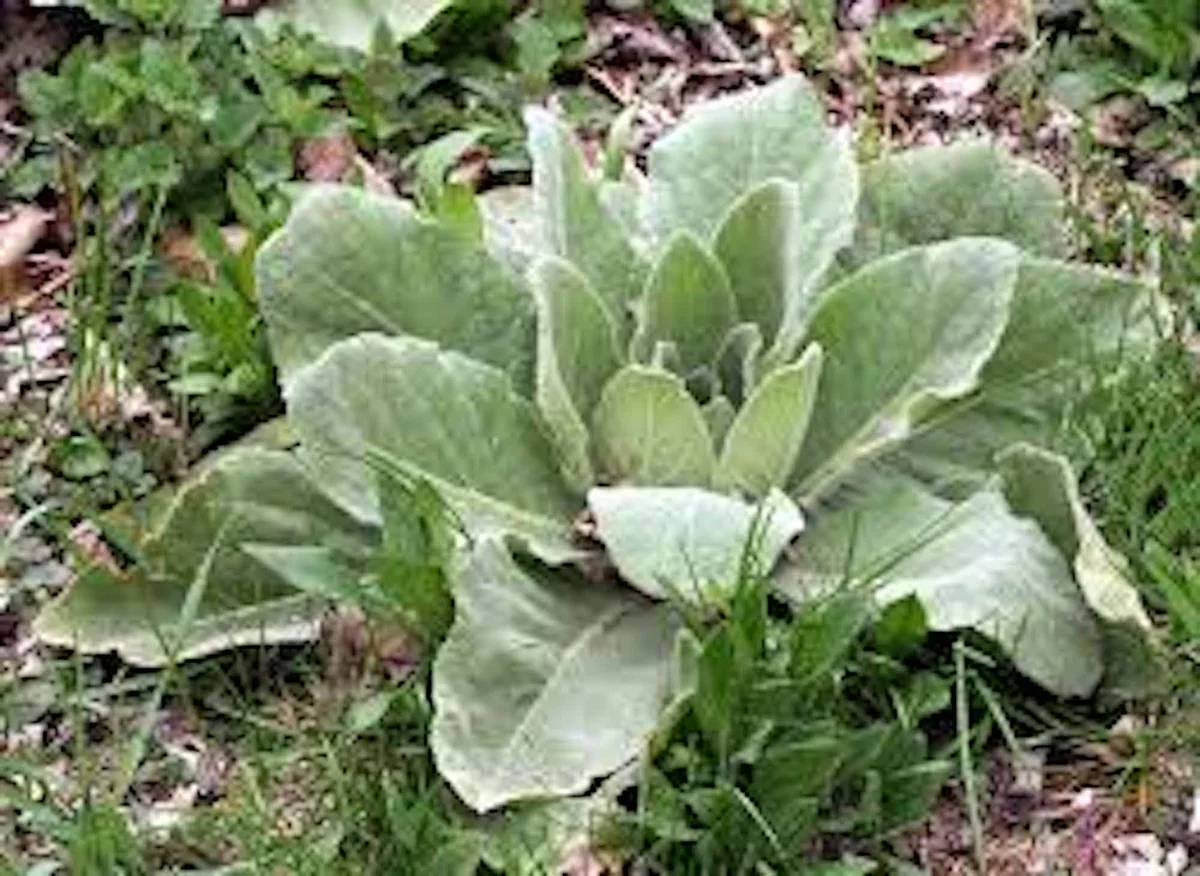
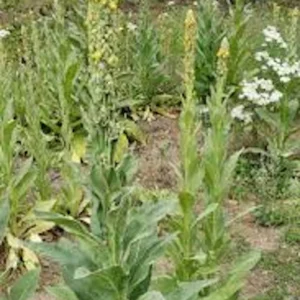
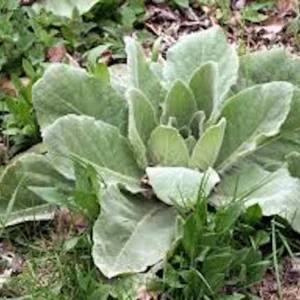
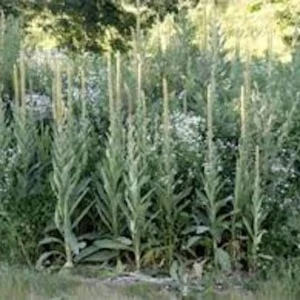
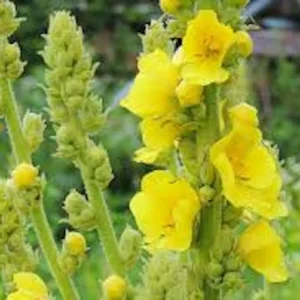
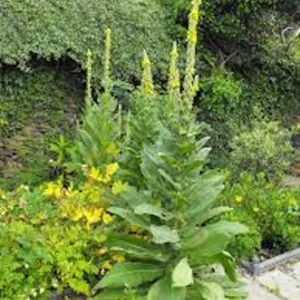
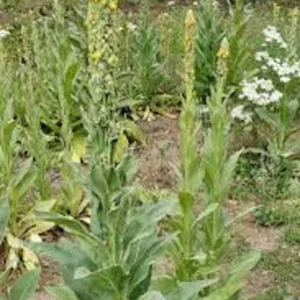
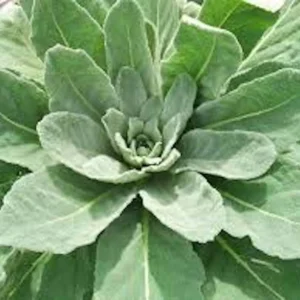
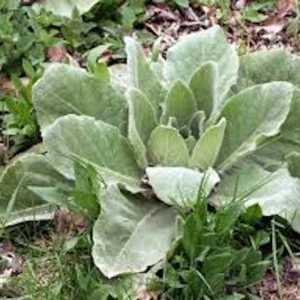
Bring the charm of a native wildflower to your garden with the 3 Mullein bare root plant. Scientifically known as Verbascum thapsus, this striking biennial or short-lived perennial herb is celebrated for its unique appearance and ecological benefits. During its first year, the mullein bare root plant forms a basal rosette of large, velvety leaves, often reaching up to a foot in length. These leaves are oval to lance-shaped, covered in fine, soft hairs that give them a distinctive fuzzy texture and a silvery-green hue. In its second year, the plant sends up a magnificent, sturdy flower spike that can soar to heights of 3 to 8 feet, adorned with numerous bright yellow, star-like flowers. This impressive display not only adds vertical interest to any landscape but also serves as a beacon for various pollinators, including bees and butterflies, making it an excellent choice for a pollinator-friendly garden. The verbascum thapsus is a resilient and adaptable species, capable of thriving in a variety of conditions, bringing natural beauty and biodiversity to your outdoor space.
Key Benefits
Choosing the mullein bare root plant for your garden offers a multitude of advantages, enhancing both the aesthetic and ecological value of your outdoor environment. These robust plants are easy to establish and provide long-lasting beauty.
- Striking Visual Interest: The Mullein plant transitions from a broad, velvety leaf rosette to a tall, majestic flower spike, creating an impressive focal point in any garden. Its unique growth habit ensures year-round appeal.
- Attracts Pollinators: The vibrant yellow flowers of the mullein bare root plant are a magnet for bees, butterflies, and other beneficial insects, supporting local ecosystems and encouraging biodiversity in your garden.
- Drought Tolerant & Resilient: Once established, the Verbascum thapsus is highly adaptable and can withstand periods of drought, making it a low-maintenance choice for gardeners seeking hardy plants. Its fuzzy leaves also help retain moisture.
- Native Wildflower Appeal: As a native wildflower, Mullein integrates seamlessly into naturalized landscapes, meadows, and cottage gardens, providing an authentic, rustic charm. It contributes to local flora and fauna.
- Unique Texture: The soft, velvety, fuzzy leaves are a distinctive feature, adding an interesting tactile element to your garden design. This unique texture makes the fuzzy leaf mullein stand out.
- Adaptable to Various Soils: While preferring well-drained soil, Mullein can tolerate a range of soil types, often thriving in disturbed areas, making it a versatile plant for different garden conditions.
- Supports Natural Habitats: By planting this native wildflower mullein, you are contributing to the preservation of native plant species and providing a valuable food source and habitat for wildlife.
Plant Care & Growing Tips
Cultivating a healthy mullein bare root plant is straightforward, especially given its resilient nature. Mullein thrives in conditions that mimic its natural habitat, making it an excellent choice for gardeners seeking low-maintenance yet impactful plants. For optimal growth, ensure your verbascum thapsus receives full sun exposure, meaning at least 6-8 hours of direct sunlight per day. It prefers well-drained soil and can tolerate poor or disturbed soils, but will flourish in moderately fertile conditions. Avoid heavy, waterlogged soils, as this can lead to root rot. Once established, Mullein is quite drought-tolerant and requires minimal watering; allow the soil to dry out completely between waterings. During its first year, focus on establishing a strong root system, and in the second year, the impressive flower spike will emerge.
Regarding fertilization, Mullein typically does not require much. If your soil is particularly poor, a light application of a balanced, slow-release fertilizer in early spring can be beneficial. These plants are generally hardy and resistant to most pests and diseases. Common problems are rare, but ensuring proper drainage is key to preventing fungal issues. The mullein plant care routine is minimal, often requiring little more than occasional weeding around young plants. Mullein is typically hardy in USDA zones 3-9, tolerating a wide range of temperatures. Its self-seeding nature means it can naturalize an area over time, providing continuous beauty with little intervention. Embrace the simplicity and resilience of this remarkable wildflower.
Size & Details
This offering includes 3 Mullein bare root plants, specifically Verbascum thapsus, ready for planting. These bare roots are shipped without foliage, ensuring easy transplanting and robust establishment in your garden. During its first year, the Mullein plant will develop a basal rosette of large, fuzzy leaves, which can spread up to a foot in diameter. In its second year, a dramatic flower spike will emerge, typically reaching heights of 3 to 8 feet. The growth rate is moderate, with the plant focusing on root and leaf development in the first season, and then on flowering and seed production in the second. As a biennial, the plant will complete its life cycle after flowering and setting seeds, but it readily self-seeds, ensuring a continuous presence in your garden if conditions are favorable. The individual bare roots are carefully prepared for shipping to ensure viability upon arrival. This fuzzy leaf mullein will add significant vertical interest and texture to your landscape.
Frequently Asked Questions
- Q: How big does this Mullein plant get? A: In its first year, the Mullein plant forms a basal rosette with leaves up to a foot long. In its second year, it sends up a flower spike that can reach an impressive height of 3 to 8 feet, adding significant vertical interest to your garden.
- Q: Is this an indoor or outdoor plant? A: The mullein bare root plant is an outdoor plant, thriving in garden settings, meadows, and naturalized areas. It requires full sun exposure to flourish and produce its characteristic tall flower spikes.
- Q: How much sunlight does the Verbascum thapsus need? A: This plant prefers full sun, meaning it needs at least 6 to 8 hours of direct sunlight per day for optimal growth and flowering. Adequate sunlight is crucial for the development of its tall flower stalk.
- Q: Is this Mullein plant easy to care for? A: Yes, Mullein is known for being a very low-maintenance and resilient plant. Once established, it is drought-tolerant and adaptable to various soil conditions, making mullein plant care relatively easy for gardeners of all skill levels.
- Q: What condition will the bare root Mullein plants arrive in? A: The 3 Mullein bare root plants will arrive without top foliage, carefully prepared for planting. This method ensures the plant’s energy is focused on root development once planted, leading to strong establishment.
- Q: When is the best time to plant Mullein bare roots? A: The best time to plant Mullein bare roots is typically in the spring or fall, allowing the plant to establish its root system before extreme temperatures. This helps ensure successful growth for your native wildflower mullein.
- Q: Will the Mullein plant survive winter in my zone? A: Mullein (Verbascum thapsus) is generally hardy in USDA Zones 3-9. It is quite tolerant of cold temperatures and can overwinter successfully in these zones, especially as a biennial or short-lived perennial.
- Q: What kind of soil does the fuzzy leaf mullein prefer? A: Mullein prefers well-drained soil and can even tolerate poor or disturbed soils. It is important to avoid heavy, waterlogged conditions, as this can negatively impact the plant’s health.


Reviews
There are no reviews yet.