Overview
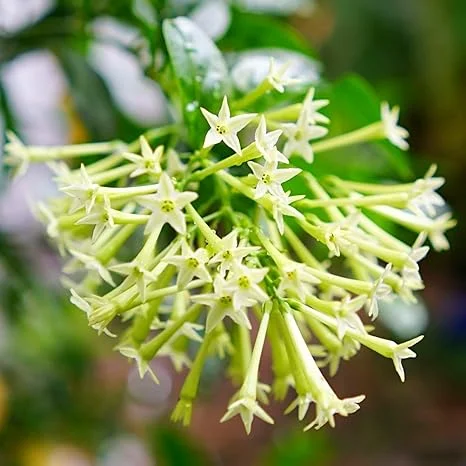
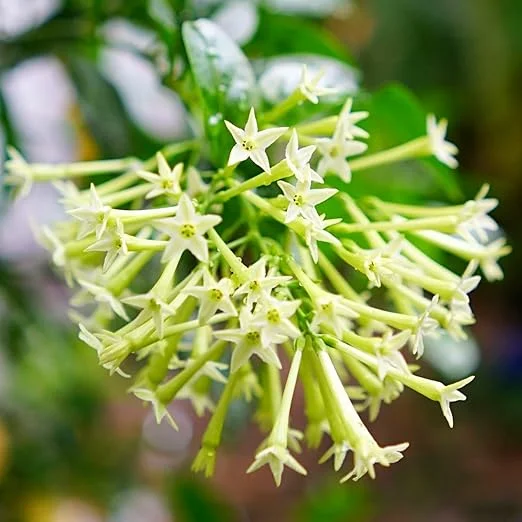
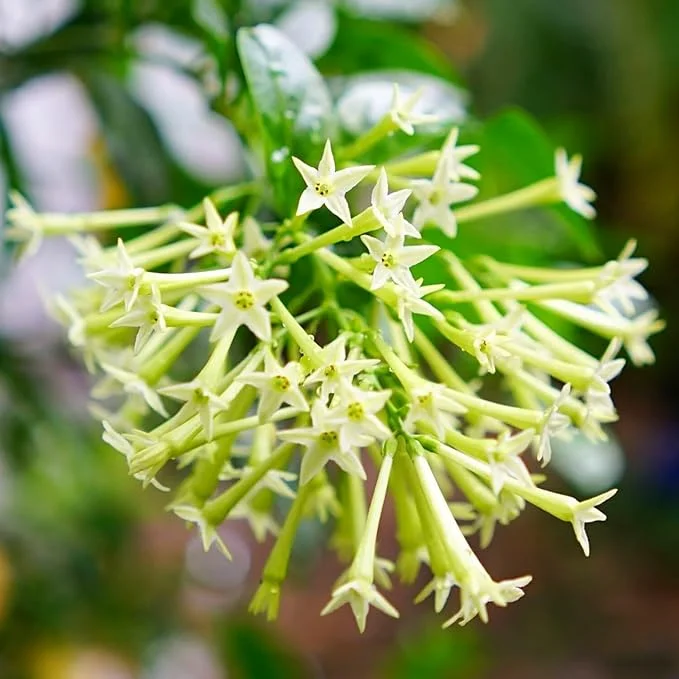
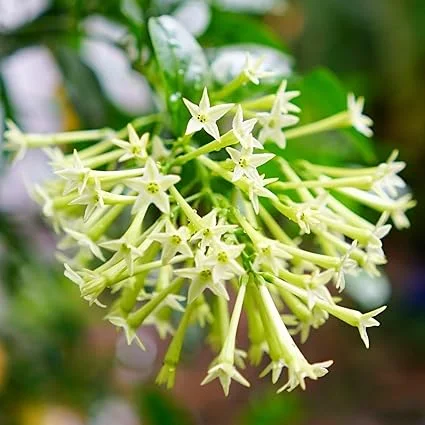
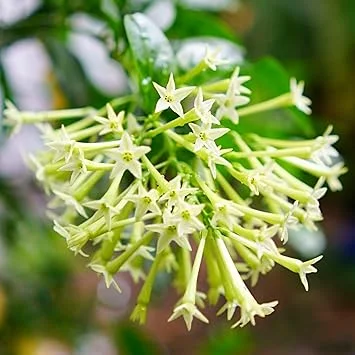
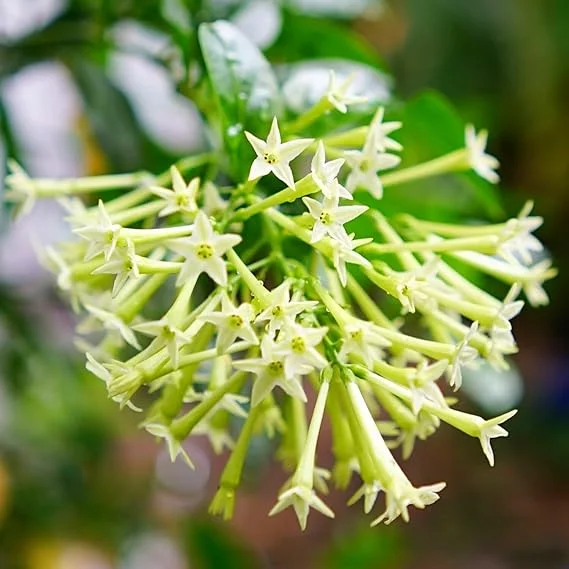
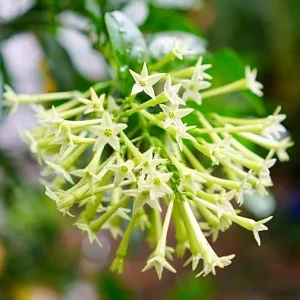
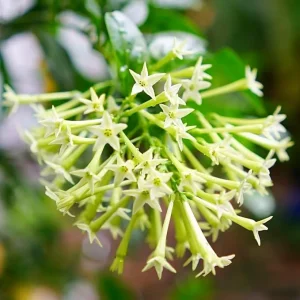
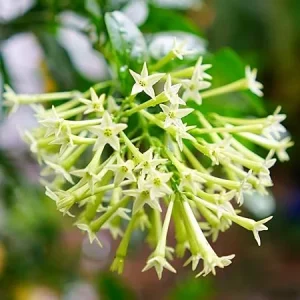
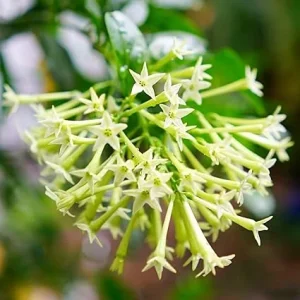
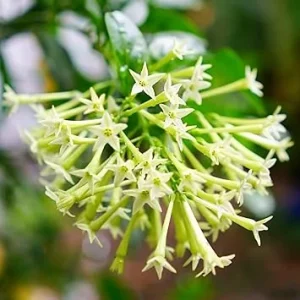
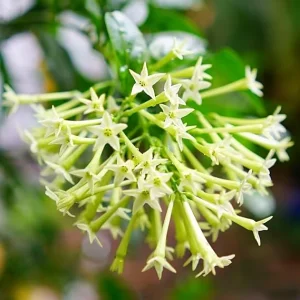
Transform your outdoor space with the enchanting aroma of the night blooming jasmine live plant. This offering includes three well-rooted starter plants, each measuring 4-8 inches tall, ready to establish in your garden or containers. Known for its highly fragrant white flowers that release their potent perfume after dusk, the Night Blooming Jasmine (Cestrum nocturnum) creates a magical ambiance in the evenings. These plants are perfect for adding a sensory delight to patios, pergolas, or garden borders, attracting pollinators and captivating human admirers alike. Easy to grow and quick to establish, this trio of fragrant jasmine plants promises a season of delightful blooms from spring through fall in warmer climates.
The night blooming jasmine live plant is a beloved choice for gardeners seeking both visual appeal and an unforgettable scent. Though its flowers are modest in appearance, their intense fragrance more than compensates, making it a standout feature in any landscape. Whether you’re a seasoned gardener or just starting out, these starter plants provide an excellent foundation for creating a lush, aromatic haven.
Key Benefits
Cultivating a night blooming jasmine live plant offers a multitude of benefits, from enhancing your garden’s aesthetic to creating a truly immersive sensory experience. These plants are a must-have for anyone looking to add a touch of magic to their evenings.
- Intense Evening Fragrance: Experience the intoxicating, sweet scent that fills the air after sunset, making your garden a serene and inviting space for evening relaxation and entertainment.
- Extended Blooming Period: Enjoy a long season of beautiful white blooms, typically from spring through fall, ensuring continuous fragrance and visual interest for months. These fragrant jasmine flowers are a continuous delight.
- Versatile Planting Options: Ideal for both in-ground planting in warm climates (USDA Zones 9-11) and container gardening, allowing you to enjoy its beauty and scent on patios, balconies, or even indoors in bright, sunny spots during colder months.
- Rapid Growth & Easy Care: These plants are known for their vigorous growth, quickly establishing and maturing into impressive shrubs or small trees with minimal effort, making for easy night blooming jasmine care.
- Attractive to Pollinators: While primarily known for its evening fragrance, the blooms can also attract night-flying moths and other pollinators, contributing to your garden’s biodiversity.
- Structural Versatility: Can be trained as a dense shrub, a small tree, or even a climbing vine with support, offering flexibility in landscape design. This makes it a highly adaptable jasmine plant for containers or garden beds.
Plant Care & Growing Tips
Ensuring the success of your night blooming jasmine live plant is straightforward with proper care. These plants thrive in conditions that mimic their native tropical and subtropical environments. For optimal growth and prolific blooming, consider the following guidelines:
Sunlight Requirements: Night Blooming Jasmine prefers full sun to partial shade. In hotter climates, partial shade during the intense afternoon sun can prevent leaf scorch. Aim for at least 4-6 hours of direct sunlight daily for the best flowering. If growing indoors, place it in a south-facing window or under grow lights to ensure it receives adequate light.
Watering Schedule & Soil Moisture: This plant has moderate watering needs. Keep the soil consistently moist but not waterlogged, especially during its active growing and blooming periods. Allow the top inch of soil to dry out slightly between waterings. Reduce watering frequency in cooler months or if the plant goes dormant. Good drainage is crucial to prevent root rot.
Soil Type & Drainage: Plant your cestrum nocturnum plant in well-draining soil. A rich, loamy soil amended with organic matter is ideal. For container planting, use a high-quality potting mix that offers good drainage and aeration. The USDA Hardiness Zones 9-11 mentioned indicate its preference for warmer climates.
Temperature & Hardiness: Night Blooming Jasmine is hardy in USDA Zones 9-11. It prefers warm temperatures and is not frost-tolerant. In zones below 9, it should be grown in containers and brought indoors before the first frost, or treated as an annual. Protect from strong, cold winds. The ideal temperature range for active growth is between 65-85°F (18-29°C).
Fertilization: Feed your plant every 2-4 weeks during the growing season (spring and summer) with a balanced liquid fertilizer. Reduce fertilization in fall and winter when growth slows. Over-fertilization can lead to excessive foliage growth at the expense of flowers.
Pruning: Prune after the main blooming period to maintain shape, encourage bushier growth, and promote more flowers. Remove any dead, damaged, or crossing branches. You can also prune to control its size if growing in a container or limited space. This is an important aspect of overall night blooming jasmine care.
Size & Details
This offering includes three live night blooming jasmine live plant starters, each ranging from 4 to 8 inches in height. These are well-rooted plants, shipped without a pot and with soil around the roots for safe transit, ensuring they arrive ready for planting. They are currently in a juvenile stage, ideal for transplanting into your garden or preferred containers. At maturity, these vigorous plants can reach a height of 8-12 feet and spread 6-10 feet, depending on growing conditions, climate, and pruning practices. They grow quickly in warm climates, rapidly developing into a substantial shrub or small tree. Expect the first fragrant blooms within the first growing season under optimal conditions, with continuous flowering from spring through fall.
In fall and winter, it is natural for the plants to arrive with fewer leaves as they enter a semi-dormant phase. This is a normal part of their lifecycle and does not indicate an unhealthy plant. With proper care, they will quickly rebound with new growth and abundant fragrant jasmine flowers in the spring.
Frequently Asked Questions
- Q: How big does this plant get? A: At maturity, a night blooming jasmine live plant can reach 8-12 feet tall and 6-10 feet wide, depending on growing conditions and whether it’s pruned as a shrub or trained as a small tree.
- Q: What size pot does it come in? A: These are starter plants, 4-8 inches tall, and are shipped with soil around their roots, not in a pot. You will need to provide your own pot or plant directly in the ground upon arrival.
- Q: Is this an indoor or outdoor plant? A: The cestrum nocturnum plant is primarily an outdoor plant in USDA Zones 9-11. In colder zones, it can be grown in containers and brought indoors during winter, making it a versatile jasmine plant for containers.
- Q: How much sunlight does it need? A: It thrives in full sun to partial shade, ideally receiving 4-6 hours of direct sunlight daily for the best flowering.
- Q: Is this plant easy to care for? A: Yes, Night Blooming Jasmine is considered relatively easy to grow, making it suitable for both beginners and experienced gardeners. Consistent watering and adequate sunlight are key for good night blooming jasmine care.
- Q: What condition will it arrive in? A: Your plants will arrive as 4-8 inch tall, well-rooted starters with soil around the roots. In cooler months, they may have fewer leaves, which is normal for their dormant cycle.
- Q: How long until it blooms? A: Under ideal growing conditions, your fragrant jasmine flowers can begin to bloom in their first growing season, typically from spring through fall.
- Q: When is the best time to plant? A: Spring is generally the best time to plant Night Blooming Jasmine, allowing it ample time to establish before summer heat or winter cold.
- Q: Will it survive winter in my zone? A: It is hardy in USDA Zones 9-11. If you are in a colder zone, you will need to protect it from frost by bringing it indoors or providing significant winter protection.
- Q: What’s the minimum temperature it can tolerate? A: Night Blooming Jasmine is not frost-tolerant and prefers temperatures above 40°F (4°C). Prolonged exposure to freezing temperatures will damage or kill the plant.


Reviews
There are no reviews yet.