Overview
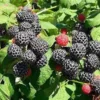
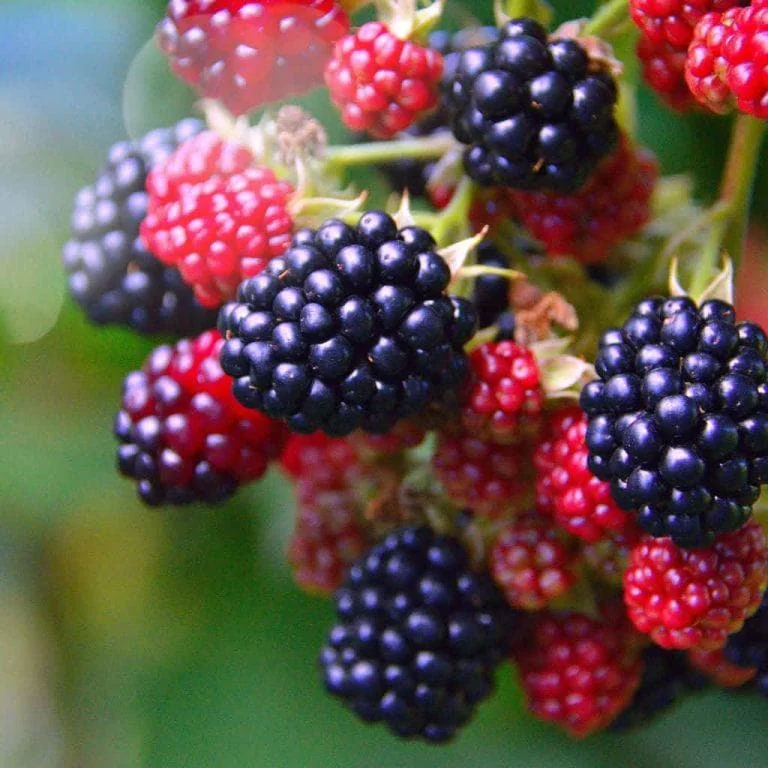
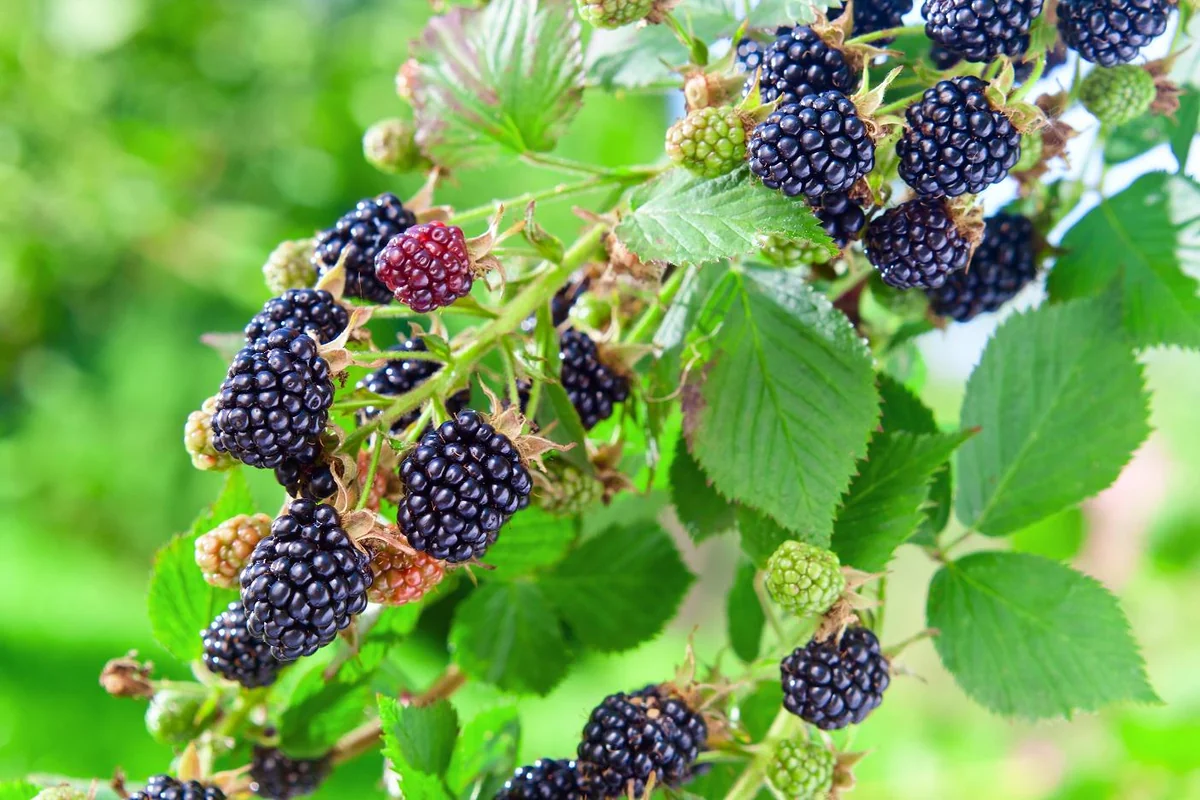
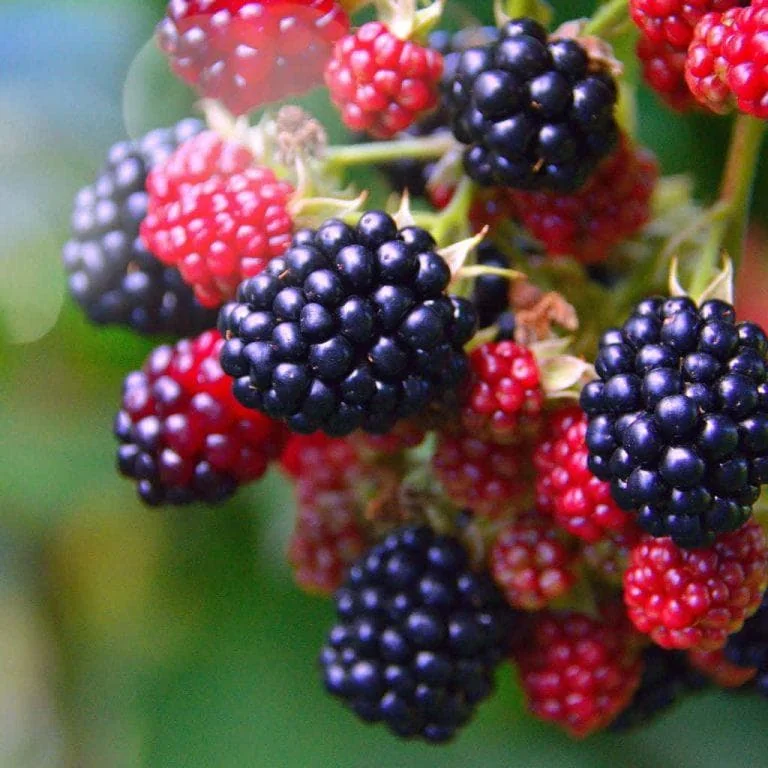
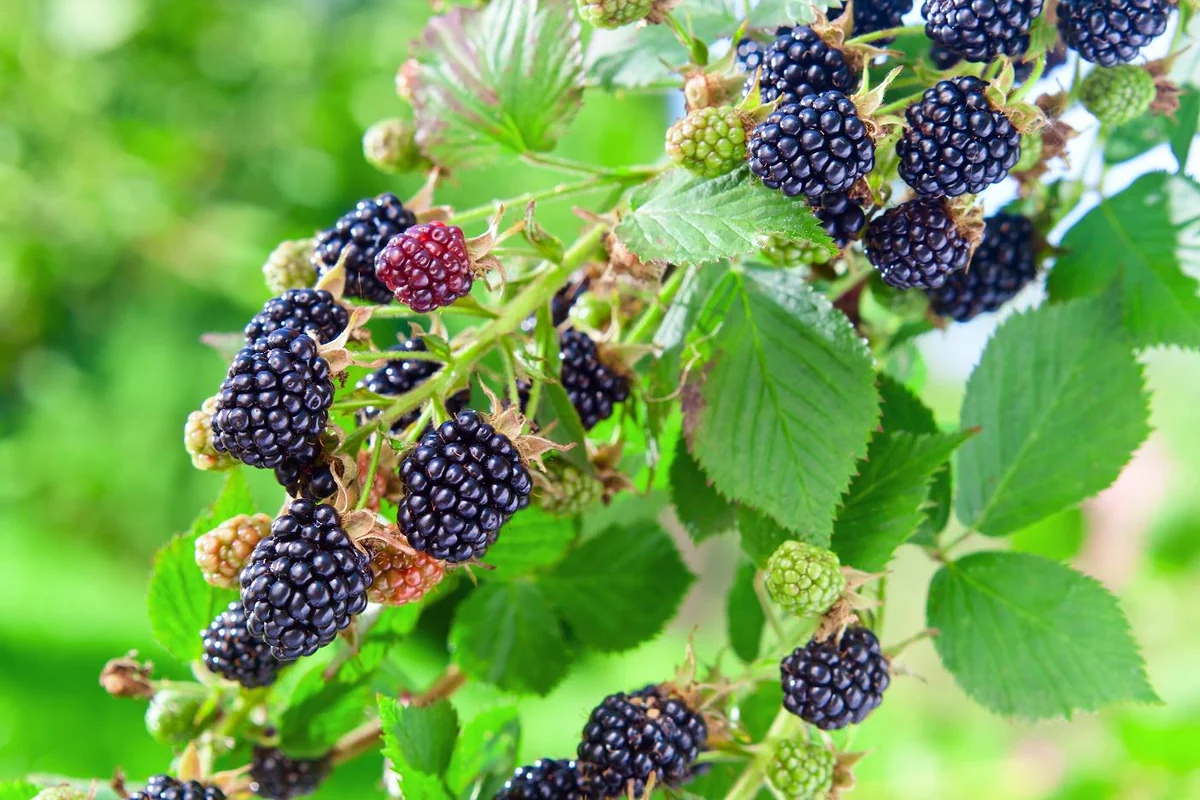
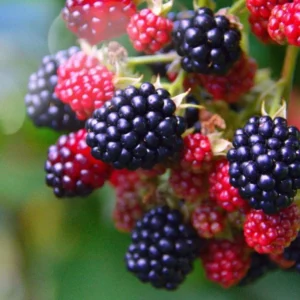
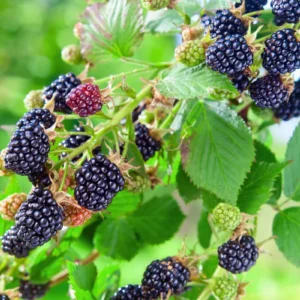
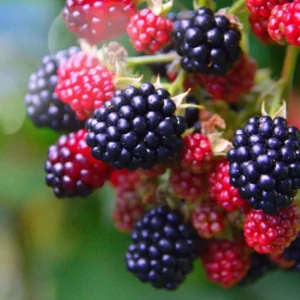
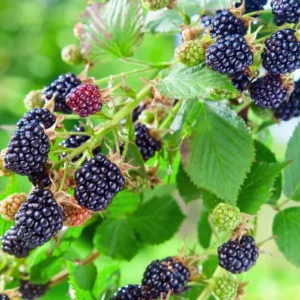
Bring the joy of fresh, homegrown fruit to your garden with our 3 Osage blackberry live plant starter plugs. The Osage blackberry is a highly sought-after, thornless variety developed by the University of Arkansas, celebrated for its superior flavor profile and early ripening characteristics. These semi-erect, floricane-fruiting plants are an excellent choice for both novice and experienced gardeners, offering a generous harvest of sweet, medium-sized berries. Whether you’re looking to enjoy them fresh off the vine, in pies, jams, or smoothies, the Osage blackberry live plant promises a delightful and abundant yield. Its robust nature and productivity make it a reliable addition to any fruit garden, providing a continuous supply of delicious fruit through its season. This particular offering includes 3 healthy starter plugs, ready to establish quickly in your garden.
The botanical name for this exceptional variety is Rubus ‘Osage’, and it’s recognized for its strong growth and disease resistance. Opting for a thornless blackberry plant like the Osage significantly simplifies harvesting, making the experience more enjoyable and less prone to scratches. These starter plugs provide a convenient and efficient way to begin your blackberry patch, allowing you to quickly establish productive plants that will bear fruit in the coming seasons. The early ripening nature means you’ll be enjoying fresh berries sooner than with many other varieties, extending your harvest window and maximizing your gardening efforts.
Key Benefits
The Osage blackberry live plant offers a multitude of advantages for the home gardener, making it a standout choice among berry varieties. Its combination of desirable traits ensures a rewarding growing experience and a bountiful harvest.
- Exceptional Sweet Flavor: The ‘Osage’ blackberry is renowned for its incredibly sweet and rich flavor, making it a favorite for fresh eating, desserts, and preserves. Each berry bursts with natural sugars and a pleasant tartness.
- Thornless Canes: Enjoy hassle-free harvesting and pruning thanks to the completely thornless canes. This feature makes caring for your thornless blackberry plant much more pleasant and safer for all ages.
- Early Ripening: Be among the first to enjoy fresh blackberries each season. The early ripening characteristic of the Osage variety means you’ll get to savor its delicious fruit sooner.
- High Yield Potential: These plants are known for their prolific production, offering a large yield of medium-sized berries, ensuring you have plenty for snacking and culinary creations.
- Good Shelf Life: The berries from a Rubus Osage starter plug tend to have a good shelf life, meaning they stay fresh longer after picking, allowing you to enjoy your harvest over an extended period.
- Semi-Erect Growth Habit: The semi-erect growth makes the plants easier to manage and support, simplifying trellising and maintenance compared to sprawling varieties.
- Excellent Quality Fruit: Beyond sweetness, the berries boast firm texture and an appealing appearance, making them ideal for market or home use.
Plant Care & Growing Tips
Caring for your Osage blackberry live plant starter plugs is relatively straightforward, and with proper attention, you’ll be rewarded with a bountiful harvest. These plants thrive in conditions that mimic their natural habitat, preferring plenty of sunlight and well-drained soil. For optimal growth and fruit production, select a site that receives at least 6-8 hours of direct sunlight per day. Adequate air circulation is also beneficial to prevent fungal diseases. When planting your Rubus Osage starter, ensure the soil is loose, fertile, and has good drainage. Blackberries prefer a slightly acidic to neutral pH, ideally between 6.0 and 7.0. Incorporating organic matter, such as compost, into the planting site will significantly improve soil structure and nutrient content.
Watering is crucial, especially during the establishment phase and while the plants are fruiting. Keep the soil consistently moist but never waterlogged. Deep watering once or twice a week is generally more effective than shallow, frequent watering, as it encourages deeper root development. Once established, the early ripening blackberry plants show some drought tolerance but will produce larger, juicier berries with regular moisture. Pruning is essential for maintaining plant health and maximizing yield. Since ‘Osage’ is a floricane-fruiting variety, it produces fruit on canes that grew the previous year. After harvest, these canes should be cut back to the ground. New canes will emerge to produce fruit the following year. Fertilize in early spring with a balanced granular fertilizer formulated for berries or fruit-bearing plants, following the product’s instructions. Protect plants from extreme winter cold in colder climates by mulching heavily around the base or providing row cover if necessary. Monitor for common pests like aphids and Japanese beetles, and address any issues promptly with organic pest control methods.
Size & Details
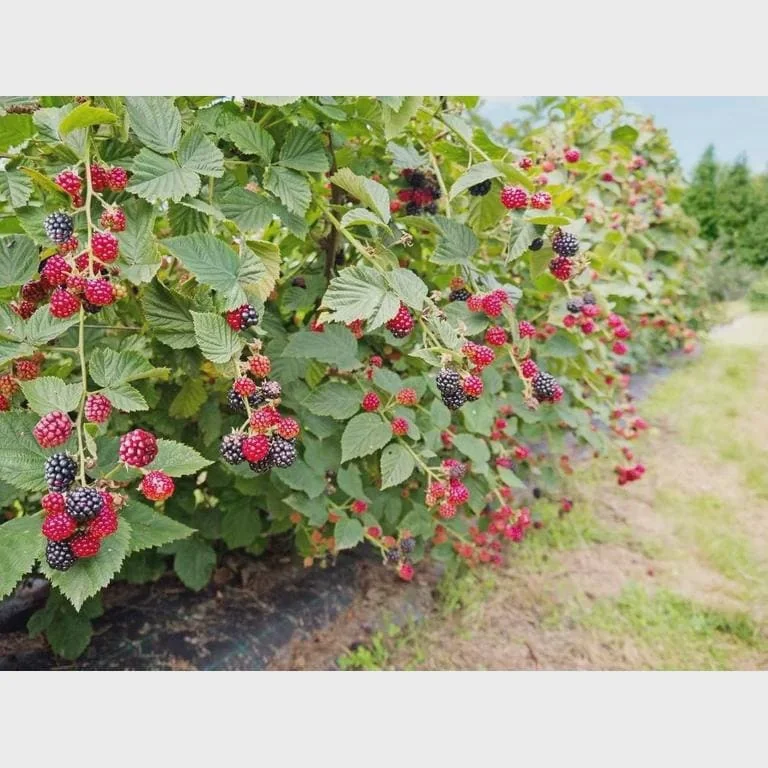
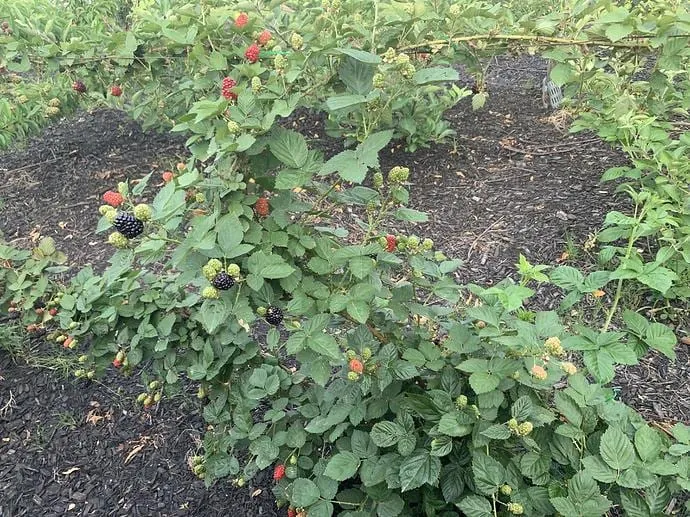
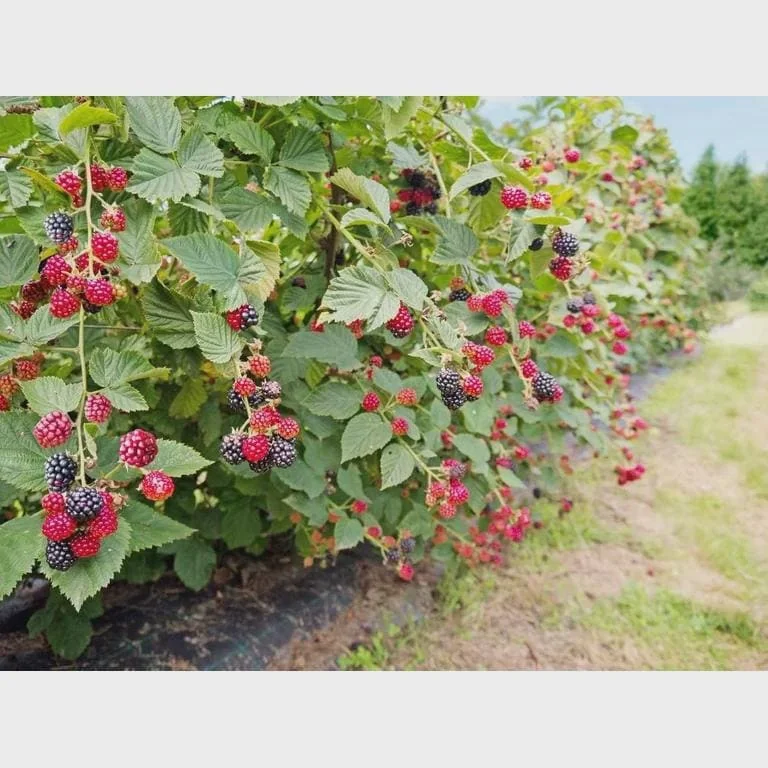
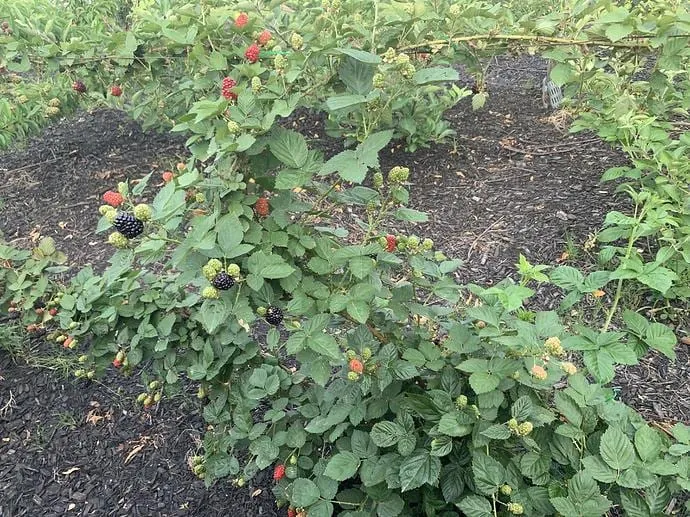
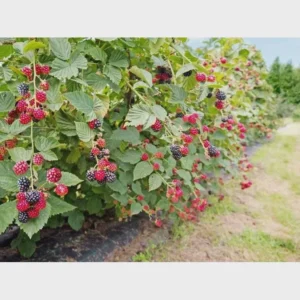
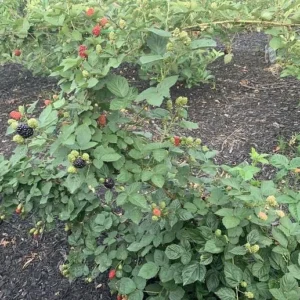
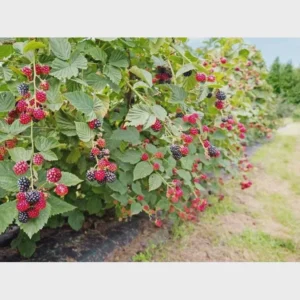
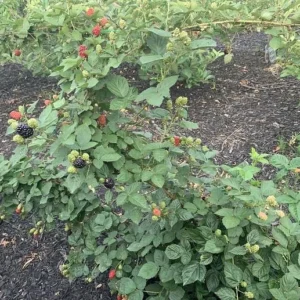
This offering includes 3 Osage blackberry live plant starter plugs, providing a strong foundation for establishing a productive blackberry patch. Each plug is a young, vigorous plant, typically 3-6 inches tall, with a healthy root system, ready for transplanting into your garden. While specific dimensions can vary slightly due to natural growth, these plugs are carefully nurtured to ensure optimal health upon arrival. The Osage variety is a semi-erect type, meaning it will grow upright but may benefit from some support like a trellis or wires as it matures, especially when laden with fruit. Mature plants can reach heights of 4-6 feet and spread 3-5 feet wide, forming a dense and productive hedge.
These sweet blackberry variety plants are shipped in a dormant or semi-dormant state, depending on the season, ensuring they transplant well and establish quickly. Expect fruit production to begin in the second year after planting, with the early ripening blackberry season typically starting in early summer. The berries are medium-sized, firm, and have a good shelf life, making them excellent for fresh consumption or processing. With proper care, these plants will provide many years of delicious harvests, making them a valuable long-term investment for your edible landscape.
Frequently Asked Questions
- Q: How big will the Osage blackberry live plant get? A: Mature Osage blackberry plants typically grow to be 4-6 feet tall and can spread 3-5 feet wide. Their semi-erect growth habit makes them manageable, but trellising can help support heavy fruit loads.
- Q: Is this an indoor or outdoor plant? A: The Osage blackberry live plant is an outdoor fruiting bush. It requires full sun and sufficient space to thrive and produce fruit in a garden or large container.
- Q: How much sunlight does this thornless blackberry plant need? A: For optimal growth and fruit production, Osage blackberries need at least 6-8 hours of direct sunlight per day. Full sun exposure is crucial for developing sweet berries.
- Q: Is this plant easy to care for? Is it good for beginners? A: Yes, the Osage blackberry is considered relatively easy to care for, especially due to its thornless canes. Its robust nature makes it a good choice for beginner gardeners interested in growing fruit.
- Q: What condition will the Rubus Osage starter plugs arrive in? A: The starter plugs are shipped as young, healthy plants with established root systems. They may be dormant or semi-dormant depending on the season, which is normal for successful transplanting.
- Q: How long until this early ripening blackberry plant produces fruit? A: You can typically expect your Osage blackberry plants to start producing fruit in the second year after planting. Fruit production will increase significantly in subsequent years.
- Q: When is the best time to plant these blackberry plugs? A: The best time to plant blackberry starter plugs is in early spring after the last frost, or in late fall before the ground freezes. This allows the plants to establish their root systems before extreme temperatures.
- Q: What USDA Hardiness Zones are suitable for the Osage blackberry? A: The Osage blackberry is generally suitable for USDA Hardiness Zones 5-9. It’s important to check your specific zone to ensure it can thrive in your climate.
- Q: Can I grow this sweet blackberry variety in a container? A: While primarily an in-ground plant, Osage blackberries can be grown in very large containers (at least 20-25 gallons) with good drainage, provided they receive adequate sunlight and water.
- Q: What kind of soil does the Osage blackberry prefer? A: Osage blackberries prefer well-draining, fertile soil with a slightly acidic to neutral pH (6.0-7.0). Amending heavy clay soils with organic matter will improve drainage and aeration.


Reviews
There are no reviews yet.