Overview
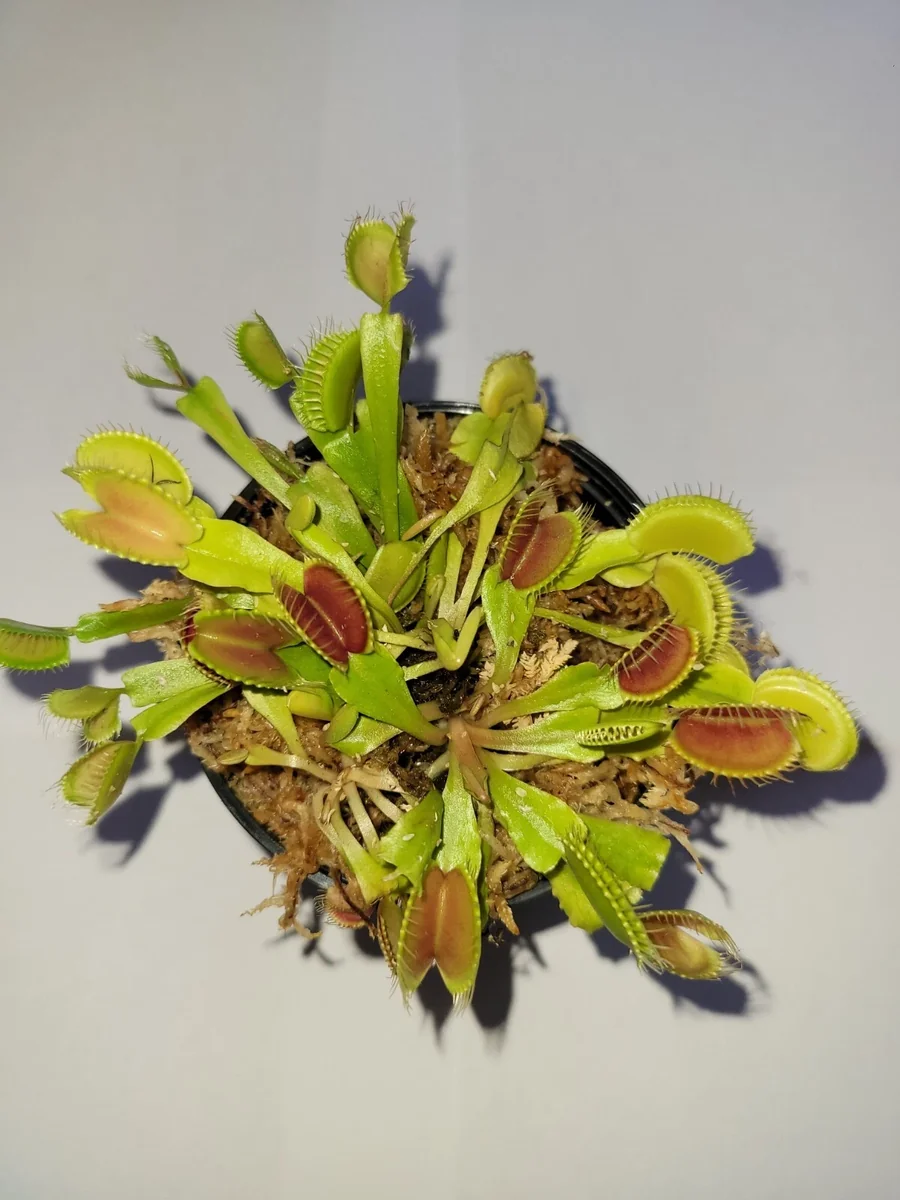
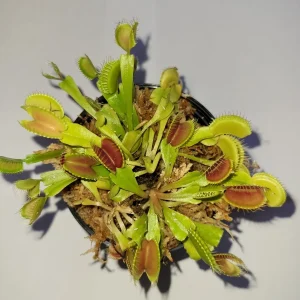
Introduce an extraordinary element to your plant collection with our bundle of 3 small Venus Flytrap live plant specimens. Scientifically known as Dionaea Muscipula, these captivating carnivorous plants are renowned for their distinctive, insect-trapping leaves. Each plant in this trio offers a miniature ecosystem, ready to enthrall observers with its natural hunting prowess. Perfect for both novice and experienced plant enthusiasts, these Venus Flytraps provide an engaging and educational experience, showcasing the wonders of the botanical world. They are not just plants; they are living, breathing wonders that actively contribute to natural pest control in your home or garden.
The Venus Flytrap is a temperate carnivorous plant native to subtropical wetlands on the East Coast of the United States. Its unique traps are modified leaves that snap shut when triggered by prey, primarily insects. These small, yet mighty, plants are a testament to nature’s ingenuity, evolving to thrive in nutrient-poor soils by supplementing their diet with insects. Our collection ensures you receive healthy, vigorous plants ready to adapt to their new environment, making it easy to buy Venus Flytrap plants that will flourish.
Key Benefits
Owning a venus flytrap live plant brings a variety of unique benefits, from natural pest control to being a fascinating educational tool. These small wonders are more than just decorative; they offer an interactive experience unlike any other plant.
- Natural Pest Control: The primary benefit of these carnivorous plants is their ability to naturally control common household pests like flies, gnats, and spiders. Each trap acts as a mini exterminator, reducing unwanted insects without chemicals.
- Educational & Engaging: Observing the Venus Flytrap in action provides an incredible educational opportunity for all ages. Witnessing the traps snap shut is a unique and exciting natural phenomenon. It’s a perfect way to teach children about botany and ecology.
- Unique Decorative Accent: With their distinctive leaves and vibrant colors (especially in good light), Venus Flytraps serve as an unusual and attractive focal point in any room or terrarium. They add an exotic touch that sparks conversation.
- Low Maintenance (with proper care): Once you understand their specific needs for light, water, and soil, Venus Flytraps are relatively easy to care for. They don’t require daily attention, making them suitable for busy individuals.
- Adaptable to Indoor & Outdoor Settings: These carnivorous plant for sale specimens can thrive both indoors on a sunny windowsill or under grow lights, and outdoors in suitable climates or bog gardens, offering versatility in placement.
- Promotes Biodiversity: By introducing these unique plants, you contribute to a greater appreciation for biodiversity and the specialized adaptations of different species.
- Therapeutic Hobby: Tending to a venus flytrap live plant can be a calming and rewarding hobby, offering a connection to nature and the satisfaction of nurturing a living organism.
Plant Care & Growing Tips
Proper care is crucial for a thriving Dionaea Muscipula. These plants have specific requirements that, once met, allow them to flourish. For optimal growth, provide at least 4-6 hours of direct sunlight daily. If growing indoors, a bright south-facing window is ideal, or supplement with a full-spectrum grow light to ensure vibrant trap coloration and strong growth. Insufficient light will result in weak, leggy growth and traps that don’t color up well. Remember, the more light, the better, especially for developing those striking red interiors.
Watering is perhaps the most critical aspect of caring for your venus flytrap live plant. They require consistently moist soil, but not waterlogged. Always use distilled water, rainwater, or reverse osmosis water, as tap water often contains minerals and chemicals that can harm the plant over time. The tray method is highly recommended: place the pot in a tray filled with about 1/2 to 1 inch of purified water, allowing the plant to absorb water from the bottom. Allow the tray to dry out completely for a day or two before refilling. The ideal soil mix is a 1:1 ratio of sphagnum peat moss (not potting soil with added fertilizers) and perlite or horticultural sand for excellent drainage and aeration. Avoid fertilizers, as these plants get their nutrients from insects.
Venus Flytraps prefer temperate climates. They are deciduous and will undergo a dormancy period in winter, typically from November to February. During dormancy, growth slows significantly, and some leaves may die back. Reduce watering during this time but keep the soil slightly damp. They are hardy in USDA zones 9–11, meaning they can survive mild winters outdoors in these regions. For colder zones, bring them indoors to a cool, unheated area (like a garage or basement) where temperatures stay between 35-55°F (2-13°C) for 3-4 months. Common problems include traps turning black (which is normal as older traps die off), or entire plants declining if watered with tap water or grown in incorrect soil. Ensuring proper light, water, and soil conditions will help your fly trap plant indoor thrive.
Size & Details
This offering includes 3 small Venus Flytrap live plant specimens, ready to be established in your chosen environment. Each plant typically arrives with several active traps and is well-rooted, ensuring a strong start. While exact dimensions can vary, these small plants are generally ideal for growing in 2-4 inch pots and will expand as they mature. Venus Flytraps are known for their relatively slow growth rate, gradually producing larger traps over time. They are shipped as live plants, often bare-root or in a small plug, to minimize stress during transit and ensure you receive healthy, viable specimens. With proper care, these plants will grow into robust adult specimens, offering years of enjoyment and natural pest control. You can expect to see noticeable growth within a few weeks of planting in their new home.
Frequently Asked Questions
- Q: How big will these Venus Flytraps get? A: These are 3 small Venus Flytrap live plant specimens, typically starting with traps around 0.5-1 inch. With good care, they can grow to produce traps up to 1.5-2 inches in diameter, and the overall plant size can reach 4-6 inches across.
- Q: Is this an indoor or outdoor plant? A: The Dionaea Muscipula is suitable for both indoor and outdoor growing. Indoors, they need a very bright windowsill or a grow light. Outdoors, they thrive in bog gardens or pots with plenty of sun in appropriate climates.
- Q: How much sunlight does a Venus Flytrap need? A: Venus Flytraps require a minimum of 4-6 hours of direct sunlight daily to grow vigorously and develop healthy, red-colored traps. More sun is generally better for this carnivorous plant for sale.
- Q: Is this plant easy to care for? A: While they have specific needs, Venus Flytraps are relatively easy for beginners if those needs (purified water, proper soil, ample sunlight, and dormancy) are consistently met. Many find learning dionaea muscipula care to be a rewarding experience.
- Q: What condition will the plants arrive in? A: Your venus flytrap live plant bundle will arrive healthy and carefully packaged, often bare-root or as small plugs, to ensure minimal stress during shipping. They will be ready for immediate planting upon arrival.
- Q: Do I need to feed my Venus Flytrap? A: No, your Venus Flytrap will catch its own insects if grown outdoors or if pests are present indoors. If grown purely indoors with no insects, you can occasionally feed them small, live insects, but it’s not strictly necessary for survival.
- Q: What kind of water should I use for my Venus Flytrap? A: Always use distilled water, rainwater, or reverse osmosis water. Tap water contains minerals that can harm the plant over time. This is a critical aspect of fly trap plant indoor care.
- Q: Will my Venus Flytrap go dormant? A: Yes, Venus Flytraps are temperate plants and require a dormancy period during winter (typically 3-4 months) to remain healthy long-term. During dormancy, growth slows, and some traps may die back.
- Q: Can I use regular potting soil for my Venus Flytrap? A: No, regular potting soil is too rich in nutrients and can kill your Venus Flytrap. They require a special soil mix, typically composed of sphagnum peat moss and perlite or horticultural sand.
- Q: I want to buy Venus Flytrap plants, but what about cold temperatures? A: Venus Flytraps are hardy in USDA zones 9-11. In colder zones, they need protection during winter, either by bringing them indoors to a cool, unheated area for dormancy or providing adequate insulation if kept outside in a bog garden.


Reviews
There are no reviews yet.