






Overview
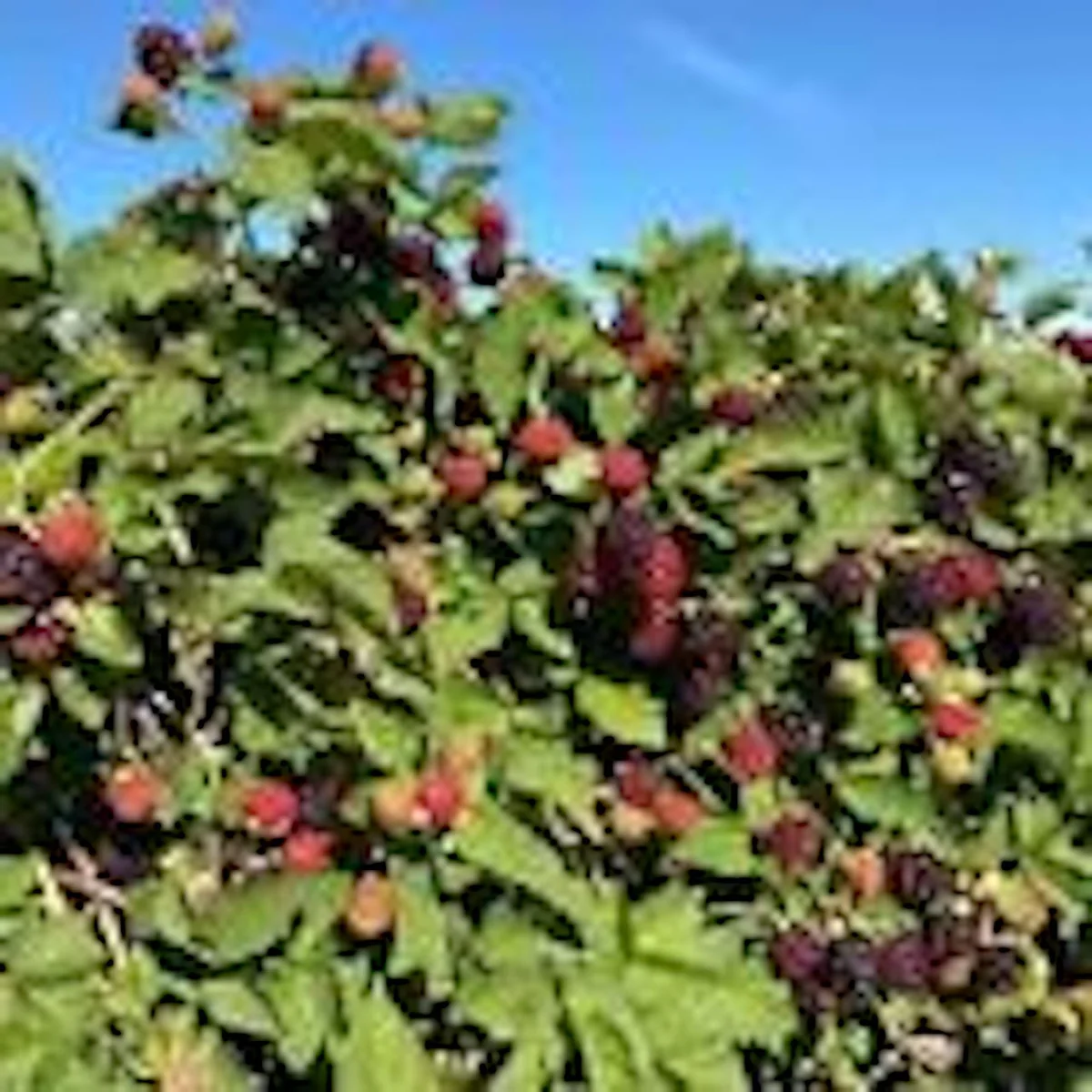
Bring the joy of homegrown berries to your garden with this offering of 3 thornless boysenberry live plant starters. The boysenberry (Rubus ursinus × Rubus idaeus) is a remarkable hybrid fruit, a cross between the European raspberry, the American blackberry, and the loganberry. These starter plants are the perfect way to establish a productive patch of these highly coveted berries. Known for their large, dark purple to reddish-black fruit, boysenberries offer a unique sweet-tart flavor profile that is truly exceptional. This thornless boysenberry live plant provides an easier harvesting experience, making it a favorite among home gardeners and culinary enthusiasts alike. Prepare to enjoy an abundance of delicious fruit right from your backyard, perfect for a wide range of culinary applications.
Each of these 3 thornless boysenberry live plant starters is ready to thrive in your garden, transforming into a vigorous perennial fruit bush. The boysenberry plant is a robust addition to any edible landscape, offering both ornamental appeal and a generous harvest. If you’re looking to grow thornless boysenberry plants, these starters provide a fantastic foundation for a bountiful yield. Their hybrid vigor ensures a strong start, and with proper care, they will become a cherished part of your garden for many seasons to come. Discover the rich, complex flavors of fresh boysenberries, an experience far superior to store-bought varieties.
Key Benefits
These thornless boysenberry live plant starters offer numerous advantages for the home gardener, promising a rewarding and delicious harvest. From their ease of cultivation to their versatile fruit, they are an excellent choice for anyone looking to expand their edible garden.
- Abundant, Delicious Fruit: Enjoy a prolific harvest of large, succulent boysenberries. These berries are celebrated for their distinctive sweet-tart flavor, making them perfect for eating fresh, baking, or preserving.
- Thornless Canes for Easy Harvesting: Unlike many berry varieties, these boysenberry plants are thornless, significantly simplifying the harvesting process and making garden maintenance more pleasant.
- Versatile Culinary Use: The rich flavor of boysenberries makes them ideal for a wide array of culinary creations, including jams, jellies, pies, tarts, smoothies, and sauces.
- Perennial Vigor: As a perennial fruit bush, these plants will return year after year, providing consistent harvests once established, offering long-term value to your garden.
- Adaptable Growth: While capable of sprawling, boysenberry plants can be trained on trellises or supports, allowing for flexible garden placement and easier access to fruit.
- Attractive Garden Addition: Beyond their fruit, the vigorous growth and green foliage of the thornless boysenberry live plant add an appealing, natural element to your garden landscape.
- High Nutritional Value: Boysenberries are packed with vitamins, antioxidants, and fiber, contributing to a healthy diet directly from your garden.
Plant Care & Growing Tips
To ensure your 3 thornless boysenberry live plant starters thrive, proper care is essential. These plants are relatively low-maintenance once established, but a good start will lead to healthier, more productive bushes. Boysenberries prefer a sunny location, ideally receiving at least 6-8 hours of direct sunlight per day. Good air circulation is also important to prevent fungal diseases. Plant them in well-draining soil that is rich in organic matter. A slightly acidic to neutral pH (6.0-7.0) is ideal. Amending your soil with compost or well-rotted manure before planting will greatly benefit the plants.
Water your thornless boysenberry live plant regularly, especially during dry periods and when the fruit is developing. The soil should remain consistently moist but not waterlogged. Deep watering encourages a strong root system. Fertilize in early spring with a balanced fertilizer or a berry-specific formula. Pruning is crucial for boysenberry production and plant health. Since boysenberries fruit on second-year canes, you’ll want to prune out old, spent canes after they’ve fruited and thin out new canes to ensure good air circulation and light penetration. Training the sprawling vines onto a trellis or wire system will keep them tidy and make harvesting easier. Understanding thornless boysenberry care is key to a successful harvest.
Protect your plants from common pests and diseases by maintaining good garden hygiene and inspecting them regularly. Companion planting can also help deter some pests. The Rubus ursinus × Rubus idaeus hybrid is generally robust, but vigilance is always recommended. For those wondering how to grow thornless boysenberry successfully, consistent watering, annual pruning, and ample sunlight are the cornerstones of cultivation. These steps will ensure your perennial fruit bush produces an abundance of delicious berries for years to come.
Size & Details
This offering includes 3 thornless boysenberry live plant starter plants, typically shipped as bare-root stock or in small nursery pots, ready for immediate planting in your garden. When mature, a thornless boysenberry live plant can grow into a sprawling vine or shrub, reaching impressive heights of 4 to 6 feet (1.2 to 1.8 meters) and spreading widely up to 6 to 8 feet (1.8 to 2.4 meters) if left unpruned. These vigorous growers establish quickly, with initial fruit production often beginning in the second year after planting.
The mature size and spread are dependent on growing conditions, available space, and pruning practices. Training on a trellis or support system is highly recommended to manage their growth and maximize fruit yield. Expect these perennial fruit bush plants to provide a consistent harvest of large, dark purple berries, usually ripening in mid-summer. These starters are ideal for establishing a productive berry patch that will yield delicious fruit for many seasons, making it easy to grow thornless boysenberry right in your backyard.
Frequently Asked Questions
- Q: How big does this plant get? A: A mature thornless boysenberry live plant can grow 4 to 6 feet tall and spread 6 to 8 feet wide, especially if not pruned or supported. Training on a trellis can help manage its size and shape.
- Q: What condition will the plants arrive in? A: The 3 thornless boysenberry live plant starters typically arrive as bare-root plants or in small starter pots, ready for planting. They are carefully packaged to ensure their health during transit.
- Q: Is this an indoor or outdoor plant? A: Boysenberry plants are outdoor plants. They are a perennial fruit bush that requires full sun and specific chilling hours to produce fruit, making them unsuitable for indoor cultivation.
- Q: How much sunlight does it need? A: For optimal fruit production, your thornless boysenberry live plant requires at least 6-8 hours of direct sunlight per day. A full sun location is best.
- Q: Is this plant easy to care for? A: Boysenberry plants are moderately easy to care for. They require consistent watering, annual pruning, and proper support. Understanding basic thornless boysenberry care will ensure a good harvest.
- Q: When is the best time to plant? A: The best time to plant boysenberry starters is in early spring after the last frost, allowing them ample time to establish before the summer heat.
- Q: How long until it produces fruit? A: Boysenberry plants typically begin producing fruit in their second year after planting. You can expect a more substantial harvest in subsequent years as the plant matures.
- Q: Can I use the berries for jams and pies? A: Absolutely! Boysenberries are highly valued in the culinary world for their sweet-tart flavor, making them excellent for jams, jellies, pies, tarts, and other desserts.
- Q: Will it survive winter in my zone? A: Boysenberries are generally hardy in USDA zones 5-9. In colder zones, some winter protection may be necessary, and in warmer zones, afternoon shade can prevent scorching.
- Q: What’s the minimum temperature it can withstand? A: While dormant, boysenberries can tolerate temperatures down to around -10°F (-23°C), but extreme cold without snow cover can cause damage. Protection in prolonged freezes is advisable.


Reviews
There are no reviews yet.