Overview
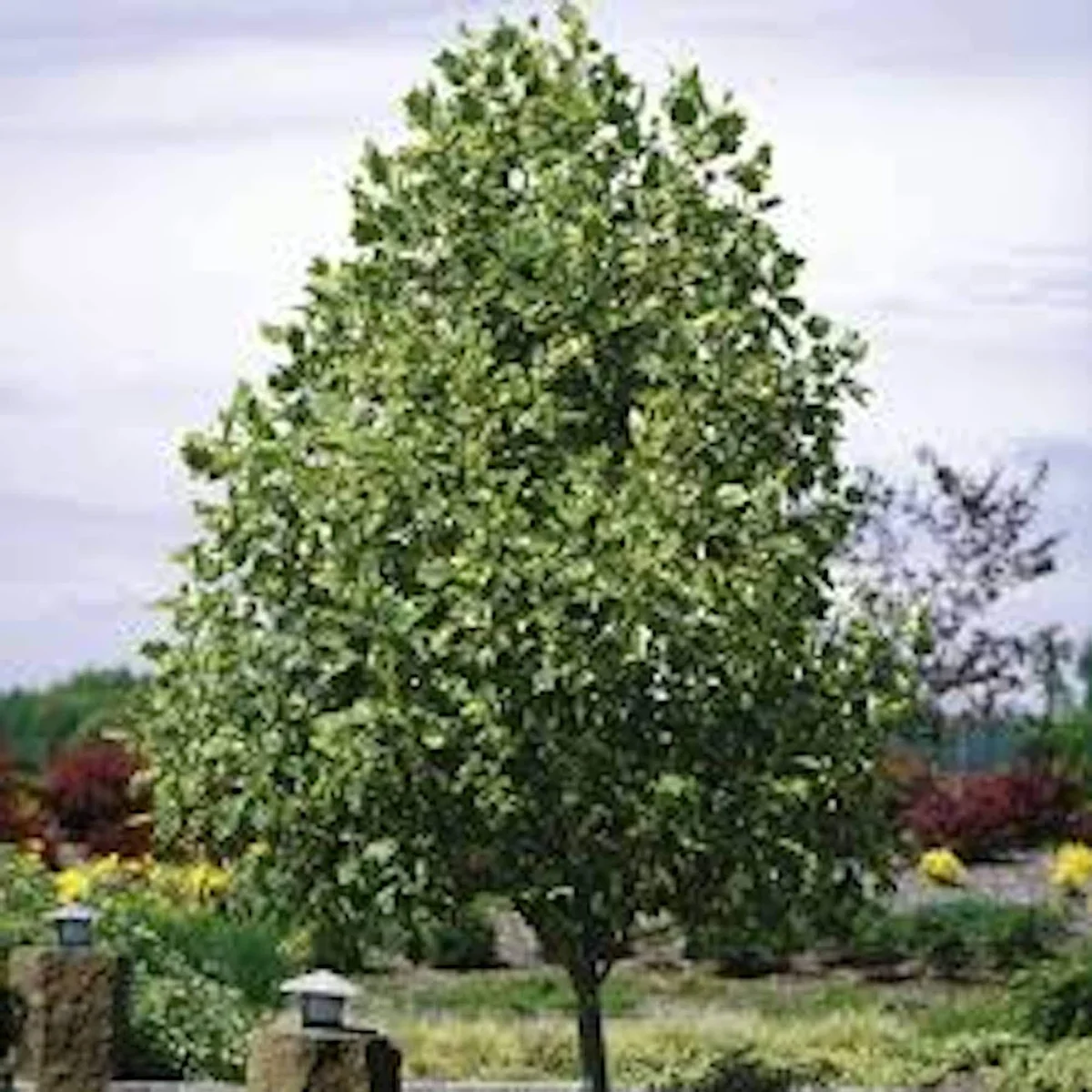
Introduce grandeur to your garden with our premium tulip poplar tree bare root saplings. This exceptional offer includes three robust tulip poplar tree specimens, each measuring between 12-24 inches in height. Known scientifically as Liriodendron tulipifera, this magnificent deciduous tree is celebrated for its remarkably fast growth rate and unique, tulip-shaped leaves. Despite its common name, it is not a true poplar but a proud member of the magnolia family, offering a touch of botanical elegance. Native to eastern North America, these trees can soar to impressive heights, providing substantial shade and a captivating presence in any landscape. Planting these bare root trees is an excellent way to establish a long-lasting, beautiful, and ecologically beneficial feature in your outdoor space, contributing to biodiversity and curb appeal.
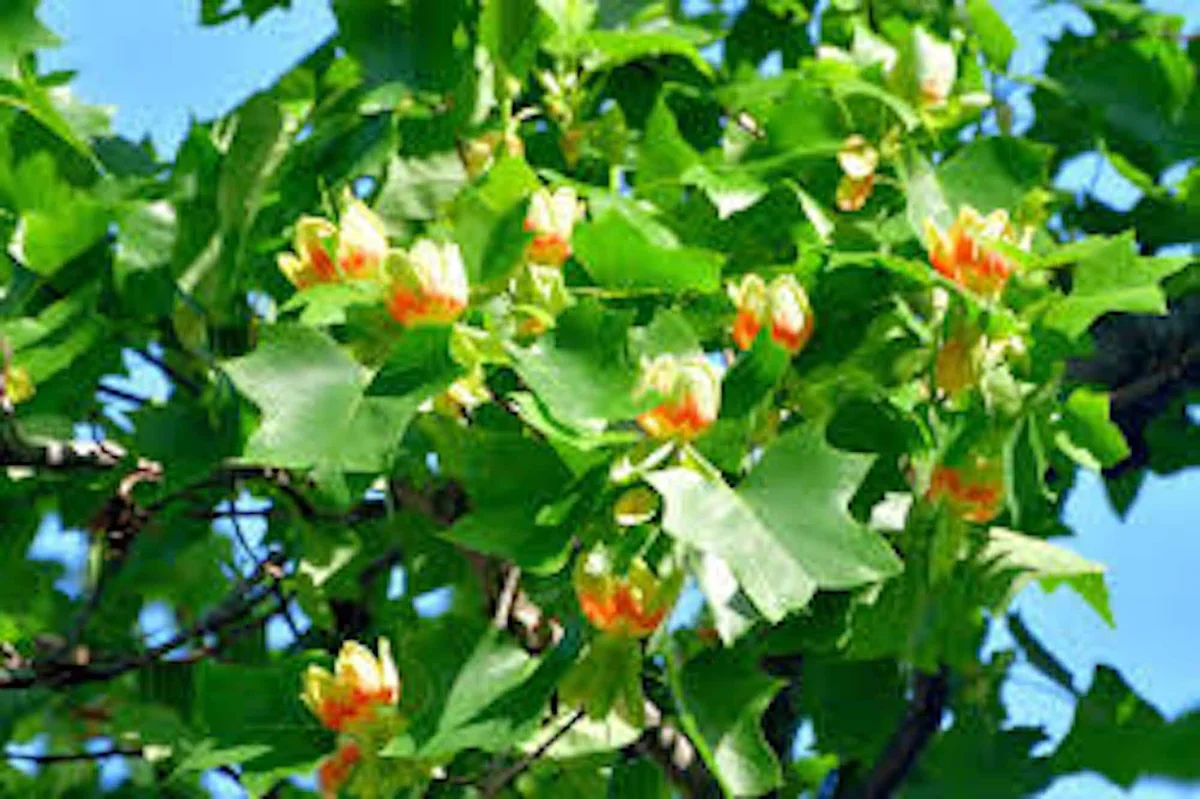
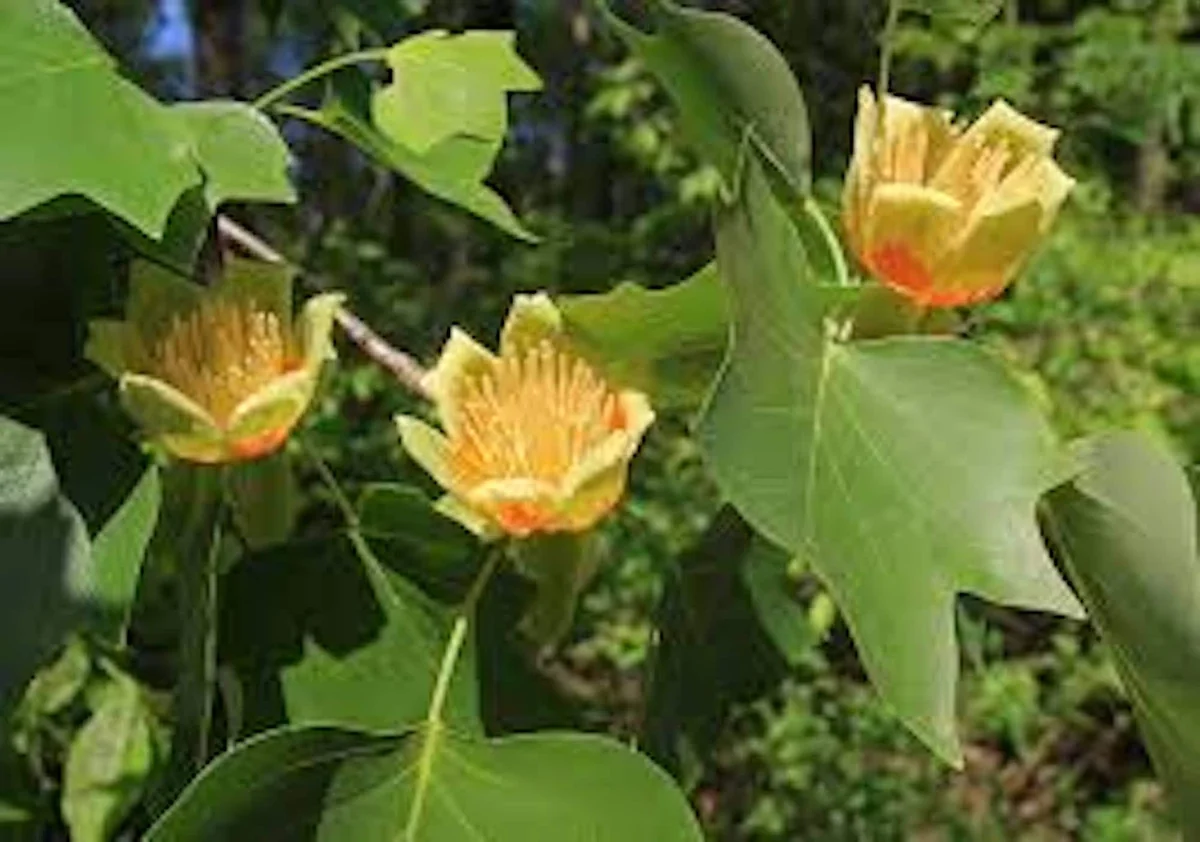
Our tulip poplar tree saplings are carefully selected to ensure vigorous growth and resilience. They arrive in a bare root state, which is an ideal and economical method for planting deciduous trees, allowing for easy establishment in your chosen location. With proper care, these young trees will quickly develop into stately giants, gracing your property with their distinctive form and, in time, their striking, cup-shaped, yellow-green flowers that resemble tulips. They are a fantastic choice for those looking for fast growing trees that also offer significant aesthetic value and ecological benefits, attracting pollinators and providing habitat.
Key Benefits
Investing in a tulip poplar tree offers a multitude of advantages for your property and the environment. These trees are not only visually appealing but also remarkably beneficial, making them a smart choice for any gardener or homeowner.
- Rapid Growth & Shade Provision: The tulip poplar tree is renowned for its impressive growth rate, quickly establishing itself to provide ample shade. This makes it an excellent choice for reducing energy costs in summer and creating comfortable outdoor living spaces. Its rapid development ensures you won’t wait long to enjoy its full benefits.
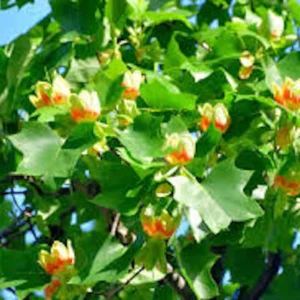
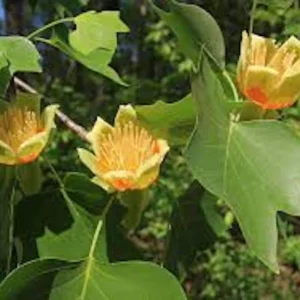
- Distinctive Foliage & Flowers: Enjoy the unique, four-lobed, tulip-shaped leaves that turn a brilliant golden-yellow in the fall, offering spectacular seasonal color. Mature trees also produce charming, cup-shaped, yellow-green flowers with an orange band at the base, adding an exotic touch to your landscape.
- Wildlife Attraction: The flowers of the Liriodendron tulipifera are a significant nectar source for bees and hummingbirds, supporting local pollinator populations. The tree’s structure also provides shelter and nesting sites for various bird species, enhancing your garden’s biodiversity.
- Low Maintenance & Adaptability: Once established, the tulip poplar tree is surprisingly low maintenance. It adapts well to a variety of soil types, including acidic, loamy, or clay soils, as long as they are well-drained. This makes Tulip Poplar care straightforward for gardeners of all experience levels.
- Erosion Control: Due to its extensive root system, the tulip poplar tree is effective in stabilizing soil and preventing erosion, particularly on slopes or along waterways. This natural benefit helps maintain the integrity of your landscape.
- Long Lifespan & Legacy: These trees are known for their longevity, often living for hundreds of years. Planting a tulip poplar tree is an investment in the future, creating a lasting legacy for generations to come and contributing to the enduring beauty of your property.
- Air Quality Improvement: Like all large trees, the Liriodendron tulipifera plays a crucial role in improving air quality by absorbing carbon dioxide and releasing oxygen, while also filtering airborne pollutants.
Plant Care & Growing Tips
Ensuring the successful establishment and growth of your tulip poplar tree bare root saplings requires attention to a few key care practices. These trees are generally hardy and resilient, but optimal conditions will encourage faster growth and a healthier specimen. The secret to good Tulip Poplar care starts with the right planting location and consistent initial watering.
Sunlight Requirements: Tulip poplars thrive in full sun, meaning they need at least 6 hours of direct sunlight per day to achieve their best growth and flowering potential. Choose a site that receives unobstructed sunlight throughout the day. While they can tolerate partial shade, their growth may be slower, and flowering less prolific. Watering Schedule & Soil Moisture: After planting your bare root trees, consistent watering is crucial for the first few years to help them establish. Water deeply 2-3 times a week, ensuring the soil remains consistently moist but not waterlogged. Once established, they are more drought-tolerant but will benefit from supplemental watering during prolonged dry spells. Soil Type & Drainage: Tulip poplars prefer well-drained soil. They are adaptable to various soil types, including acidic, loamy, or clay soils, but good drainage is paramount. Avoid planting in areas where water tends to collect, as this can lead to root rot. Amending heavy clay soils with organic matter can improve drainage. Temperature Range & USDA Hardiness Zone: These trees are highly adaptable and suitable for USDA Hardiness Zones 4 through 9, making them a versatile choice for many climates across the US. They are tolerant of both cold winters and hot summers within these zones. Fertilization Schedule & Type: In most cases, established tulip poplars do not require heavy fertilization. For young trees, a balanced, slow-release granular fertilizer applied in early spring can encourage growth. Always follow the manufacturer’s instructions to avoid over-fertilization. Common Problems & Solutions: Tulip poplars are generally disease-resistant. Watch out for aphids and scale insects, which can be managed with insecticidal soap or horticultural oil. Proper site selection and good air circulation can help prevent fungal issues. Ensuring adequate water during dry periods will prevent stress, which can make trees more susceptible to pests and diseases.
Size & Details
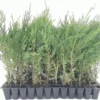
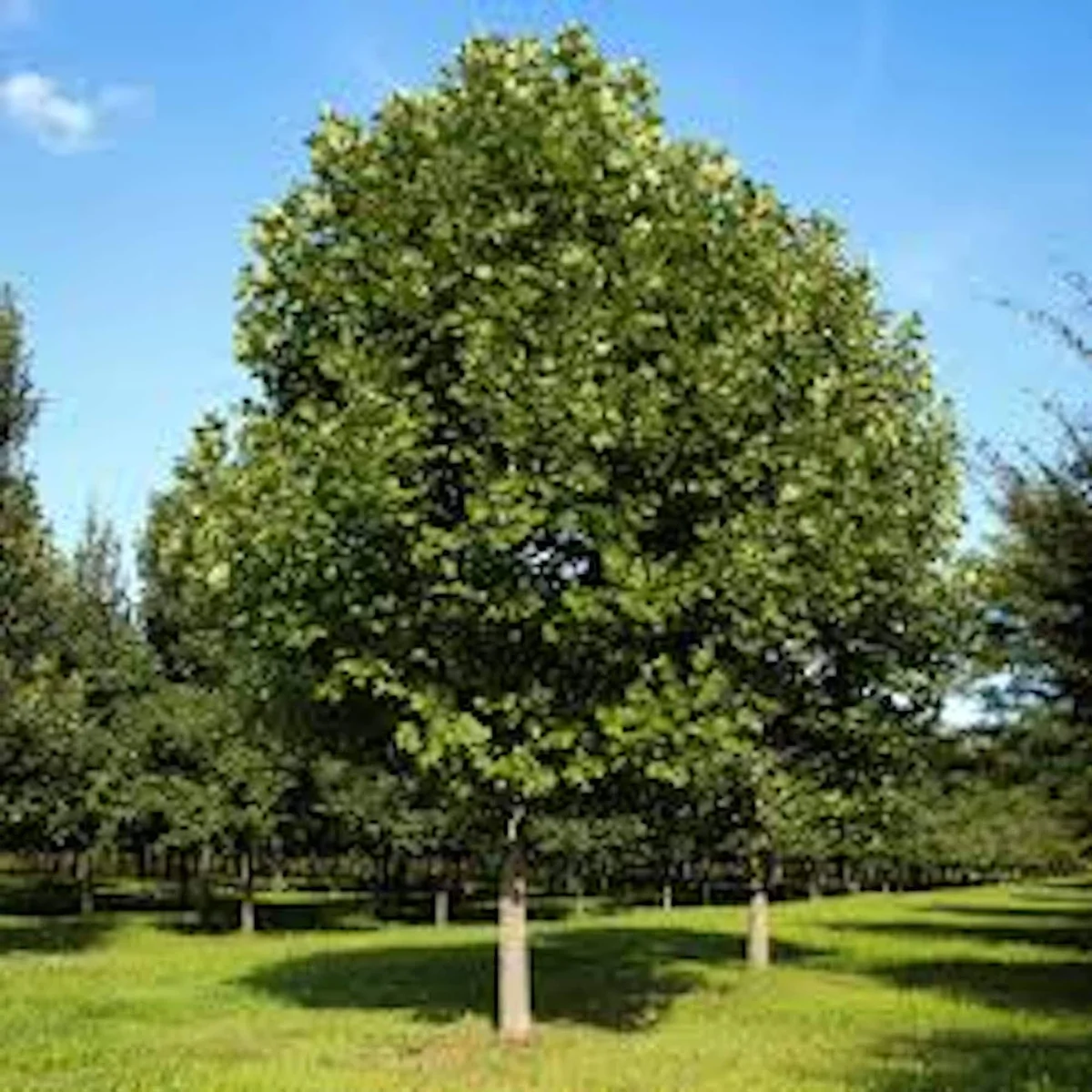
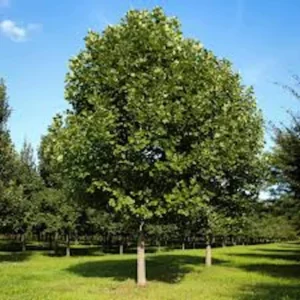
This offering includes 3 individual tulip poplar tree bare root saplings, each carefully selected for health and vigor. The height of each sapling ranges from 12 to 24 inches at the time of shipping, providing you with young, adaptable specimens ready for planting. As fast growing trees, these saplings will quickly put on significant height once established in your landscape. A mature Liriodendron tulipifera can reach impressive heights of over 100 feet with a spread of 40-50 feet, developing a broad, pyramidal to oval crown. These trees are shipped as bare root trees, meaning they arrive without soil around their roots, which is an efficient and effective method for transplanting deciduous trees during their dormant season. This allows for easier handling and reduces transplant shock. Expect to see significant growth within the first few years, with the tree adding several feet in height annually under ideal conditions. The first flowers typically appear when the tree is around 10-15 years old, adding another layer of beauty to its impressive stature.
Frequently Asked Questions
- Q: How big will my tulip poplar tree get? A: A mature tulip poplar tree can reach heights of over 100 feet and spread 40-50 feet wide, forming a majestic, stately presence in your landscape. Its impressive size makes it ideal for large properties or open spaces where it has room to grow.
- Q: Is this an indoor or outdoor plant? A: The tulip poplar tree is strictly an outdoor tree. It requires ample space, full sun exposure, and the natural elements to thrive and reach its full potential. It is not suitable for indoor cultivation.
- Q: How much sunlight does a tulip poplar tree need? A: For optimal growth and health, the Liriodendron tulipifera requires full sun, meaning at least 6 hours of direct sunlight per day. Adequate sunlight is crucial for vigorous growth and potential flowering.
- Q: Is this tree easy to care for? A: Yes, once established, the tulip poplar tree is considered low-maintenance. Its Tulip Poplar care needs are minimal, primarily requiring consistent watering during establishment and good drainage. It’s an excellent choice for both new and experienced gardeners.
- Q: What condition will the bare root trees arrive in? A: Your bare root trees will arrive dormant, carefully packaged without soil around their roots. This is a standard and effective method for shipping deciduous trees, ensuring they are ready for planting upon arrival.
- Q: When is the best time to plant bare root tulip poplars? A: The ideal time to plant bare root trees like the tulip poplar is in early spring, after the last hard frost, but before the tree breaks dormancy. This allows the roots to establish before the stress of summer heat.
- Q: What USDA Hardiness Zones are suitable for tulip poplars? A: Tulip poplars are hardy in USDA Zones 4 through 9. This wide range makes them suitable for cultivation across a significant portion of the United States, tolerating various climate conditions.
- Q: How quickly do these trees grow? A: Tulip poplars are known as fast growing trees, often adding 1-3 feet in height annually under ideal growing conditions. This rapid growth makes them a popular choice for quickly establishing shade and vertical interest.
- Q: Will these trees attract wildlife? A: Yes, the flowers of the Liriodendron tulipifera are a favorite of bees and hummingbirds, and the mature trees provide excellent habitat and nesting sites for various bird species, enhancing your garden’s biodiversity.
- Q: What kind of soil does a tulip poplar prefer? A: Tulip poplars prefer well-drained soil and are adaptable to acidic, loamy, or clay soils. Good drainage is key to preventing root issues and ensuring healthy growth for your tulip poplar tree.


Reviews
There are no reviews yet.