Overview
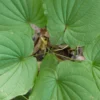
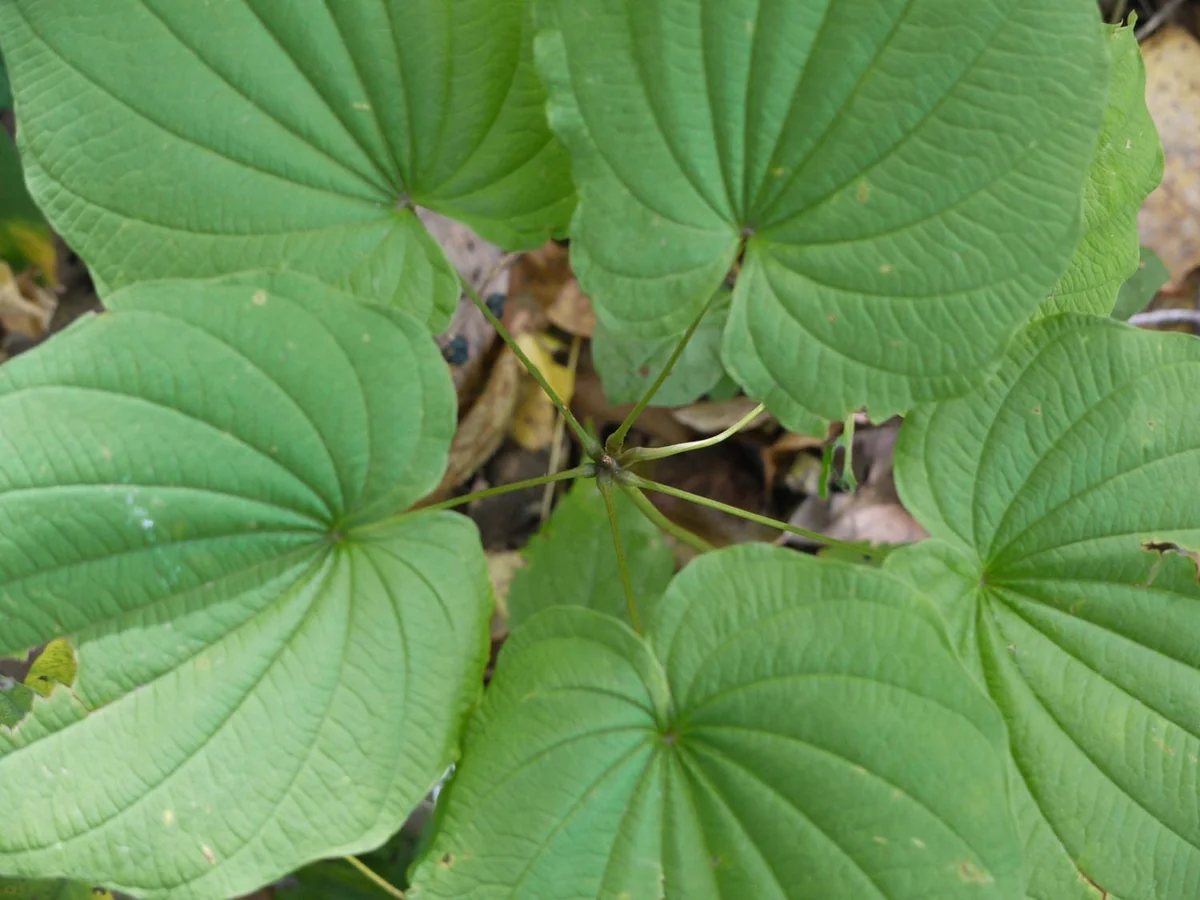
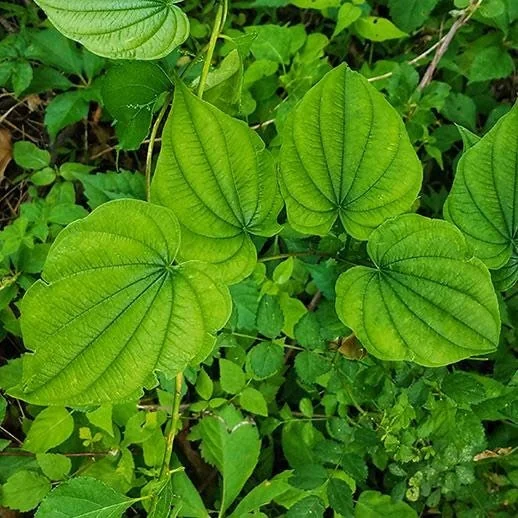
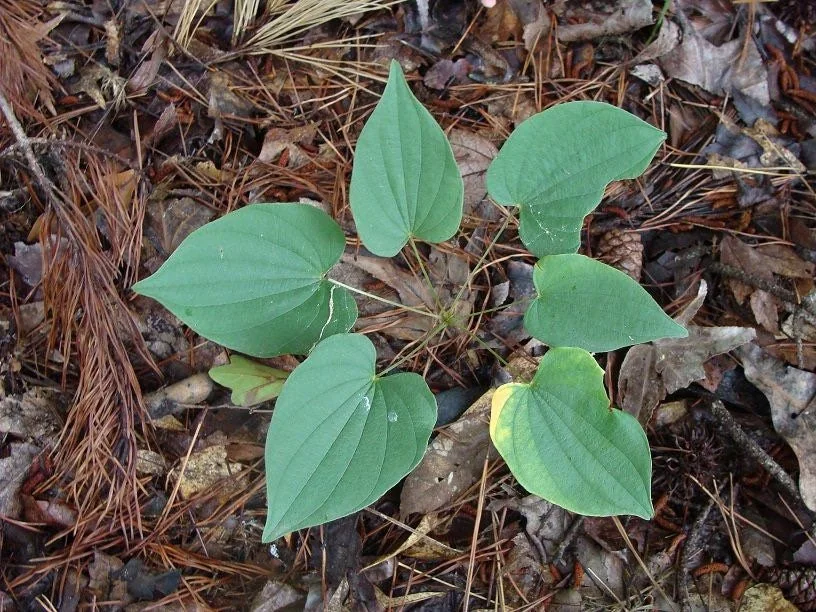
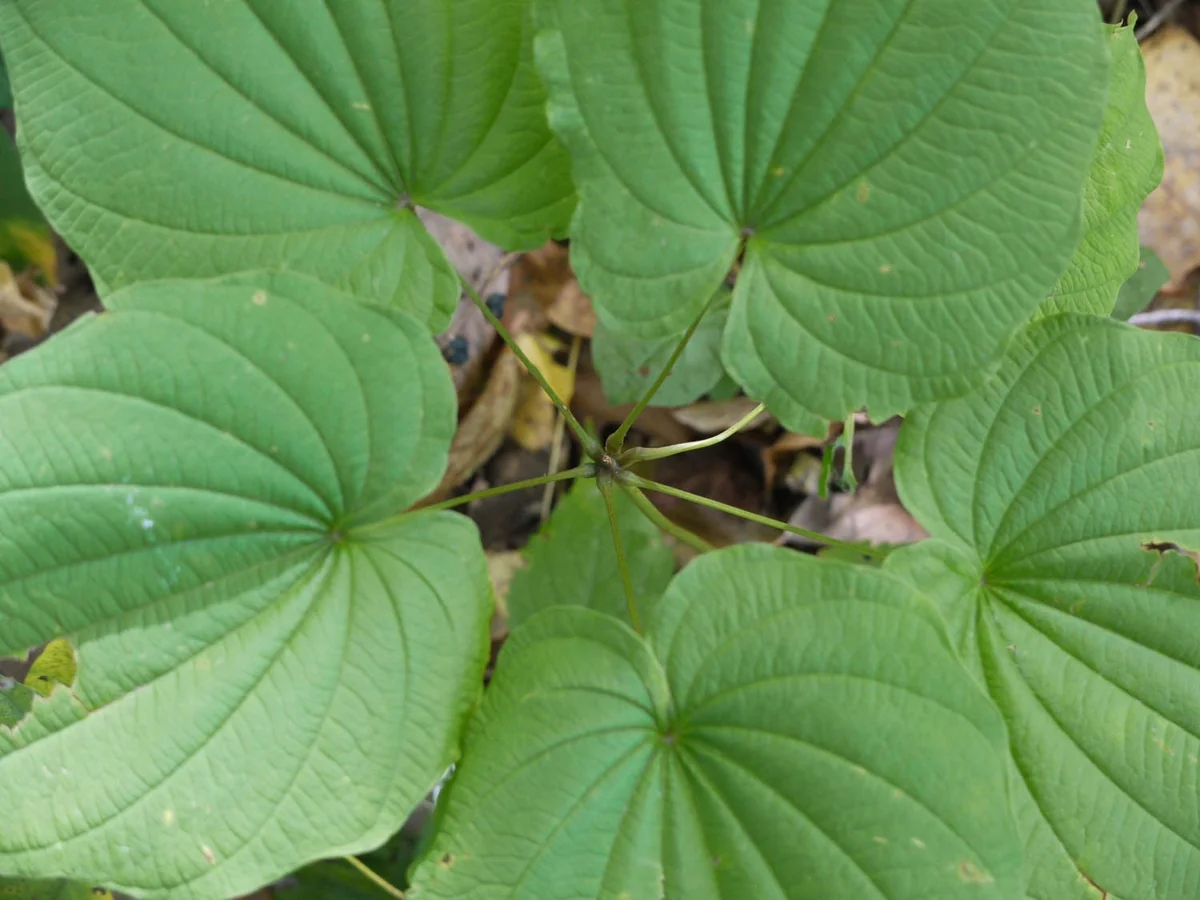
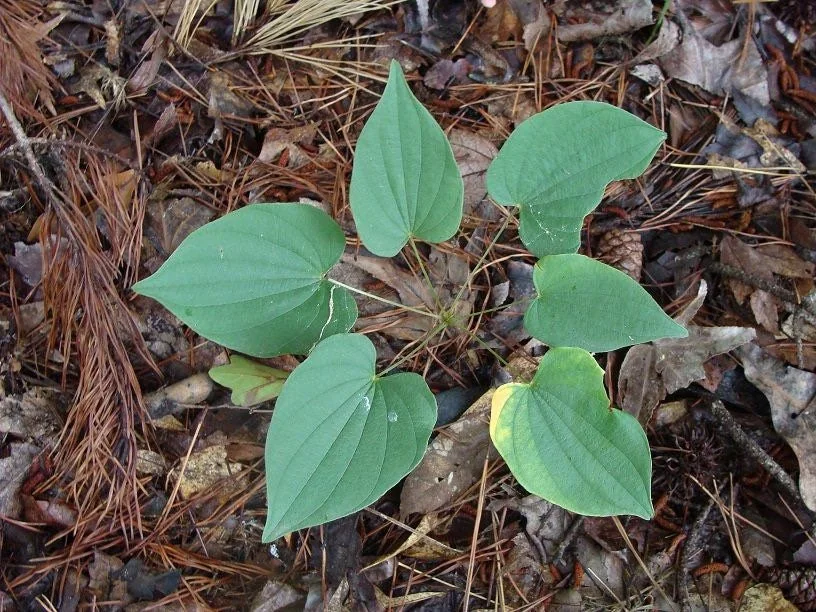
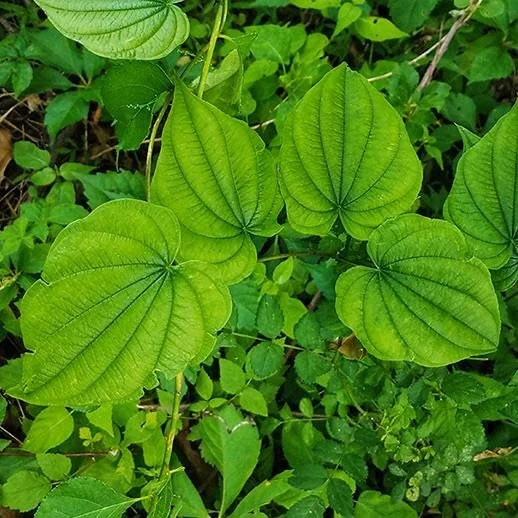
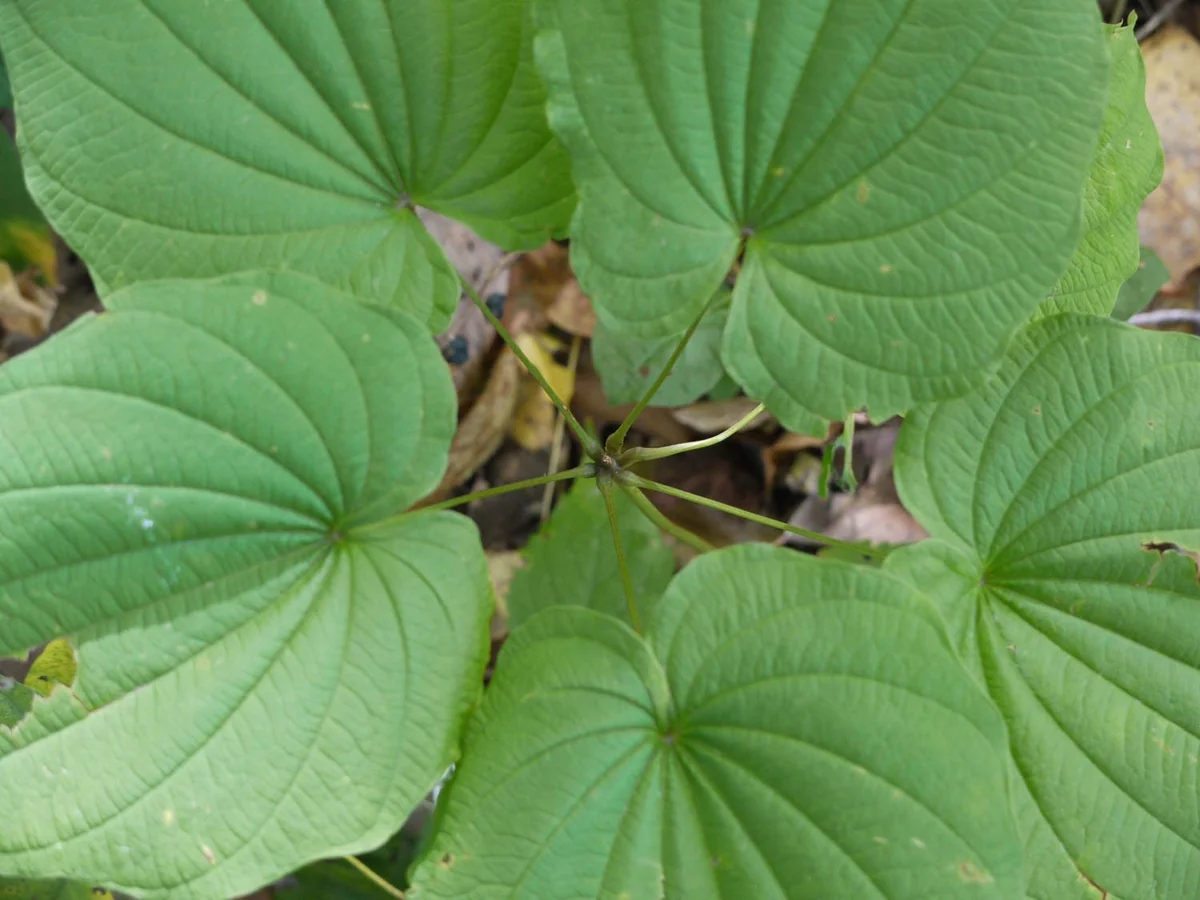
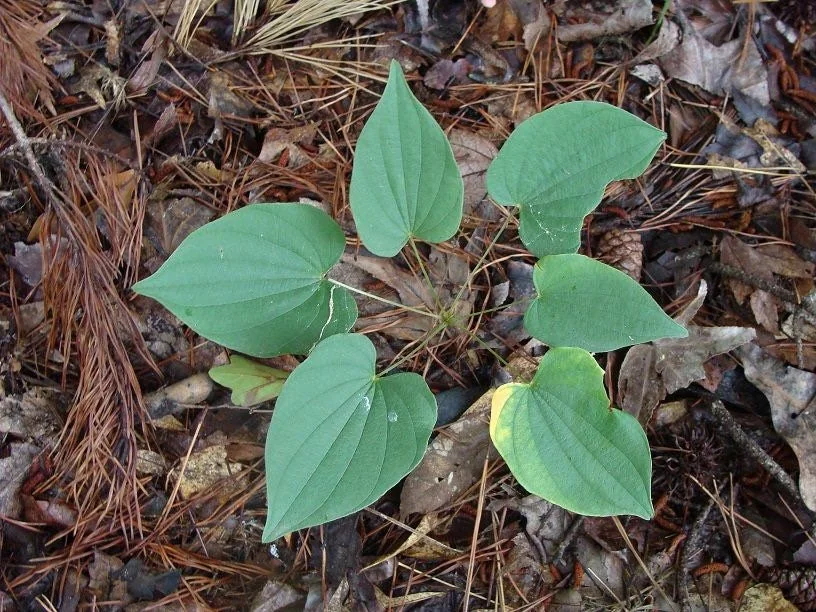
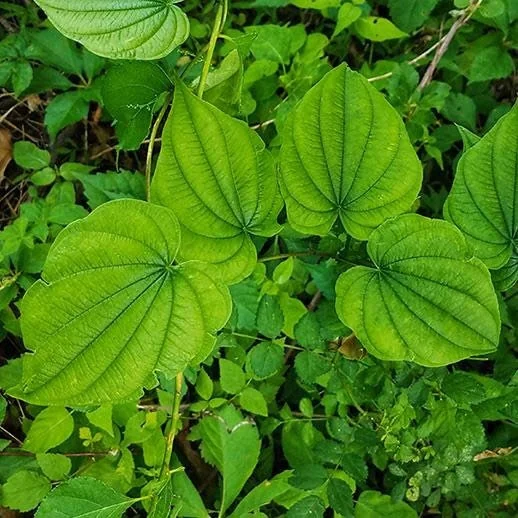
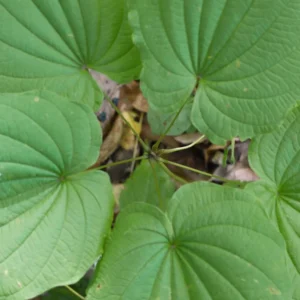
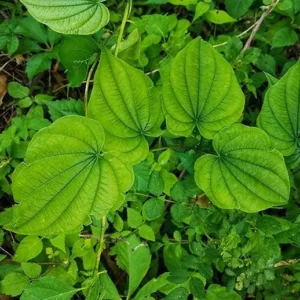
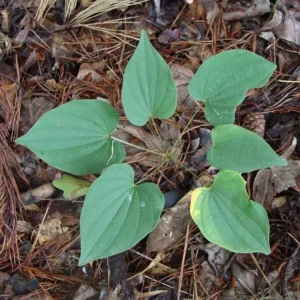
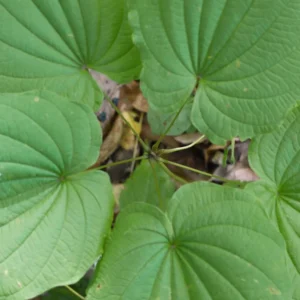
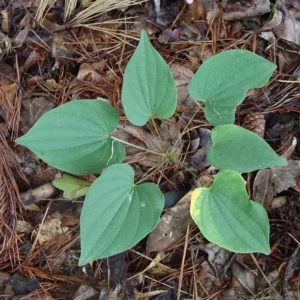
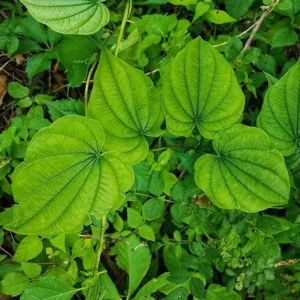
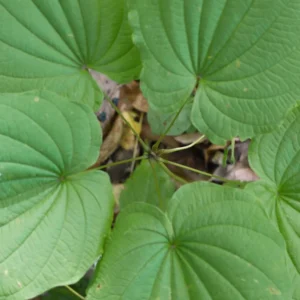
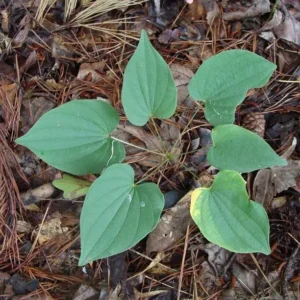
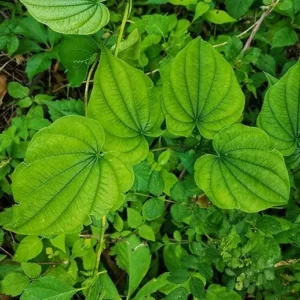
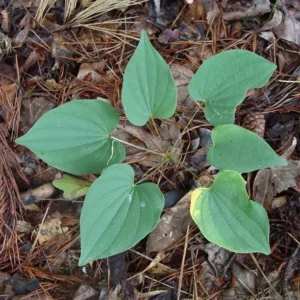
Cultivate a piece of native American flora with our offering of 3 Wild Yam bare root plants. Scientifically known as Dioscorea Villosa, this remarkable organic perennial vine is highly valued for its vigorous growth and historical uses. Each order includes three healthy bare roots, ready to be planted and established in your garden. The wild yam is a beautiful climbing plant that can add a unique, naturalistic touch to fences, trellises, or other garden structures. Its heart-shaped leaves and delicate green flowers make it an attractive addition to any landscape, while its resilience ensures it will thrive in a variety of conditions. This native wildflower is an excellent choice for those looking to enhance their garden with a plant that offers both aesthetic appeal and ecological benefits.
Our wild yam bare root plants are organically grown, ensuring you receive a product free from synthetic pesticides or fertilizers. This commitment to organic practices supports healthier plants and a healthier environment. Once established, the dioscorea villosa plant will develop into a robust perennial, returning year after year with minimal intervention. Its adaptability makes it suitable for various garden styles, from formal to wild, and it can grow quite tall, providing excellent coverage and vertical interest. Embracing an organic perennial vine like wild yam means investing in sustainable gardening and enjoying the long-term benefits of a resilient and beautiful plant.
Key Benefits
Choosing to grow wild yam bare root plants offers numerous advantages for both your garden and potential personal use. Here are some key benefits:
- Native Wildflower: As a native wildflower, Wild Yam (Dioscorea Villosa) is perfectly adapted to local ecosystems, requiring less maintenance and contributing to biodiversity. It supports local wildlife and thrives naturally without extensive care.
- Vigorous Growth Habit: This organic perennial vine is known for its strong climbing ability, quickly covering structures like arbors, pergolas, or fences. Its robust growth provides excellent natural screening and vertical interest in the garden.
- Organically Grown: Our wild yam plants are cultivated without synthetic chemicals, ensuring you receive a pure, healthy product. This promotes a sustainable garden environment and healthier plants.
- Medicinal Herb Potential: Historically, medicinal herb plant varieties like Wild Yam have been valued for their traditional uses. Growing your own allows you to connect with these historical practices and appreciate the plant’s natural properties.
- Low Maintenance: Once established, the dioscorea villosa plant is remarkably hardy and requires minimal ongoing care. It is drought-tolerant and generally pest-resistant, making it an easy-to-grow addition to your garden.
- Erosion Control: Due to its extensive root system and climbing nature, wild yam can be effective in stabilizing soil on slopes and preventing erosion, especially in naturalized areas.
- Attracts Pollinators: The subtle flowers of the wild yam bare root can attract beneficial pollinators to your garden, contributing to a healthy and vibrant ecosystem.
Plant Care & Growing Tips
To ensure your wild yam bare root plants thrive, proper planting and care are essential. Wild Yam (Dioscorea Villosa) prefers a location with partial shade to full sun, ideally receiving 4-6 hours of direct sunlight per day. While it can tolerate more sun, especially in cooler climates, some afternoon shade is beneficial in hotter regions to prevent leaf scorch. Plant the bare roots in well-draining soil that is rich in organic matter. A slightly acidic to neutral pH (6.0-7.0) is ideal for this organic perennial vine. Incorporate compost or well-rotted manure into the planting hole to provide essential nutrients and improve soil structure.
When planting your dioscorea villosa plant, dig a hole large enough to accommodate the roots without bending them. Place the bare root with the crown (where the stem meets the root) just below the soil surface. Backfill with soil, gently firming around the roots to remove air pockets, then water thoroughly. Regular watering is crucial during the first growing season to help the plant establish its root system. Once established, wild yam is quite drought-tolerant, but consistent moisture during dry periods will promote more vigorous growth. Provide a trellis, fence, or other sturdy support for this climbing vine, as it can reach considerable heights. The native wildflower does not typically require heavy fertilization; a balanced, organic fertilizer application in early spring can be beneficial but is often not necessary if the soil is rich in organic matter.
Protect your wild yam bare root from extreme cold in its first winter, especially in the lower end of its hardiness range, by applying a thick layer of mulch over the planting area. This will insulate the roots and help the plant overwinter successfully. Pruning is generally limited to removing dead or damaged foliage and controlling its spread if it becomes too vigorous. This particular medicinal herb plant is relatively pest and disease resistant, making it a robust choice for a low-maintenance garden. By following these simple care guidelines, your wild yam bare root will flourish and provide beauty for many years.
Size & Details
This offering includes 3 Wild Yam bare root plants, Dioscorea Villosa. These bare roots are planting stock, harvested fresh to ensure optimal viability upon arrival. Each root is carefully selected to provide a strong start for your new organic perennial vine. Wild yam is a fast-growing vine, typically reaching heights of 10-15 feet in a single growing season once established, though it can grow even taller with ideal conditions and support. The roots are shipped without foliage or soil, ready for immediate planting upon arrival. They will quickly sprout new growth once planted in suitable conditions. The plant is known for its heart-shaped leaves and slender stems, which will rapidly climb any available support structure. Expect to see significant growth in its first year, establishing its presence as a robust dioscorea villosa plant in your garden.
Frequently Asked Questions
- Q: What condition will the 3 Wild Yam plants arrive in? A: You will receive 3 Wild Yam bare root plants. They are shipped without foliage or soil, ready for planting, and are harvested fresh to ensure their health upon arrival.
- Q: How tall does this Dioscorea Villosa plant get? A: The dioscorea villosa plant is a vigorous climber that can typically reach heights of 10-15 feet or more in a growing season, given adequate support and favorable conditions.
- Q: Is this an indoor or outdoor plant? A: Wild Yam is primarily an outdoor plant, best suited for gardens where it can climb. It is a hardy organic perennial vine that thrives in natural settings.
- Q: How much sunlight does the wild yam bare root need? A: This plant prefers partial shade to full sun, ideally receiving 4-6 hours of direct sunlight daily. In hotter climates, some afternoon shade is beneficial.
- Q: Is this plant easy to care for? A: Yes, once established, the wild yam bare root is considered low-maintenance and quite hardy, making it suitable for gardeners of various experience levels.
- Q: When is the best time to plant the wild yam bare root? A: The ideal time to plant bare roots is in spring, after the last frost, allowing the plant ample time to establish before the heat of summer or the cold of winter.
- Q: What type of soil does this native wildflower prefer? A: The native wildflower wild yam thrives in well-draining soil that is rich in organic matter. A slightly acidic to neutral pH is generally preferred.
- Q: Can this medicinal herb plant be grown in containers? A: While primarily suited for ground planting due to its vigorous climbing habit, it can be grown in very large containers with substantial support, though it may not reach its full potential size.
- Q: How long until I see new growth from the bare roots? A: With proper planting and consistent moisture, you should typically see new shoots emerging from your wild yam bare root within a few weeks of planting in spring.
- Q: Will this organic perennial vine survive winter? A: Yes, as an organic perennial vine, Wild Yam is hardy in its appropriate USDA zones and will typically die back to the ground in winter, re-emerging in spring.


Reviews
There are no reviews yet.