Overview
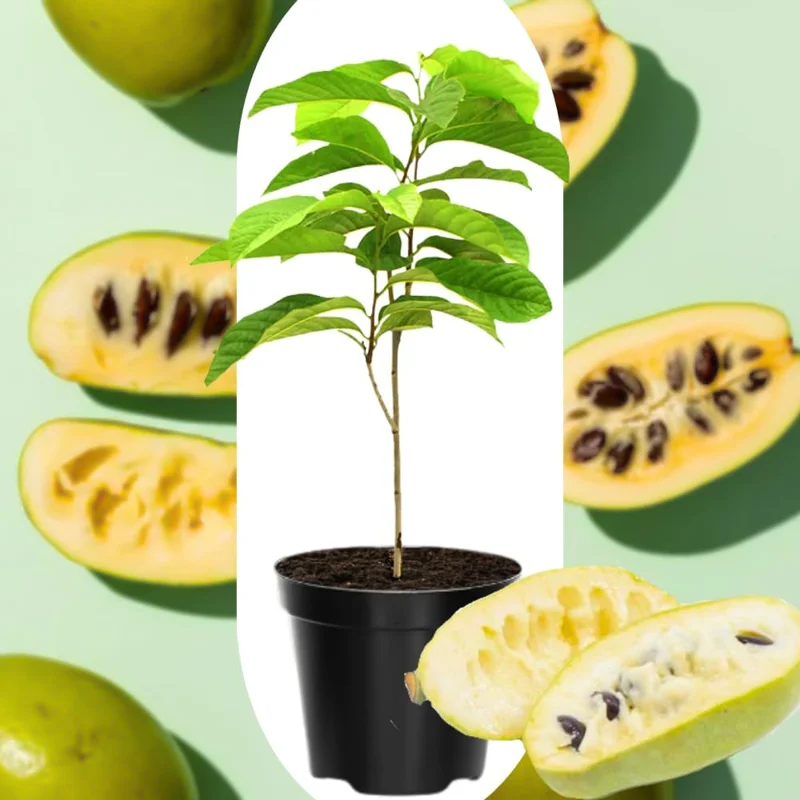
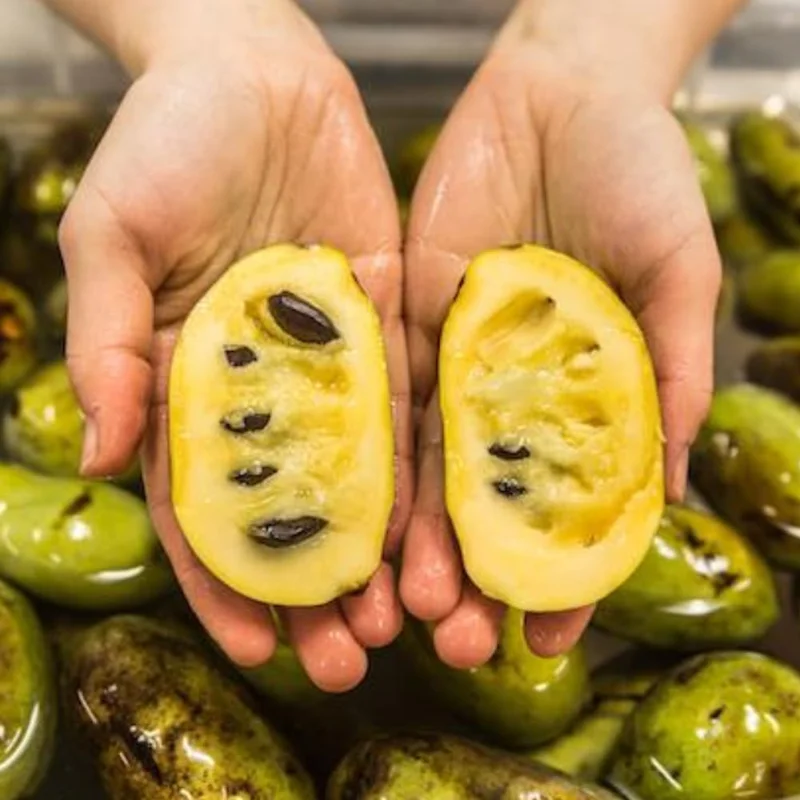
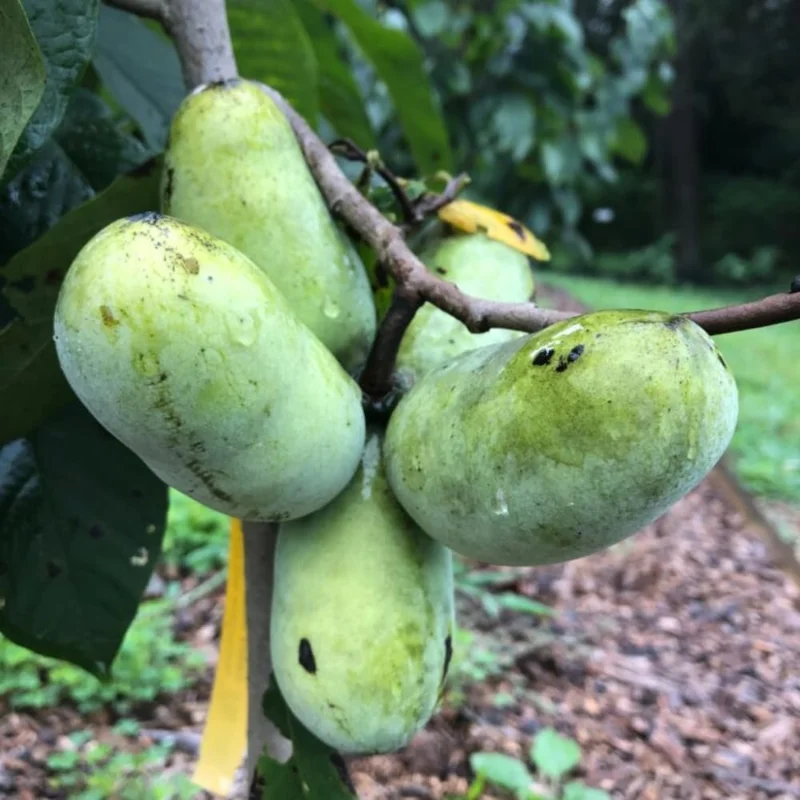
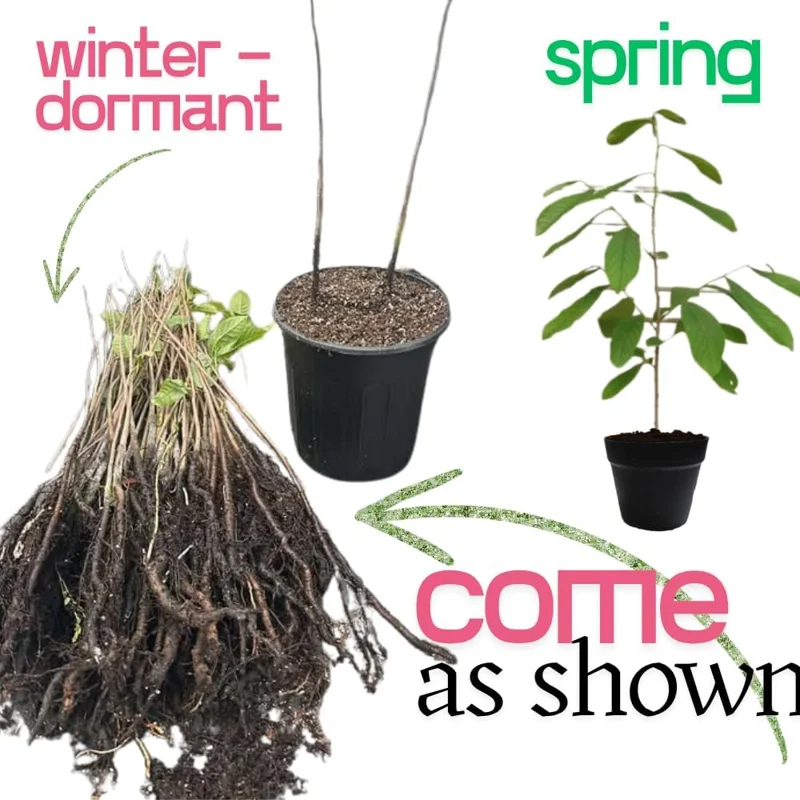
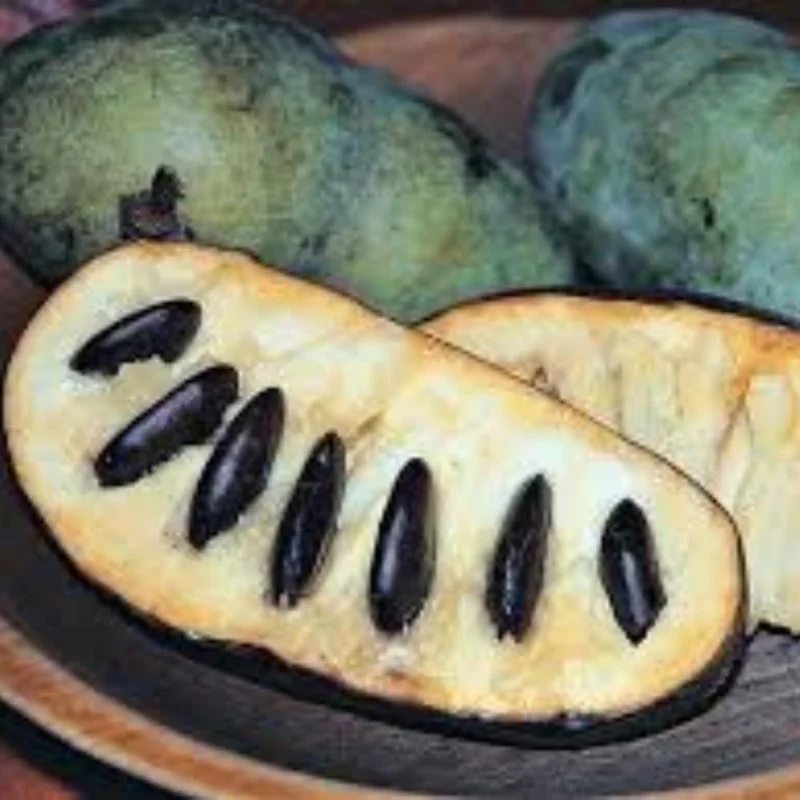
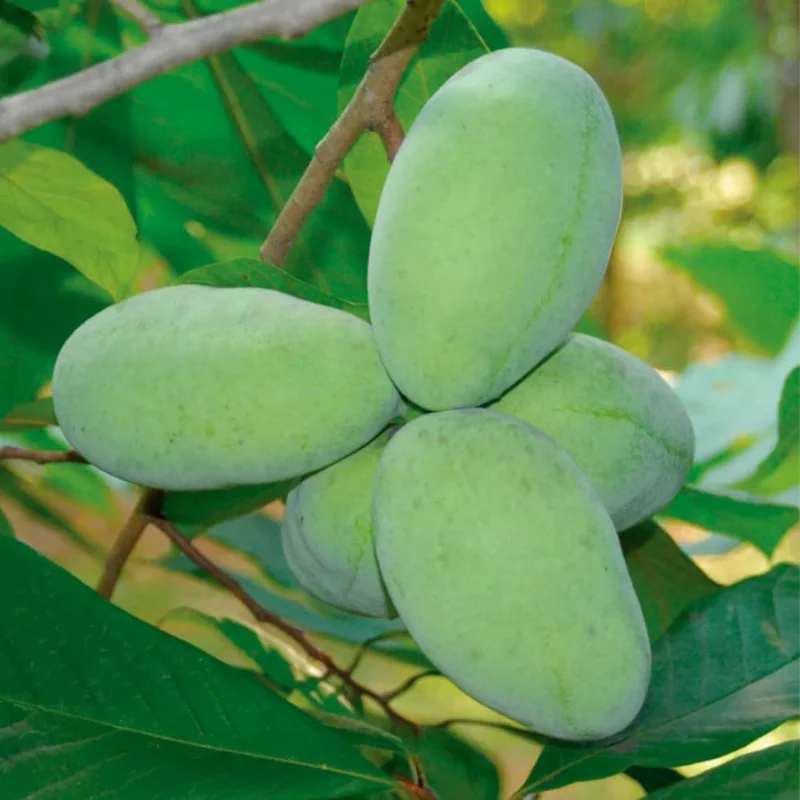
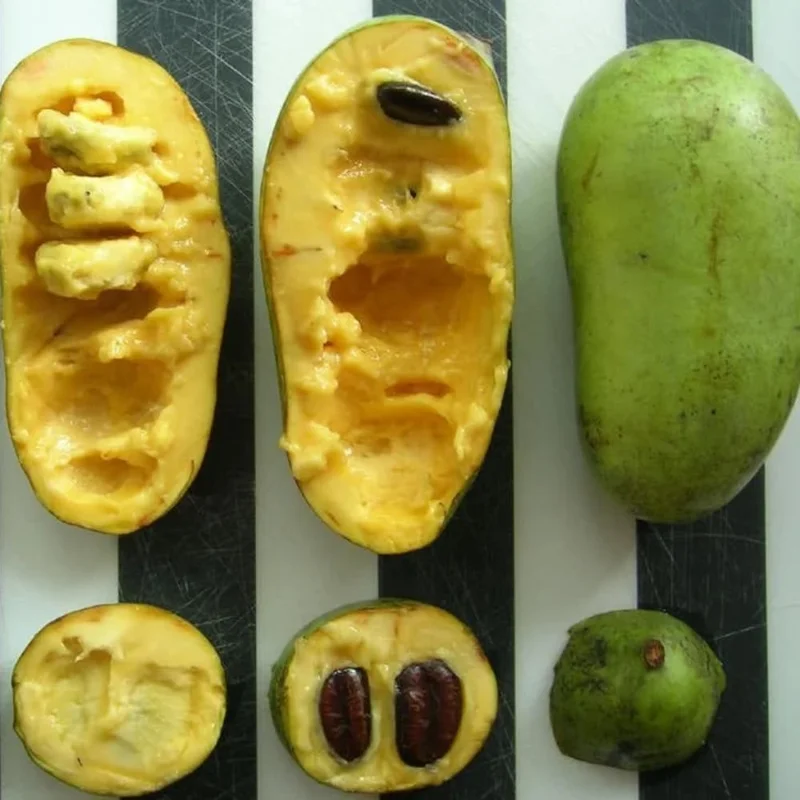
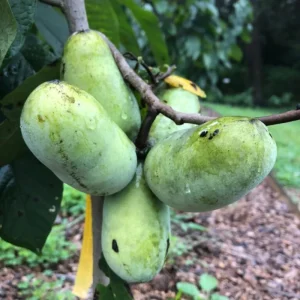
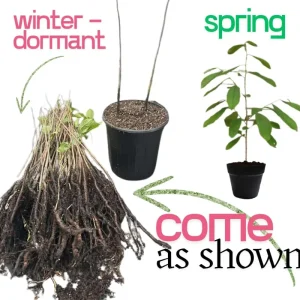
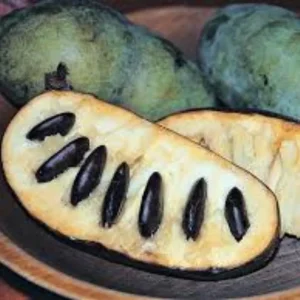
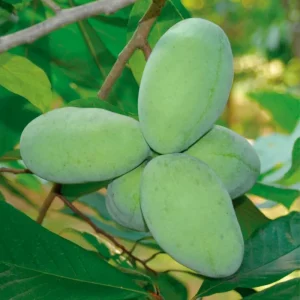
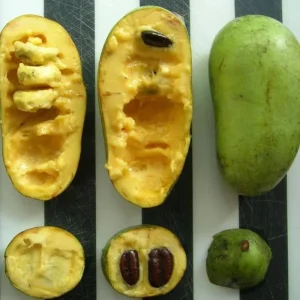
Embark on a unique gardening journey with these American Pawpaw trees, offering a taste of the tropics right in your backyard. This special offer includes four 1-year-old bare-root seedlings, each standing between 6 to 15 inches tall, making them ideal for planting and establishing a future orchard. The American Pawpaw, scientifically known as Asimina triloba, is a fascinating native North American fruit tree renowned for its custard-like fruit with a rich, tropical flavor often compared to a blend of banana, mango, and pineapple. These hardy plants are shipped dormant and leafless, perfectly primed for spring growth and ready to burst into life in your garden. Growing your own pawpaw fruit tree is a rewarding experience, providing both ornamental beauty and a delicious, unique harvest.
These robust seedlings are specifically chosen for their adaptability and cold hardiness, thriving across a wide range of climates. They represent an excellent opportunity to introduce a distinctive, low-maintenance fruit tree into your landscape. With proper care, these young trees will grow into mature, fruit-bearing specimens, providing years of enjoyment and a bountiful harvest of America’s largest native fruit. Discover the joy of cultivating this unique botanical treasure and enjoy the unparalleled taste of fresh pawpaws.
Key Benefits
Adding American Pawpaw trees to your garden offers a multitude of benefits, from their unique fruit to their ecological value.
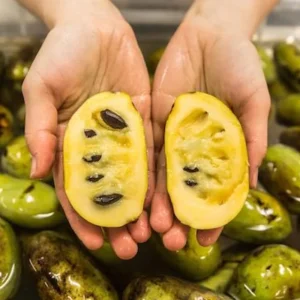
- Unique Fruit Production: Enjoy the distinct, tropical-flavored fruit with a creamy, custard-like texture. Pawpaws are America’s largest native fruit and offer a taste unlike any other, perfect for fresh eating, desserts, or preserves.
- Cold Hardy & Adaptable: These Asimina triloba plant seedlings are cold-hardy, thriving naturally in USDA Zones 5-9. They are strong, adaptable, and well-suited for a variety of climates, making them a reliable choice for many gardeners.
- Native & Sustainable Choice: As a native North American species, pawpaw trees are an excellent choice for supporting local ecosystems and biodiversity. They are naturally resistant to many pests and diseases, requiring less intervention than many conventional fruit trees.
- Ornamental Value: Beyond their delicious fruit, pawpaw trees offer attractive foliage and unique, maroon-colored flowers in spring, adding aesthetic appeal to your landscape.
- Low Maintenance: Once established, these hardy trees require relatively little maintenance, making them suitable for both experienced and novice gardeners looking for a productive pawpaw fruit tree.
- Early Bearing Potential: While these are 1-year-old seedlings, with good care, they can begin bearing fruit within a few years, offering a relatively quick return on your gardening investment.
- Pollinator Friendly: Pawpaw flowers attract native pollinators, contributing to the health of your garden and surrounding environment.
Plant Care & Growing Tips
Caring for your American Pawpaw trees is relatively straightforward, especially once they are established. Pawpaws prefer a location with full sun to partial shade. Young trees benefit from some afternoon shade, especially in hotter climates, as direct, intense sun can scorch tender leaves. Aim for at least 6 hours of direct sunlight for mature trees to ensure optimal fruit production. Pawpaws thrive in rich, deep, moist, and well-drained soil with a slightly acidic to neutral pH (5.5-7.0). Amend heavy clay soils with organic matter to improve drainage and aeration. Ensure the planting site is not prone to waterlogging, as pawpaws do not tolerate wet feet.
Watering is crucial, especially during the first few years after planting. Keep the soil consistently moist but not waterlogged. Deep watering once or twice a week during dry periods is generally sufficient. Reduce watering in fall as the trees head into dormancy. Once established, pawpaw trees are quite drought-tolerant. Fertilize young Asimina triloba plant seedlings sparingly with a balanced organic fertilizer in spring after new growth appears. Avoid high-nitrogen fertilizers. As the trees mature, a light application of compost or a slow-release granular fertilizer formulated for fruit trees can be beneficial. These hardy trees are naturally resistant to many pests and diseases, making pawpaw tree care relatively simple. Protect young trees from deer and rabbits, which may browse on tender shoots. Pruning is generally minimal, focusing on removing dead, damaged, or crossing branches to maintain good air circulation and shape.
Size & Details
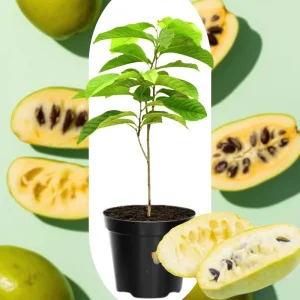
This offering includes four American Pawpaw trees, supplied as 1-year-old bare-root seedlings. Each seedling measures approximately 6 to 15 inches tall, providing a healthy start for establishing your pawpaw patch. Bare-root plants are shipped dormant, without soil around their roots, which helps reduce shipping stress and allows for easy planting upon arrival. These young trees are ready to be planted directly into your garden in early spring, where their roots will quickly establish in the soil. Pawpaw trees have a moderate growth rate, typically reaching 15-20 feet in height and spread at maturity, though they can grow taller in ideal conditions. Expect these seedlings to begin bearing fruit in approximately 3-5 years after planting, with full production achieved in 7-10 years. They are an excellent choice for a long-term investment in a unique and delicious fruit-bearing landscape.
Frequently Asked Questions
- Q: How big do these American Pawpaw trees get at maturity? A: Mature American Pawpaw trees typically reach a height of 15-20 feet and a similar spread, though they can sometimes grow taller. Their size can be managed with light pruning.
- Q: Is this an indoor or outdoor plant? A: These are outdoor fruit trees. They require direct sunlight and the natural cycles of outdoor weather to thrive and produce fruit. They are not suitable for indoor cultivation.
- Q: How much sunlight do these pawpaw trees need? A: For best fruit production, mature Asimina triloba plant trees prefer full sun (at least 6 hours of direct sunlight). Young seedlings benefit from some afternoon shade to protect their tender leaves from intense sun.
- Q: Is this plant easy to care for, especially for beginners? A: Yes, pawpaw trees are considered relatively easy to care for once established. They are quite hardy and resistant to many common problems, making pawpaw tree care manageable for beginners.
- Q: What condition will the trees arrive in? A: The trees will arrive as dormant, bare-root seedlings, meaning they will be leafless and without soil around their roots. This is normal for dormant plants and ensures they are ready for planting.
- Q: When is the best time to plant these pawpaw trees? A: The best time to plant dormant bare-root pawpaw trees is in early spring, as soon as the soil can be worked and after the last hard frost.
- Q: Will these pawpaw trees survive winter in my zone? A: Yes, these hardy fruit trees are suitable for USDA Zones 5-9, meaning they are well-adapted to survive the winter conditions in those regions.
- Q: Do I need more than one pawpaw tree for fruit production? A: While some pawpaw varieties are self-fertile, most produce better and larger crops with cross-pollination from a different pawpaw variety. Planting multiple trees is recommended for optimal fruit set.
- Q: How long until these 1-year-old seedlings start producing fruit? A: These 1-year-old seedlings can typically begin bearing fruit in 3-5 years after planting, with full production achieved in 7-10 years.
- Q: What kind of soil is best for pawpaw trees? A: Pawpaw trees prefer rich, deep, moist, and well-drained soil with a slightly acidic to neutral pH. Good drainage is crucial to prevent root rot.


Reviews
There are no reviews yet.