Overview
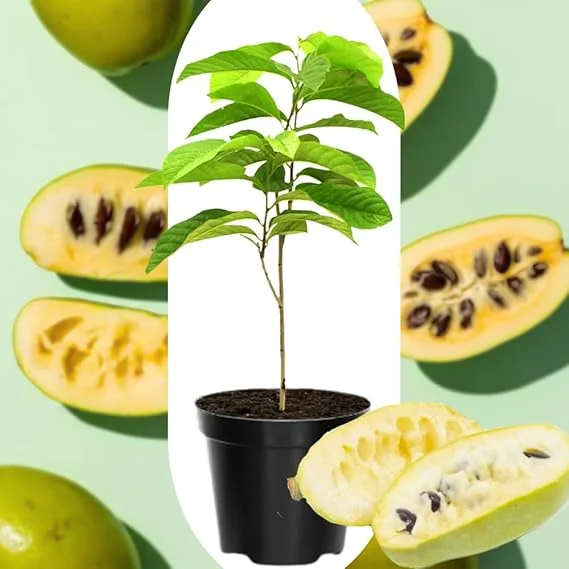
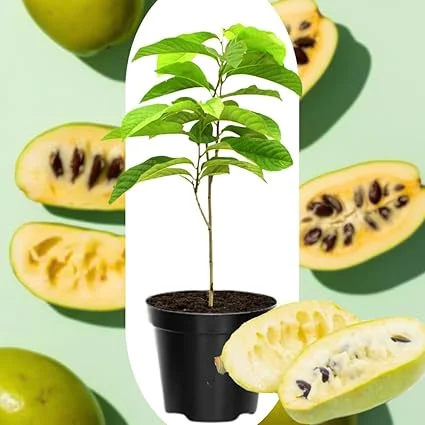
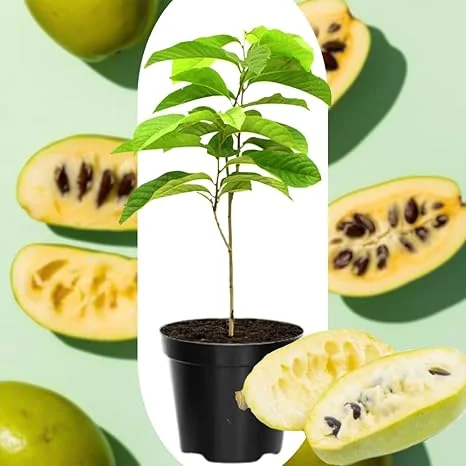
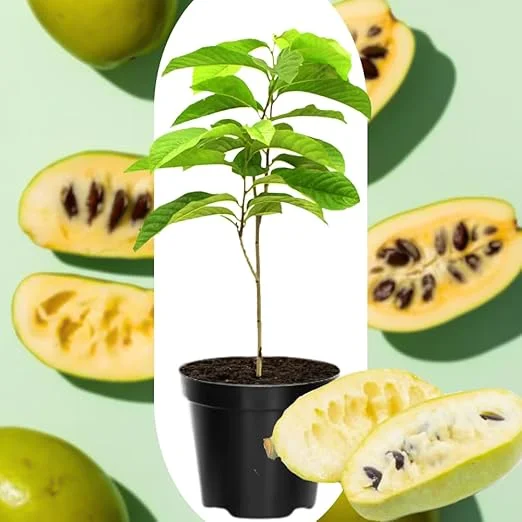
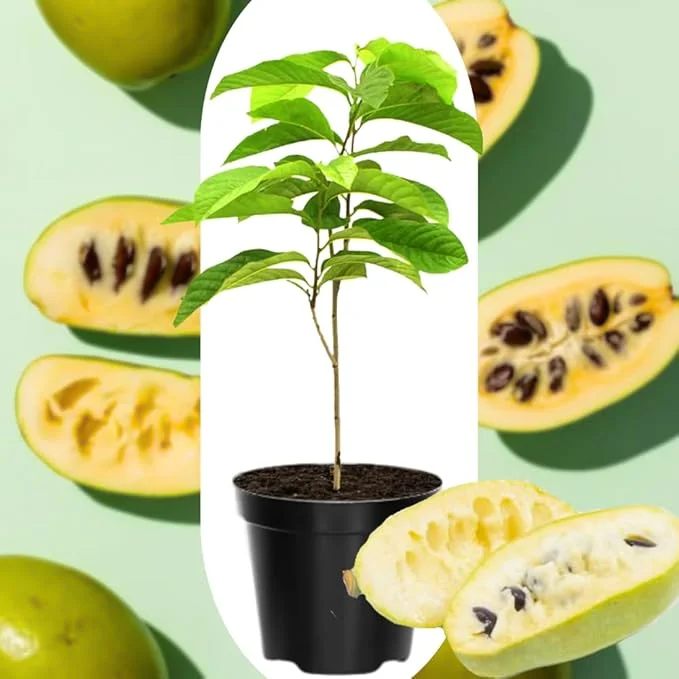
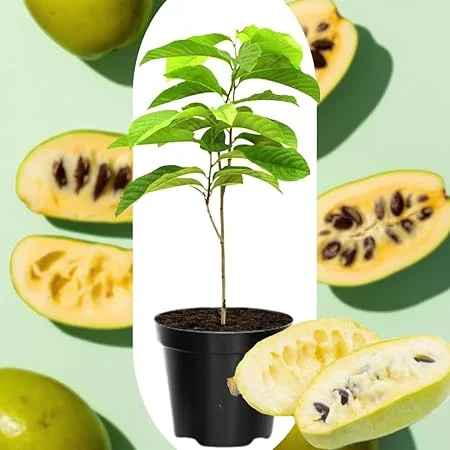
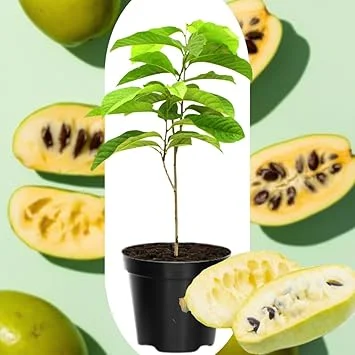
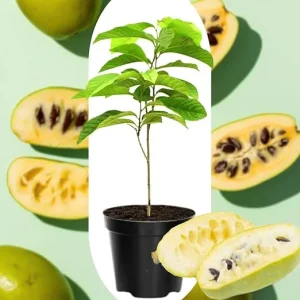
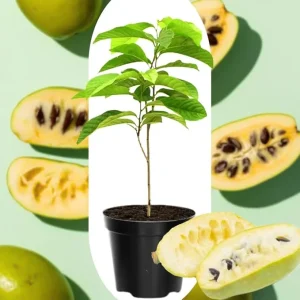
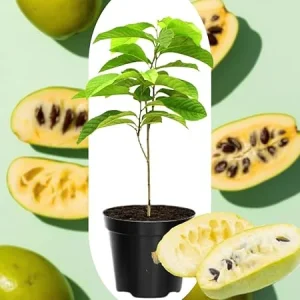
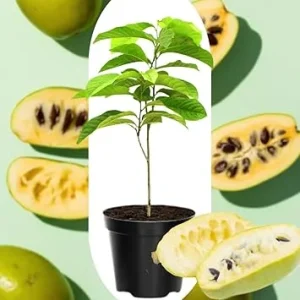
Embark on a rewarding gardening journey with these four American Pawpaw trees. These are 1-year-old bare root seedlings of the fascinating Asimina triloba, ready to establish themselves in your garden. Known for producing North America’s largest native edible fruit, the Pawpaw offers a unique, tropical custard-like flavor that is truly unparalleled. These hardy plants are shipped dormant and leafless during the cooler months, ensuring they arrive in the best condition for successful transplanting and vigorous spring growth. Perfect for both seasoned gardeners and those looking to explore native fruit trees, the American Pawpaw tree is a resilient and low-maintenance addition to any landscape, promising a bountiful harvest in due time.
The Pawpaw, also affectionately known as the poor man’s banana, is a deciduous tree native to the eastern United States. It’s an excellent choice for creating a food forest or simply adding an exotic touch to your backyard orchard. These Asimina triloba plant seedlings are carefully cultivated to be strong and adaptable, ensuring a higher chance of success for growers across various climates within their hardiness range.
Key Benefits
Growing American Pawpaw trees offers a multitude of benefits, from their unique fruit to their ecological contributions:
- Unique, Delicious Fruit: Enjoy the distinctive, creamy, tropical-flavored fruit that tastes like a blend of banana, mango, and pineapple. A true gourmet delight straight from your garden.
- Cold Hardy & Adaptable: These Pawpaw trees are a hardy fruit tree, thriving in USDA Zones 5–9, making them suitable for a wide range of climates across the United States. They demonstrate excellent resilience to cold temperatures.
- Native Plant Benefits: Support local ecosystems by planting a native species. Pawpaw trees are host plants for the zebra swallowtail butterfly larvae, contributing to biodiversity.
- Low Maintenance: Once established, these trees require minimal care, making them an excellent choice for gardeners seeking rewarding results without constant attention. This simplifies Pawpaw tree care significantly.
- Dormant Shipping for Success: Shipped as bare root Pawpaw seedlings during their dormant phase, they are less prone to transplant shock and are primed to sprout vigorously in the spring.
- Excellent for Edible Landscapes: Integrate these trees into an edible landscape design, providing both aesthetic appeal and a sustainable food source.
- Shade Tolerance: While mature trees prefer full sun for best fruiting, young Pawpaw trees benefit from partial shade, making them versatile for various planting locations.
Plant Care & Growing Tips
Proper Pawpaw tree care begins with understanding their specific needs. These American Pawpaw trees prefer a location with at least 6 hours of full sun once established, though young trees benefit from some afternoon shade to protect their tender leaves. They thrive in rich, well-draining soil with a slightly acidic to neutral pH. Amend heavy clay soils with compost and organic matter to improve drainage and fertility. Ensure the planting site is not prone to standing water, as Pawpaws do not tolerate wet feet.
When planting your bare root Pawpaw seedlings, dig a hole wide enough to accommodate the roots without bending them. Plant at the same depth as the root collar, ensuring the crown is at soil level. Water thoroughly after planting and apply a layer of mulch to retain moisture and suppress weeds. Consistent watering is crucial during the first year of establishment, especially during dry spells. Once established, they are moderately drought-tolerant. Fertilize sparingly in the spring with a balanced, slow-release fertilizer designed for fruit trees. Protect young trees from deer, which may browse on tender new growth. Although generally pest and disease resistant, monitor for any issues and address them promptly. Pruning is minimal, mainly to remove dead or crossing branches and to maintain an open canopy for better air circulation and fruit production.
Size & Details
This offering includes four American Pawpaw trees, each approximately 6 to 15 inches tall. These are 1-year-old seedlings supplied as bare roots, ensuring they are dormant and ready for planting upon arrival. The bare root format allows for easy shipping and minimizes transplant shock, promoting robust growth once planted. Pawpaw trees typically grow at a moderate rate, eventually reaching heights of 15-20 feet, though some can grow taller. They form a small, understory tree with a pyramidal shape, gradually developing into a more rounded canopy. While these seedlings are young, with proper care, you can expect them to begin fruiting within 3-5 years after planting, offering a delightful harvest for many seasons to come. The mature size of an Asimina triloba plant makes it a perfect addition to a home orchard or a native plant landscape.
Frequently Asked Questions
- Q: How big do these Pawpaw trees get? A: These 1-year-old seedlings are 6 to 15 inches tall at shipment. Mature American Pawpaw trees typically reach 15-20 feet tall with a spread of 10-15 feet, though size can vary based on growing conditions.
- Q: Is this an indoor or outdoor plant? A: These are outdoor plants, specifically a hardy fruit tree designed for planting directly in the ground. They are not suitable for long-term indoor cultivation.
- Q: How much sunlight does it need? A: Young Asimina triloba plant seedlings benefit from partial shade, especially in the afternoon. Mature trees perform best and produce more fruit in full sun (at least 6 hours daily).
- Q: Is this plant easy to care for? A: Once established, Pawpaw trees are relatively low maintenance. They require consistent watering during their first year but are quite resilient thereafter, simplifying Pawpaw tree care.
- Q: What condition will it arrive in? A: Your order will contain four dormant, bare root Pawpaw seedlings, meaning they will be leafless and appear asleep. This is the optimal state for transplanting.
- Q: When is the best time to plant these bare root trees? A: The best time to plant dormant bare root Pawpaw trees is in early spring, as soon as the soil can be worked, and before new growth begins.
- Q: Will it survive winter in my zone? A: Yes, these American Pawpaw trees are cold hardy and suitable for USDA Zones 5-9, meaning they are well-equipped to survive typical winter conditions within these zones.


Reviews
There are no reviews yet.