Overview
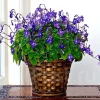
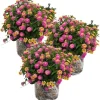
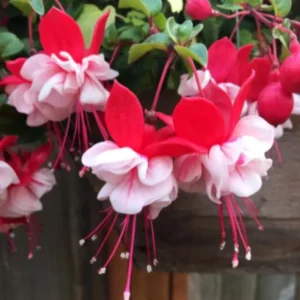
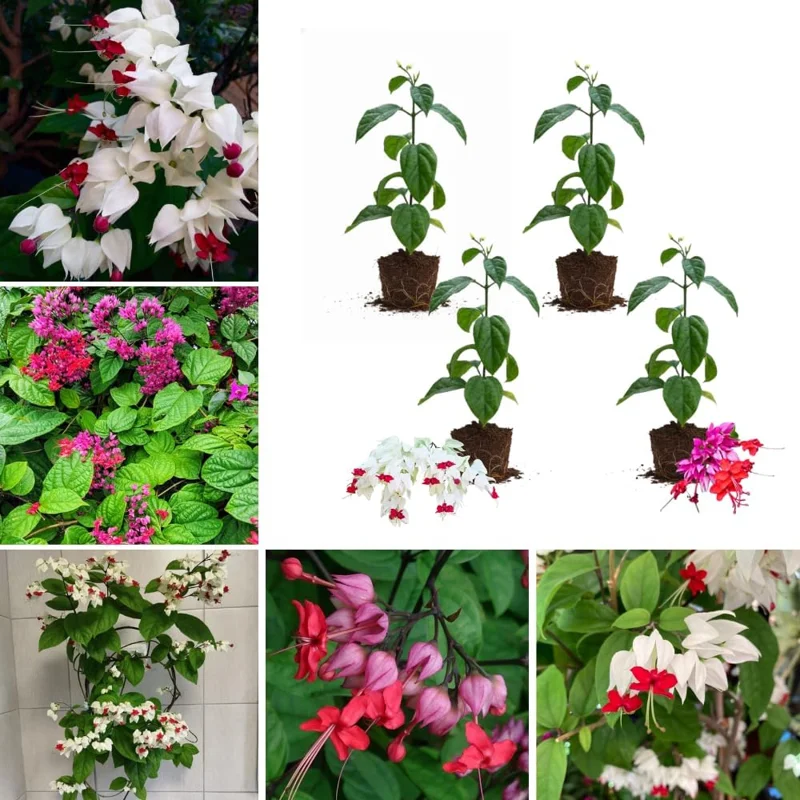
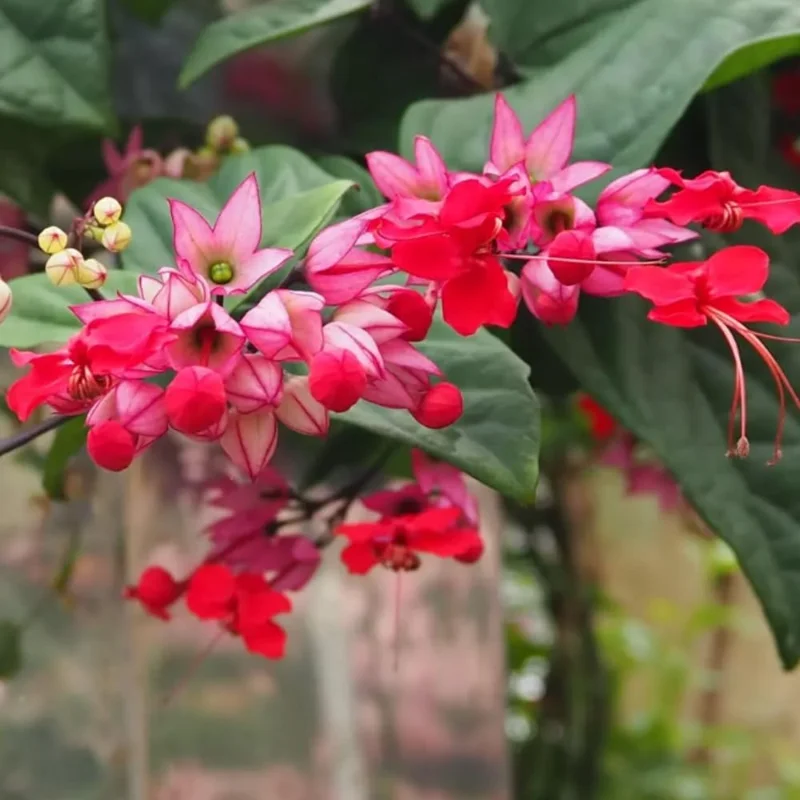
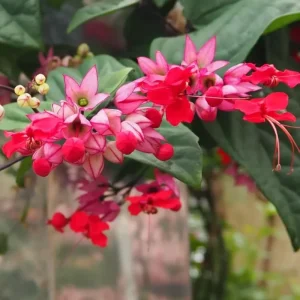
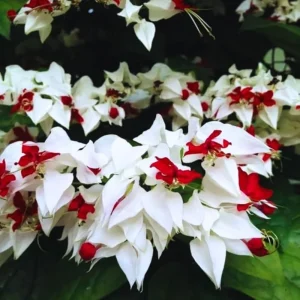
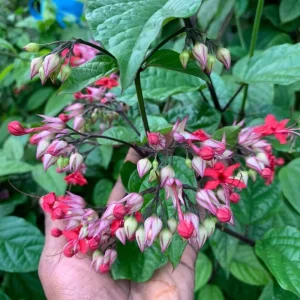
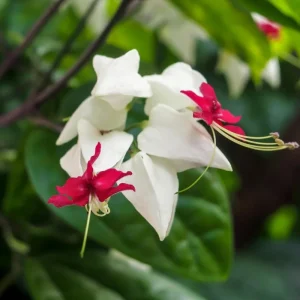
Transform your garden into a whimsical paradise with our collection of bleeding heart live plants. This offering includes four assorted plants, each standing 4-6 inches tall, ready to bring their distinctive charm to your outdoor spaces. Known botanically as Dicentra spectabilis, these captivating perennials are celebrated for their delicate, heart-shaped flowers that dangle gracefully from arching stems. The blooms typically appear in shades of pink, red, and white, creating a stunning visual display. Ideal for shaded areas, these plants are a fantastic choice for adding color and texture where other flowering plants might struggle. Their unique form and vibrant hues make them a focal point in any garden setting, promising a breathtaking show each spring.
Our bleeding heart live plants are carefully cultivated to ensure they arrive healthy and robust, prepared for planting and eager to flourish in your garden. Whether you’re a seasoned gardener or just starting, these plants offer an easy and rewarding experience. They are known for their resilience and ability to thrive in various conditions, making them a reliable choice for long-lasting beauty. With their elegant appearance and minimal maintenance requirements, these bleeding hearts are sure to become a cherished addition to your landscape, providing years of enjoyment.
Key Benefits
Investing in these bleeding heart live plants offers numerous advantages for your garden and your peace of mind. Their unique aesthetic and hardy nature make them an excellent choice for a variety of garden designs and conditions. Discover the many reasons why these plants are a favorite among gardeners:
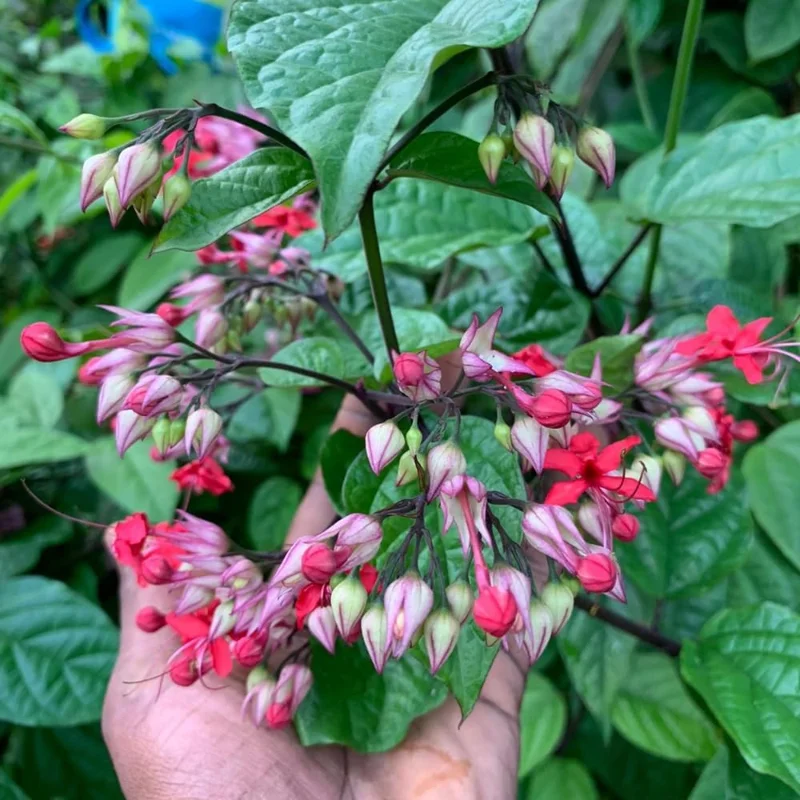
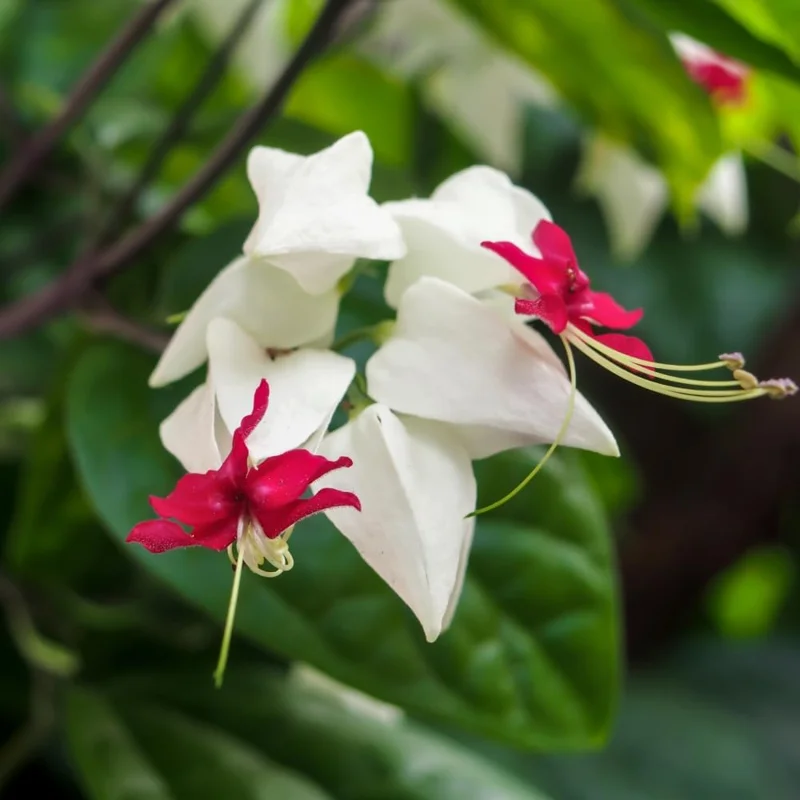
- Stunning Ornamental Value: The most striking feature of these plants is their charming, heart-shaped flowers. Available in assorted colors, they provide a unique visual appeal that stands out in any garden, making them perfect for creating focal points or adding a touch of elegance to borders.
- Ideal for Shade Gardens: Unlike many flowering plants that demand full sun, bleeding heart live plants thrive in partial to full shade. This makes them an invaluable asset for illuminating darker corners of your garden where other plants might fail to bloom. They are truly exceptional perennial shade flowers.
- Long-Lasting Perennials: As perennials, these plants return year after year, growing larger and more spectacular with each passing season. This provides a sustainable and enduring source of beauty, reducing the need for annual replanting and saving you time and effort.
- Low Maintenance: Once established, bleeding heart care is relatively straightforward. They require consistent moisture and occasional pruning, but are generally robust and disease-resistant, making them suitable for gardeners of all skill levels.
- Attracts Pollinators: While not heavily fragrant, the unique shape of bleeding heart flowers attracts beneficial pollinators like hummingbirds, adding a dynamic and lively element to your garden ecosystem.
- Versatile Landscaping Use: These plants grow to a mature height of 18-24 inches, making them ideal for garden borders, woodland gardens, flower beds, or even container planting. Their mounding habit provides a soft, natural look.
- Cold Hardy: With a hardiness range of USDA Zones 3-9, these plants are incredibly resilient to cold temperatures, ensuring they can withstand harsh winters and return vigorously in spring.
Plant Care & Growing Tips
Proper bleeding heart care is essential to ensure these beautiful plants thrive and produce their iconic blooms year after year. While generally low-maintenance, understanding their specific needs will help you maximize their growth and flowering potential. These perennial shade flowers prefer conditions that mimic their natural woodland habitat.
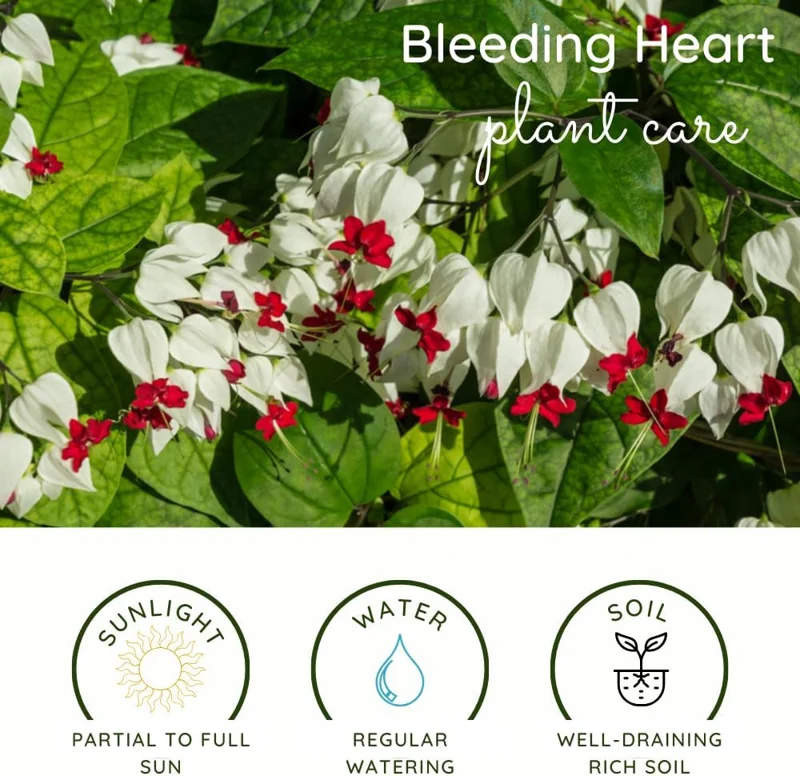
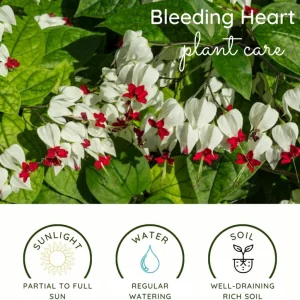
Sunlight Exposure: Bleeding heart live plants flourish in partial to full shade. Morning sun with afternoon shade is often ideal, as it provides enough light for robust growth without the risk of scorching their delicate foliage. In hotter climates, full shade might be necessary to prevent wilting. Avoid intense, direct afternoon sun, which can stress the plants and diminish bloom quality. These are indeed perfect shade garden plants.
Watering and Soil: Consistent moisture is crucial for bleeding hearts, especially during their active growing season. The soil should be kept evenly moist but never waterlogged, as this can lead to root rot. Good drainage is paramount. They prefer rich, well-draining soil that is high in organic matter. Amending the soil with compost or well-rotted manure before planting can significantly improve soil structure and nutrient content. A moderate watering schedule, checking the soil moisture regularly, will keep your plants happy. The ideal pH for dicentra spectabilis is slightly acidic to neutral.
Temperature and Hardiness: These plants are remarkably hardy, thriving in USDA Zones 3-9. They are well-adapted to cold winters, which they require for a period of dormancy. In warmer zones (8-9), they may go dormant earlier in the summer as temperatures rise, reappearing the following spring. Fertilize lightly in early spring with a balanced, slow-release granular fertilizer or an organic liquid feed diluted to half strength. Pruning is minimal; simply remove spent flower stalks and yellowing foliage to maintain a tidy appearance. Watch for common garden pests like aphids, which can usually be managed with a strong spray of water or insecticidal soap.
Size & Details
This offering includes 4 assorted bleeding heart live plants, each standing approximately 4-7 inches tall from the base of the root ball to the top of the foliage upon arrival. These plants are shipped ready to plant and will establish quickly in their new environment. When mature, these impressive perennials typically reach a height of 18-24 inches with a similar spread, forming attractive, mounding clumps. They are ideal for creating a lush, full appearance in your garden beds. The plants are packaged to ensure safe transit, with their root systems protected to maintain moisture and vitality during shipping. Expect these perennial shade flowers to begin blooming in spring, with their peak display lasting several weeks, providing an early splash of color in your landscape. They will continue to grow and expand their presence in your garden over the years.
Frequently Asked Questions
- Q: How big do these bleeding heart live plants get? A: Upon arrival, the plants are 4-7 inches tall. When mature, bleeding heart live plants typically reach a height and spread of 18-24 inches, forming an attractive, mounding clump in your garden.
- Q: Is this an indoor or outdoor plant? A: These are primarily outdoor plants, perfect for garden beds, borders, and woodland gardens. While they can be grown in containers, they are not typically suited for long-term indoor cultivation.
- Q: How much sunlight does a bleeding heart need? A: Bleeding heart live plants thrive in partial to full shade. They prefer morning sun and protection from intense afternoon sunlight, which can scorch their foliage, making them excellent shade garden plants.
- Q: Is this plant easy to care for? A: Yes, bleeding heart care is considered relatively easy. They require consistent moisture and well-draining soil, but once established, they are quite resilient and low-maintenance.
- Q: What condition will it arrive in? A: Your bleeding heart live plants will arrive healthy and well-packaged, with their root systems protected to ensure they are ready for immediate planting upon arrival.
- Q: How long until it blooms? A: These plants typically bloom in spring, usually from April to June, depending on your climate. Established plants will produce abundant flowers each season.
- Q: Will it survive winter in my zone? A: Yes, these plants are hardy in USDA Zones 3-9, meaning they are well-equipped to survive cold winter temperatures and will return each spring. This hardiness makes them excellent perennial shade flowers.
- Q: What is the best time to plant bleeding hearts? A: The best time to plant dicentra spectabilis is in early spring or early fall, allowing them to establish their root systems before extreme temperatures set in.
- Q: What kind of soil do bleeding hearts prefer? A: Bleeding hearts prefer rich, well-draining soil that is high in organic matter. Amending with compost will help provide the ideal growing conditions.
- Q: Are these plants deer resistant? A: While no plant is entirely deer-proof, bleeding hearts are generally considered deer resistant, making them a good choice for gardens where deer may be an issue.


Reviews
There are no reviews yet.