Overview
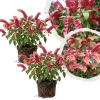
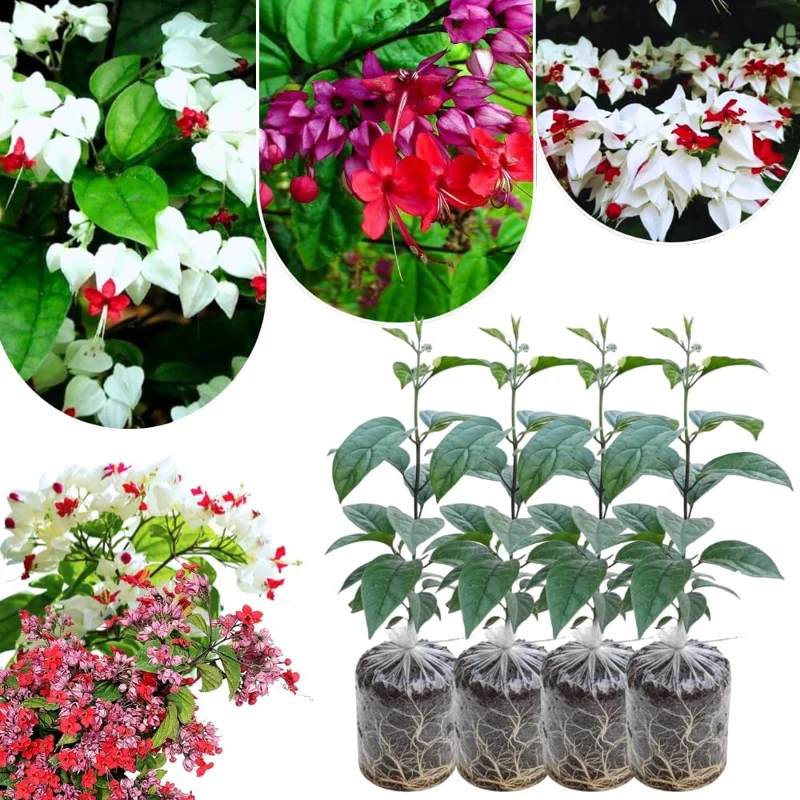
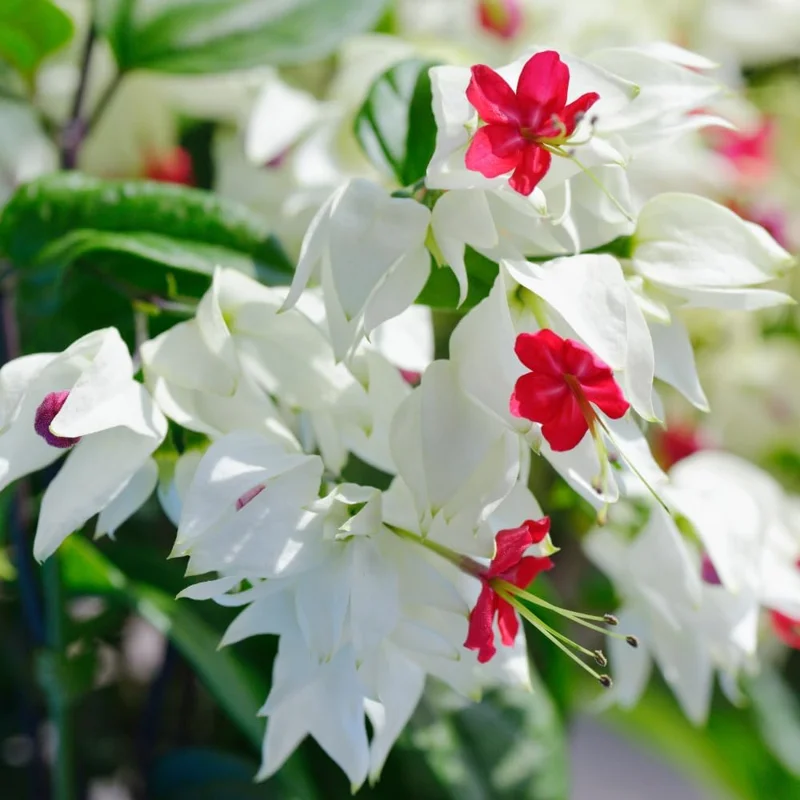
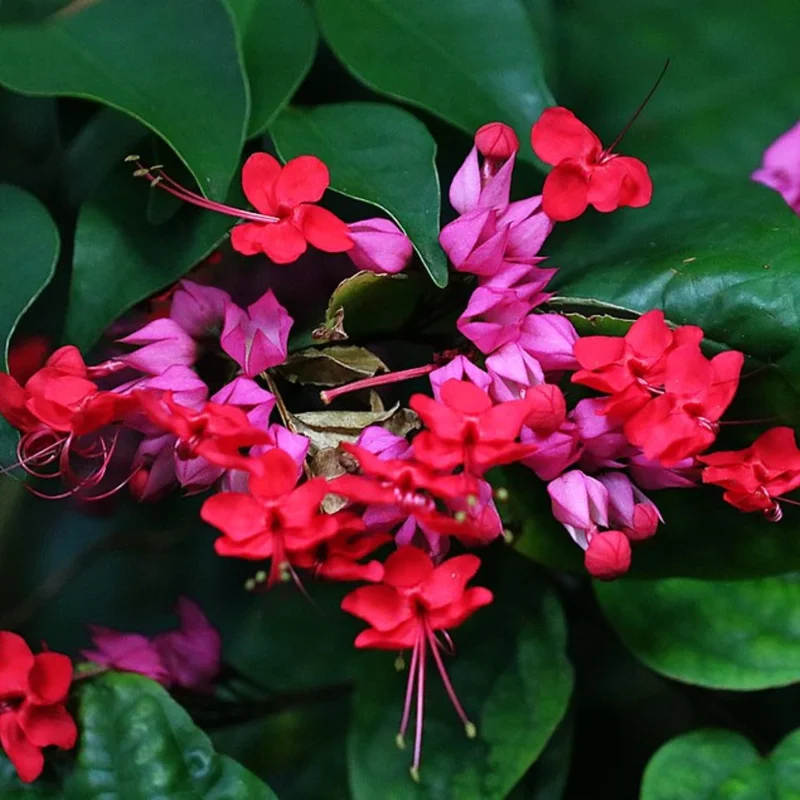
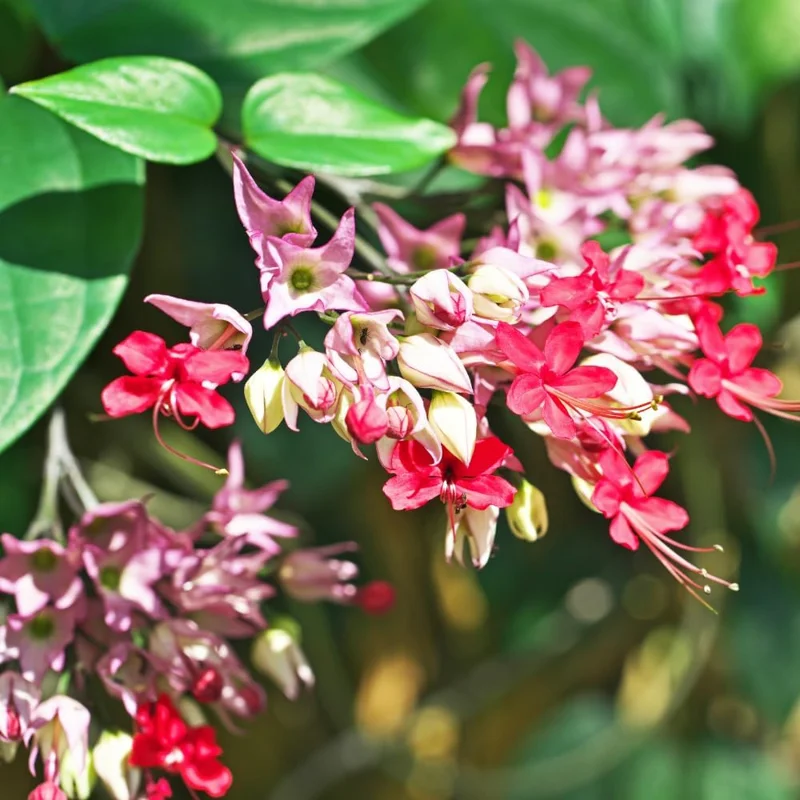
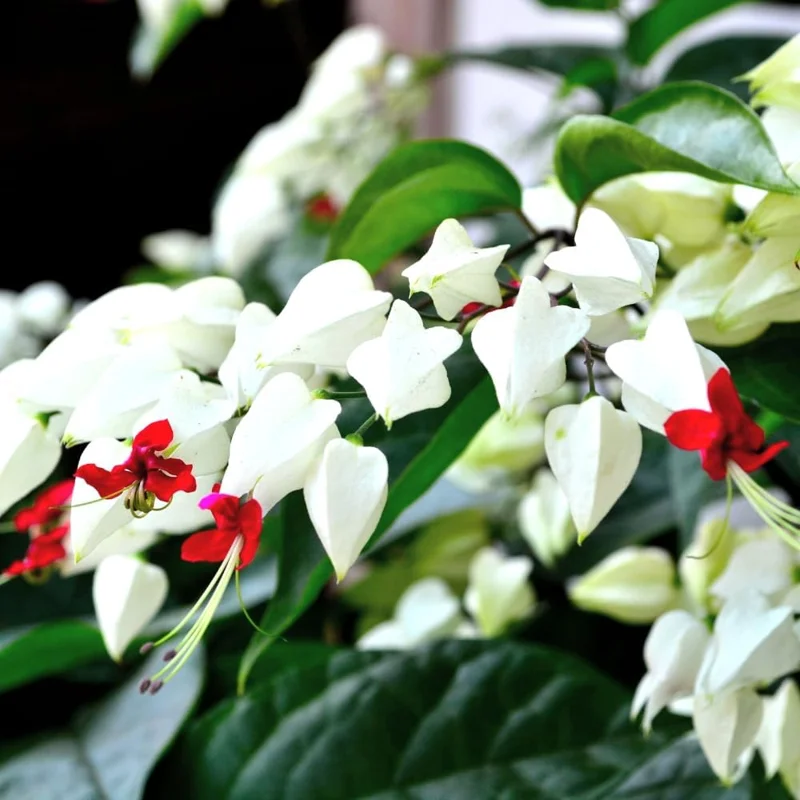
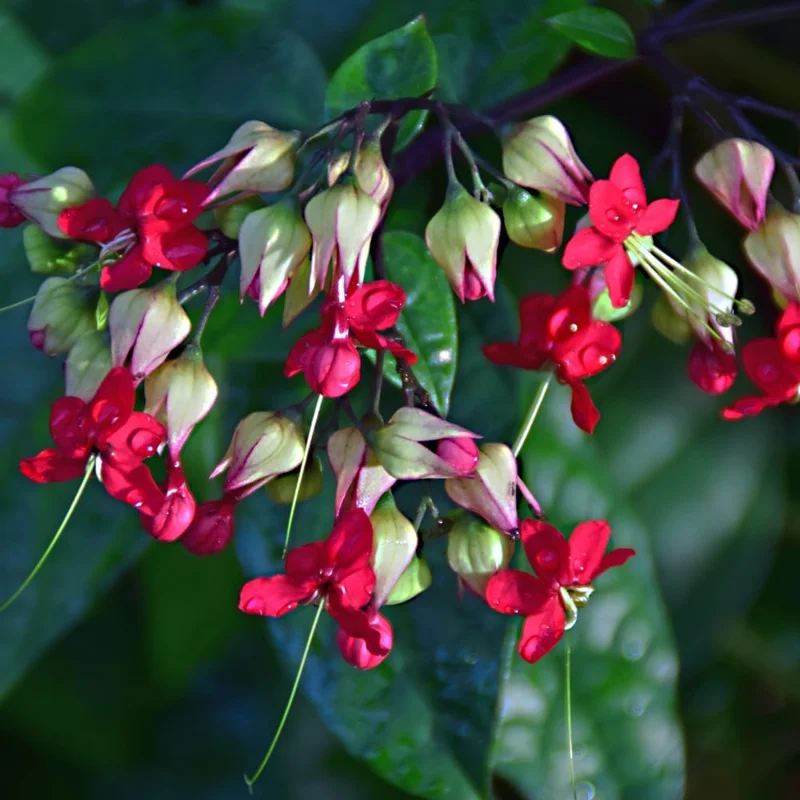
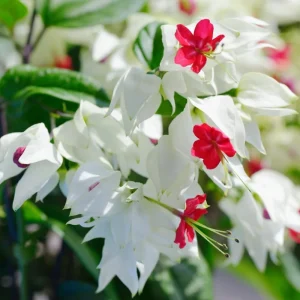
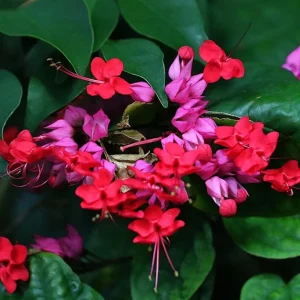
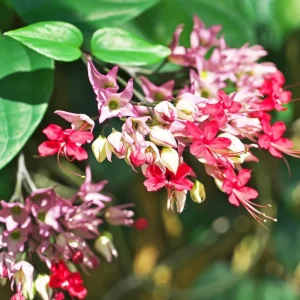
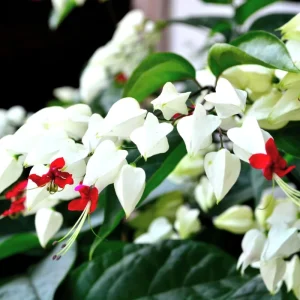
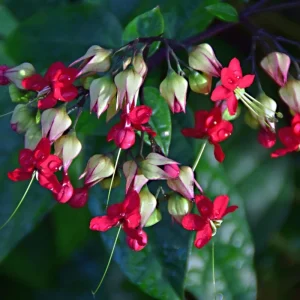
Introduce a touch of classic elegance to your landscape with our exquisite bleeding heart live plant. This offering includes a set of four robust, well-rooted plants, each measuring approximately 4-6 inches tall, perfectly prepared for immediate planting in your garden or containers. Bleeding heart perennial plants, scientifically known as Dicentra spectabilis (though Clerodendrum is also sometimes referred to as bleeding heart, this product description points strongly to Dicentra), are cherished for their distinctive, heart-shaped blossoms that dangle gracefully from arching stems. These charming flowers, appearing in vibrant red and pristine white hues, create a striking visual impact, making them a focal point in any shaded garden border or decorative pot. Ideal for those seeking reliable, long-lasting beauty, these plants promise to return with their enchanting display season after season, transforming ordinary spaces into serene, picturesque retreats.
Our bleeding heart live plant collection is specifically curated for gardeners who appreciate both beauty and resilience. These hardy perennials are known for their ability to thrive in cooler, shadier conditions, making them a perfect solution for those challenging spots where other flowering plants may struggle. With their established root systems, these young plants are set for a strong start, ensuring you can enjoy their unique blooms sooner. Whether you’re an experienced horticulturist or a budding enthusiast, these plants offer an effortless way to infuse your outdoor living areas with natural grace and enduring charm.
Key Benefits
Cultivating bleeding heart live plant in your garden brings a multitude of advantages, enhancing both aesthetic appeal and garden health. These plants are celebrated for their unique characteristics and ease of care, making them a favored choice for many:
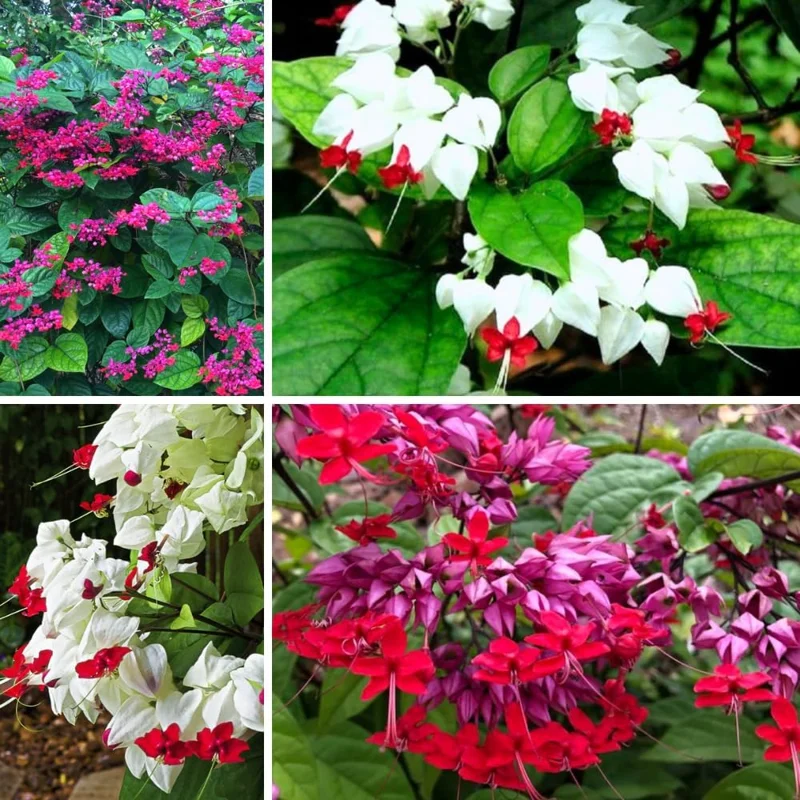
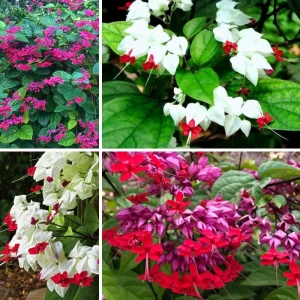
- Distinctive Floral Display: The primary allure of these plants lies in their elegant, heart-shaped flowers. Each bloom features a delicate ‘drop’ at the bottom, giving them their iconic “bleeding heart” appearance. The mix of red and white flowers provides a captivating contrast, creating a stunning visual spectacle in any garden setting. These blossoms are truly a conversation starter.
- Ideal for Shady Gardens: Unlike many flowering plants that demand full sun, bleeding heart perennial plants flourish in partial to full shade. This makes them an invaluable asset for illuminating darker corners of your garden, under trees, or along north-facing walls where direct sunlight is limited. They are truly a fantastic option for shade tolerant flowers.
- Hardy Perennial Nature: As robust perennials, these plants are designed to return year after year. Once established, they require minimal intervention, offering a reliable source of beauty without the need for annual replanting. They are suitable for a wide range of climates, specifically USDA Hardiness Zones 3-9.
- Low Maintenance Requirements: Bleeding hearts are surprisingly easy to care for. They prefer consistently moist, well-draining soil and generally don’t attract many pests or diseases. Their low-maintenance nature makes them perfect for busy gardeners or those new to plant care.
- Versatile Landscaping Use: These plants are incredibly versatile. They can be grown in garden beds, borders, woodland gardens, or even in decorative containers on patios and decks. Their elegant form and distinctive flowers add charm to any design scheme.
- Attracts Pollinators: While not their primary feature, bleeding heart live plant flowers can attract beneficial pollinators like hummingbirds and long-tongued bees, contributing to the biodiversity of your garden ecosystem.
- Established Plants for Quick Growth: Receiving four well-rooted plants means they have a head start, establishing quicker in your garden and providing beautiful blooms sooner than if grown from seed.
Plant Care & Growing Tips
Caring for your bleeding heart live plant is straightforward, ensuring years of beautiful blooms with minimal effort. These resilient perennials prefer conditions that mimic their natural woodland habitat. For optimal growth, understanding their specific needs in terms of sunlight, water, soil, and temperature is crucial.
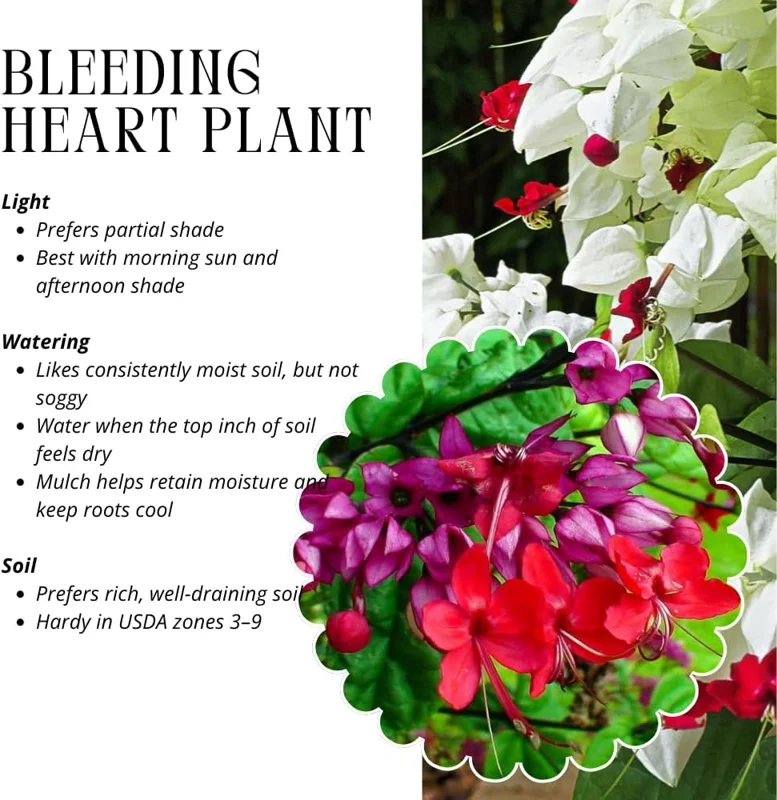
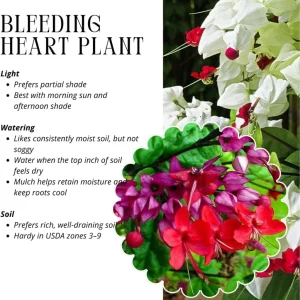
Sunlight Requirements: Bleeding hearts are quintessential shade tolerant flowers. They thrive in partial to full shade, meaning they prefer locations that receive dappled sunlight throughout the day or direct morning sun followed by afternoon shade. Too much direct, intense afternoon sun, especially in warmer climates, can scorch their delicate foliage and reduce flowering. In cooler regions, they can tolerate a bit more sun, but protection from the harshest midday rays is always beneficial.
Watering Schedule and Soil Moisture: Consistent moisture is key for healthy bleeding hearts. The soil should be kept evenly moist but never waterlogged. Water regularly, especially during dry spells and in their first growing season to help establish their root system. Reduce watering slightly once the plants go dormant in late summer. Good drainage is paramount to prevent root rot, so avoid planting in heavy, compacted soils.
Soil Type and Drainage: These plants prefer rich, organic, and well-draining soil. Amending your garden soil with compost or other organic matter before planting will provide the necessary nutrients and improve drainage. A slightly acidic to neutral pH (6.0-7.0) is ideal. If planting in containers, use a high-quality potting mix designed for moisture retention but with excellent drainage.
Temperature Range and USDA Hardiness Zone: Bleeding heart perennial plants are exceptionally hardy, thriving in USDA Hardiness Zones 3 through 9. They tolerate cold winters well, with their foliage dying back to the ground and re-emerging vigorously in spring. They appreciate cooler temperatures and may go dormant earlier in hotter climates, especially if stressed by drought or excessive heat.
Fertilization Schedule and Type: Feed your bleeding hearts annually in early spring as new growth emerges. A balanced, slow-release granular fertilizer or a layer of compost applied around the base of the plant will provide sufficient nutrients. Avoid over-fertilizing, which can lead to lush foliage at the expense of flowers.
Common Problems and Solutions: Generally, bleeding hearts are quite disease and pest resistant. Slugs and snails may occasionally munch on young foliage, which can be managed with organic slug baits or hand-picking. Yellowing leaves can indicate too much sun, too little water, or poor drainage. Adjust conditions accordingly. If foliage dies back prematurely in summer, it’s often a natural response to heat and signals dormancy, not a problem.
Size & Details
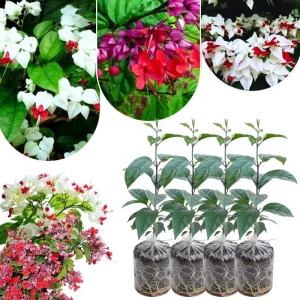
This offering includes a carefully selected set of four individual bleeding heart live plant specimens. Each plant is approximately 4-6 inches tall upon arrival, measured from the base of the root ball to the top of the foliage, ensuring they are a healthy and manageable size for planting. These are well-rooted plants, indicating a strong foundation for rapid establishment and growth in your garden. When mature, these bleeding heart perennial plants typically reach a height of 24-36 inches (2-3 feet) and spread about 18-24 inches (1.5-2 feet) wide, forming attractive, mounded clumps. They are shipped as live, actively growing plants, ready to be transplanted into their permanent location.
The plants are expected to begin flowering in their first or second season after planting, depending on growing conditions and care. Their distinctive red and white flowers will emerge in spring, providing a stunning display. These plants are bare-root or potted in small nursery containers to facilitate safe shipping and easy transition into your garden. They are vigorous growers under optimal conditions, quickly filling out their allocated space. The mature size allows them to be impactful as specimen plants, in borders, or as part of a larger shade garden design, contributing significantly to the garden’s overall aesthetic.
Frequently Asked Questions
- Q: How big do these bleeding heart plants get? A: Each bleeding heart live plant will arrive approximately 4-6 inches tall. At maturity, these plants typically reach a height of 24-36 inches (2-3 feet) and spread about 18-24 inches wide, forming a beautiful, full clump in your garden.
- Q: Is this an indoor or outdoor plant? A: These are primarily outdoor perennial plants. While they can be started indoors in controlled environments, they are best suited for planting in outdoor garden beds, borders, or large containers where they can thrive in appropriate conditions, especially given they are shade tolerant flowers.
- Q: How much sunlight does a bleeding heart live plant need? A: Bleeding heart perennial plants prefer partial to full shade. They do best with dappled sunlight throughout the day or morning sun with protection from intense afternoon sun. Too much direct sun can scorch their leaves.
- Q: Is this plant easy to care for? Is it good for beginners? A: Yes, bleeding heart plants are considered relatively low-maintenance and are an excellent choice for beginners. They require consistent moisture and shade, but are otherwise quite hardy and resistant to most pests and diseases.
- Q: What condition will the plants arrive in? Is it shipped in soil? A: Your order will include four well-rooted bleeding heart live plant specimens, approximately 4-6 inches tall. They are typically shipped either bare-root with their roots protected or in small nursery pots with some soil, ready for transplanting.
- Q: How long until these bleeding heart plants bloom? A: With good care, your bleeding heart live plant may produce flowers in its first season after planting, especially if planted in early spring. More abundant blooms are usually seen in the second year as the plant becomes more established.
- Q: Will it survive winter in my zone? What’s the minimum temperature? A: These bleeding heart perennial plants are hardy in USDA Zones 3-9. They are very cold tolerant, with their foliage dying back in winter and re-emerging in spring. They can withstand freezing temperatures well within this range.
- Q: What kind of soil is best for Dicentra spectabilis? A: The best soil for these plants is rich, organic, and well-draining. Amending your garden soil with compost will provide the ideal conditions for your bleeding heart live plant to flourish.
- Q: Can I grow these in containers? A: Yes, these plants can be successfully grown in containers, provided the containers are large enough to accommodate their mature size and have excellent drainage. Be sure to use a high-quality potting mix and ensure they receive adequate shade and moisture.
- Q: Are these the true Dicentra spectabilis (now Lamprocapnos spectabilis)? A: Based on the description of “Bleeding Heart Plants” with “heart-shaped flowers” that are “perennial shade flower plants” and “red and white blooms,” this typically refers to Dicentra spectabilis, which is now botanically known as Lamprocapnos spectabilis. The mention of Clerodendrum in the raw title is likely an error or a common name confusion, as Clerodendrum species typically have different flower forms.


Reviews
There are no reviews yet.