Overview
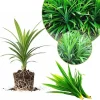
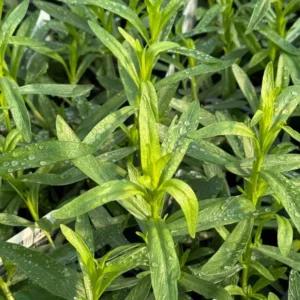
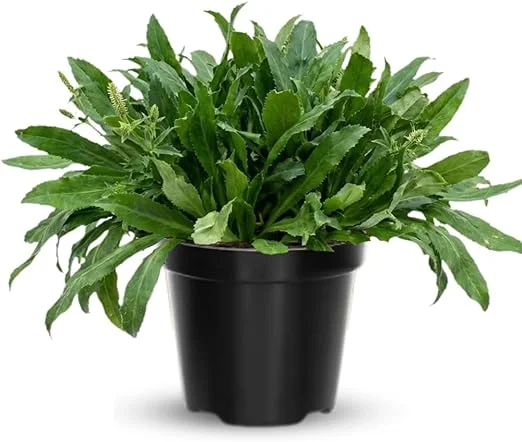
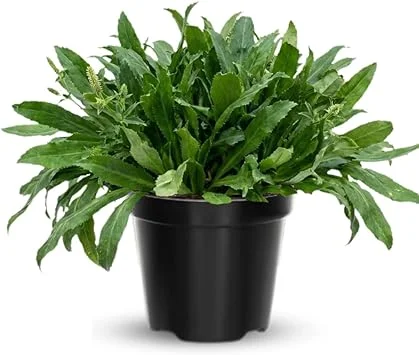
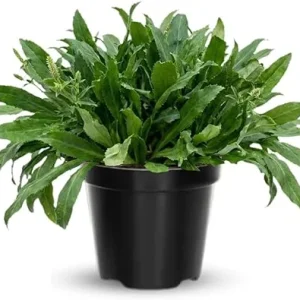
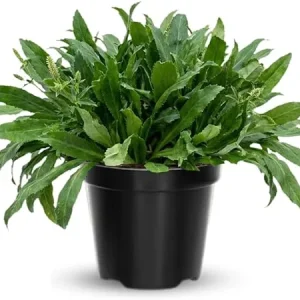
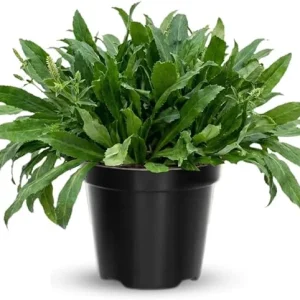
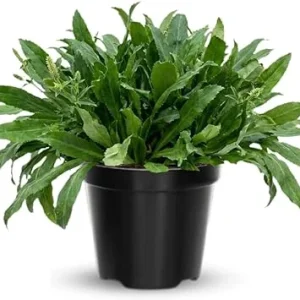
Discover the joy of growing your own aromatic herbs with this collection of four culantro live plant specimens. Culantro, also known as Eryngium foetidum or Mexican coriander, is a robust herb highly prized in Caribbean, Latin American, and Asian cuisines for its distinctive, pungent aroma and flavor, which is often described as a stronger version of cilantro. These young plants arrive at a healthy 4 to 6 inches tall, making them perfect for immediate transplanting into your garden beds, containers, or even indoor herb gardens. Unlike its delicate cousin, cilantro, culantro live plant is known for its heat tolerance and longer shelf life, making it a favorite among chefs and home cooks alike who want a continuous supply of fresh, flavorful leaves. This set provides you with multiple plants to ensure a bountiful harvest, allowing you to easily grow culantro and enjoy its unique taste in a variety of dishes.
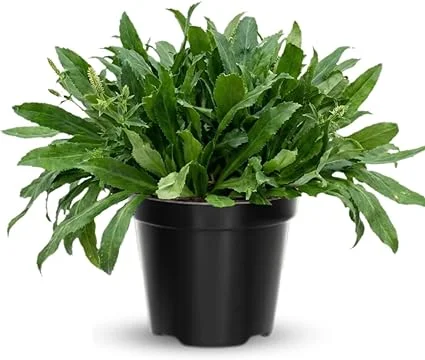
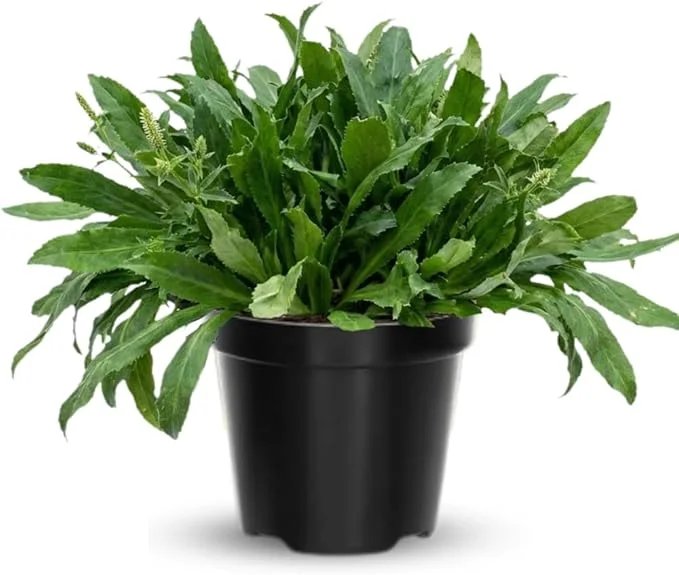
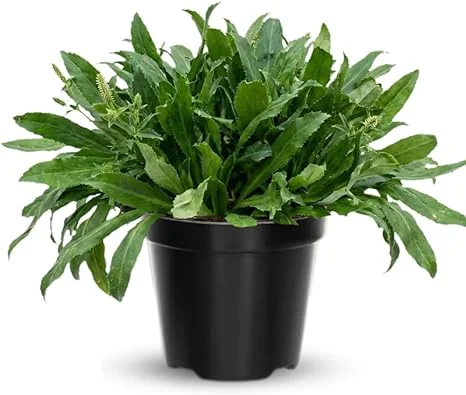
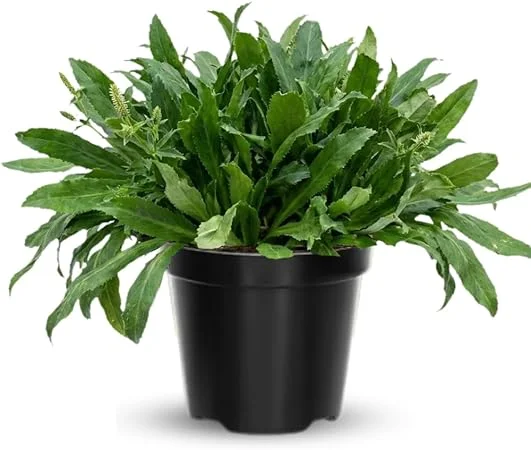
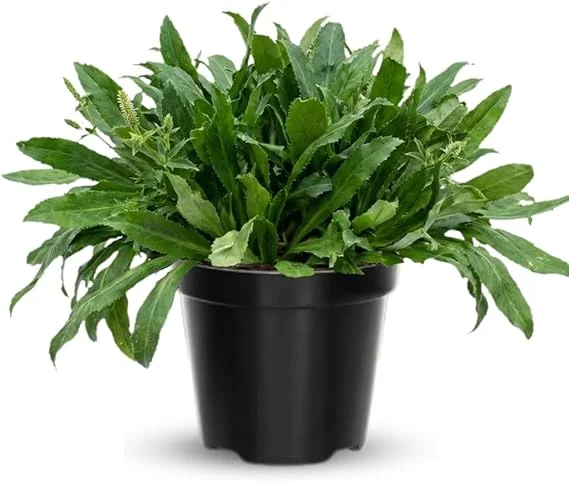
Bringing these culantro live plant specimens into your home or garden means embracing a culinary staple that adds depth and authenticity to salsas, stews, and marinades. Its strap-like, serrated leaves are not only flavorful but also visually appealing, adding a touch of exotic greenery to your plant collection. These plants are carefully nurtured to ensure they are ready to thrive in their new environment, providing a rewarding gardening experience for both novice and experienced herb growers.
Key Benefits
Adding a culantro live plant to your garden offers numerous advantages beyond just its culinary appeal. This versatile herb provides several benefits that make it a valuable addition to any home:
- Authentic Flavor Enhancement: Culantro offers a more intense and complex flavor profile than cilantro, making it perfect for dishes where a bold herb presence is desired. It’s essential for traditional recipes like sofrito, pho, and many Caribbean stews.
- Heat Tolerance: Unlike cilantro, which often bolts in warm weather, culantro herb plant is much more tolerant of heat, allowing for a longer growing season and a more consistent supply of fresh leaves throughout the summer months.
- Extended Freshness: The sturdy leaves of culantro tend to last longer after harvesting compared to cilantro, making it a convenient herb to keep on hand for cooking.
- Easy to Grow: This herb is relatively low-maintenance and forgiving, suitable for beginners looking to grow culantro successfully. It adapts well to various growing conditions with proper care.
- Medicinal Properties: Beyond its culinary uses, eryngium foetidum has been traditionally used in herbal medicine for its potential anti-inflammatory, analgesic, and antidiabetic properties.
- Versatile Planting: Can be grown in garden beds, patio containers, or even indoors on a sunny windowsill, offering flexibility for any living space.
Plant Care & Growing Tips
Caring for your culantro live plant is straightforward, ensuring a continuous supply of fresh herbs. This resilient herb, also known as eryngium foetidum, thrives in conditions that mimic its tropical origins. For optimal growth, provide your culantro plants with full sun to partial shade. In hotter climates, partial shade during the intense afternoon hours can prevent scorching and prolong the leaf quality. Aim for at least 4-6 hours of direct sunlight daily for robust growth.
When it comes to watering, culantro prefers consistently moist but not waterlogged soil. Requires well drained soil. Water regularly, especially during dry spells, ensuring the top inch of soil feels dry before rewatering. Avoid letting the soil dry out completely or become overly saturated, as both can stress the plant. The ideal soil type is a rich, well-draining potting mix or garden soil amended with organic matter. A slightly acidic to neutral pH (6.0-7.0) is preferred. Fertilize sparingly with a balanced liquid fertilizer every 4-6 weeks during the growing season to encourage lush leaf production. These plants are hardy in USDA zones 4 to 9, meaning they can withstand a range of temperatures, but they will benefit from protection in extreme cold.
To encourage bushier growth and prevent premature bolting, regularly harvest the outer leaves of your culantro herb plant. Pinching off any flower stalks as they appear will also redirect the plant’s energy into producing more flavorful foliage. Keep an eye out for common garden pests, though culantro is generally resistant. Proper air circulation and sanitation can help prevent fungal issues. Learning how to grow culantro successfully means providing consistent moisture, adequate sunlight, and rich, well-draining soil, ensuring a healthy and productive herb garden.
Size & Details
This offering includes four individual culantro live plant specimens, each carefully grown and shipped to ensure healthy arrival. Upon delivery, each plant will stand approximately 4 to 6 inches tall, measured from the base of the stem to the tip of the tallest leaf. Culantro plants typically grow to a mature height of 12 to 18 inches and can spread up to 6-12 inches wide, forming a compact rosette of leaves. They are shipped in their nursery pots, ready for transplanting into larger containers or directly into your garden bed. With proper care, these plants will quickly establish themselves and begin producing flavorful leaves for harvest.
The growth rate of the culantro live plant is moderate, allowing you to enjoy fresh leaves within a few weeks of planting. These plants are known for their ability to produce leaves continuously throughout the growing season if harvested regularly. They are ideal for gardeners looking for a productive and long-lasting herb. This set provides a generous starting point for anyone looking to cultivate eryngium foetidum for culinary or medicinal purposes.
Frequently Asked Questions
- Q: How big does this plant get? A: Each culantro live plant arrives 4-6 inches tall. Mature plants typically reach a height of 12 to 18 inches and can spread 6-12 inches wide, forming a lovely rosette of leaves.
- Q: Is this an indoor or outdoor plant? A: Culantro is versatile and can be grown both indoors and outdoors. Outdoors, it thrives in full sun to partial shade. Indoors, place it near a sunny window where it can receive adequate light.
- Q: How much sunlight does it need? A: Your culantro herb plant prefers full sun to partial shade. In very hot climates, providing some afternoon shade will help prevent leaf scorching and ensure better growth. Aim for at least 4-6 hours of sunlight daily.
- Q: Is this plant easy to care for? A: Yes, culantro live plant is considered relatively easy to care for, making it suitable for gardeners of all experience levels. It requires consistent moisture and well-draining soil, along with adequate sunlight.
- Q: What condition will it arrive in? A: Your culantro plants will arrive alive and healthy, carefully packaged in their individual nursery pots. They will be 4-6 inches tall and ready for transplanting into their permanent location.
- Q: Can I use culantro in cooking? A: Absolutely! Culantro is a staple in many international cuisines, known for its strong, unique flavor. It’s perfect for adding to soups, stews, salsas, and marinades.
- Q: When is the best time to plant? A: If growing outdoors, the best time to plant culantro live plant is after the last frost in spring. For indoor cultivation, you can plant it year-round.
- Q: Will it survive winter in my zone? A: Culantro is hardy in USDA Zones 4 to 9. In colder zones (4-8), it’s often grown as an annual or brought indoors during winter. In warmer zones (9+), it can often survive as a perennial.
- Q: How often should I water my culantro? A: Water your culantro live plant regularly, keeping the soil consistently moist but not waterlogged. Check the soil daily and water when the top inch feels dry to the touch.
- Q: What type of soil does culantro prefer? A: Culantro thrives in well-draining soil that is rich in organic matter. A good quality potting mix or garden soil amended with compost will provide the best environment for your eryngium foetidum.


Reviews
There are no reviews yet.