Overview
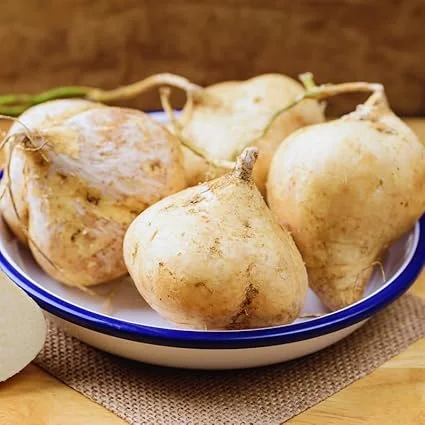
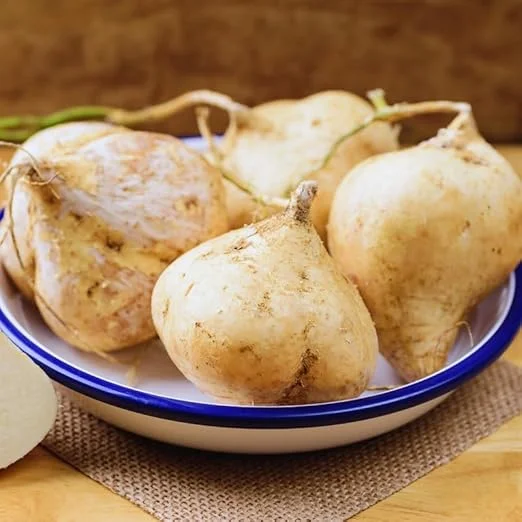
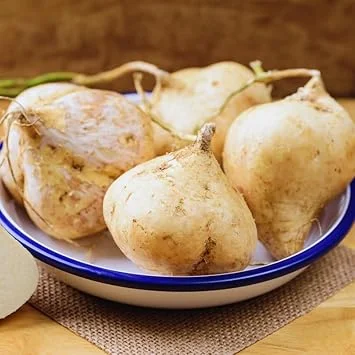
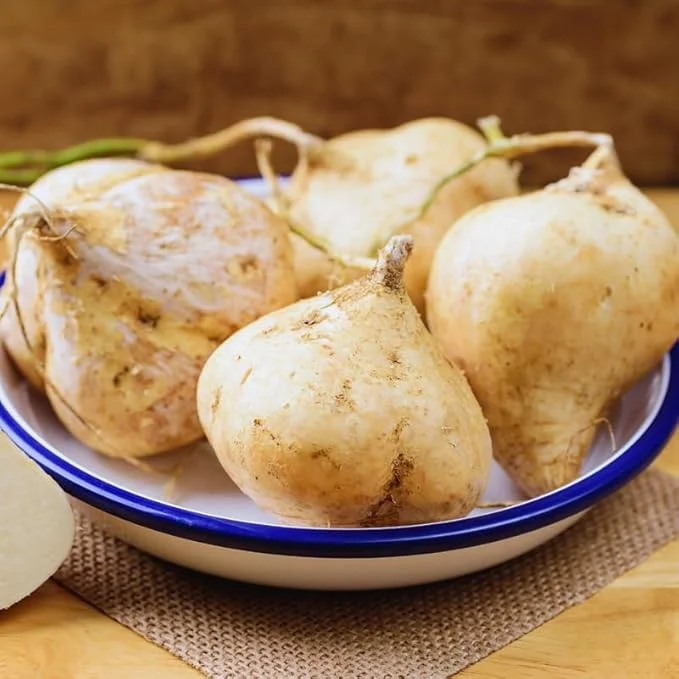
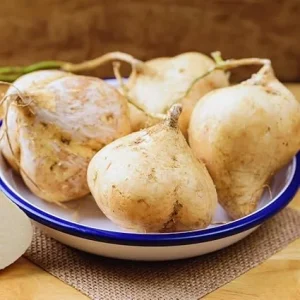
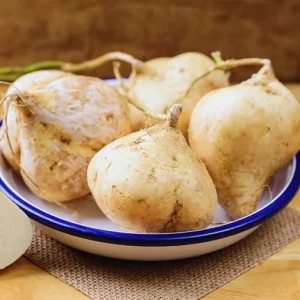
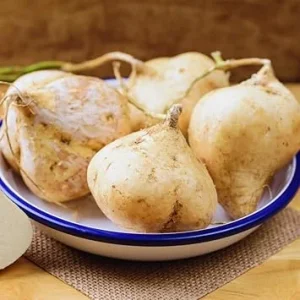
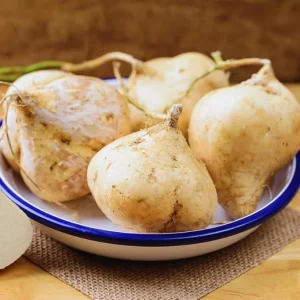
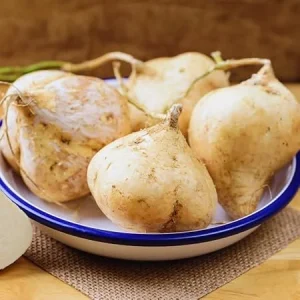
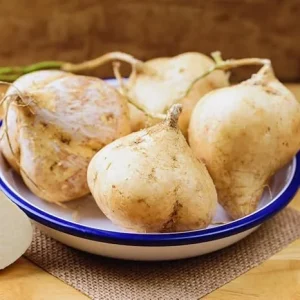
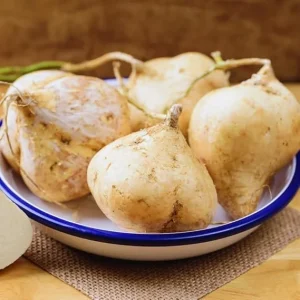
Embark on a rewarding gardening journey with our premium jicama seeds for planting. Each pack contains 40 Jicama seeds, providing ample opportunity to cultivate this unique and delicious root vegetable in your home garden. Known scientifically as Pachyrhizus erosus seeds, jicama is often referred to as the Mexican Turnip or Mexican Yam Bean, celebrated for its crisp texture and subtly sweet, nutty flavor. Originating from Mexico and Central America, jicama thrives in warm climates, producing large, edible tubers that are a versatile addition to countless dishes. Growing your own jicama seeds for planting allows you to enjoy the freshest possible produce, free from pesticides and grown with your own care.
These high-quality seeds are selected for their viability, ensuring a successful harvest when provided with the right conditions. The jicama plant itself is a vigorous vine, which not only yields delicious roots but can also add an interesting tropical touch to your garden landscape. Whether you’re an experienced gardener or a beginner looking for a new challenge, cultivating jicama from seed is a fulfilling project that brings fresh, healthy produce directly to your table.
Key Benefits
Growing jicama from seed offers numerous advantages, from fresh culinary ingredients to a unique gardening experience. Here are some key benefits you can expect when you plant these jicama seeds for planting:
- Fresh, Healthy Produce: Enjoy the crisp, sweet taste of jicama directly from your garden. Homegrown jicama is free from chemicals often found on store-bought produce, ensuring a healthier option for your family. Its refreshing flavor is perfect for salads, stir-fries, or simply sliced and eaten raw.
- Rich in Nutrients: Jicama is a fantastic source of dietary fiber, Vitamin C, and other essential minerals, contributing to a balanced and nutritious diet. Incorporating this vegetable into your meals can boost your overall health and well-being.
- Versatile Culinary Use: The raw root is wonderfully crunchy and can be used in a variety of dishes, including salads, slaws, and fruit platters. It also holds up well in cooked applications like stir-fries or soups, absorbing flavors beautifully.
- Rewarding Gardening Experience: Watching these Pachyrhizus erosus seeds grow into productive vines and then harvesting the hidden treasures beneath the soil is incredibly satisfying. It’s a great project for gardeners of all levels.
- Unique Garden Addition: The vigorous vining habit of the jicama plant can add an exotic, lush element to your garden, especially if grown on a trellis or support structure. It creates an attractive green backdrop while producing food.
- Economical Choice: Planting 40 Jicama seeds allows you to grow a significant amount of jicama for a fraction of the cost of buying it repeatedly from the grocery store. This makes it a smart and sustainable choice for home cooks.
- Easy to Grow in Warm Climates: While requiring a long growing season, jicama is relatively low-maintenance once established, especially in suitable warm environments. Follow our jicama cultivation tips for best results.
Plant Care & Growing Tips
To successfully grow jicama from seed, understanding its specific needs is crucial. Jicama is a tropical plant that requires a long, warm growing season, typically 150 days or more without frost. Start your jicama seeds for planting indoors 6-8 weeks before the last expected frost date in cooler climates, or directly sow outdoors after all danger of frost has passed in warmer regions. Soak seeds overnight before planting to improve germination rates. Plant seeds about 1/2 inch deep and 3-4 inches apart, thinning to 8-12 inches apart once seedlings are established. Provide a sturdy trellis or support system for the vines to climb, as they can grow quite long.
Jicama thrives in full sun, requiring at least 6-8 hours of direct sunlight per day. Choose a location in your garden that receives ample sun throughout the growing season. The ideal soil for jicama is well-draining, loose, and rich in organic matter. A slightly acidic to neutral pH (6.0-7.0) is preferred. Amend heavy clay soils with compost or sand to improve drainage. Consistent moisture is key, especially during the tuber development phase, but avoid waterlogging, which can lead to root rot. Water deeply when the top inch of soil feels dry. Fertilize every 3-4 weeks with a balanced organic fertilizer, focusing on phosphorus and potassium as the tubers begin to form. Protect plants from frost; even a light frost can damage the developing roots. Harvesting typically occurs in late fall before the first hard frost, when the leaves begin to yellow. Gently dig around the plant to avoid damaging the tubers.
Pest and disease issues are generally minimal for jicama. Keep an eye out for common garden pests like aphids or spider mites and address them with organic pest control methods if necessary. Ensure good air circulation to prevent fungal diseases. With proper care and attention to these jicama cultivation tips, you can look forward to a bountiful harvest of crunchy, delicious jicama. Remember that the leaves and pods of the jicama plant are toxic and should not be consumed; only the root is edible.
Size & Details
This package contains 40 Jicama seeds, providing a generous quantity for planting and ensuring a good yield. Each seed has the potential to grow into a vigorous vine, producing a large, edible tuber. Individual jicama roots typically grow to be 4-6 inches in diameter, though they can sometimes reach up to 12 inches under optimal conditions. The plant itself is a vining legume that can grow several feet long if given adequate support, such as a sturdy trellis or fence. The growth rate is moderate to fast, with tubers developing over a long season.
These Pachyrhizus erosus seeds are suitable for planting in USDA zones 9-11 as an annual, or in any region with a sufficiently long, warm growing season. They are shipped as dry seeds, ready for planting upon arrival. Expect germination within 7-14 days under ideal conditions. The time from planting to harvest for the edible roots is generally 120-150 days. The resulting jicama roots are crisp, white-fleshed, and have a unique sweet and starchy flavor profile, making them a refreshing addition to many dishes. Growing your own allows for fresh harvest at peak flavor.
Frequently Asked Questions
- Q: How big do these jicama roots get? A: When properly grown, jicama roots typically reach a size of 4-6 inches in diameter, but with excellent conditions and a long growing season, they can sometimes grow larger, up to 12 inches across.
- Q: Is this an indoor or outdoor plant? A: Jicama is primarily an outdoor plant that thrives in warm climates. In regions with shorter growing seasons, you can start the jicama seeds for planting indoors and transplant them outside after the last frost.
- Q: How much sunlight does jicama need? A: Jicama plants require full sun, meaning at least 6-8 hours of direct sunlight per day, to produce healthy tubers. Choose a sunny spot in your garden for the best results.
- Q: Is this plant easy to care for? A: Jicama is considered moderately easy to care for, especially in warm climates. It needs consistent watering, well-draining soil, and a long frost-free period. Following good jicama cultivation tips will ensure success.
- Q: What condition will the seeds arrive in? A: The 40 Jicama seeds will arrive as dry, viable seeds, carefully packaged to ensure their quality and readiness for planting.
- Q: When is the best time to plant jicama seeds? A: In warm climates (USDA zones 9-11), you can sow directly after the last frost. In cooler areas, start seeds indoors 6-8 weeks before the last frost date to give them a head start before transplanting.
- Q: Are all parts of the jicama plant edible? A: No, only the root tuber of the jicama plant is edible. The leaves, stems, and seed pods are toxic and should not be consumed. Focus on harvesting the delicious root.
- Q: How long until I can harvest the jicama roots? A: You can typically expect to harvest jicama roots approximately 120-150 days after planting, or when the foliage starts to yellow in late fall, before the first hard frost.
- Q: What kind of soil is best for growing jicama from seed? A: Jicama prefers well-draining, loose, and fertile soil rich in organic matter. A sandy loam with a pH between 6.0 and 7.0 is ideal for these Pachyrhizus erosus seeds.
- Q: Can I grow jicama in a container? A: Yes, you can grow jicama in large containers, at least 15-20 gallons, to accommodate the root growth and vining habit. Ensure the container has good drainage and provide a trellis.


Reviews
There are no reviews yet.